Children's Underwear (Other Materials, Breathable)
CN → US| HS Code | Tariff Rate | Origin | Destination | Doc |
|---|---|---|---|---|
| 6207199030 | 28.0% | CN | US | Official Doc |
| 6207913020 | 23.6% | CN | US | Official Doc |
| 6111206020 | 25.6% | CN | US | Official Doc |
| 6109100037 | 34.0% | CN | US | Official Doc |
| 6111206070 | 25.6% | CN | US | Official Doc |
Product Images
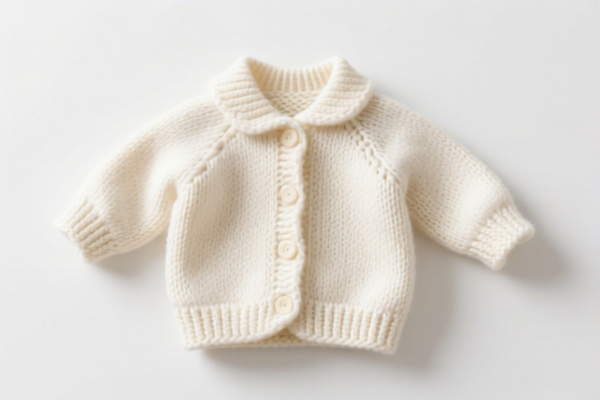
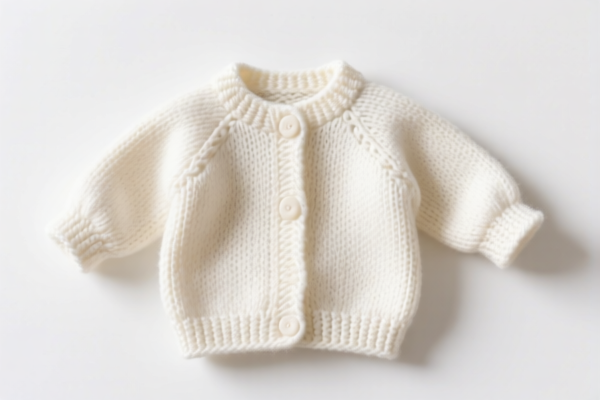
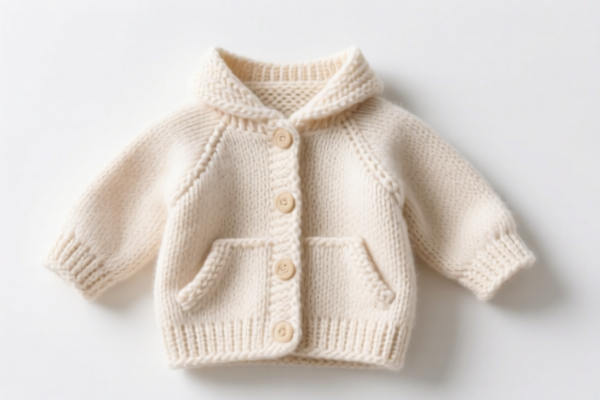

AI Analysis
👶 Children's Underwear (Other Materials, Breathable)
🌐 HS Code Reference & Customs Clearance Guide | 2026 Latest Tariff Analysis | Professional Level Clearance Strategy
📌 I. Product Definition & Classification: Do You Really Understand "Children's Underwear"?
Children's underwear, specifically those made from natural fibers (like cotton) or other materials (non-man-made fibers), falls into specific categories depending on the construction method (knitted vs. woven) and the specific garment type (briefs, panties, vests, etc.).
In international trade, the distinction between "Underwear" (e.g., panties/briefs) and "Baselayer/Vest" is critical for HS Code classification, as it significantly impacts the base tariff rate.
⚠️ Key Distinction Point:
- If it is a panty/brief shape → Generally falls under Chapter 62 (Woven) or Chapter 61 (Knitted) under "Underwear".
- If it is a vest/top shape → Falls under Chapter 62 or Chapter 61 under "Shirts/Blouses" or "Vests".
- Material Matters: "Other Materials" in your query often implies Cotton (natural fiber) in Chinese customs context (distinct from "Man-made fibers"). The data provided focuses heavily on Cotton products.
📦 II. HS Code Classification Details (2026 Latest Tariff Authority Cross-Reference)
| HS Code | Product Description | Application Scenario | Material Type |
|---|---|---|---|
6207.19.90.30 |
Children's Underwear, Cotton Fabric, Non-Man-Made Fibers, Used as Underwear | Woven cotton panties/briefs for children | ✅ Cotton (Woven) |
6207.91.30.20 |
Children's Inner Wear, Cotton, Classified under Inner Wear Category | Woven cotton inner wear (non-panty, e.g., shorts/under-shorts) | ✅ Cotton (Woven) |
6111.20.60.20 |
Children's Knitted Clothing, Cotton, Belongs to Infant/Child Category, Other Class | Knitted cotton garments for kids/infants (general outer/inner) | ✅ Cotton (Knitted) |
6109.10.00.37 |
Children's Inner Wear, Cotton, Fits Girl/Child Purpose | Knitted cotton T-shirts/vests used as inner wear | ✅ Cotton (Knitted) |
6111.20.60.70 |
Cotton Baby Clothing, Knitted/Woven Category, Other Class | Knitted cotton clothing for infants | ✅ Cotton (Knitted) |
🔍 Important Reminder:
- Woven vs. Knitted:
-62xxcodes are for Woven fabrics (non-stretchy, structured).
-61xxcodes are for Knitted fabrics (stretchy, jersey-like).
- "Other Materials": In the provided data, these HS codes specifically apply to Cotton (Natural Fiber). If the material is Polyester/Nylon (Man-made), the HS codes would change (e.g., to 6107.x or 6207.x subheadings for synthetic fibers). Please verify if "Other Materials" means "Cotton" in your specific context.
- Purpose: "Underwear" implies garments worn next to skin for hygiene/modesty. "Inner Wear" can sometimes include base layers.
💰 III. 2026 Latest Tariff Rate Details (Including Surtaxes, Policy Add-ons)
✅ Applicable Country: United States (US)
✅ Origin: China (CN)
✅ Effective Date: Ongoing (Includes Section 301, Section 232, etc.)
🎯 1. 6207.19.90.30 —— Children's Underwear, Woven Cotton
| Item | Content |
|---|---|
| Base Rate | 10.5% (ad valorem) |
| Surtax (301) | +7.5% (Section 301 Tariff) |
| Section 122 Tariff | +10% (Specific provision mentioned in data) |
| Total Rate | 28.0% |
| Tax Calculation | CIF Value × 28.0% |
| De Minimis Exemption | ❌ Not Applicable (High tax rate excludes it from standard de minimis benefits in many contexts, though this depends on specific CBP rulings. Generally, high-duty items are scrutinized.) |
| Legal Path | USITC:6207.19.90.30 → SECTION301:7.5% → SECTION122:10% |
📌 Explanation:
- "Base Tariff 10.5%" is the standard Most Favored Nation (MFN) rate for woven children's underwear from China.
- "Surtax 7.5%" is part of the ongoing Section 301 trade measures.
- "Section 122 Tariff 10%" is a specific additional levy mentioned in the data source.
- Total 28% is significant for low-value apparel.
🎯 2. 6207.91.30.20 —— Children's Inner Wear, Woven Cotton
| Item | Content |
|---|---|
| Base Rate | 6.1% |
| Surtax (301) | +7.5% |
| Section 122 Tariff | +10% |
| Total Rate | 23.6% |
| Tax Calculation | CIF Value × 23.6% |
| De Minimis Exemption | ❌ Not Applicable |
| Legal Path | USITC:6207.91.30.20 → SECTION301:7.5% → SECTION122:10% |
📌 Note:
- Slightly lower base rate (6.1%) compared to panties (10.5%), resulting in a total of 23.6%.
- Applies to "Other" woven inner wear (e.g., under-shorts) not specifically classified as panties.
🎯 3. 6111.20.60.20 & 6111.20.60.70 —— Children's Knitted Cotton Clothing
| Item | Content |
|---|---|
| Base Rate | 8.1% |
| Surtax (301) | +7.5% |
| Section 122 Tariff | +10% |
| Total Rate | 25.6% |
| Tax Calculation | CIF Value × 25.6% |
| De Minimis Exemption | ❌ Not Applicable |
| Legal Path | USITC:6111.20.60.xx → SECTION301:7.5% → SECTION122:10% |
📌 Note:
- Knitted items often have different base rates. Here, both infant/child knitted categories listed have a total of 25.6%.
- Note that6111.20.60.20is for "Other" categories, while6111.20.60.70is for specific infant clothing. Both share the same tax structure in this dataset.
🎯 4. 6109.10.00.37 —— Children's Knitted Inner Wear (Vests/Shirts)
| Item | Content |
|---|---|
| Base Rate | 16.5% |
| Surtax (301) | +7.5% |
| Section 122 Tariff | +10% |
| Total Rate | 34.0% |
| Tax Calculation | CIF Value × 34.0% |
| De Minimis Exemption | ❌ Not Applicable |
| Legal Path | USITC:6109.10.00.37 → SECTION301:7.5% → SECTION122:10% |
📌 Warning:
- This has the HIGHEST tax rate (34.0%) in the provided data.
-6109refers to T-shirts, singlets, and similar garments. If your "inner wear" is actually a knitted cotton vest or T-shirt worn as underwear, it falls here.
- Crucial: Do not misclassify a vest as "panties" to get the lower 25.6% rate. CBP will check the physical structure.
🛠️ IV. Customs Clearance Practical Advice (Pitfall Avoidance Guide)
✅ 1. Required Documentation Checklist (None Missing)
| Document | Mandatory? | Description |
|---|---|---|
| ✅ Product Specification Sheet | ✔️ | Must specify: Material (100% Cotton?), Construction (Knitted/Woven), Age Group (0-2, 2-7, etc.) |
| ✅ Composition Label Photo | ✔️ | Clear image of the care label showing fiber content (e.g., "100% Cotton") |
| ✅ Product Photos | ✔️ | Front/back view showing style (brief, panty, vest) |
| ✅ Commercial Invoice | ✔️ | Must use precise terminology: "Children's Cotton Underwear" or "Knitted Cotton Vest" |
| ✅ Packing List | ✔️ | Weight and dimensions per package |
| ✅ Certificate of Origin | ✔️ | If claiming preferential rates (not applicable here for US/China) |
✅ 2. Declaration Tips (Key Mantras)
🔥 “Material First, Style Second, Name Accurate!”
| Scenario | Correct Declaration | Wrong Practice |
|---|---|---|
| Woven Panties (Cotton) | 6207.19.90.30 |
Mislabel as "T-shirt" → 34% |
| Knitted Vest (Cotton) | 6109.10.00.37 |
Mislabel as "Underwear" → 23.6% |
| Knitted Baby Romper | 6111.20.60.xx |
General "Clothing" → Ambiguity |
| Synthetic (Polyester) | Not in Data | ❌ Do not use these codes if material is Synthetic |
⚠️ Critical Warning:
- If your product is Polyester/Nylon (Man-made), NONE of the above HS codes apply. You must use codes under6107(Knitted) or6208(Woven) for synthetic children's underwear, which have different tax rates.
- The provided data ONLY covers Cotton (Natural Fiber) products.
✅ 3. Special Cases Handling
| Situation | Handling Advice |
|---|---|
| Mixed Materials | If >50% Cotton, it may still qualify. If 50% Cotton/50% Polyester, rules of origin change. Provide exact % composition. |
| "Breathable" Feature | Marketing term, not classification criterion. Focus on Material and Construction. |
| Infant vs. Child | 6111 is for infants (usually <2 years). 6107/6109/6207 are for older children. Age label on packaging must match. |
| OEM/Private Label | Ensure the invoice clearly states the buyer and seller. Do not hide the manufacturer if origin is China. |
🌍 V. Global Market Comparison (2026 Latest)
| Country/Region | Recommended HS Code (Cotton) | Estimated Duty | Certification | Notes |
|---|---|---|---|---|
| 🇺🇸 USA | 6207.19.90.30 (Woven) / 6109.10.00.37 (Knitted) |
23.6% - 34.0% | None required for cotton underwear | High surtaxes (Section 301 + 122) make costs high |
| 🇨🇳 China | 6207.19.90 / 6109.10.00 |
0% - 10% | CCC (if applicable) | Import duty may be low, but VAT applies |
| 🇪🇺 EU | 6207.19.90 / 6109.10.00 |
12% - 16% | None | No Section 301 surtax, but anti-dumping may apply |
| 🇨🇦 Canada | 6207.19.90 / 6109.10.00 |
17.5% - 20% | None | MFN rates + NIS |
📌 Conclusion:
- USA is the most expensive market for these goods due to the 17.5% combined surtax (7.5% + 10%).
- Tax Savings Strategy: Consider sourcing from Vietnam, Bangladesh, or India to avoid Section 301 surtaxes (if eligible).
📌 VI. Common Errors & Pitfall Guide (Blood Lessons)
❌ Error 1: Declaring a Cotton Vest as "Underwear" to get a lower rate (23.6% vs 34.0%)
👉 Consequence: CBP inspection reveals it's a vest → Back taxes + Penalties!
👉 Fix: Use 6109.10.00.37 for vests/shirts.
❌ Error 2: Using 6207.19.90.30 for Knitted Panties
👉 Consequence: Wrong chapter (62 is Woven, 61 is Knitted) → Rejection or Delay.
👉 Fix: Check fabric construction. If stretchy/jersey, it's Knitted (61xx).
❌ Error 3: Ignoring Material Composition
👉 Consequence: Product is 100% Polyester, but declared as Cotton (6207...) → Fraud Alert.
👉 Fix: Verify label. Synthetic children's underwear uses 6208.22 or 6107.21.
❌ Error 4: Not Specifying "Children's"
👉 Consequence: If age is not clear, CBP may classify as Adult (6207.20 or 6207.30) → Different Tax Rate.
👉 Fix: Clearly state "For Children" or "Size 4-6 Years" on invoice.
🎯 VII. Conclusion: Precise Declaration Saves Money!
🎯 Remember the Mantra:
🔹 "Cotton vs. Synthetic? Knitted vs. Woven? Panty vs. Vest?"
🔹 "USA Tax is High (23-34%), So Declare Accurately!"
🔹 "Material Defines HS Code, Style Defines Subheading!"
📌 Tips:
- If your "Breathable" underwear is made of Bamboo, Modal, or Microfiber, ensure they are classified as Man-made (if regenerated cellulose or synthetic) or Cotton (if natural). The rates in the data ONLY apply to Cotton.
- For Polyester children's underwear, expect different HS codes (e.g.,
6208.22.00.00) with potentially different tax rates (not covered in this specific dataset).
📣 Immediate Action:
📞 Confirm Material Composition: Is it 100% Cotton?
📸 Upload Label Photo: To verify Knitted vs. Woven.
🚀 Choose the Correct HS Code:
- Woven Panties:6207.19.90.30(28.0%)
- Woven Inner:6207.91.30.20(23.6%)
- Knitted Vest:6109.10.00.37(34.0%)
- Knitted Other:6111.20.60.xx(25.6%)
✨ Professional Clearance Starts with Accurate Classification!
💼 Every Percent in Tax is Profit Lost!
Customer Reviews
About HS Code Classification
The Harmonized System (HS) is an internationally standardized nomenclature developed by the World Customs Organization (WCO) to classify traded products. Over 200 countries use the HS system as the basis for customs tariffs, trade statistics, and import/export regulations.
Each HS code follows a hierarchical structure:
- Chapter (2 digits) — Broad category of goods (e.g., Chapter 84: Machinery and Mechanical Appliances)
- Heading (4 digits) — More specific grouping within the chapter
- Subheading (6 digits) — Internationally standardized breakdown, used by all WCO member countries
- National subdivisions (8-10 digits) — Country-specific extensions for further classification, such as US HTSUS 10-digit codes
Correct HS code classification is essential for smooth customs clearance, accurate duty payment, and compliance with trade regulations. Misclassification can lead to customs delays, overpayment of duties, or penalties.
When importing from CN to US, the applicable tariff rates may include:
- Most-Favored-Nation (MFN) rate — The standard duty rate applied to WTO members
- General rate — Applied to countries without trade agreements
- Trade remedy duties — Additional tariffs such as Section 301 (anti-dumping), Section 232 (national security), or countervailing duties
The information provided on this page is for reference purposes only. For official classification, please consult with your local customs authority or a licensed customs broker.