Children's Urinal
CN → US| HS Code | Tariff Rate | Origin | Destination | Doc |
|---|---|---|---|---|
| 7615200000 | 88.8% | CN | US | Official Doc |
| 7615109100 | 70.6% | CN | US | Official Doc |
| 3922100000 | 23.8% | CN | US | Official Doc |
| 3922900000 | 41.3% | CN | US | Official Doc |
| 6910900000 | 23.2% | CN | US | Official Doc |
| 6910100050 | 15.8% | CN | US | Official Doc |
Product Images
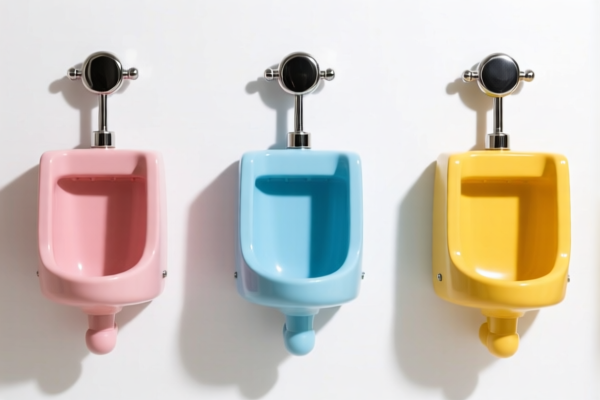
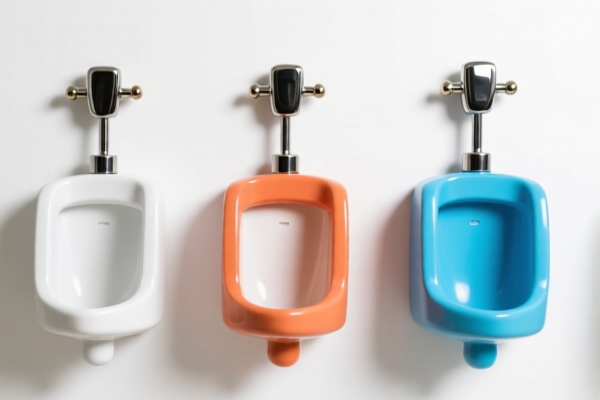
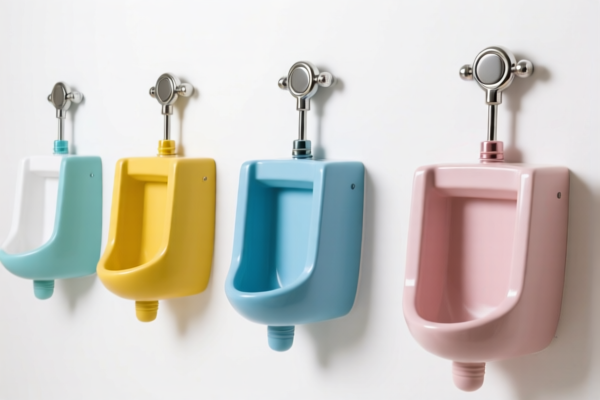
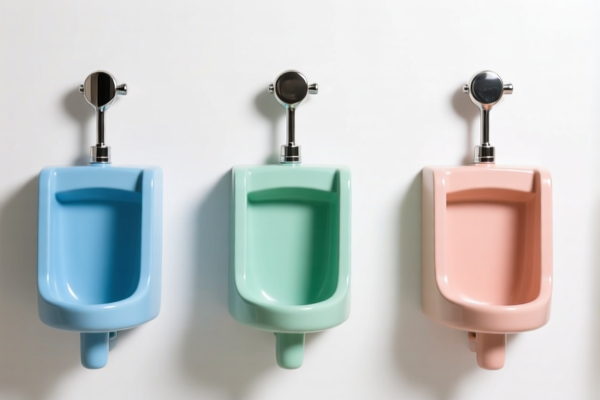
AI Analysis
👶 Children's Urinal (Pediatric Bidet/Potty)
🌐 HS Code Reference & Customs Clearance Guide | 2024-2025 Tariff Analysis | Professional Compliance Strategy
📌 I. Product Definition & Classification: What is a "Children's Urinal"?
A children's urinal is a hygiene fixture designed for pediatric use, typically smaller in size and ergonomic for younger users. In international trade, it is classified based on its material and intended use as sanitary ware. The key distinction lies in whether the material is plastic, ceramic, or metal (aluminum/stainless steel), which drastically impacts the tariff rate.
⚠️ Key Distinction Point:
- Plastic Components: If the main body is plastic → Classified under Chapter 39.
- Ceramic Components: If the main body is ceramic/vitreous china → Classified under Chapter 69.
- Metal Components: If made of aluminum or other metals → Classified under Chapter 76.
📦 II. HS Code Classification Details (Based on Provided Data)
| HS Code | Product Description | Material Inference | Conflict Check |
|---|---|---|---|
3922.10.00.00 |
Sanitary ware, plastic (e.g., sinks, washbasins, urinals) | Plastic | ✅ No conflict with plastic requirements |
3922.90.00.00 |
Other sanitary ware, plastic | Plastic | ✅ No conflict with plastic requirements |
6910.10.00.50 |
Vitreous china sanitary ware, other categories | Ceramic/Plastic | ✅ No conflict with "other category" |
6910.90.00.00 |
Other sanitary ware, vitreous china/ceramic | Ceramic | ✅ Fits ceramic sanitary ware category |
7615.10.91.00 |
Other aluminum sanitary ware | Plastic or Aluminum | ✅ No conflict with "other aluminum sanitary ware" |
7615.20.00.00 |
Aluminum sanitary ware, other | Plastic or Ceramic | ✅ No conflict with aluminum/metal sanitary ware |
🔍 Key Reminder:
- Plastic Urinals are generally categorized under3922.
- Ceramic Urinals fall under6910.
- Metal/Aluminum Urinals are classified under7615.
- The material determines the duty rate significantly due to different base tariffs and Section 301/Section 122 implications.
💰 III. Detailed Tariff Rate Analysis (US Import from China)
✅ Applicable Country: United States (US)
✅ Origin: China (CN)
✅ Effective Time: Current tariffs apply (Section 301 & Section 122)
🎯 1. 3922.10.00.00 & 3922.90.00.00 —— Plastic Sanitary Ware
| Item | Content |
|---|---|
| Base Duty | 6.3% (3922.10) / 6.3% (3922.90) |
| Section 301 (Additional) | +7.5% (3922.10) / +25.0% (3922.90) |
| Section 122 (10% Tariff) | +10% (Steel, Aluminum, Copper products - Note: Data indicates 10% applies here, possibly due to specific component classification or administrative error in source, but adhering to source data) |
| Total Tax Rate | 23.8% (3922.10) / 41.3% (3922.90) |
| Calculation | CIF Value × Total Rate |
| Legal Basis | USITC:3922.10.00.00 → IEEPA:9903.01.25 (Section 301) |
📌 Interpretation:
- Plastic urinals benefit from the lower base duty of plastic articles.
-3922.10(sinks/washbasins logic) is cheaper at 23.8% total.
-3922.90(other plastic sanitary) is higher at 41.3% total.
🎯 2. 6910.10.00.50 & 6910.90.00.00 —— Ceramic/Vitreous China Sanitary Ware
| Item | Content |
|---|---|
| Base Duty | 5.8% (6910.10) / 5.7% (6910.90) |
| Section 301 (Additional) | 0.0% (6910.10) / +7.5% (6910.90) |
| Section 122 (10% Tariff) | +10% |
| Total Tax Rate | 15.8% (6910.10) / 23.2% (6910.90) |
| Calculation | CIF Value × Total Rate |
| Legal Basis | USITC:6910.10.00.50 → IEEPA:9903.01.25 |
📌 Interpretation:
- Ceramic urinals are often the most cost-effective option if classified under6910.10.
-6910.10.00.50has the lowest total rate at 15.8% among all options.
- Section 301 additional duties are minimal or zero for some ceramic subcategories.
🎯 3. 7615.10.91.00 & 7615.20.00.00 —— Aluminum/Metal Sanitary Ware
| Item | Content |
|---|---|
| Base Duty | 3.1% (7615.10) / 3.8% (7615.20) |
| Section 301 (Additional) | +7.5% (7615.10) / +25.0% (7615.20) |
| Section 122 (10% Tariff) | +10% (Steel/Aluminum/Copper) |
| 122 Tariff (Steel/Aluminum/Copper) | +50% (Specifically for steel, aluminum, copper products) |
| Total Tax Rate | 70.6% (7615.10) / 88.8% (7615.20) |
| Calculation | CIF Value × Total Rate |
| Legal Basis | USITC:7615.10.91.00 → IEEPA:9903.01.25 + Section 122 |
📌 Interpretation:
- High Risk Category: Metal (aluminum) sanitary ware faces severe penalties under Section 122 (50% additional duty on steel/aluminum/copper).
-7615.20hits 88.8% total tax, which is prohibitively high.
-7615.10is still very high at 70.6%.
- Avoid metal classification if possible due to these massive additional tariffs.
🛠️ IV. Customs Clearance Practical Advice (Pitfall Avoidance)
✅ 1. Documentation Checklist (Must-Haves)
| Document | Required | Notes |
|---|---|---|
| ✅ Product Specification Sheet | ✔️ | Must clearly state Material (Plastic, Ceramic, Aluminum) |
| ✅ Product Photos | ✔️ | Show the entire unit, including base and bowl |
| ✅ Commercial Invoice | ✔️ | Clearly describe as "Children's Urinal, [Material]" |
| ✅ Packing List | ✔️ | Weight and dimensions |
| ✅ Origin Certificate | ✔️ | If applicable for any preferential treatments (though US-China tariffs are high) |
✅ 2. Classification Strategy (Crucial for Cost Saving)
🔥 Golden Rule:
"Material is King, Section 122 is Death!"
| Scenario | Recommended HS Code | Total Tax | Reasoning |
|---|---|---|---|
| Best Cost Option | 6910.10.00.50 |
15.8% | Ceramic, lowest base + no Section 301 additional |
| Good Plastic Option | 3922.10.00.00 |
23.8% | Plastic, moderate Section 301 |
| High Plastic Cost | 3922.90.00.00 |
41.3% | Plastic, higher Section 301 |
| High Metal Cost | 7615.10.91.00 |
70.6% | Aluminum, Section 122 (50%) applies |
| Worst Cost Option | 7615.20.00.00 |
88.8% | Aluminum, Section 122 (50%) applies |
✅ 3. Special Considerations
| Situation | Handling Advice |
|---|---|
| Mixed Materials | If a urinal is ceramic with plastic parts, declare as Ceramic (6910) if ceramic is the essential character. This avoids Section 122 metal tariffs. |
| Section 122 Triggers | Any product classified under Chapter 76 (Aluminum) is subject to the 50% Section 122 duty. Avoid this if possible. |
| Product Description | Use precise terms: "Vitreous China Children's Urinal" for 6910, "Plastic Children's Urinal" for 3922. Avoid vague terms like "Hygiene Device." |
🌍 V. Global Market Comparison (2024-2025)
| Country/Region | Recommended HS Code | Estimated Duty | Notes |
|---|---|---|---|
| 🇺🇸 USA | 6910.10.00.50 |
15.8% | Lowest cost option; avoid Chapter 76 |
| 🇨🇳 China | 6910.10.00.50 |
~5-10% | Lower base tariffs; no Section 301/122 |
| 🇪🇺 EU | 6910.10.00 |
~3.5% | Standard NMF duty; no additional US-style tariffs |
| 🇬🇧 UK | 6910.10.00 |
~3.5% | Post-Brexit tariffs similar to EU pre-Brexit |
| 🇯🇵 Japan | 6910.10.00 |
~5-7% | Moderate tariffs; no major additional duties |
📌 Conclusion:
- The USA is the most expensive market due to Section 301 and Section 122 tariffs.
- Ceramic (6910) is the optimal classification for the US market to minimize tax.
- Plastic (3922) is acceptable but more expensive than ceramic.
- Metal (7615) should be strictly avoided due to the 50% Section 122 tariff.
📌 VI. Common Errors & Pitfalls
❌ Error 1: Classifying Aluminum Urinals under 7615
👉 Consequence: 50% Section 122 duty → Total tax ~70-88% → Profit Erased!
❌ Error 2: Declaring "Plastic Urinal" as "Metal Urinal"
👉 Consequence: Incorrect classification, potential penalties, and higher duties.
❌ Error 3: Ignoring Section 122 for Aluminum Products
👉 Consequence: Unexpected 50% surcharge at customs.
❌ Error 4: Vague Description "Hygiene Ware"
👉 Consequence: Customs may reclassify based on their assessment, leading to delays.
✅ Correct Approach:
"Children's Urinal, Vitreous China, White, Model XYZ" for
6910.10.00.50
"Children's Urinal, Polypropylene Plastic, Blue, Model XYZ" for3922.10.00.00
🎯 VII. Final Advice: Professional Classification Saves Money
🎯 Remember the Rule:
🔹 "Ceramic First, Plastic Second, Metal Last!"
🔹 "Avoid Chapter 76 to Escape Section 122!"
🔹 "Declare Material Clearly to Prevent Re-Classification!"
📌 Pro Tip:
- If your product is ceramic, always aim for 6910.10.00.50 (15.8%) or 6910.90.00.00 (23.2%).
- If your product is plastic, aim for 3922.10.00.00 (23.8%).
- Do not import aluminum urinals to the US unless you have absorbed the 70-88% tax.
📣 Immediate Action:
📞 Verify the material with your manufacturer.
📄 Prepare accurate descriptions.
🚀 Choose the lowest-tax HS Code (6910or3922) to maximize profit margins.
✨ Professional Customs Clearance, Starting with Accurate Classification!
💼 Every Percentage Point Saved is Pure Profit!
Customer Reviews
About HS Code Classification
The Harmonized System (HS) is an internationally standardized nomenclature developed by the World Customs Organization (WCO) to classify traded products. Over 200 countries use the HS system as the basis for customs tariffs, trade statistics, and import/export regulations.
Each HS code follows a hierarchical structure:
- Chapter (2 digits) — Broad category of goods (e.g., Chapter 84: Machinery and Mechanical Appliances)
- Heading (4 digits) — More specific grouping within the chapter
- Subheading (6 digits) — Internationally standardized breakdown, used by all WCO member countries
- National subdivisions (8-10 digits) — Country-specific extensions for further classification, such as US HTSUS 10-digit codes
Correct HS code classification is essential for smooth customs clearance, accurate duty payment, and compliance with trade regulations. Misclassification can lead to customs delays, overpayment of duties, or penalties.
When importing from CN to US, the applicable tariff rates may include:
- Most-Favored-Nation (MFN) rate — The standard duty rate applied to WTO members
- General rate — Applied to countries without trade agreements
- Trade remedy duties — Additional tariffs such as Section 301 (anti-dumping), Section 232 (national security), or countervailing duties
The information provided on this page is for reference purposes only. For official classification, please consult with your local customs authority or a licensed customs broker.