Children's Water Mat
CN → US| HS Code | Tariff Rate | Origin | Destination | Doc |
|---|---|---|---|---|
| 6307908995 | 17.0% | CN | US | Official Doc |
| 3926907500 | 14.2% | CN | US | Official Doc |
| 6307909891 | 24.5% | CN | US | Official Doc |
| 9503000071 | 10.0% | CN | US | Official Doc |
| 9503000073 | 10.0% | CN | US | Official Doc |
| 3926907700 | 12.4% | CN | US | Official Doc |
Product Images
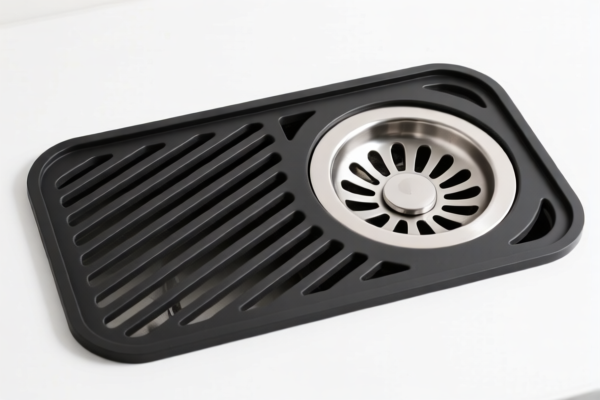
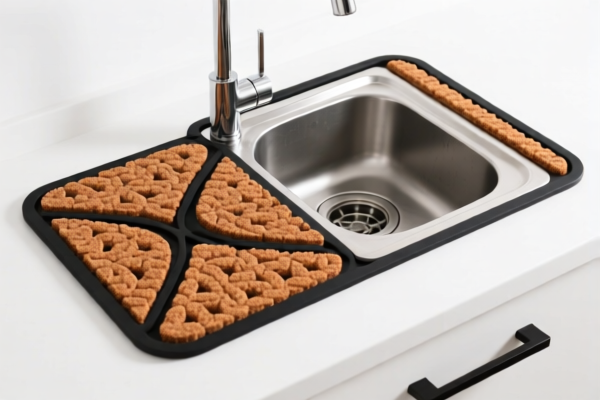
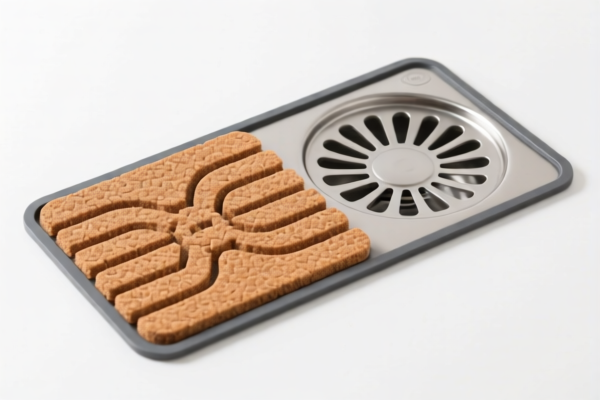
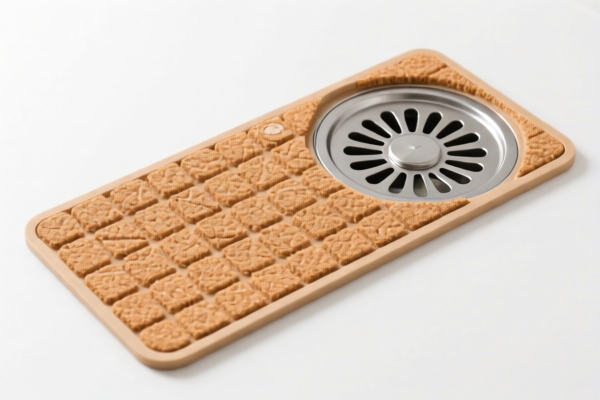
AI Analysis
💦 Children's Water Mat (Shui Dian) – HS Code Classification & Clearance Guide | 2026 Latest Tariff Analysis
🌐 HS Code Reference & Clearance Strategy | Professional Classification for "Children's Water Mat"
📌 The Challenge: The term "Children's Water Mat" is ambiguous in international trade. It can be classified as a Toy, a Household Textile, or a Plastic Product, depending on the primary material, intended use, and construction.
Below is the detailed breakdown of the 6 most likely HS Codes based on the provided data, along with their tax implications and clearance advice.
📦 II. HS Code Classification Details (Based on Provided Data)
| HS Code | Product Description | Key Matching Logic | Total Tax Rate | Tax Breakdown |
|---|---|---|---|---|
| 9503.00.00.71 | Toy / Children’s Product | • Classified as a "Toy/Children’s Item" • Form: Filled/Padded Toy • Material: Assumed Plastic/PVC (common for toys) • No material conflict with toy category |
10.0% | Base: 0% Section 301 (Add-on): 0% Section 122 (US China Tariff): 10% |
| 9503.00.00.73 | Toy (Plastic Water Mat) | • Inferred material: Plastic (PVC/TPU) • Form: Water Mat Toy • Falls under HS 9503 (Toys) • No conflicting material/use description |
10.0% | Base: 0% Section 301: 0% Section 122: 10% |
| 3926.90.77.00 | Plastic Mat (Water Bed Liner) | • "Water Mat" matches "Water Bed Mat/Liner" • Material: Plastic (common for waterproof mats) • Fits "Plastic Products" category |
12.4% | Base: 2.4% Section 301: 0% Section 122: 10% |
| 3926.90.75.00 | Plastic Inflatable/Inflated Product | • Form: Inflatable/Water-filled • Material: Plastic (HS 3901-3914) • Use: "Other Inflated Products" |
14.2% | Base: 4.2% Section 301: 0% Section 122: 10% |
| 6307.90.98.91 | Other Made-Up Articles (Textile) | • Inferred material: Cotton/Textile • Form: Cover/Quilt-like household item • No material conflict with "Other" category |
24.5% | Base: 7.0% Section 301: 7.5% Section 122: 10% |
| 6307.90.89.95 | Other Textile Articles | • Inferred material: Cotton/Similar Textile • Form: Cover/Quilt-like • Fits "Other" under textile category |
17.0% | Base: 7.0% Section 301: 0% Section 122: 10% |
⚠️ Key Insight:
- Toys (9503) and Plastic Products (3926) have lower base tariffs (0%–4.2%) but are subject to Section 122 tariffs (10%).
- Textile Products (6307) have higher base tariffs (7%) and may incur Section 301 tariffs depending on classification, leading to higher total costs (17%–24.5%).
💰 III. Tax Rate Detailed Explanation (US Market, China Origin)
✅ Applicable Country: United States (US)
✅ Origin: China (CN)
✅ Effective Date: 2025–2026 (Current Trade Rules)
🎯 1. HS 9503.00.00.71 & 9503.00.00.73 – Children’s Water Mat as a Toy
| Item | Detail |
|---|---|
| Base Tariff | 0% |
| Section 301 (Add-on) | 0% |
| Section 122 (US-China) | 10% |
| Total Tariff | 10.0% |
| De Minimis Eligibility | ❌ No (Subject to Section 122) |
| Legal Basis | Section 122: 9903.01.25 → HS 9503.00.00.71/73 |
📌 Why This Matters:
- If classified as a toy, the base tariff is 0%, making it cost-effective.
- However, Section 122 adds 10%, so the total is 10%.
- Critical: Ensure the product is marketed and documented as a toy (e.g., "Children’s Play Mat") to qualify.
🎯 2. HS 3926.90.77.00 & 3926.90.75.00 – Plastic Water Mat
| Item | Detail |
|---|---|
| Base Tariff | 2.4% – 4.2% |
| Section 301 | 0% |
| Section 122 | 10% |
| Total Tariff | 12.4% – 14.2% |
| De Minimis Eligibility | ❌ No |
| Legal Basis | Section 122: 9903.01.25 → HS 3926.90.77/75 |
📌 Why This Matters:
- If classified as a plastic product, the base tariff is low (2.4–4.2%), but Section 122 adds 10%.
- Total cost is higher than toys (10% vs. 12.4–14.2%).
- Use Case: If the mat is not primarily for play (e.g., a water bed liner), this classification may apply.
🎯 3. HS 6307.90.98.91 & 6307.90.89.95 – Textile Water Mat
| Item | Detail |
|---|---|
| Base Tariff | 7.0% |
| Section 301 | 0% – 7.5% |
| Section 122 | 10% |
| Total Tariff | 17.0% – 24.5% |
| De Minimis Eligibility | ❌ No |
| Legal Basis | Section 122: 9903.01.25 → HS 6307.90.98/89 |
📌 Why This Matters:
- If classified as a textile product (e.g., cotton cover), the base tariff is high (7%).
- Section 301 may add 0–7.5%, and Section 122 adds 10%.
- Total cost is highest (17–24.5%), so avoid this classification if possible.
🛠️ IV. Clearance Practical Advice (Avoid Pitfalls)
✅ 1. Documentation Checklist (Mandatory)
| Document | Required | Notes |
|---|---|---|
| Product Spec Sheet | ✔️ | Include material (Plastic/Cotton), size, weight, intended use |
| Product Photos | ✔️ | Show clear labeling as "Toy" or "Mat" |
| Material Declaration | ✔️ | Explicitly state PVC/TPU (for plastic) or Cotton (for textile) |
| Commercial Invoice | ✔️ | Use precise description: "Children’s Water Mat (Toy)" or "Plastic Water Mat" |
| Certifications | ✔️ | ASTM F963 (Toy Safety), CPSIA (Children’s Product), CE/RoHS |
| Packing List | ✔️ | Indicate quantity, dimensions, weight |
✅ 2. Declaration Tips (Key Rules)
🔥 "Classify as Toy to Save Costs, But Prove It!"
| Scenario | Correct Declaration | Wrong Declaration |
|---|---|---|
| Play mat for kids | HS 9503.00.00.71/73 (Toy) | Misdeclare as "Plastic Mat" → 12.4–14.2% |
| Water bed liner | HS 3926.90.77.00 (Plastic) | Misdeclare as "Toy" → Audit Risk |
| Cotton cover mat | HS 6307.90.98.91 (Textile) | Misdeclare as "Toy" → High Tax (24.5%) |
📌 Critical:
- If the product is marketed as a toy, ensure packaging, advertising, and invoices reflect this.
- Customs may scrutinize if the product lacks toy-like features (e.g., bright colors, play instructions).
✅ 3. Special Cases
| Case | Advice |
|---|---|
| OEM Custom Mat | Provide design drawings and client order to prove intended use |
| Mat with Electrical Components | May require UL/ETL Certification → Re-evaluate HS Code |
| Mat for Adults | Not a "Children’s" product → Use HS 3926 or 6307 |
| Dual-Use (Toy + Mattress) | Choose HS 9503 if play is primary; HS 6307/3926 if sleep is primary |
🌍 V. Global Market Comparison (2026)
| Country/Region | Recommended HS Code | Tariff | Certifications | Notes |
|---|---|---|---|---|
| 🇺🇸 USA | 9503.00.00.71/73 (Toy) |
10% | CPSIA, ASTM F963 | Best Option if toy |
| 🇺🇸 USA | 3926.90.77.00 (Plastic) |
12.4% | None Specific | Higher cost |
| 🇨🇳 China | 9503.00.00.71 |
0% | CCC (if toy) | No additional tariffs |
| 🇪🇺 EU | 9503.00.00.71 |
0% | CE, EN71 | Low Tariff |
| 🇦🇺 Australia | 9503.00.00.71 |
5% | RCMA | Moderate tariff |
| 🇯🇵 Japan | 9503.00.00.71 |
0% | JIS | Low tariff |
📌 Conclusion:
- USA is the most challenging market due to Section 122 tariffs (10%).
- Toy classification (HS 9503) is cost-effective (10%) compared to plastic (12.4–14.2%) and textile (17–24.5%).
- EU, Japan, Australia have lower tariffs but require safety certifications.
📌 VI. Common Errors & Pitfalls (Lessons Learned)
❌ Error 1: Declaring a toy water mat as a "Plastic Mat"
👉 Result: Tax jumps from 10% → 12.4–14.2% → Unnecessary Cost
❌ Error 2: Declaring a textile mat as a "Toy"
👉 Result: Customs rejects → Delays, Penalties, or Return
❌ Error 3: Missing CPSIA/ASTM Certifications
👉 Result: Detention at US Customs → Storage Fees & Delays
❌ Error 4: Vague Description ("Water Mat")
👉 Result: Customs assigns highest possible tariff (24.5%) → Cost Overrun
✅ Correct Approach:
"Children’s Water Play Mat (Toy), PVC Filled, Colorful, Certified ASTM F963, Model XYZ"
🎯 VII. Conclusion: Smart Classification, Lower Costs, Faster Clearance
🎯 Key Takeaways:
🔹 "Toy Classification = 10% Tax"
🔹 "Plastic Classification = 12.4–14.2% Tax"
🔹 "Textile Classification = 17–24.5% Tax"
🔹 "Clear Documentation = No Delays"
📌 Pro Tip:
- If your product is primarily for play, classify as HS 9503.00.00.71/73 (Toy).
- If it’s a mattress liner, use HS 3926.90.77.00 (Plastic).
- Always provide material and use evidence to support your classification.
📣 Immediate Action Required:
📞 Consult a Customs Broker + Provide Product Specs + Apply for Pre-Ruling
🚀 Save 10–14.5% in Tariffs with Correct Classification!
✨ Precision in Classification = Profit in Clearance!
💼 Every Dollar Saved is a Dollar Earned!
Customer Reviews
About HS Code Classification
The Harmonized System (HS) is an internationally standardized nomenclature developed by the World Customs Organization (WCO) to classify traded products. Over 200 countries use the HS system as the basis for customs tariffs, trade statistics, and import/export regulations.
Each HS code follows a hierarchical structure:
- Chapter (2 digits) — Broad category of goods (e.g., Chapter 84: Machinery and Mechanical Appliances)
- Heading (4 digits) — More specific grouping within the chapter
- Subheading (6 digits) — Internationally standardized breakdown, used by all WCO member countries
- National subdivisions (8-10 digits) — Country-specific extensions for further classification, such as US HTSUS 10-digit codes
Correct HS code classification is essential for smooth customs clearance, accurate duty payment, and compliance with trade regulations. Misclassification can lead to customs delays, overpayment of duties, or penalties.
When importing from CN to US, the applicable tariff rates may include:
- Most-Favored-Nation (MFN) rate — The standard duty rate applied to WTO members
- General rate — Applied to countries without trade agreements
- Trade remedy duties — Additional tariffs such as Section 301 (anti-dumping), Section 232 (national security), or countervailing duties
The information provided on this page is for reference purposes only. For official classification, please consult with your local customs authority or a licensed customs broker.