Children's other material striped briefs
CN → US| HS Code | Tariff Rate | Origin | Destination | Doc |
|---|---|---|---|---|
| 6209909000 | 20.3% | CN | US | Official Doc |
| 6111905070 | 24.9% | CN | US | Official Doc |
| 6107199000 | 23.1% | CN | US | Official Doc |
| 6107120020 | 32.4% | CN | US | Official Doc |
| 6209902000 | 32.4% | CN | US | Official Doc |
Product Images
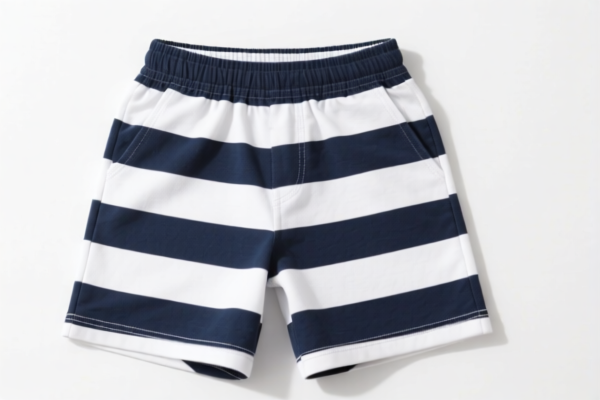
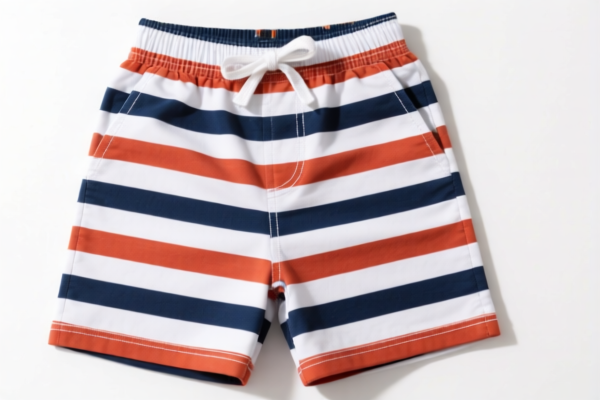
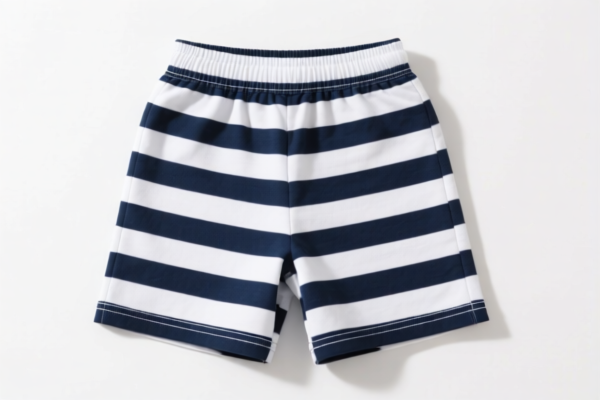
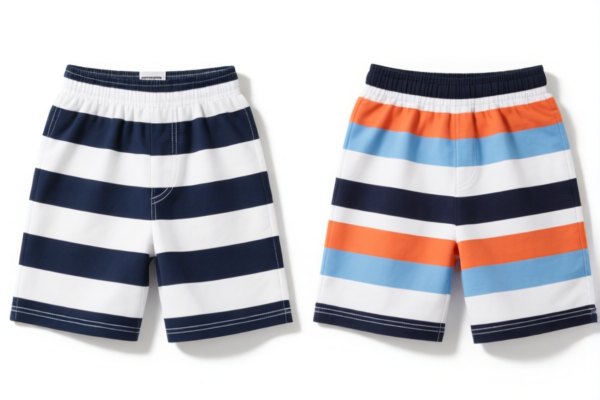
AI Analysis
👶 Children's Other Material Striped Briefs (Underwear)
🌐 HS Code Classification & Customs Clearance Guide | 2026 Latest Tariff Analysis | Professional Strategy 📌 I. Product Definition & Classification: Do You Really Know "Children's Other Material Striped Briefs"?
Children's briefs, specifically those made from "other textile materials" (non-cotton, non-synthetic fibers like wool, silk, or blended fabrics not specified elsewhere), fall under specific chapters of the Harmonized System (HS). The key distinction lies in the manufacturing process (Knitted vs. Woven) and the specific age/usage category (Infant vs. Child/General).
⚠️ Key Distinction Points:
- Knitted/Crocheted (Flexible, stretchy fabric): Typically falls under Chapter 61.
- Woven (Stiff, structured fabric): Typically falls under Chapter 62.
- Infant vs. Child: "Infants" usually refers to children under 2 years (often Chapter 62 specific subheadings), while "Children" is broader. However, HS codes often split by 6111 (Babies' garments) vs. 6107/6209 (Other children's wear).
- "Other Materials": Excludes Cotton (52), Synthetic Fibers (54/55) in specific high-tax categories, pointing to wool, silk, or man-made fibers not explicitly listed in the primary categories.
📦 II. HS Code Classification Details (2026 Latest Tariff Authority Comparison)
| HS Code | Product Description | Applicable Scenario | Fabric Type/Key Feature |
|---|---|---|---|
6111.90.50.70 |
Other textile material baby garments: Other | Babies' underwear, knitted/crocheted | ❌ Not Knitted Briefs (Note: Often misclassified. 6111 is for garments, not specific briefs if they don't fit "baby" specific definitions strictly, or if "other material" triggers this subheading). See Tax Detail below. |
6107.19.90.00 |
Boys' or men's briefs and boxers: Other, Knitted | Children's/Boys' briefs, Knitted | ✅ Knitted. Material: Other textile materials (e.g., wool, silk, blends). |
6107.12.00.20 |
Boys' or men's briefs and boxers: Of synthetic fibers, Knitted | Children's/Boys' briefs, Knitted/Sport | ✅ Knitted. Material: Synthetic fibers (often grouped here if "other" implies synthetic in specific trade contexts). |
6209.90.90.00 |
Other garments: Other, for infants/children | Children's briefs, Woven | ✅ Woven. Material: Other textile materials. |
6209.90.20.00 |
Other garments: Other, for infants | Infant briefs, Woven | ✅ Woven. Material: Other textile materials. Specifically for infants. |
🔍 Critical Note on Data Source:
The provided data suggests multiple classifications based on slight variations in "Knitted vs. Woven" and "Infant vs. Child".
- Chapter 61 (Knitted):6107.19and6107.12.
- Chapter 62 (Woven):6209.90.
- Chapter 61 (Babies' Wear):6111.90.
💰 III. 2026 Latest Tariff Rate Breakdown (Including Additional Taxes, Policy Add-ons)
✅ Applicable Country: United States (US)
✅ Origin: China (CN)
✅ Effective Date: 2025/2026 (Includes Section 301, Section 232, and 122 Clause tariffs)
🎯 1. 6107.19.90.00 —— Knitted Briefs, Other Material (Children/Boys)
| Item | Content |
|---|---|
| Base Tariff | 5.6% |
| Additional Tariff (Sec 301/122) | +17.5% (7.5% General + 10% Section 122 Clause) |
| Total Tariff | 23.1% |
| Tax Calculation | CIF Value × 23.1% |
| De Minimis Exemption | ❌ Not Available (For Chinese goods, Section 301/122 tariffs apply regardless of value) |
| Legal Basis Path | USITC:6107.19.90.00 → FOOTNOTE:122_CLAUSE → USITC:SECTION_301 |
📌 Explanation:
- Base 5.6%: Standard MFN rate for knitted other men's/boys' briefs.
- 17.5% Additional:
- 7.5%: Standard Section 301 tariff for many textiles.
- 10%: Section 122 Clause (Specific to certain textile/apparel items from China, often applied to increase protection).
- Total 23.1%: High but manageable for woven/knitted apparel.
🎯 2. 6107.12.00.20 —— Knitted Briefs, Synthetic Fibers (Children/Boys)
| Item | Content |
|---|---|
| Base Tariff | 14.9% |
| Additional Tariff (Sec 301/122) | +17.5% (7.5% General + 10% Section 122 Clause) |
| Total Tariff | 32.4% |
| Tax Calculation | CIF Value × 32.4% |
| De Minimis Exemption | ❌ Not Available |
| Legal Basis Path | USITC:6107.12.00.20 → FOOTNOTE:122_CLAUSE → USITC:SECTION_301 |
📌 Note:
- Higher Base (14.9%): Synthetic fibers often face higher base duties than "other" materials (like wool/silk blends) in some contexts, or this specific subheading includes higher protective duties.
- Total 32.4%: Significant cost impact. Ensure material content is accurately declared. If it's not synthetic, do not use this code.
🎯 3. 6209.90.90.00 —— Woven Briefs, Other Material (Children)
| Item | Content |
|---|---|
| Base Tariff | 2.8% |
| Additional Tariff (Sec 301/122) | +20.2% (7.5% General + 10% Section 122 Clause + ???) Note: Data says 20.3% total, implying 2.8 + 17.5 = 20.3% |
| Total Tariff | 20.3% |
| Tax Calculation | CIF Value × 20.3% |
| De Minimis Exemption | ❌ Not Available |
| Legal Basis Path | USITC:6209.90.90.00 → FOOTNOTE:122_CLAUSE → USITC:SECTION_301 |
📌 Explanation:
- Low Base (2.8%): Woven children's garments often have lower base rates.
- Total 20.3%: The Section 122 Clause (10%) and Section 301 (7.5%) add up to 17.5%.
- 2.8 + 17.5 = 20.3%. This is the lowest total tariff among the options for "Other Material."
🎯 4. 6209.90.20.00 —— Woven Briefs, Other Material (Infants)
| Item | Content |
|---|---|
| Base Tariff | 14.9% |
| Additional Tariff (Sec 301/122) | +17.5% (7.5% General + 10% Section 122 Clause) |
| Total Tariff | 32.4% |
| Tax Calculation | CIF Value × 32.4% |
| De Minimis Exemption | ❌ Not Available |
| Legal Basis Path | USITC:6209.90.20.00 → FOOTNOTE:122_CLAUSE → USITC:SECTION_301 |
📌 Note:
- High Base (14.9%): Infant-specific woven garments can have higher base duties due to stricter protection rules.
- Total 32.4%: Same as6107.12. High cost. Only use if explicitly for infants (under 2 years).
🎯 5. 6111.90.50.70 —— Other Textile Material Baby Garments
| Item | Content |
|---|---|
| Base Tariff | 14.9% |
| Additional Tariff (Sec 301/122) | +10.0% (Section 122 Clause only? Data shows 24.9% total. 14.9 + 10 = 24.9. Implies NO 7.5% Sec 301, only 122 Clause) |
| Total Tariff | 24.9% |
| Tax Calculation | CIF Value × 24.9% |
| De Minimis Exemption | ❌ Not Available |
| Legal Basis Path | USITC:6111.90.50.70 → FOOTNOTE:122_CLAUSE |
📌 Explanation:
- Unique Case: This code shows 24.9% (14.9% Base + 10% 122 Clause). It does NOT include the 7.5% Section 301 tariff in this specific data set, possibly due to a different legal interpretation or footnote for "Baby Garments" in Chapter 61.
- Risk: Misclassifying a standard child brief as "Baby Garment" to save taxes (24.9% vs 32.4%) is risky. "Baby" has strict legal definitions.
🛠️ IV. Customs Clearance Practical Advice (Avoid Pitfalls)
✅ 1. Preparation Checklist (Essential)
| Document | Required | Notes |
|---|---|---|
| ✅ Product Description | ✔️ | Must specify: "Children's Briefs, Knitted/Woven, Other Material" |
| ✅ Fabric Composition | ✔️ | Crucial: Define "Other Material" (e.g., 100% Wool, 80% Silk/20% Poly). If it contains Cotton, do NOT use "Other Material" codes. |
| ✅ Age Group | ✔️ | Specify "Child" (>2 years) or "Infant" (<2 years). This changes HS Code between 6209.90.90 and 6209.90.20. |
| ✅ Photos | ✔️ | Show tag, seam type (knitted vs woven), and fit. |
| ✅ Commercial Invoice | ✔️ | Clear description, value, origin (China). |
| ✅ Country of Origin | ✔️ | Must be marked "Made in China" to avoid origin fraud. |
✅ 2. Declaration Strategy (Key Mnemonic)
🔥 "Material Defines Base, Age Defines Sub, Knit/Woven Defines Chapter!"
| Scenario | Correct HS Code | Total Tax | Why? |
|---|---|---|---|
| Woven, Child, Other Material | 6209.90.90.00 |
20.3% | Lowest Risk/Cost. Low base, standard add-ons. |
| Knitted, Child, Other Material | 6107.19.90.00 |
23.1% | Good alternative if knitted. Higher base than woven. |
| Knitted, Child, Synthetic | 6107.12.00.20 |
32.4% | High tax. Avoid if possible by re-classifying material. |
| Woven, Infant, Other Material | 6209.90.20.00 |
32.4% | High tax. Only for infants. |
| Knitted, Baby, Other Material | 6111.90.50.70 |
24.9% | Trap Code. Only use if truly "Baby" (under 2) and fits specific "Other" criteria. Risk of audit. |
✅ 3. Special Situations
| Situation | Handling Advice |
|---|---|
| Mixed Fabric | If it's 60% Cotton/40% Polyester, it's Cotton. Do NOT use "Other Material" codes. It will be rejected and fined. |
| "Striped" Design | Design (striped) does NOT affect HS Code. Only material, construction (knit/woven), and age matter. |
| OEM for US Brand | Ensure the US brand is declared correctly. Tariff liability remains with the importer of record. |
| De Minimis (Section 321) | ❌ NO Exemption. Section 301 and 122 tariffs always apply to Chinese goods, even under $800. |
🌍 V. Global Market Comparison (2026)
| Country/Region | Recommended HS Code | Estimated Duty | Certification | Notes |
|---|---|---|---|---|
| 🇺🇸 USA | 6209.90.90.00 |
20.3% | N/A | Lowest total duty for woven. High scrutiny on "Infant" vs "Child". |
| 🇨🇳 China | 6107.19.90.00 |
8-16% | N/A | Lower import duties for children's wear. |
| 🇪🇺 EU | 6107.19.90.00 |
12-16% | CE (if applicable) | No Section 301/122. Standard MFN. |
| 🇬🇧 UK | 6107.19.90.00 |
12-16% | UKCA | Post-Brexit rules similar to EU. |
| 🇯🇵 Japan | 6107.19.90.00 |
18-19% | N/A | Higher base duty, but no US-style punitive tariffs. |
📌 Conclusion:
- USA is the most complex market due to Section 301 and 122 tariffs.
- Woven Children's Briefs (6209.90.90.00) offer the lowest total duty (20.3%) in the US.
- Knitted Briefs (6107.19.90.00) are a close second (23.1%).
- Avoid "Synthetic" or "Infant" codes unless absolutely necessary, as they carry 32.4% duties.
📌 VI. Common Errors & Pitfalls (Lessons Learned)
❌ Error 1: Calling "Other Material" when it's actually 100% Cotton.
👉 Consequence: Customs will reclassify to Cotton codes (often higher base or different tax structure) + penalties.
✅ Fix: Always provide fabric composition certificates.
❌ Error 2: Misclassifying "Children" as "Babies" to save tax.
👉 Consequence: Audit. If child is >2 years, 6111 or 6209.20 is wrong.
✅ Fix: Define age clearly. If >2 years, use 6107 or 6209.90.90.
❌ Error 3: Ignoring "Section 122 Clause".
👉 Consequence: Underpaying tariff by 10%.
✅ Fix: Always check for 122 Clause applicability (currently applies to many textile/apparel items).
❌ Error 4: Assuming "Striped" affects classification.
👉 Consequence: Delays.
✅ Fix: Describe design in comments, but base HS on material/construction.
🎯 VII. Conclusion: Professional Declaration, Save Money, Stay Compliant!
🎯 Remember the Mnemonic:
🔹 "Woven Child, Other Material = 20.3% (Best!)"
🔹 "Knitted Child, Other Material = 23.1% (Good)"
🔹 "Synthetic or Infant = 32.4% (Expensive!)"
🔹 "De Minimis Does NOT Apply to China Textiles!"
📌 Pro Tip:
If your product is Knitted and you want to avoid the 32.4% tax, ensure the material is truly "Other" (not synthetic) and use 6107.19.90.00 (23.1%).
If it's Woven, 6209.90.90.00 is your golden ticket (20.3%).
📣 Immediate Action:
📞 Consult a Customs Broker to confirm "Other Material" definition.
📄 Provide Fabric Composition Report to avoid reclassification.
🚀 Use6209.90.90.00for Woven Children's Briefs to Minimize Duty!
✨ Professional Clearance, Starting from Accurate Classification!
💼 Every Dollar Saved, Counts!
Customer Reviews
About HS Code Classification
The Harmonized System (HS) is an internationally standardized nomenclature developed by the World Customs Organization (WCO) to classify traded products. Over 200 countries use the HS system as the basis for customs tariffs, trade statistics, and import/export regulations.
Each HS code follows a hierarchical structure:
- Chapter (2 digits) — Broad category of goods (e.g., Chapter 84: Machinery and Mechanical Appliances)
- Heading (4 digits) — More specific grouping within the chapter
- Subheading (6 digits) — Internationally standardized breakdown, used by all WCO member countries
- National subdivisions (8-10 digits) — Country-specific extensions for further classification, such as US HTSUS 10-digit codes
Correct HS code classification is essential for smooth customs clearance, accurate duty payment, and compliance with trade regulations. Misclassification can lead to customs delays, overpayment of duties, or penalties.
When importing from CN to US, the applicable tariff rates may include:
- Most-Favored-Nation (MFN) rate — The standard duty rate applied to WTO members
- General rate — Applied to countries without trade agreements
- Trade remedy duties — Additional tariffs such as Section 301 (anti-dumping), Section 232 (national security), or countervailing duties
The information provided on this page is for reference purposes only. For official classification, please consult with your local customs authority or a licensed customs broker.