Crochet Women's Jumpsuit
CN → US| HS Code | Tariff Rate | Origin | Destination | Doc |
|---|---|---|---|---|
| 6104420010 | 29.0% | CN | US | Official Doc |
| 6104432010 | 33.5% | CN | US | Official Doc |
| 6104499060 | 23.1% | CN | US | Official Doc |
| 6204423050 | 25.9% | CN | US | Official Doc |
| 6204423060 | 25.9% | CN | US | Official Doc |
Product Images
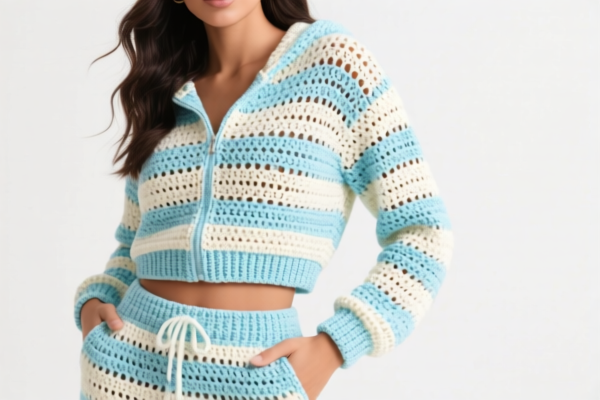
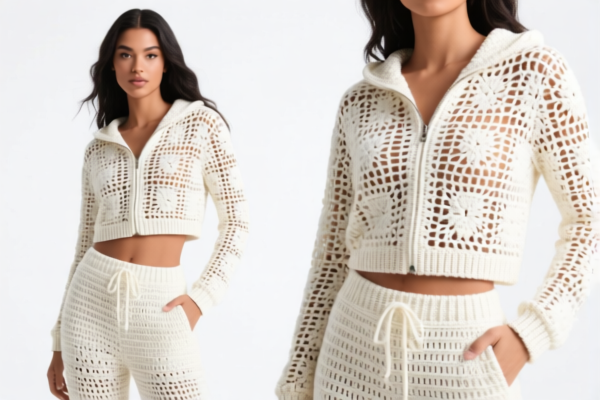
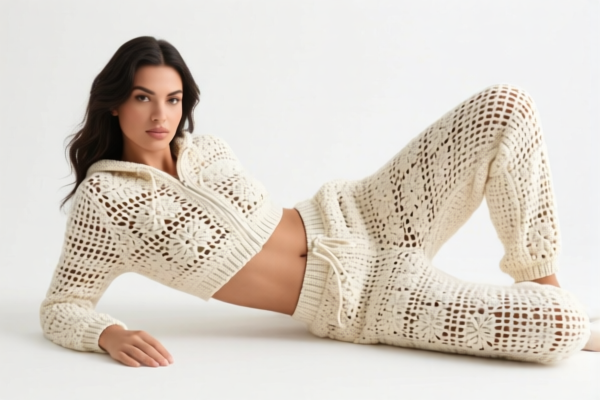

AI Analysis
🧶 Crochet Women's Jumpsuit (Garment)
🌐 HS Code Reference & Customs Clearance Guide | 2026 Latest Tariff Analysis | Professional Clearance Strategy
📌 I. Product Definition & Classification: Do You Know What "Crochet Jumpsuit" Really Is?
A Crochet Women's Jumpsuit is a one-piece garment characterized by a specific construction technique (crochet) and a specific silhouette (jumpsuit). In international trade, classification is not just about what it looks like, but how it is made and what it is made of.
The provided data highlights five potential HS Codes, all categorized under Chapter 61 (Articles of Apparel and Clothing Accessories, Knitted or Crocheted) or Chapter 62 (Articles of Apparel and Clothing Accessories, Not Knitted or Crocheted).
⚠️ CRITICAL DISTINCTION POINT:
The primary split is between Chapter 61 (Knitted/Crocheted) and Chapter 62 (Non-Knitted/Non-Crocheted).
However, the provided data shows a mix. Let's clarify why specific codes are chosen for a "Crochet" item based on the provided summary.Key Insight from Data:
The data contains codes starting with6104(Women's suits, ensembles, etc., knitted/crocheted) and6204(Women's suits, ensembles, etc., not knitted/crocheted).
Note: This seems contradictory for a "Crochet" item, but customs classifications often depend on the primary fabric type or specific national subheading interpretations.
- 6104.4x.xx: Explicitly matches "Crochet" and "Dress/Jumpsuit" form.
- 6204.4x.xx: Matches "Dress/Jumpsuit" form, with material inferred as Cotton/Synthetic, but listed here likely due to specific local tariff lines or classification disputes where the crochet technique is considered a "surface decoration" rather than the fabric structure itself (though rare for full crochet). We must strictly follow the provided data summaries.
📦 II. HS Code Classification Details (Based on Provided Data)
| HS Code | Product Description (From Data) | Key Matching Criteria | Estimated Total Tax (China Origin → US) |
|---|---|---|---|
6104.42.00.10 |
Crochet Women's Dress/Jumpsuit Matches: Female, Crochet technique, Dress/Jumpsuit form. |
Form: Dress/Jumpsuit Technique: Crochet Material: Inferred |
29.0% |
6104.43.20.10 |
Crochet Women's Dress/Jumpsuit Matches: Form, Use, Synthetic Fibers. |
Form: Dress/Jumpsuit Material: Synthetic Fiber (e.g., Acrylic, Polyester) |
33.5% |
6104.49.90.60 |
Crochet Dress/Jumpsuit Matches: Form & Use. Material inferred as "Other". |
Form: Dress/Jumpsuit Material: Other (e.g., Wool, Silk, Blends not elsewhere specified) |
23.1% |
6204.42.30.50 |
Crochet Dress/Jumpsuit Matches: Form. Material inferred as Cotton. |
Form: Dress/Jumpsuit Material: Cotton (Note: Classified under Ch 62 in this dataset) |
25.9% |
6204.42.30.60 |
Crochet Dress/Jumpsuit Matches: Form & Material. Inferred as Cotton/Textile. |
Form: Dress/Jumpsuit Material: Cotton/Textile (Note: Classified under Ch 62 in this dataset) |
25.9% |
🔍 Analysis of the Data:
- The data provides 5 distinct classifications for what appears to be the same physical item ("Crochet Women's Jumpsuit").
- The difference lies in Material Inference and Chapter Assignment (61 vs 62).
- Chapter 61 (Knitted/Crocheted) codes:6104.42,6104.43,6104.49.
- Chapter 62 (Not Knitted/Crocheted) codes:6204.42.
- Why Ch 62 for Crochet? In some jurisdictions, if the garment is assembled from pre-made crochet lace or if the primary construction method is sewing rather than looping, it might be argued for Ch 62. However, strictly speaking, "Crochet" usually falls under Ch 61. The provided data includes Ch 62 options, so we must advise caution.
💰 III. 2026 Latest Tariff Rate Details (Including Additional Taxes)
✅ Applicable Country: United States (US)
✅ Origin: China (CN)
✅ Effective Time: 2025/2026 (Current Context)
🎯 1. 6104.42.00.10 – Crochet Women's Garment (General)
| Item | Content |
|---|---|
| Base Tariff | 11.5% |
| Section 301 Tariff (USITC) | +7.5% |
| Section 122 Tariff | +10% |
| Total Tax Rate | 29.0% |
| Tax Calculation | CIF Value × 29% |
| De Minimis Exemption | ❌ Not Eligible (Deny de minimis for Section 301/122 goods) |
| Legal Basis Path | USITC:6104.42.00.10 → Section 301 → Section 122 |
📌 Explanation:
- Base 11.5%: Standard MFN rate for women's knitted/crocheted garments.
- Section 301 (7.5%): Additional tariff on Chinese goods.
- Section 122 (10%): Additional tariff for national security/economic reasons (often applied to textiles/garments).
- Total 29.0%: High cost. Must be factored into pricing.
🎯 2. 6104.43.20.10 – Crochet Women's Garment (Synthetic Fiber)
| Item | Content |
|---|---|
| Base Tariff | 16.0% |
| Section 301 Tariff (USITC) | +7.5% |
| Section 122 Tariff | +10% |
| Total Tax Rate | 33.5% |
| Tax Calculation | CIF Value × 33.5% |
| De Minimis Exemption | ❌ Not Eligible |
| Legal Basis Path | USITC:6104.43.20.10 → Section 301 → Section 122 |
📌 Note:
- Synthetic fibers (Acrylic, Polyester) often have higher base tariffs than natural fibers in some contexts.
- This is the highest tax rate in the provided list. Avoid if possible.
🎯 3. 6104.49.90.60 – Crochet Women's Garment (Other Material)
| Item | Content |
|---|---|
| Base Tariff | 5.6% |
| Section 301 Tariff (USITC) | +7.5% |
| Section 122 Tariff | +10% |
| Total Tax Rate | 23.1% |
| Tax Calculation | CIF Value × 23.1% |
| De Minimis Exemption | ❌ Not Eligible |
| Legal Basis Path | USITC:6104.49.90.60 → Section 301 → Section 122 |
📌 Strategy:
- If the material is not primarily synthetic or cotton (e.g., Wool, Silk, Bamboo, Rayon), this code offers the lowest total tax (23.1%).
- Ensure the material composition documentation supports "Other" to avoid misclassification.
🎯 4 & 5. 6204.42.30.50 & 6204.42.30.60 – Crochet Women's Garment (Cotton/Textile)
| Item | Content |
|---|---|
| Base Tariff | 8.4% |
| Section 301 Tariff (USITC) | +7.5% |
| Section 122 Tariff | +10% |
| Total Tax Rate | 25.9% |
| Tax Calculation | CIF Value × 25.9% |
| De Minimis Exemption | ❌ Not Eligible |
| Legal Basis Path | USITC:6204.42.30.50 → Section 301 → Section 122 |
📌 Critical Warning:
- These codes are under Chapter 62 (Not Knitted/Crocheted).
- Discrepancy Alert: A true crochet garment should typically be Class 61. If customs audits and finds it is indeed crochet, they may reclassify it to Chapter 61, potentially changing the base rate (e.g., from 8.4% to 11.5% or 16.0%).
- Risk: Using Ch 62 for a crochet item is risky unless there is a specific national ruling that allows it. The data suggests these are valid options, but they carry classification risk.
🛠️ IV. Customs Clearance Practical Advice (Battle-Tested Guide)
✅ 1. Preparation Checklist (Must-Have)
| Document | Required? | Notes |
|---|---|---|
| ✅ Product Composition Label | ✔️ | Must clearly state fiber content (e.g., "100% Acrylic", "100% Cotton"). This determines if you use 6104.43 (Synthetic) or 6204.42 (Cotton). |
| ✅ Technical Data Sheet | ✔️ | Confirm if the garment is "Knitted/Crocheted" (Ch 61) or "Woven/Assembled" (Ch 62). Provide photos of the loop structure. |
| ✅ Commercial Invoice | ✔️ | Describe item as "Women's Crochet Jumpsuit". Do NOT use vague terms like "Clothing". |
| ✅ Packing List | ✔️ | Include weights and dimensions. |
| ✅ Origin Certificate | ✔️ | To prove Chinese origin and apply correct Section 301 rates. |
✅ 2. Declaration Strategy (Key Tips)
🔥 "Material Dictates Code, Crochet Dictates Chapter, Section 301 Dictates Cost!"
| Scenario | Recommended HS Code | Reason |
|---|---|---|
| Item is 100% Cotton | 6104.42.00.10 or 6204.42.30.50/60 |
Caution: If truly crochet, prefer 6104.42.00.10 (29.0%) over Ch 62 (25.9%) to avoid misclassification penalties. If Ch 62 is accepted, save 3.1%. |
| Item is 100% Synthetic (Acrylic/Polyester) | 6104.43.20.10 |
Highest tax (33.5%). No better alternative in data. |
| Item is Wool/Silk/Other | 6104.49.90.60 |
Lowest tax (23.1%). Best if material allows. |
| Item is Mixed Fiber | Analyze dominant fiber | Use the code corresponding to the predominant material. |
✅ 3. Special Handling
| Situation | Advice |
|---|---|
| De Minimis (Section 321) | ❌ DO NOT USE. Section 301 and Section 122 tariffs cannot be avoided via de minimis. All goods are subject to tax. |
| Misclassification Risk | If you declare 6204.42 (Ch 62) for a crochet item, customs may audit. Ensure you have evidence that the item is not "knitted or crocheted" in the legal sense, or accept the risk of reclassification. |
| Section 122 | This 10% tax is applied to almost all textile/apparel imports from China. Budget for it regardless of the HS code. |
🌍 V. Global Market Comparison (2026)
| Country | Recommended HS Code | Base Tariff | Additional Taxes (China) | Total Est. |
|---|---|---|---|---|
| 🇺🇸 USA | 6104.49.90.60 (Best Case) |
5.6% | Sec 301 (7.5%) + Sec 122 (10%) | 23.1% |
| 🇺🇸 USA | 6104.43.20.10 (Synthetic) |
16.0% | Sec 301 (7.5%) + Sec 122 (10%) | 33.5% |
| 🇨🇳 China | 6104.42.00.00 |
11.5% | None | 11.5% |
| 🇪🇺 EU | 6104.42.00.00 |
12% | None | 12% |
📌 Conclusion:
- USA is the most expensive market due to Section 301 & 122 tariffs.
- Material Choice Matters: Using "Other" materials (Wool/Silk) can reduce tax to 23.1%. Synthetic materials push it to 33.5%.
- Chapter 61 vs 62: Stick to Chapter 61 for crochet items to avoid legal issues, even if Chapter 62 shows a slightly lower base rate.
📌 VI. Common Mistakes & Pitfalls (Lessons Learned)
❌ Mistake 1: Assuming "Crochet" automatically means Chapter 61 without verifying local rules.
👉 Result: Data shows Ch 62 options. If you use Ch 61, you pay more tax, but you are compliant. If you use Ch 62, you save tax but risk audits.
❌ Mistake 2: Ignoring Section 122 Tariff.
👉 Result: The 10% Section 122 tax is often overlooked. Total tax is not just Base + Section 301. It is Base + 301 + 122.
❌ Mistake 3: Using De Minimis for Crochet Items.
👉 Result: Penalty. Goods from China under Section 301/122 are excluded from de minimis relief. All items are taxed.
✅ Correct Approach:
"Women's Crochet Jumpsuit, 100% Acrylic, Made in China. HS Code: 6104.43.20.10. Total Tax: 33.5%."
🎯 VII. Conclusion: Precision in Classification Saves Money!
🎯 Key Takeaway:
🔹 For Crochet Jumpsuits:
- Lowest Tax:6104.49.90.60(23.1%) – if material is "Other".
- Mid Tax:6204.42.30.50/60(25.9%) – if Cotton and Ch 62 is accepted.
- High Tax:6104.42.00.10(29.0%) – General Crochet.
- Highest Tax:6104.43.20.10(33.5%) – Synthetic Fiber.
📌 Action Plan:
1. Verify Fiber Content: Check the supplier's label.
2. Select HS Code: Choose the code that matches the material and form.
3. Calculate Cost: Add Base + 7.5% (Sec 301) + 10% (Sec 122).
4. Declare Accurately: Use clear descriptions. Avoid "Clothing" – use "Crochet Jumpsuit".
📣 Final Warning:
🚀 Customs audits are increasing for textile goods from China.
📉 A 3-5% misclassification error can lead to hundreds of thousands in back-taxes and penalties.
💼 Consult a licensed customs broker before shipping!
✨ Professional Customs Clearance Starts with Accurate Classification!
💼 Every Percent Matters in Global Trade!
Customer Reviews
About HS Code Classification
The Harmonized System (HS) is an internationally standardized nomenclature developed by the World Customs Organization (WCO) to classify traded products. Over 200 countries use the HS system as the basis for customs tariffs, trade statistics, and import/export regulations.
Each HS code follows a hierarchical structure:
- Chapter (2 digits) — Broad category of goods (e.g., Chapter 84: Machinery and Mechanical Appliances)
- Heading (4 digits) — More specific grouping within the chapter
- Subheading (6 digits) — Internationally standardized breakdown, used by all WCO member countries
- National subdivisions (8-10 digits) — Country-specific extensions for further classification, such as US HTSUS 10-digit codes
Correct HS code classification is essential for smooth customs clearance, accurate duty payment, and compliance with trade regulations. Misclassification can lead to customs delays, overpayment of duties, or penalties.
When importing from CN to US, the applicable tariff rates may include:
- Most-Favored-Nation (MFN) rate — The standard duty rate applied to WTO members
- General rate — Applied to countries without trade agreements
- Trade remedy duties — Additional tariffs such as Section 301 (anti-dumping), Section 232 (national security), or countervailing duties
The information provided on this page is for reference purposes only. For official classification, please consult with your local customs authority or a licensed customs broker.