Crochet Women's Protective Clothing
CN → US| HS Code | Tariff Rate | Origin | Destination | Doc |
|---|---|---|---|---|
| 6104420010 | 29.0% | CN | US | Official Doc |
| 6104432010 | 33.5% | CN | US | Official Doc |
| 6204444010 | 33.5% | CN | US | Official Doc |
| 6114200060 | 28.3% | CN | US | Official Doc |
| 6114303070 | 32.4% | CN | US | Official Doc |
Product Images
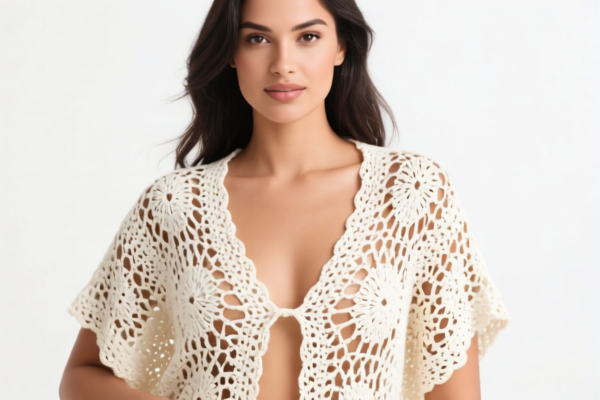


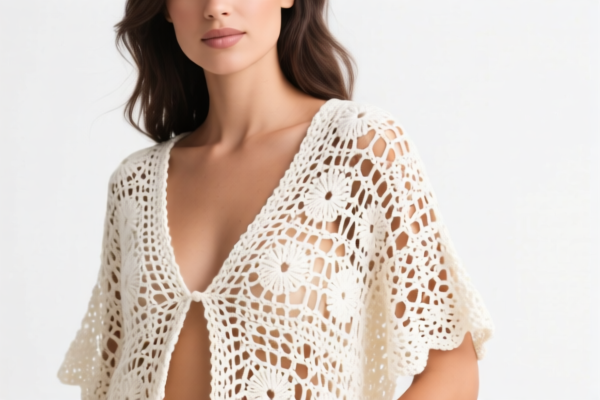
AI Analysis
👗 Women's Crochet & Knit Protective Clothing (Dresses)
🌐 HS Code Reference & Customs Clearance Guide | 2026 Latest Tariff Analysis | Professional Compliance Strategy
📌 I. Product Definition & Classification: Do You Understand "Protective Clothing"?
Women's Protective Clothing in the context of trade statistics (especially for apparel like dresses) typically refers to garments designed for specific use cases, including industrial protection, high-visibility wear, or specialized functional attire. However, in customs classification, the key is NOT the marketing name "protective," but the material, construction method, and intended use.
In international trade, "protective clothing" for women is often classified under Chapter 61 (Knitted/Crocheted) or Chapter 62 (Non-Knitted) based on: 1. Construction Method: Crochet, Knit, or Woven. 2. Material: Synthetic fibers, Artificial fibers, or Cotton. 3. Function: General apparel vs. Specialized protective gear.
⚠️ Critical Distinction:
- If the "protective clothing" is a dress-style garment made via crochet or knitting, it falls under Chapter 61.
- If it is woven (non-knitted/crocheted), it falls under Chapter 62.
- Do NOT assume "protective" implies a special tariff code unless it meets strict ISO/ANSI safety standards for industrial use. Most fashion "protective" dresses are classified as regular women's dresses.
📦 II. HS Code Classification Details (2026 Latest Tariff Alignment)
Based on the provided data, all items are women's dresses made via crochet or knitting. Here is the breakdown by construction and material:
| HS Code | Product Description | Key Classification Criteria | Tax Details |
|---|---|---|---|
6104.42.00.10 |
Crocheted Women's Dresses | Matches "women's," "crocheted," and "dress" elements. Material: Not specified as synthetic/artificial in summary, but likely cotton/blended. | Total Tax: 29.0% • Base: 11.5% • Add'l: 7.5% • Section 301: 10% |
6104.43.20.10 |
Knitted/Crocheted Women's Dresses | Matches form/usage. Material: Synthetic Fibers (e.g., polyester, nylon). | Total Tax: 33.5% • Base: 16.0% • Add'l: 7.5% • Section 301: 10% |
6204.44.40.10 |
Knitted Women's Dresses | Note: This code is listed as "Knitted" despite Chapter 62 usually being woven. Verify with customs: If truly knitted, it should be Ch. 61. However, if classified here, it matches "women's purpose" and "knitted form." | Total Tax: 33.5% • Base: 16.0% • Add'l: 7.5% • Section 301: 10% |
6114.20.00.60 |
Knitted Women's Dresses | Matches "knitted apparel form" and "women's purpose." Material: Likely cotton or unspecified natural fiber. | Total Tax: 28.3% • Base: 10.8% • Add'l: 7.5% • Section 301: 10% |
6114.30.30.70 |
Knitted Women's Dresses | Matches "knitted form" and "women's purpose." Material: Artificial Fibers (e.g., viscose, rayon). | Total Tax: 32.4% • Base: 14.9% • Add'l: 7.5% • Section 301: 10% |
🔍 Key Takeaway:
- The base tax rate varies significantly based on material composition (Cotton < Artificial < Synthetic).
- All codes listed are subject to Section 301 tariffs (10%) and additional duties (7.5%), likely due to trade policies.
- Total tax ranges from 28.3% to 33.5% depending on fiber content.
💰 III. 2026 Latest Tariff Rate Breakdown (Including Additional Taxes)
✅ Applicable Country: United States (US)
✅ Origin: China (CN)
✅ Effective Date: Current trade policies (Section 301 & Additional Duties apply)
🎯 1. 6104.42.00.10 – Crocheted Women's Dresses (General Material)
| Item | Content |
|---|---|
| Base Tariff | 11.5% (ad valorem) |
| Additional Duty | +7.5% |
| Section 301 Duty | +10% |
| Total Effective Rate | 29.0% |
| Calculation | CIF Value × 29.0% |
| De Minimis Eligibility | ❌ No (Section 301 duties apply even to de minimis shipments under recent enforcement) |
| Legal Basis | HTSUS 6104.42.00.10 → Section 301 Footnote |
📌 Explanation:
- This code is for crocheted dresses where the material is not specified as synthetic or artificial.
- Base 11.5% is lower than synthetic/artificial codes.
- Total 29% is high but moderate compared to synthetic options.
🎯 2. 6104.43.20.10 – Knitted/Crocheted Dresses (Synthetic Fibers)
| Item | Content |
|---|---|
| Base Tariff | 16.0% |
| Additional Duty | +7.5% |
| Section 301 Duty | +10% |
| Total Effective Rate | 33.5% |
| Calculation | CIF Value × 33.5% |
| De Minimis Eligibility | ❌ No |
| Legal Basis | HTSUS 6104.43.20.10 → Section 301 Footnote |
📌 Note:
- Synthetic fibers (polyester, acrylic, etc.) attract a higher base rate (16%) than cotton or unspecified materials.
- This is the highest tax rate among the options due to material composition.
🎯 3. 6204.44.40.10 – Knitted Women's Dresses (Chapter 62 Anomaly)
| Item | Content |
|---|---|
| Base Tariff | 16.0% |
| Additional Duty | +7.5% |
| Section 301 Duty | +10% |
| Total Effective Rate | 33.5% |
| Calculation | CIF Value × 33.5% |
| De Minimis Eligibility | ❌ No |
📌 Warning:
- Chapter 62 typically covers non-knitted garments. If the item is knitted, it should technically be in Chapter 61.
- Misclassification here could lead to customs delays or penalties. Verify with a customs broker if the item is truly knitted.
🎯 4. 6114.20.00.60 – Knitted Dresses (Cotton/Natural Fiber)
| Item | Content |
|---|---|
| Base Tariff | 10.8% |
| Additional Duty | +7.5% |
| Section 301 Duty | +10% |
| Total Effective Rate | 28.3% |
| Calculation | CIF Value × 28.3% |
| De Minimis Eligibility | ❌ No |
📌 Advantage:
- Lowest total tax rate (28.3%) among the listed codes.
- Ideal if the dress is made of cotton or natural fibers.
🎯 5. 6114.30.30.70 – Knitted Dresses (Artificial Fibers)
| Item | Content |
|---|---|
| Base Tariff | 14.9% |
| Additional Duty | +7.5% |
| Section 301 Duty | +10% |
| Total Effective Rate | 32.4% |
| Calculation | CIF Value × 32.4% |
| De Minimis Eligibility | ❌ No |
📌 Note:
- Artificial fibers (viscose, rayon) have a base rate of 14.9%, which is higher than cotton (10.8%) but lower than synthetic (16.0%).
🛠️ IV. Customs Clearance Practical Advice (Real-World Pitfall Guide)
✅ 1. Essential Documentation Checklist
| Document | Required | Notes |
|---|---|---|
| ✅ Product Specification Sheet | ✔️ | Must include fiber content (e.g., 100% Cotton, 95% Polyester/5% Spandex). |
| ✅ Construction Details | ✔️ | Specify if Crocheted (hand-made or machine) or Knitted (weft/knit). This determines Chapter 61 vs. 62. |
| ✅ Product Photos | ✔️ | Clear images showing texture (crochet holes vs. knit loops) and labels. |
| ✅ Commercial Invoice | ✔️ | Must explicitly state "Women's Crochet/Knit Dress" and HS Code. |
| ✅ Packing List | ✔️ | Include dimensions, weight, and quantity. |
| ✅ Certificate of Origin | ✔️ | If claiming preferential treatment under USMCA or other FTAs (though unlikely for China-origin goods under Section 301). |
✅ 2. Classification Tips (Key Mnemonics)
🔥 "Crochet Ch. 61, Knit Ch. 61, Woven Ch. 62! Material Matters: Cotton Wins, Synthetics Pay More!"
| Scenario | Correct HS Code Approach | Incorrect Approach |
|---|---|---|
| Hand-Crocheted Dress | 6104.42.00.10 (if cotton/unspecified) or 6104.43.20.10 (if synthetic) |
Misclassify as woven → Chapter 62 |
| Machine-Knit Dress | 6114.20.00.60 (cotton) or 6114.30.30.70 (artificial) |
Misclassify as crochet → Wrong base rate |
| Synthetic Fabric Dress | 6104.43.20.10 or 6104.44.40.10 |
Misclassify as cotton → Audit risk |
| "Protective" Claim | Still classified as apparel unless it meets specific safety standards (e.g., ANSI/ISEA 107 for high-vis) | Claiming "special protective equipment" without certification → Rejection |
✅ 3. Special Considerations
| Scenario | Handling Advice |
|---|---|
| Mixed Materials | If the dress has multiple fibers, classify based on the majority material by weight. Provide a fiber analysis report. |
| Embroidered/Lace Details | Do not separate as "accessories." The entire garment is classified under the dress code. |
| Sample Shipments | Even for samples, Section 301 duties (10%) may apply. De minimis exemptions (Section 321) do NOT apply to Section 301 goods from China. |
| Labeling | Ensure care labels and content labels match the declared HS Code. Discrepancies can lead to seizures. |
🌍 V. Global Market Comparison (2026 Latest)
| Country/Region | Recommended HS Code | Tariff (China Origin) | Certification Requirements | Notes |
|---|---|---|---|---|
| 🇺🇸 USA | 6104.42.00.10 to 6114.30.30.70 |
28.3% – 33.5% (incl. Section 301) | None specific, but accurate labeling required | High tariffs due to trade policies. |
| 🇨🇳 China | 6104.42.00.10 etc. |
9% – 14% (Import Duty) | CCC (if applicable) | Lower base rates, no Section 301. |
| 🇪🇺 EU | 6104.42.00.00 etc. |
12% – 16% | CE (if protective gear), REACH (chemicals) | No Section 301. |
| 🇬🇧 UK | 6104.42.00.00 etc. |
12% – 16% | UKCA marking | Post-Brexit rules apply. |
📌 Conclusion:
- The USA imposes the highest effective tariff (28.3–33.5%) due to Section 301 and additional duties.
- Material composition is the biggest lever for cost optimization: Cotton/Natural fibers (28.3%) are cheaper than Synthetic fibers (33.5%).
📌 VI. Common Mistakes & Pitfalls (Lessons Learned)
❌ Mistake 1: Calling the item "Protective Clothing" to avoid tariffs
👉 Result: If it doesn't meet safety standards, customs will reclassify it as apparel → Tariff applies anyway, plus potential penalties.
❌ Mistake 2: Misidentifying Crochet vs. Knit
👉 Result: Crochet (6104) vs. Knit (6114/6104) can have different base rates. Check the construction method carefully.
❌ Mistake 3: Ignoring Fiber Content
👉 Result: Declaring "Synthetic" when it's "Cotton" can lead to audits, back taxes, and fines. Provide fiber test reports.
❌ Mistake 4: Assuming De Minimis Exemption
👉 Result: Section 301 duties apply to all China-origin goods, even small packages. Plan for full tariff payment.
✅ Correct Practice:
"Women's Crochet Dress, 100% Cotton, Made in China, HS Code: 6104.42.00.10, Total Duty: 29.0%"
🎯 VII. Conclusion: Professional Classification, Cost Efficiency!
🎯 Remember the Mantra:
🔹 "Crochet & Knit: Chapter 61, Material Dictates Cost."
🔹 "Cotton is Cheapest, Synthetics Are Most Expensive."
🔹 "Section 301 Applies, Even for Samples."
🔹 "Protective Claims Need Proof, Otherwise Apparel Rules Apply."
📌 Pro Tip:
- If you are exporting to the USA, consider shifting production to countries not subject to Section 301 tariffs (e.g., Vietnam, Bangladesh) to save 10%.
- For fiber content optimization, choose cotton or natural fibers to reduce the base tariff from 16% to 10.8%.
- Always apply for an Advance Ruling from U.S. Customs if the classification is ambiguous.
📣 Immediate Action:
📞 Contact a licensed customs broker + Provide fiber content proof + Verify construction method
🚀 Ensure your "Protective Clothing" is classified correctly to avoid delays, seizures, or unexpected costs!
✨ Professional clearance starts with precise classification!
💼 Every percentage point matters in international trade!
Customer Reviews
About HS Code Classification
The Harmonized System (HS) is an internationally standardized nomenclature developed by the World Customs Organization (WCO) to classify traded products. Over 200 countries use the HS system as the basis for customs tariffs, trade statistics, and import/export regulations.
Each HS code follows a hierarchical structure:
- Chapter (2 digits) — Broad category of goods (e.g., Chapter 84: Machinery and Mechanical Appliances)
- Heading (4 digits) — More specific grouping within the chapter
- Subheading (6 digits) — Internationally standardized breakdown, used by all WCO member countries
- National subdivisions (8-10 digits) — Country-specific extensions for further classification, such as US HTSUS 10-digit codes
Correct HS code classification is essential for smooth customs clearance, accurate duty payment, and compliance with trade regulations. Misclassification can lead to customs delays, overpayment of duties, or penalties.
When importing from CN to US, the applicable tariff rates may include:
- Most-Favored-Nation (MFN) rate — The standard duty rate applied to WTO members
- General rate — Applied to countries without trade agreements
- Trade remedy duties — Additional tariffs such as Section 301 (anti-dumping), Section 232 (national security), or countervailing duties
The information provided on this page is for reference purposes only. For official classification, please consult with your local customs authority or a licensed customs broker.