Fashion Woven Women's Handbag
CN → US| HS Code | Tariff Rate | Origin | Destination | Doc |
|---|---|---|---|---|
| 4602192920 | 40.3% | CN | US | Official Doc |
| 4602112100 | 41.2% | CN | US | Official Doc |
| 4202224020 | 42.4% | CN | US | Official Doc |
| 4202228980 | 52.6% | CN | US | Official Doc |
Product Images
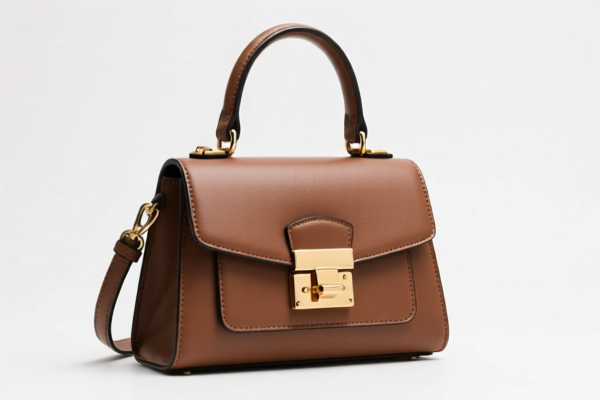
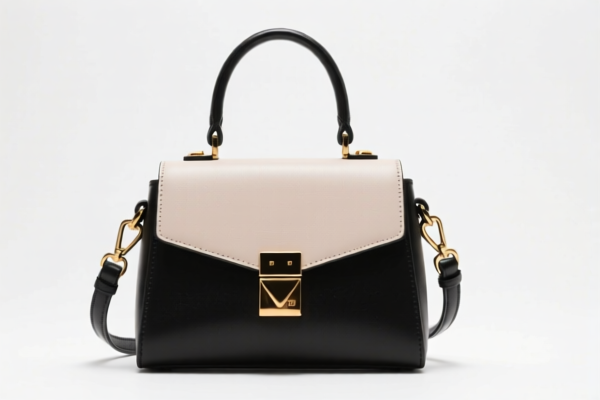
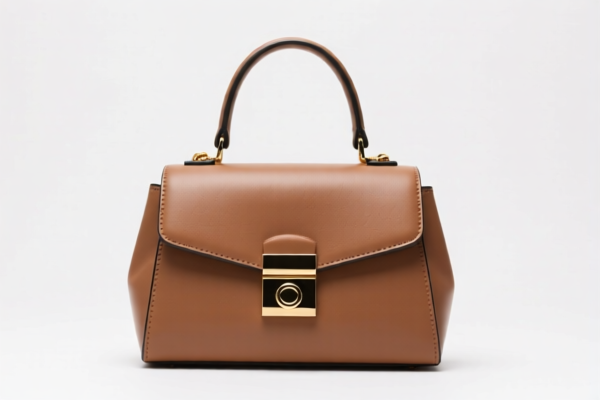
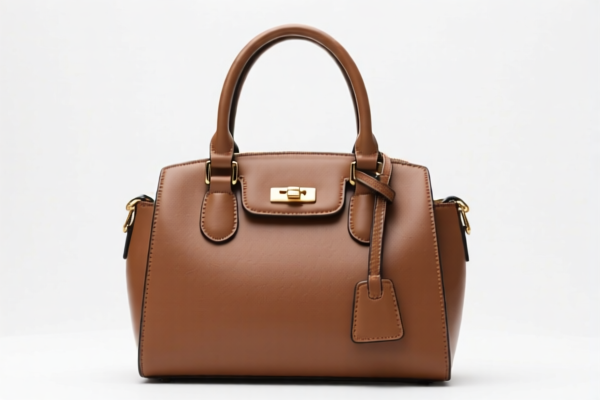
AI Analysis
👜 Fashion Woven Women's Handbag: The Ultimate Customs & Tax Guide (2026 Update)
🌐 HS Code Reference & Clearance Guide | 2026 Latest Tariff Analysis | Professional Clearance Strategy
📌 1. Product Definition & Classification: Do You Really Know a "Woven Handbag"?
A Fashion Woven Women's Handbag is not just a simple bag. In international trade, the HS Code (Harmonized System) is determined by the raw material and the manufacturing method. Even if they look similar, a bamboo bag and a rattan bag can have vastly different tax rates due to specific national trade policies (like Section 301 and Section 122 tariffs).
Key Distinction Points:
- Natural Plant Fibers (Bamboo, Rattan, Cane): Generally fall under Chapter 46 (Woven materials of vegetable materials).
- Textile Materials (Non-Cotton, Non-Paper Yarn): Fall under Chapter 42 (Articles of leather; similar materials).
- Other Vegetable Materials: Broad category for plants not specifically listed elsewhere.
⚠️ Critical Warning:
- Misclassifying a textile woven bag as a plant material bag can lead to severe penalties for incorrect declaration.
- The Total Tax Rate can vary from 40.3% to 52.6% depending on the exact material description.
📦 2. HS Code Classification Details (2026 Latest Tariff Authority对照)
Based on the provided data, here are the four most likely HS Codes for "Fashion Woven Women's Handbags," categorized by material and tax burden.
| HS Code | Product Summary | Material Description | Total Tax Rate |
|---|---|---|---|
4602.19.29.20 |
Woven Handbag | Plant materials (Weaving products, unspecified other plant fibers) | 40.3% |
4602.11.21.00 |
Woven Handbag | Bamboo, Rattan, etc. (Specific vegetable materials) | 41.2% |
4202.22.40.20 |
Woven Handbag | Woven Materials (General classification for woven handbags) | 42.4% |
4202.22.89.80 |
Woven Handbag | Textile Materials (Non-cotton, non-paper yarn) | 52.6% |
🔍 Key Insight:
- Cheapest Option:4602.19.29.20(40.3%) – Best for generic plant fiber bags (e.g., seagrass, straw not specified as bamboo).
- Most Expensive Option:4202.22.89.80(52.6%) – Applies if the bag is made of textile-based weaving (e.g., synthetic ribbons, plastic strips, or non-natural fibers) rather than raw plant stems.
- Bamboo/Rattan Specific:4602.11.21.00(41.2%) – Specific to traditional bamboo or rattan weaving.
💰 3. 2026 Latest Tariff Rate Breakdown (Including Surtaxes & Policy Surcharges)
✅ Applicable Country: United States (US)
✅ Origin: China (CN) (Note: Tariff structures imply US-China trade context with Section 301/122 measures)
✅ Effective Time: Current 2026 Regulations
🎯 1. 4602.19.29.20 —— Woven Handbag (Other Plant Materials)
| Item | Detail |
|---|---|
| Base Tariff | 5.3% |
| Surtax (Section 301) | +25.0% |
| Section 122 Tariff | +10.0% |
| Total Effective Rate | 40.3% |
| Tax Calculation | CIF Value × 40.3% |
| De Minimis Exemption | ❌ Not Applicable (High value goods typically excluded or subject to scrutiny) |
📌 Explanation:
- This code represents general vegetable material weaving.
- The 35.0% additional tax (25% + 10%) significantly impacts profit margins.
- Legal Basis: USITC Footnotes for Chapter 46 combined with USTR Section 301 and Section 122 enforcement lists.
🎯 2. 4602.11.21.00 —— Woven Handbag (Bamboo, Rattan, etc.)
| Item | Detail |
|---|---|
| Base Tariff | 6.2% |
| Surtax (Section 301) | +25.0% |
| Section 122 Tariff | +10.0% |
| Total Effective Rate | 41.2% |
| Tax Calculation | CIF Value × 41.2% |
| De Minimis Exemption | ❌ Not Applicable |
📌 Note:
- Slightly higher base rate (6.2%) than general plant materials.
- Commonly used for traditional Chinese handicrafts.
- Ensure the product is genuinely bamboo or rattan; synthetic imitations must not use this code.
🎯 3. 4202.22.40.20 —— Woven Handbag (General Woven Materials)
| Item | Detail |
|---|---|
| Base Tariff | 7.4% |
| Surtax (Section 301) | +25.0% |
| Section 122 Tariff | +10.0% |
| Total Effective Rate | 42.4% |
| Tax Calculation | CIF Value × 42.4% |
| De Minimis Exemption | ❌ Not Applicable |
📌 Note:
- This is a catch-all for woven handbags under Chapter 42.
- If the material is ambiguous (e.g., mixed natural/synthetic weaving), customs may default to this or Chapter 42.89.
🎯 4. 4202.22.89.80 —— Woven Handbag (Textile Materials)
| Item | Detail |
|---|---|
| Base Tariff | 17.6% |
| Surtax (Section 301) | +25.0% |
| Section 122 Tariff | +10.0% |
| Total Effective Rate | 52.6% |
| Tax Calculation | CIF Value × 52.6% |
| De Minimis Exemption | ❌ Not Applicable |
📌 Warning:
- Highest Tax Burden!
- Applies if the bag is made of textile yarns (e.g., woven plastic strips, synthetic fibers, or fabric weaves).
- Do not use this code for natural plant bags; incorrect classification leads to audits and fines.
🛠️ 4. Clearance Operational Advice (Practical Pitfall Guide)
✅ 1. Required Documentation Checklist
| Document | Mandatory? | Description |
|---|---|---|
| ✅ Product Specification Sheet | ✔️ | Must clearly state raw material composition (e.g., "100% Rattan," "Polyester Woven," "Seagrass"). |
| ✅ Product Photos (Clear View) | ✔️ | Show texture, weave type, and any lining/materials to prove classification. |
| ✅ Commercial Invoice | ✔️ | Description must match HS Code definition (e.g., do not just write "Bag"; write "Woven Handbag, Bamboo"). |
| ✅ Packing List | ✔️ | Ensure quantity and weight match the invoice. |
| ✅ Certificate of Origin (CO) | ✔️ | Crucial for proving China origin to apply correct Section 301/122 tariffs. |
✅ 2. Declaration Tips (Key Mnemonic)
🔥 "Material First, Code Right, Tax Low!"
| Scenario | Correct Declaration | Incorrect Action |
|---|---|---|
| Real Bamboo/Rattan Bag | 4602.11.21.00 |
Declare as "Textile Bag" → 52.6% Tax |
| Plastic/Synthetic Weave | 4202.22.89.80 |
Declare as "Plant Material" → Fraud Risk |
| Straw/Seagrass (Unspecified) | 4602.19.29.20 |
Declare as "Bamboo" → Mismatch Audit |
| Mixed Material (Fabric + Leather) | Check Chapter 42 vs 46 | Avoid vague terms like "Fashion Accessory" |
✅ 3. Special Circumstances Handling
| Situation | Handling Advice |
|---|---|
| OEM Custom Bags | Provide design blueprints and material sample reports. Customs may require a material breakdown. |
| Lined Bags | The outer material determines classification. If the outer shell is woven plant fiber, use Chapter 46, even if the lining is cotton. |
| Set with Accessories | If the bag comes with a detachable strap or pouch, declare as a set under the primary handbag HS Code. Do not split declaration. |
| Sample vs. Bulk | Samples under $800 may qualify for De Minimis (Section 321), but large shipments will face full tariffs. |
🌍 5. Global Market Clearance Comparison (2026 Latest)
| Country/Region | Recommended HS Code | Estimated Tariff (China Origin) | Certification Requirements | Notes |
|---|---|---|---|---|
| 🇺🇸 USA | 4602.11.21.00 or 4202.22.89.80 |
41.2% - 52.6% | None specific for bags | High Tax Risk due to Section 301 & 122. |
| 🇪🇺 EU | 4602.11 or 4202.22 |
0% - 6.5% | CE (if synthetic), No special tariffs | Lower Tax Burden. No Section 301 equivalent. |
| 🇬🇧 UK | 4602.11 or 4202.22 |
0% - 12% | UKCA (if applicable) | Post-Brexit rules apply. Generally lower than US. |
| 🇨🇦 Canada | 4602.11 or 4202.22 |
0% - 6.25% | None specific | Favorable trade agreement with many countries. |
| 🇦🇺 Australia | 4602.11 or 4202.22 |
0% - 5% | None specific | Low tariffs, easy clearance. |
📌 Conclusion:
- USA is the most expensive market for woven handbags due to 35% additional tariffs.
- EU/UK/Australia offer significant cost advantages. Consider diversifying markets or supply chain restructuring (e.g., processing in Vietnam/Mexico) if targeting the US.
📌 6. Common Errors & Pitfall Guide (Lessons Learned)
❌ Error 1: Declaring a synthetic woven bag as Bamboo
👉 Consequence: Customs reclassification → Back taxes + Penalties.
👉 Fix: Provide material test reports if the weave looks like bamboo but is plastic.
❌ Error 2: Ignoring Section 122 in the tariff calculation
👉 Consequence: Underpaying taxes by 10% → Interest and fines.
👉 Fix: Always include Base + 25% + 10% in cost planning for China-origin goods to the US.
❌ Error 3: Vague Product Description ("Woven Bag")
👉 Consequence: Customs officer chooses the highest applicable tariff or delays clearance for inspection.
👉 Fix: Use precise descriptions: "Handbag, woven from dried water hyacinth, cotton lining, Model #123."
❌ Error 4: Splitting Shipment to Avoid Tariffs
👉 Consequence: Anti-circumvention investigations → Blacklisting.
👉 Fix: Declare accurately. Use Free Trade Agreements (FTAs) if sourcing from eligible countries.
✅ Correct Practice:
"Handbag, Woven, Made of Natural Rattan, Outer Shell: Rattan, Lining: Polyester, Size: 30x20x10cm, Brand: [Brand Name], HS Code: 4602.11.21.00"
🎯 7. Conclusion: Professional Declaration, Save Money, Clear Customs Smoothly!
🎯 Remember the Mnemonic:
🔹 "Material Dictates Code, Code Dictates Cost."
🔹 "Bamboo is 41%, Textile is 52%. Don't guess, get it right!"
🔹 "35% Extra Tax for China. Plan Ahead, Or Pay the Price."
📌 Pro Tip:
If your woven handbags are originating from Vietnam, Indonesia, or Mexico, you may qualify for lower or zero tariffs under USMCA or other trade agreements.
Recommendation: Apply for an Advance Ruling (Pre-classification) with US Customs (CBP) to secure the correct HS Code and avoid post-import audits.
📣 Immediate Action Required:
📞 Contact a licensed customs broker + Provide material samples + Apply for HS Code Pre-ruling.
🚀 Ensure your woven handbags clear customs smoothly, maximize profit, and expand globally!
✨ Professional Clearance Starts with Accurate Classification!
💼 Every percentage point of tax savings counts!
Customer Reviews
About HS Code Classification
The Harmonized System (HS) is an internationally standardized nomenclature developed by the World Customs Organization (WCO) to classify traded products. Over 200 countries use the HS system as the basis for customs tariffs, trade statistics, and import/export regulations.
Each HS code follows a hierarchical structure:
- Chapter (2 digits) — Broad category of goods (e.g., Chapter 84: Machinery and Mechanical Appliances)
- Heading (4 digits) — More specific grouping within the chapter
- Subheading (6 digits) — Internationally standardized breakdown, used by all WCO member countries
- National subdivisions (8-10 digits) — Country-specific extensions for further classification, such as US HTSUS 10-digit codes
Correct HS code classification is essential for smooth customs clearance, accurate duty payment, and compliance with trade regulations. Misclassification can lead to customs delays, overpayment of duties, or penalties.
When importing from CN to US, the applicable tariff rates may include:
- Most-Favored-Nation (MFN) rate — The standard duty rate applied to WTO members
- General rate — Applied to countries without trade agreements
- Trade remedy duties — Additional tariffs such as Section 301 (anti-dumping), Section 232 (national security), or countervailing duties
The information provided on this page is for reference purposes only. For official classification, please consult with your local customs authority or a licensed customs broker.