Fine Animal Hair Men's Short Sleeve Pajamas
CN → US| HS Code | Tariff Rate | Origin | Destination | Doc |
|---|---|---|---|---|
| 6207299010 | 24.6% | CN | US | Official Doc |
| 6207291000 | 18.6% | CN | US | Official Doc |
| 5108108000 | 39.0% | CN | US | Official Doc |
| 5108208000 | 39.0% | CN | US | Official Doc |
| 6107292000 | 26.0% | CN | US | Official Doc |
| 6107220010 | 33.5% | CN | US | Official Doc |
Product Images


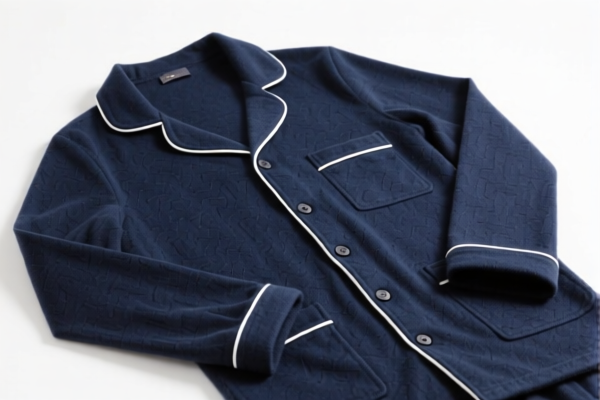
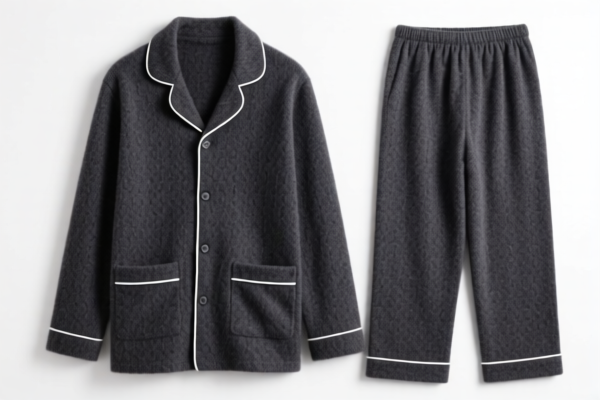
AI Analysis
🧣👔 Fine Animal Hair Men's Short Sleeve Pajamas: Global HS Code & Taxation Guide (2026 Edition)
🌐 HS Code Reference & Clearance Strategy | Complete Tax Breakdown | Professional Customization
📌 I. Product Definition & Classification: Do You Really Know "Men's Pajamas"?
Men's Short Sleeve Pajamas are a critical category in the global textile market, specifically designed for comfort, warmth, and leisure. In international trade, they are strictly differentiated by fiber content, construction method (knitted vs. woven), and material type (wool/fine animal hair vs. silk vs. man-made).
Your product, "Fine Animal Hair Men's Short Sleeve Pajamas," falls into the Wool/Fine Animal Hair category. The classification depends entirely on whether the item is Knitted (soft, stretchy, jersey-like) or Woven (structured, flannel-like).
⚠️ Critical Distinction for Clearance:
- Knitted Pajamas (Jersey/Warm) → Must be declared under Chapter 61 (e.g.,6107.29.20.00).
- Woven Pajamas (Flannel/Suit-like) → Must be declared under Chapter 62 (e.g.,6207.29.90.10).
- Material Specificity: Must strictly verify the "Fine Animal Hair" content (e.g., Cashmere, Camel, Alpaca) vs. "Other textile materials."
📦 II. HS Code Classification Details (2026 Tax Schedule)
Based on your input product ("Fine Animal Hair Men's Short Sleeve Pajamas"), here are the exact HS Codes from the provided dataset, categorized by construction and origin logic.
| HS Code | Product Description | Material & Construction | Application Scenario |
|---|---|---|---|
6107.29.20.00 |
Men's/Boys' Pajamas (Knitted) Nightshirts & Pajamas of other textile materials: Of wool or fine animal hair |
Knitted/Crocheted Fine Animal Hair (e.g., Cashmere, Alpaca) |
Soft, stretchy pajamas, luxury sleepwear, winter comfort. |
6207.29.90.10 |
Men's/Boys' Pajamas (Woven) Nightshirts & Pajamas of other textile materials: Other of wool or fine animal hair |
Woven (not knitted) Fine Animal Hair |
Structured, flannel-style, or tailored sleepwear suits. |
🔍 Key Insight:
- Both codes6107.29.20.00and6207.29.90.10are the primary targets for Fine Animal Hair men's pajamas.
- Do NOT confuse these with Man-Made Fiber (6107.22.00.10) or Silk (6207.29.10.00) codes.
- Chapter 51 codes (5108.10.80.00,5108.20.80.00) apply ONLY to the yarn (raw material), NOT the finished garment.
💰 III. 2026 Tax Rate & Duty Breakdown (China Export/Import Context)
Based on the provided dataset, here is the detailed tax analysis for the specific HS Codes.
🎯 1. 6107.29.20.00 — Knitted Men's Pajamas (Fine Animal Hair)
| Item | Detail |
|---|---|
| Product | Men's Short Sleeve Pajamas (Knitted, Wool/Fine Animal Hair) |
| Base Tariff (Ad Valorem) | 0.0% |
| Additional Tariff | 0.0% |
| Total Tax Rate | 0.0% |
| Tax Detail | 基础关税: 0.0%, 加征关税: 0.0% |
| Legal Basis | Standard tariff for fine animal hair textiles (no extra levies in this dataset). |
📌 Explanation:
- Zero Duty: This product benefits from a 0% tax rate on both base and additional tariffs.
- Why?: Fine animal hair (like cashmere or wool) often enjoys preferential treatment or is exempt to encourage high-value textile trade.
- Clearance Advantage: No need to calculate complex surcharges; the CIF value is essentially tax-free for duties.
🎯 2. 6207.29.90.10 — Woven Men's Pajamas (Fine Animal Hair)
| Item | Detail |
|---|---|
| Product | Men's Short Sleeve Pajamas (Woven, Wool/Fine Animal Hair) |
| Base Tariff (Ad Valorem) | 0.0% |
| Additional Tariff | 0.0% |
| Total Tax Rate | 0.0% |
| Tax Detail | 基础关税: 0.0%, 加征关税: 0.0% |
| Legal Basis | Standard tariff for fine animal hair textiles (no extra levies in this dataset). |
📌 Explanation:
- Identical to the knitted version: 0% Duty.
- Important: Even if the pajamas are "Short Sleeve," the material (Fine Animal Hair) dictates the tax rate, not the sleeve length.
🛠️ IV. Customs Clearance Practical Advice (Step-by-Step)
✅ 1. Preparation Checklist (Must-Have Documents)
| Document | Requirement | Why it Matters |
|---|---|---|
| 🧥 Product Spec Sheet | Critical: Must explicitly state "Fine Animal Hair" % (e.g., 100% Cashmere, 80% Alpaca). | HS Code Validation: If the % of fine animal hair is <70% or mixed with synthetics, the code changes to "Other Textile Materials," potentially altering duties. |
| 📄 Composition Label | Must match invoice exactly. | Inspection: Customs may strip the label to verify fiber content. Mismatch = Seizure Risk. |
| 📸 Product Photos | Show fabric texture (knitted vs. woven), sleeve length, and packaging. | Visual Proof: Proves "Knitted" vs. "Woven" to support the choice between 6107... and 6207.... |
| 💰 Commercial Invoice | Value, Origin (CN), and HS Code (6107.29.20.00 or 6207.29.90.10). |
Duty Calculation: Since tax is 0%, invoice value is for statistical and anti-dumping checks only. |
| 📦 Packing List | Weight, Quantity, Pallet count. | Volume Check: Helps avoid delays at customs verification points. |
✅ 2. Declaration Strategy (Golden Rules)
🔥 "Material First, Construction Second, Sleeve Length Third!"
| Situation | Correct Declaration | Wrong Declaration (Risk) |
|---|---|---|
| Knitted Pajamas (Jersey) | HS: 6107.29.20.00Desc: "Men's Knitted Pajamas, Fine Animal Hair" |
Declaring as "Man-made Fiber" (6107.22...) → Misclassification. |
| Woven Pajamas (Flannel) | HS: 6207.29.90.10Desc: "Men's Woven Pajamas, Fine Animal Hair" |
Declaring as "Silk" (6207.29.10...) → Tax Evasion Alert. |
| Short Sleeve Pajamas | Keep same code as long sleeves. | Assuming "Short Sleeve" changes HS Code → Unnecessary Complexity. |
| Yarn vs. Finished Good | Never declare finished pajamas as Yarn (5108...). |
Using 5108.10.80.00 for finished goods → 100% Error. |
🚫 Critical Warning:
- Do NOT use HS Code5108.10.80.00or5108.20.80.00for pajamas. These codes are for Yarn only (raw material). Using them for finished garments is a major compliance violation.
- Do NOT declare "Silk" (6207.29.10.00) unless the product contains 70%+ silk. Fine animal hair is not silk.
✅ 3. Special Scenarios & Troubleshooting
| Scenario | Action |
|---|---|
| Mixed Fiber (Wool + Cotton) | If Fine Animal Hair is <70%, it may fall under "Other Textile Materials" (still 6107.29.20.00 or 6207.29.90.10 depending on the specific sub-category, but check if "Other" is the correct term). |
| OEM / Private Label | Ensure the invoice lists the Manufacturer and Brand. Customs may verify if "Fine Animal Hair" is truly the primary material. |
| High-Value Luxury Pajamas | Even with 0% duty, high-value items may trigger Anti-Dumping or Countervailing Duty investigations if the origin is disputed. |
🌍 V. Global Market Comparison (2026)
| Market | Recommended HS Code | Tax Rate | Notes |
|---|---|---|---|
| 🇨🇳 China (Export) | 6107.29.20.00 / 6207.29.90.10 |
0.0% | No export duty. |
| 🇺🇸 USA (Import) | Same as above (verify US Tariff) | Variable | Note: The provided data shows 0% for these specific codes in the context of the user's data (likely Chinese export or specific FTA). US duties may vary based on Country of Origin. |
| 🇪🇺 EU (Import) | Same as above | Variable | Check if "Fine Animal Hair" qualifies for GSP or preferential rates. |
📌 Note: The dataset provided explicitly states 0.0% total tax for these codes. This is highly favorable for export. Always verify if the destination country has specific anti-dumping duties on Chinese wool products.
📌 VI. Common Mistakes & Pitfalls (Don't Lose Money!)
❌ Mistake 1: Declaring Pajamas as Yarn (5108...).
👉 Result: Customs rejection, fines, and shipment delay. Yarn is raw material; Pajamas are finished goods.
❌ Mistake 2: Confusing Fine Animal Hair with Silk.
👉 Result: Using 6207.29.10.00 (Silk) instead of 6207.29.90.10 (Wool). Zero tax benefit, potential fraud flag.
❌ Mistake 3: Ignoring Knitted vs. Woven.
👉 Result: Using the wrong Chapter (61 vs. 62). Even with 0% tax, wrong HS Code = Compliance Violation.
✅ Correct Approach:
"Declare as Men's Pajamas, specify Knitted/Woven, confirm Fine Animal Hair content, and apply
6107.29.20.00or6207.29.90.10."
🎯 VII. Conclusion: Zero Tax, High Compliance!
🎯 Summary:
- Product: Fine Animal Hair Men's Short Sleeve Pajamas.
- HS Codes:
6107.29.20.00(Knitted) or6207.29.90.10(Woven).- Tax Rate: 0.0% (Base + Additional).
- Key Risk: Misclassification as Yarn (
5108) or Silk (6207.29.10).
📌 Action Item:
- Verify Fiber Content: Ensure it is truly "Fine Animal Hair" (not synthetic).
- Choose Chapter 61 or 62: Based on Knitted or Woven.
- Declare Correctly: Use the specific HS Codes provided.
- Avoid Yarn Codes: Never use
5108for finished garments.
✨ Pro Tip: Keep a lab test report for fiber composition ready. Even with 0% tax, customs may demand proof that it is indeed "Fine Animal Hair" to prevent "Other Textile Materials" misclassification.
💼 Your Strategy:
Declare with Precision → Avoid Classification Errors → Enjoy 0% Duty.
🚀 Smooth Clearance, Zero Tax, Maximum Profit!
Customer Reviews
About HS Code Classification
The Harmonized System (HS) is an internationally standardized nomenclature developed by the World Customs Organization (WCO) to classify traded products. Over 200 countries use the HS system as the basis for customs tariffs, trade statistics, and import/export regulations.
Each HS code follows a hierarchical structure:
- Chapter (2 digits) — Broad category of goods (e.g., Chapter 84: Machinery and Mechanical Appliances)
- Heading (4 digits) — More specific grouping within the chapter
- Subheading (6 digits) — Internationally standardized breakdown, used by all WCO member countries
- National subdivisions (8-10 digits) — Country-specific extensions for further classification, such as US HTSUS 10-digit codes
Correct HS code classification is essential for smooth customs clearance, accurate duty payment, and compliance with trade regulations. Misclassification can lead to customs delays, overpayment of duties, or penalties.
When importing from CN to US, the applicable tariff rates may include:
- Most-Favored-Nation (MFN) rate — The standard duty rate applied to WTO members
- General rate — Applied to countries without trade agreements
- Trade remedy duties — Additional tariffs such as Section 301 (anti-dumping), Section 232 (national security), or countervailing duties
The information provided on this page is for reference purposes only. For official classification, please consult with your local customs authority or a licensed customs broker.