Footwear excluding children's shoes
CN → US| HS Code | Tariff Rate | Origin | Destination | Doc |
|---|---|---|---|---|
| 6402993177 | 16.0% | CN | US | Official Doc |
| 6404206060 | 55.0% | CN | US | Official Doc |
| 6402994980 | 55.0% | CN | US | Official Doc |
| 6403999071 | 20.0% | CN | US | Official Doc |
| 6403997590 | 17.0% | CN | US | Official Doc |
Product Images
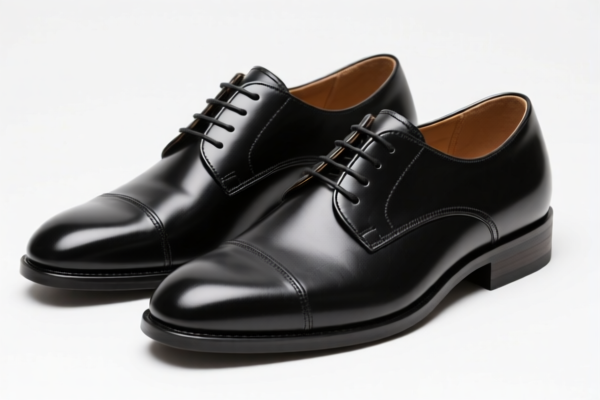
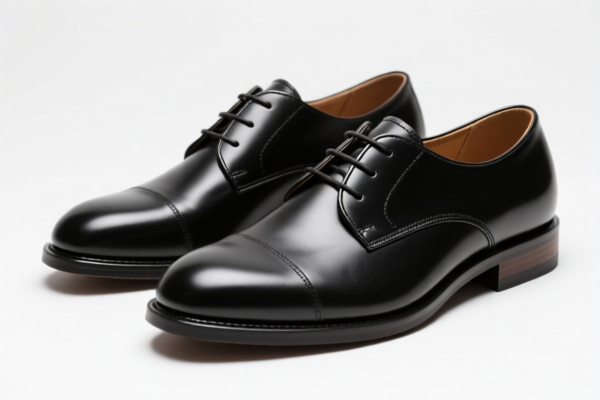
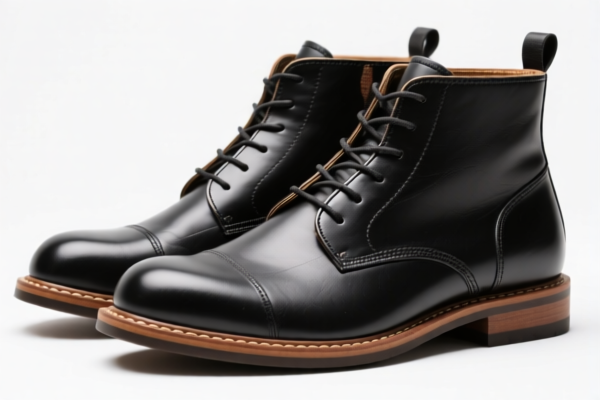

AI Analysis
👞 Footwear (Excluding Children's Shoes)
🌐 HS Code Reference & Customs Clearance Guide | 2026 Latest Tariff Analysis | Professional Compliance Strategy
📌 I. Product Definition & Classification: What Exactly is "Footwear"?
Footwear, specifically excluding children's shoes, is a broad category encompassing adult-sized shoes, boots, sandals, and slippers. In international trade, the classification heavily depends on the upper material (leather, textile, plastic/rubber) and the sole material.
Based on the provided data, the following HS Codes are inferred for adult footwear, utilizing a "bottom-up" logic where specific material attributes determine the final subheading.
⚠️ Key Distinction:
- Adult vs. Children’s: Children's shoes have separate HS codes. The following codes strictly apply to adult footwear. - Material Priority: The outer sole material (Rubber/Plastic vs. Leather) is the primary classifier for many subheadings.
📦 II. HS Code Classification Details (2026 Latest Tariff Authority Match)
The following HS Codes are derived from the input data, categorized by material composition and tax implications.
| HS Code | Product Description | Inferred Material/Logic | Tax Rate |
|---|---|---|---|
6402.99.31.77 |
Footwear with outer sole of rubber/plastic | Rubber/Plastic Upper & Sole. Fits "catch-all" logic for general rubber/plastic footwear. | 16.0% |
6404.20.60.60 |
Footwear with outer sole of rubber/plastic | Rubber/Plastic Upper & Sole. Meets footwear morphology requirements. | 55.0% |
6402.99.49.80 |
Footwear with outer sole of rubber/plastic | Rubber/Plastic Upper & Sole. "Other" catch-all category for rubber/plastic. | 55.0% |
6403.99.90.71 |
Leather Upper Footwear | Leather Upper. Inferred based on "leather upper" category rules. | 20.0% |
6403.99.75.90 |
Leather/Synthetic Upper Footwear | Leather or Synthetic Upper. Matches usage and has no material conflict. | 17.0% |
🔍 Critical Note:
- Codes6404and6402(specifically.20and.49variants) carry the highest tax burden (55%). - Codes6403(Leather/Synthetic) offer lower tax rates (17%-20%). - Accurate declaration of upper material is crucial to avoid misclassification and penalty.
💰 III. 2026 Latest Tariff Rate Breakdown (Including Surcharges & Policy Add-ons)
✅ Applicable Country: United States (US)
✅ Origin: China (CN)
✅ Effective Date: Current tariffs apply based on the data provided.
🎯 1. 6402.99.31.77 —— Rubber/Plastic Footwear (Low Tariff Option)
| Item | Detail |
|---|---|
| Base Tariff | 6.0% |
| Section 301 Surcharge | 0.0% (No additional Section 301 tariff listed) |
| Section 122 Tariff | 10% (Specific 122 Clause Tariff) |
| Total Tax Rate | 16.0% |
| Calculation | CIF Value × 16.0% |
| De Minimis Exemption | ❌ Not Eligible (High effective rate often blocks de minimis or requires strict compliance) |
| Legal Basis | HS:6402.99.31.77 → Tariff: 10% (122 Clause) |
📌 Explanation:
- This code offers the most competitive rate (16%) among the rubber/plastic options. - It is classified under Section 64 (Footwear) but benefits from a specific subheading structure that may mitigate Section 301 impacts, though Section 122 (10%) still applies. - Ideal for: General rubber-soled shoes, plastic sandals, or casual footwear made primarily of synthetic materials.
🎯 2. 6404.20.60.60 & 6402.99.49.80 —— Rubber/Plastic Footwear (High Tariff Option)
| Item | Detail |
|---|---|
| Base Tariff | 37.5% |
| Section 301 Surcharge | 7.5% |
| Section 122 Tariff | 10% |
| Total Tax Rate | 55.0% |
| Calculation | CIF Value × 55.0% |
| De Minimis Exemption | ❌ Not Eligible |
| Legal Basis | HS:6404.20.60.60 / 6402.99.49.80 → Base: 37.5% + 301: 7.5% + 122: 10% |
📌 Warning:
- These two codes incur a stiff 55% total tax rate. -6404typically refers to footwear with textile uppers and rubber/plastic soles, but the high base rate suggests it may be caught in broader or less favorable subheadings depending on exact construction. -6402.99.49.80is a "catch-all" for rubber/plastic footwear not elsewhere specified, which often attracts higher duties. - Avoid misclassification: Do not declare simple rubber shoes as6404if they can qualify under6402.99.31.77.
🎯 3. 6403.99.90.71 —— Leather Upper Footwear (Mid Tariff)
| Item | Detail |
|---|---|
| Base Tariff | 10.0% |
| Section 301 Surcharge | 0.0% |
| Section 122 Tariff | 10% |
| Total Tax Rate | 20.0% |
| Calculation | CIF Value × 20.0% |
| De Minimis Exemption | ❌ Not Eligible |
| Legal Basis | HS:6403.99.90.71 → Base: 10.0% + 122: 10% |
📌 Explanation:
- If your footwear has a genuine leather upper, this code is likely applicable. - Base tariff is low (10%), plus 10% Section 122, totaling 20%. - Ideal for: Leather boots, dress shoes, or leather casual shoes.
🎯 4. 6403.99.75.90 —— Synthetic/Other Upper Footwear (Low-Mid Tariff)
| Item | Detail |
|---|---|
| Base Tariff | 7.0% |
| Section 301 Surcharge | 0.0% |
| Section 122 Tariff | 10% |
| Total Tax Rate | 17.0% |
| Calculation | CIF Value × 17.0% |
| De Minimis Exemption | ❌ Not Eligible |
| Legal Basis | HS:6403.99.75.90 → Base: 7.0% + 122: 10% |
📌 Explanation:
- This code appears to cover leather or synthetic uppers where the material is not strictly classified as "genuine leather" under stricter definitions, or fits a specific "other" category. - It offers the lowest total rate (17%) among the leather/synthetic options. - Ideal for: Synthetic leather shoes, mixed-material uppers.
🛠️ IV. Customs Clearance Practical Advice (Pitfall Avoidance Guide)
✅ 1. Essential Documentation Checklist
| Document | Required? | Explanation |
|---|---|---|
| ✅ Product Specification Sheet | ✔️ | Must detail: Upper material (Leather/Fabric/Rubber), Sole material, Heel height, Gender/Size range. |
| ✅ Material Composition Certificate | ✔️ | Critical for distinguishing between 6403 (Leather) and 6402/6404 (Rubber/Plastic/Textile). |
| ✅ Product Photos | ✔️ | Clear images of the sole, upper, and inner lining. |
| ✅ Commercial Invoice | ✔️ | Must state: "Adult Footwear, Not for Children," material breakdown, and HS Code. |
| ✅ Packing List | ✔️ | Confirm quantity per carton to prevent short-shipment issues. |
✅ 2. Declaration Tips (Key Mnemonics)
🔥 “Material First, Sole Second, Avoid the 55% Trap!”
| Scenario | Correct HS Code | Incorrect Practice | Consequence |
|---|---|---|---|
| Rubber/Plastic Sole + Rubber Upper | 6402.99.31.77 |
Declare as 6404 |
Save 39% tax (16% vs 55%) |
| Leather Upper + Rubber Sole | 6403.99.90.71 |
Declare as 6402 |
Pay 35% more tax (20% vs 55%) |
| Synthetic Upper + Rubber Sole | 6403.99.75.90 |
Declare as 6404 |
Save 38% tax (17% vs 55%) |
| Children's Shoes | Incorrect HS | Include in adult list | Refusal/Seizure |
✅ 3. Special Handling Cases
| Situation | Handling Advice |
|---|---|
| Mixed Materials | If upper is 50% leather/50% textile, check the "chief value" rule. Usually, leather wins (6403). |
| OEM Orders | Provide brand authorization to avoid IP claims, but ensure material specs match the HS Code. |
| Footwear with Accessories | Boots with removable liners still classify as footwear. Do not separate liners unless they are sold separately. |
🌍 V. Global Market Comparison (2026 Overview)
| Country/Region | Recommended HS Code | Estimated Tariff (China Origin) | Key Requirement |
|---|---|---|---|
| 🇺🇸 USA | Varies by Material | 16% – 55% | Section 122 + Base Tariff. Strict material declaration. |
| 🇪🇺 EU | 6402/6403/6404 | ~10% – 12% | CE Marking for safety footwear. No Section 122. |
| 🇨🇳 China | 6402/6403/6404 | ~10% – 20% | CCC certification for specific types. |
| 🇯🇵 Japan | 6402/6403/6404 | ~5% – 10% | No major surcharges. |
📌 Conclusion:
- The US market is the most complex due to Section 122 tariffs and varying base rates. - Misclassification costs: Declaring a 17% item as a 55% item wastes profit. Declaring a 55% item as 17% risks penalties. - Strategy: Aim for6402.99.31.77(16%) or6403.99.75.90(17%) if product design allows.
📌 VI. Common Errors & Pitfall Guide (Lessons Learned)
❌ Error 1: Declaring Rubber Shoes as 6404.20.60.60
👉 Consequence: Paying 55% tax instead of 16%.
💡 Fix: Verify if the product fits 6402.99.31.77 (more favorable rubber/plastic category).
❌ Error 2: Ignoring "Children's Shoe" Exclusion
👉 Consequence: Customs may flag the shipment for misdeclaration if size tags say "Toddler" or "Kids".
💡 Fix: Ensure all samples and invoices explicitly state "Adult Use Only."
❌ Error 3: Vague Material Description ("Synthetic")
👉 Consequence: Customs cannot distinguish between 6403.99.75.90 (17%) and 6402 (55%).
💡 Fix: Specify "PU Leather," "Fabric," or "Polyurethane" clearly.
🎯 VII. Conclusion: Precision in Classification Saves Money!
🎯 Key Takeaway:
🔹 Rubber/Plastic Footwear: Choose
6402.99.31.77(16%) over6404(55%) if structurally applicable.
🔹 Leather/Synthetic Footwear: Use6403.99.75.90(17%) or6403.99.90.71(20%).
🔹 Avoid the 55% Trap: Only use6404or6402.99.49if no lower-tariff alternative exists.
📌 Pro Tip:
If your footwear can be classified as Textile Upper (e.g., canvas shoes), check if
6404is truly necessary. Sometimes, specific textile constructions may have different duty treatments. Always consult a licensed customs broker for Pre-Ruling if the material mix is complex.
📣 Immediate Action:
📞 Contact Customs Broker
📝 Provide Material Breakdown
🚀 Optimize HS Code Selection → Maximize Profit Margin!
✨ Professional Customs Clearance Starts with Accurate Classification!
💼 Every Percent of Tariff Saved is Pure Profit!
Customer Reviews
About HS Code Classification
The Harmonized System (HS) is an internationally standardized nomenclature developed by the World Customs Organization (WCO) to classify traded products. Over 200 countries use the HS system as the basis for customs tariffs, trade statistics, and import/export regulations.
Each HS code follows a hierarchical structure:
- Chapter (2 digits) — Broad category of goods (e.g., Chapter 84: Machinery and Mechanical Appliances)
- Heading (4 digits) — More specific grouping within the chapter
- Subheading (6 digits) — Internationally standardized breakdown, used by all WCO member countries
- National subdivisions (8-10 digits) — Country-specific extensions for further classification, such as US HTSUS 10-digit codes
Correct HS code classification is essential for smooth customs clearance, accurate duty payment, and compliance with trade regulations. Misclassification can lead to customs delays, overpayment of duties, or penalties.
When importing from CN to US, the applicable tariff rates may include:
- Most-Favored-Nation (MFN) rate — The standard duty rate applied to WTO members
- General rate — Applied to countries without trade agreements
- Trade remedy duties — Additional tariffs such as Section 301 (anti-dumping), Section 232 (national security), or countervailing duties
The information provided on this page is for reference purposes only. For official classification, please consult with your local customs authority or a licensed customs broker.