Girls' Artificial Fiber Slim fit Clothing
CN → US| HS Code | Tariff Rate | Origin | Destination | Doc |
|---|---|---|---|---|
| 6208920030 | 33.5% | CN | US | Official Doc |
| 6108229020 | 25.6% | CN | US | Official Doc |
| 6108920015 | 33.5% | CN | US | Official Doc |
| 6104191500 | 17.5% | CN | US | Official Doc |
| 6114303070 | 32.4% | CN | US | Official Doc |
Product Images
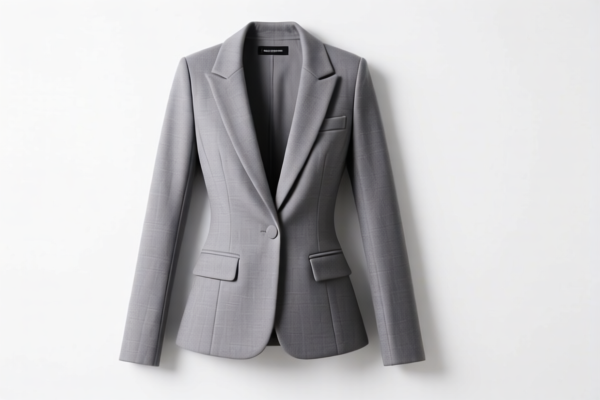

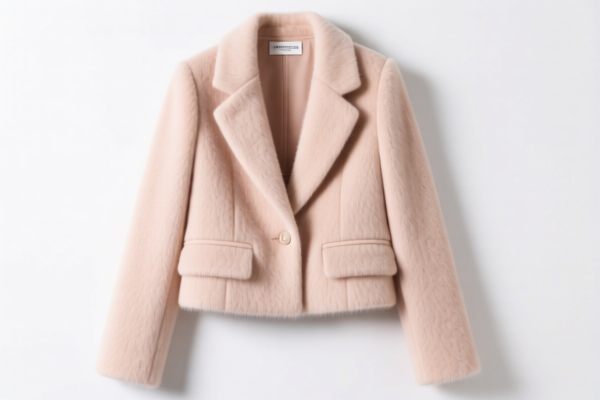

AI Analysis
👗 Girls' Artificial Fiber Slim-Fit Clothing: HS Code Classification & 2026 Tariff Strategy Guide
Unlocking the Perfect HS Code for Women's & Girls' Synthetic Apparel | Avoiding 33.5% Tax Traps | Expert Clearance Strategies
🌐 Executive Summary: What is "Girls' Artificial Fiber Slim-Fit Clothing"?
In the complex world of international trade apparel classification, "Girls' Artificial Fiber Slim-Fit Clothing" is not a single item—it is a category spanning multiple HS Codes depending on the construction method (knitted vs. woven) and specific garment style.
⚠️ Critical Insight:
- Knitted (e.g., t-shirts, sweaters, leggings) → Chapter 61
- Woven (e.g., shirts, trousers, skirts, suits) → Chapter 62
- "Slim-fit" is a style descriptor, not a tax classification criteria, but it often triggers specific "other" sub-categories if the item doesn't fit standard definitions.
Material Definition: "Artificial Fiber" typically refers to Man-made filaments or staples (Polyester, Rayon, Nylon, Viscose, Acrylic). This distinction is crucial as natural fibers (Cotton, Wool) fall under different codes.
📦 I. HS Code Classification Matrix (2026 Data Analysis)
Based on the latest customs data for Artificial Fiber Girls' Slim-Fit Clothing, here are the four primary classification paths. Note: The total tax rate varies significantly (17.5% – 33.5%) based on the specific HS Code chosen.
| HS Code | Classification Type | Product Description & Logic | Total Tax Rate |
|---|---|---|---|
| 6208.92.00.30 | Woven (Non-Knitted) | "Other" Woven Artificial Fiber Garments • Summary: Woven, artificial fiber, female, slim-fit. • Logic: Used when the item is woven but doesn't fit standard categories like "Tops" or "Dresses" (falls under "Other"). |
33.5% |
| 6108.22.90.20 | Knitted (Sleep/Underwear) | Knitted/Pullover Artificial Fiber Garments • Summary: Knitted/crocheted, artificial fiber, female. • Logic: Applies to sleepwear, nightgowns, or undergarments made of synthetic fibers. |
25.6% |
| 6108.92.00.15 | Knitted (General/Other) | Knitted/Crocheted "Other" Female Garments • Summary: Knitted/crocheted, artificial fiber, female. • Logic: A "catch-all" for knitted items that don't fit specific sub-codes, often used for slim-fit synthetic blends. |
33.5% |
| 6104.19.15.00 | Knitted (Dresses/Suits) | Knitted Female Dresses or Suits (Other) • Summary: Knitted, female, slim-fit, artificial fiber. • Logic: Specifically for dresses or suits made of artificial fibers. |
17.5% |
| 6114.30.30.70 | Knitted (Other/Leisure) | Knitted "Other" Garments (Leisure/General) • Summary: Knitted, artificial fiber, female, general/leisure wear. • Logic: For casual, slim-fit synthetic items not covered by specific dress/suit codes. |
32.4% |
📌 Key Takeaway:
The 17.5% rate (6104.19.15.00) is the lowest possible tariff in this dataset. If your product is a dress or suit, aim for this code. If it's a generic top or bottom, you will likely face 32.4% – 33.5%.
💰 II. 2026 Tariff Breakdown & Detailed Tax Logic
The total tax rate is a compound of three distinct layers. Understanding this is vital for cost calculation.
🏷️ Tax Structure Formula
Total Tax = Base Tariff + Section 232/Trade War Add-on + Section 122 (China-Specific)
🔍 Scenario A: High Tax Zone (33.5%)
Applies to: 6208.92.00.30 & 6108.92.00.15
| Tax Component | Rate | Legal Basis | Explanation |
| :--- | :--- | :--- | :--- |
| Base Tariff | 16.0% | Most Favored Nation (MFN) | Standard duty for artificial fiber garments. |
| Section 232 / Trade War | +7.5% | USITC / Section 301 | Additional duty imposed on Chinese imports. |
| Section 122 (Special) | +10.0% | Executive Order 13936 (approx.) | Specific additional tariff for synthetic/fiber products from China. |
| TOTAL | 33.5% | | High Cost Category |
🔍 Scenario B: Medium Tax Zone (32.4%)
Applies to: 6114.30.30.70
| Tax Component | Rate | Legal Basis | Explanation |
| :--- | :--- | :--- | :--- |
| Base Tariff | 14.9% | MFN | Slightly lower base for "Other" knitted items. |
| Section 232 / Trade War | +7.5% | USITC | Trade War add-on applies uniformly. |
| Section 122 (Special) | +10.0% | EO 13936 | China-specific add-on. |
| TOTAL | 32.4% | | High Cost Category |
🔍 Scenario C: Low Tax Zone (25.6%)
Applies to: 6108.22.90.20 (Sleepwear/Underwear)
| Tax Component | Rate | Legal Basis | Explanation |
| :--- | :--- | :--- | :--- |
| Base Tariff | 15.6% | MFN | Standard duty for specific under/sleep categories. |
| Section 232 / Trade War | 0.0% | Exempt | Note: Some specific sleepwear items are exempt from the 7.5% add-on. |
| Section 122 (Special) | +10.0% | EO 13936 | China-specific add-on. |
| TOTAL | 25.6% | | Medium Cost Category |
🔍 Scenario D: Lowest Tax Zone (17.5%)
Applies to: 6104.19.15.00 (Knitted Dresses/Suits)
| Tax Component | Rate | Legal Basis | Explanation |
| :--- | :--- | :--- | :--- |
| Base Tariff | 0.0% | Exempt | Note: Certain knitted dress/suit sub-categories may have 0% base duty. |
| Section 232 / Trade War | +7.5% | USITC | Trade War add-on applies. |
| Section 122 (Special) | +10.0% | EO 13936 | China-specific add-on. |
| TOTAL | 17.5% | | Lowest Cost Category |
🛠️ III. Clearance & Operational Strategy (Action Plan)
✅ Step 1: Pre-Shipment Classification Check
Before shipping, verify the fabric construction:
- Is it Knitted? (Stretchy, looped stitches) → Check 61xx codes.
- Is it Woven? (Firm, straight stitches, no stretch) → Check 62xx codes.
- Is it a Dress/Suit? → Prioritize 6104.19.15.00 (17.5% tax).
- Is it Sleepwear/Underwear? → Prioritize 6108.22.90.20 (25.6% tax).
- Is it a generic top/bottom? → Expect 33.5% (6208 or 6108).
✅ Step 2: Documentation Requirements (The "Must-Haves")
To avoid delays and ensure the correct tax rate is applied: 1. Detailed Composition Sheet: Must specify % of "Artificial Fiber" vs. other materials. (e.g., 95% Polyester, 5% Spandex). 2. Construction Photo: High-res images showing knitted loops vs. woven weave. This is the primary evidence for Chapter 61 vs. 62. 3. Style Reference: Provide a "lookbook" or catalog image showing the "Slim-fit" nature to match the description. 4. Origin Certificate: Prove origin is China to apply the Section 122 tariff logic correctly (or qualify for exemptions if applicable). 5. Labeling: Ensure hangtags state "Made in China" and fiber content clearly.
✅ Step 3: Cost Optimization Tips
| Strategy | Action | Impact |
|---|---|---|
| Product Redesign | Shift generic tops to Dress/Suit style | Reduces tax from 33.5% → 17.5% (Savings: 16%) |
| Material Mix | If possible, use Sleepwear style | Reduces tax from 33.5% → 25.6% (Savings: 7.9%) |
| Exemption Check | Verify if product qualifies for Section 122 exclusion | Potential 10% saving (if eligible) |
| De Minimis | ⚠️ Warning: Apparel is generally NOT eligible for de minimis ($800) exemption in the US. | Full tax applies. |
🚨 IV. Common Pitfalls & Risk Mitigation
| ❌ Risk | ⚠️ Consequence | 🛡️ Solution |
|---|---|---|
| Misidentifying Knit vs. Woven | Customs reclassifies to 6208 (33.5%) instead of 61xx | Send microscope photos of the fabric weave to your broker before shipment. |
| Ambiguous "Slim-fit" Description | Broker may classify as "Other" (33.5%) | Use specific terms like "Knitted Dress" or "Knitted Suit" in commercial invoice. |
| Ignoring Section 122 | Unexpected 10% surcharge | Verify the latest EO 13936 list for fiber-specific exclusions. |
| Overlooking "Sleepwear" Category | Missing the 25.6% rate opportunity | If the item is loose-fitting or for sleeping, claim 6108.22.90.20. |
| Inconsistent Fiber Content | Duty rate adjustment if "Artificial" is not 100% | Ensure HS Code matches the dominant fiber percentage. |
🌍 V. Strategic Conclusion
For Girls' Artificial Fiber Slim-Fit Clothing, the 17.5% tariff (6104.19.15.00) is the gold standard for cost efficiency, but it requires the product to be a Knitted Dress or Suit.
If the product is a Woven garment or a Knitted Top, expect the 33.5% rate due to the combination of Base Tariff (16%), Trade War Add-on (7.5%), and Section 122 (10%).
Final Pro Tip:
Do not assume "Slim-fit" lowers taxes. It is a style, not a tax code. Focus on Chapter 61 vs. 62 and Garment Type (Dress vs. Top) to minimize duties.
Always request a Binding Ruling from Customs if the classification is ambiguous before shipping high-value cargo.
Disclaimer: Tariff rates are subject to change based on U.S. Customs and Border Protection (CBP) announcements. This guide is based on 2026 data projections and specific dataset inputs provided. Always consult a licensed Customs Broker for final classification.
Customer Reviews
About HS Code Classification
The Harmonized System (HS) is an internationally standardized nomenclature developed by the World Customs Organization (WCO) to classify traded products. Over 200 countries use the HS system as the basis for customs tariffs, trade statistics, and import/export regulations.
Each HS code follows a hierarchical structure:
- Chapter (2 digits) — Broad category of goods (e.g., Chapter 84: Machinery and Mechanical Appliances)
- Heading (4 digits) — More specific grouping within the chapter
- Subheading (6 digits) — Internationally standardized breakdown, used by all WCO member countries
- National subdivisions (8-10 digits) — Country-specific extensions for further classification, such as US HTSUS 10-digit codes
Correct HS code classification is essential for smooth customs clearance, accurate duty payment, and compliance with trade regulations. Misclassification can lead to customs delays, overpayment of duties, or penalties.
When importing from CN to US, the applicable tariff rates may include:
- Most-Favored-Nation (MFN) rate — The standard duty rate applied to WTO members
- General rate — Applied to countries without trade agreements
- Trade remedy duties — Additional tariffs such as Section 301 (anti-dumping), Section 232 (national security), or countervailing duties
The information provided on this page is for reference purposes only. For official classification, please consult with your local customs authority or a licensed customs broker.