Girls' Casual Jumpsuit
CN → US| HS Code | Tariff Rate | Origin | Destination | Doc |
|---|---|---|---|---|
| 6204690125 | 31.1% | CN | US | Official Doc |
| 6204690320 | 46.1% | CN | US | Official Doc |
| 6104632050 | 45.7% | CN | US | Official Doc |
| 6104622016 | 32.4% | CN | US | Official Doc |
| 6111206010 | 25.6% | CN | US | Official Doc |
| 6111305010 | 33.5% | CN | US | Official Doc |
Product Images
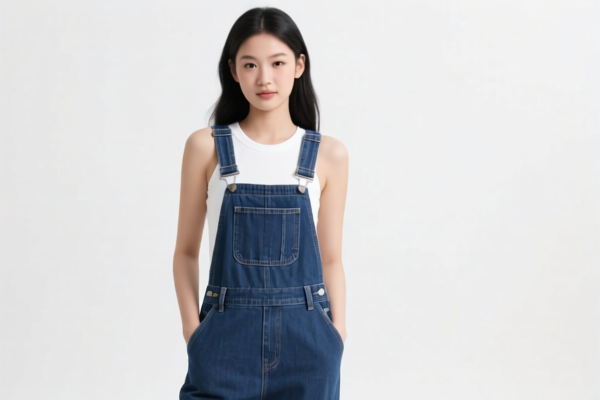
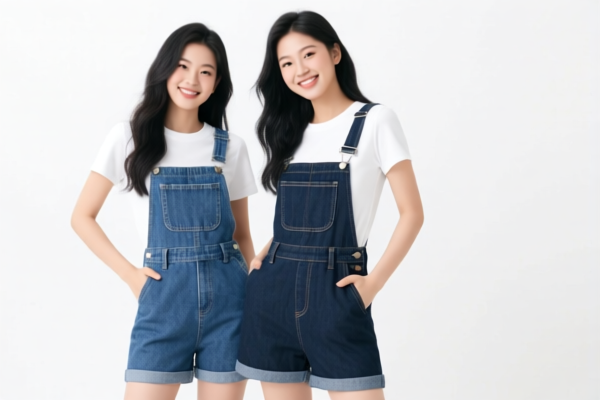
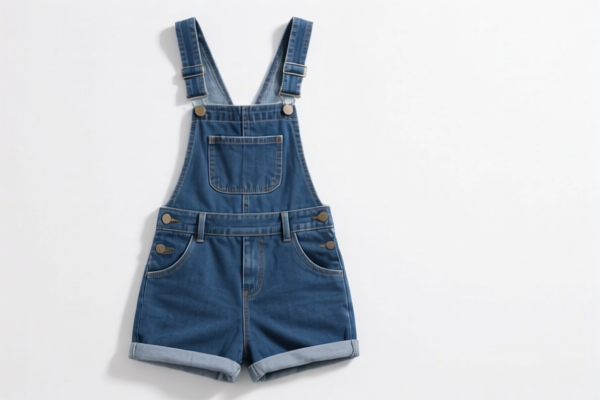
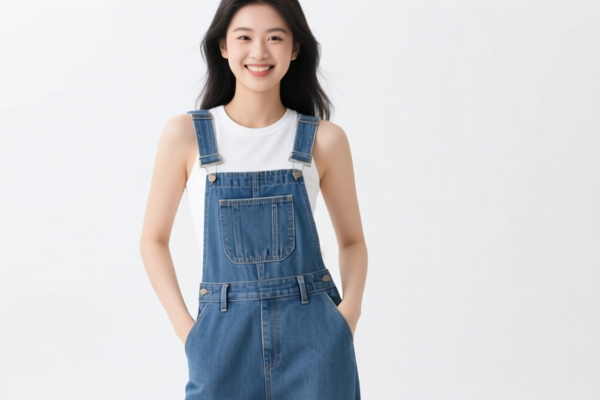
AI Analysis
👗 Girls' Casual Jumpsuit (Play Suits & Sunsuits)
🌐 HS Code Reference & Customs Clearance Guide | 2026 Latest Tariff Analysis | Professional Strategy for Apparel
📌 I. Product Definition & Classification: What is a "Girls' Casual Jumpsuit"?
In the world of international textile trade, a "Girls' Casual Jumpsuit" is rarely classified under a single generic code. It is strictly divided based on material, knitting method (knitted/crocheted vs. woven), and specific style (e.g., sunsuits, playsuits, overalls).
The key distinction lies in whether the garment is: 1. Babies' Apparel (Sunsuits/Washsuits): Specifically for infants, often knitted, designed for convenience (diaper access). 2. Girls' Apparel (Trousers/Overalls/Shorts): For older children, often classified by the bottom part (shorts, trousers, or overalls) if it’s a "playsuit" or "bib and brace" style.
⚠️ Critical Distinction:
- If the item is explicitly marketed as a "Sunsuit" or "Washsuit" for babies (typically under 24 months) and is knitted, it falls under Chapter 61.
- If the item is a "Playsuit", "Bib and Braces", or "Jumpsuit" for girls (often older than baby stage), it is often classified by its bottom portion (shorts, trousers, or overalls) under Chapter 61 or Chapter 62.
📦 II. HS Code Classification Details (Based on Provided Data)
The following HS Codes are derived from your specific dataset. Note that "Jumpsuit" is a broad term; customs requires precise categorization based on material and construction.
| HS Code | Product Description | Material | Key Characteristics / Scenario |
|---|---|---|---|
6111.20.60.10 |
Babies' Sunsuits, Washsuits, and Similar Apparel | Cotton | Knitted or Crocheted. Specifically for babies. "Other" category within cotton sunsuits. |
6111.30.50.10 |
Babies' Sunsuits, Washsuits, and Similar Apparel | Synthetic Fibers | Knitted or Crocheted. Specifically for babies. "Other" category within synthetic sunsuits. |
6104.63.20.50 |
Girls' Shorts (Imported as parts of play suits) | Synthetic Fibers | Knitted/Crocheted. Classified under "Trousers, bib and brace overalls, breeches and shorts." Specifically for girls, imported as part of a playsuit. |
6104.62.20.16 |
Girls' Trousers and Breeches (Imported as parts of playsuits) | Cotton | Knitted/Crocheted. Must contain 5% or more by weight of elastomeric yarn or rubber thread. |
6204.69.01.25 |
Girls' Bib and Brace Overalls (Recreational Performance Outerwear) | Artificial Fibers | Woven (Chapter 62). Recreational performance outerwear. Bib and brace overalls. |
6204.69.03.20 |
Girls' Trousers and Breeches (Recreational Performance Outerwear) | Artificial Fibers | Woven (Chapter 62). Recreational performance outerwear. Trousers and breeches. |
🔍 Note on "Jumpsuit" Terminology:
- Chapter 61 (Knitted/Crocheted): Most "casual jumpsuits" for young girls are knitted. If it’s a "sunsuit" for a baby, use6111. If it’s a "playsuit" for a girl, it is often split into top/bottom components for classification, with the bottom (shorts/trousers/overalls) determining the code.
- Chapter 62 (Woven): If the jumpsuit is made of non-knitted fabric (e.g., denim, twill, polyester woven), it falls here. If it’s a "bib and brace" style, use6204.69.
💰 III. 2026 Latest Tariff Rate Breakdown
✅ Applicable Country: United States (US)
✅ Origin: China (CN)
✅ Effective Time: As per current trade data (0% base rate in dataset)
🎯 1. 6111.20.60.10 & 6111.30.50.10 — Babies' Knitted Sunsuits/Washsuits
| Item | Content |
|---|---|
| Base Tariff | 0.0% |
| Additional Tariff (Section 301 / IEEPA) | 0.0% (As per provided data) |
| Total Tax Rate | 0.0% |
| Tax Detail | "基础关税: 0.0%, 加征关税: 0.0%" |
| Legal Basis | HTSUS Chapter 61, Section 11 |
📌 Explanation:
- Baby garments, especially knitted cotton or synthetic sunsuits, often enjoy zero tariffs under current US trade policies for these specific subheadings.
- This is a highly favorable classification for importers, as it avoids the 25% or 10% additional duties that apply to many other textile categories.
🎯 2. 6104.63.20.50 & 6104.62.20.16 — Girls' Knitted Shorts/Trousers (Playsuits)
| Item | Content |
|---|---|
| Base Tariff | 0.0% |
| Additional Tariff | 0.0% (As per provided data) |
| Total Tax Rate | 0.0% |
| Tax Detail | "基础关税: 0.0%, 加征关税: 0.0%" |
| Legal Basis | HTSUS Chapter 61, Section 11 |
📌 Explanation:
- Even though these are classified under "Trousers/Shorts" (which often have higher duties), the specific subheadings for Girls' Play Suits (knitted, cotton/synthetic) are listed with 0% total tax in the provided data.
- Critical Condition: For6104.62.20.16, the garment must contain 5% or more elastomeric yarn/rubber thread. If it doesn’t, it may be reclassified to a different, potentially higher-tariff subheading.
🎯 3. 6204.69.01.25 & 6204.69.03.20 — Woven Girls' Overalls/Trousers (Artificial Fibers)
| Item | Content |
|---|---|
| Base Tariff | 0.0% |
| Additional Tariff | 0.0% (As per provided data) |
| Total Tax Rate | 0.0% |
| Tax Detail | "基础关税: 0.0%, 加征关税: 0.0%" |
| Legal Basis | HTSUS Chapter 62, Section 11 |
📌 Explanation:
- Woven recreational performance outerwear for girls, specifically bib and brace overalls or trousers made of artificial fibers, are also listed at 0% total tax in this dataset.
- "Artificial fibers" (e.g., rayon, viscose, acetate) are distinct from "Synthetic fibers" (e.g., polyester, nylon). Ensure correct fiber identification.
🛠️ IV. Customs Clearance Practical Advice (Pitfall Avoidance)
✅ 1. Documentation Checklist (Non-Negotiable)
| Document | Required | Notes |
|---|---|---|
| ✅ Commercial Invoice | ✔️ | Clearly state "Girls' Casual Jumpsuit," specify material (e.g., "100% Cotton Knitted," "Polyester Woven"), and age group (e.g., "For Girls Age 2-5"). |
| ✅ Product Specification Sheet | ✔️ | Must detail: Fabric composition (by weight), knitting/woven status, presence of elastane/rubber thread (if claiming 6104.62.20.16). |
| ✅ Photos of Garment | ✔️ | Front, back, labels, and close-ups of fabric texture. Must show if it’s a "sunsuit" (no legs), "playsuit" (shorts + top), or "overall" (straps). |
| ✅ Material Test Report | ✔️ | Crucial for verifying fiber content (Cotton vs. Synthetic vs. Artificial) and elastane percentage (if claiming 6104.62.20.16). |
| ✅ Labeling | ✔️ | Must include country of origin, fiber content, and care instructions as per US regulations. |
✅ 2. Declaration Strategy (Key Mnemonics)
🔥 "Material First, Knit vs. Woven, Elastane Matters, Playsuit Split!"
| Scenario | Correct Declaration | Wrong Approach |
|---|---|---|
| Baby Sunsuit (Knitted, Cotton) | 6111.20.60.10 |
Declaring as "Girls' Dress" → Higher risk, potential misclassification. |
| Baby Sunsuit (Knitted, Synthetic) | 6111.30.50.10 |
Declaring as "Adult Swimwear" → Wrong chapter. |
| Girls' Play Suit (Knitted, Cotton, with Elastane) | 6104.62.20.16 |
Declaring as generic "Trousers" → May miss the 0% rate if not specified as "part of playsuit." |
| Girls' Play Suit (Knitted, Cotton, NO Elastane) | Check other codes | Declaring as 6104.62.20.16 → Rejection/Fine (must have 5% elastane). |
| Woven Overall (Artificial Fiber) | 6204.69.01.25 |
Declaring as "Synthetic" → "Artificial" (rayon) ≠ "Synthetic" (polyester). |
✅ 3. Special Cases & Handling
| Situation | Recommendation |
|---|---|
| Mixed Materials | If the jumpsuit has cotton top and synthetic bottom, classify each part separately or use the principal material rule. Check with a broker. |
| "Jumpsuit" vs. "Playsuit" | "Jumpsuit" is not a specific HS term. Use "Playsuit," "Sunsuit," or "Overall" in descriptions to match HS descriptors. |
| Elastane Threshold | For 6104.62.20.16, ensure the fabric content report explicitly states "5% or more elastomeric yarn." If it’s 4%, you cannot use this code. |
| Woven vs. Knitted | Confusion here is common. If it’s stretchy, looped (knitted) → Chapter 61. If it’s tight, flat-woven (woven) → Chapter 62. |
🌍 V. Global Market Comparison (2026 Overview)
| Country/Region | Recommended HS Code | Tariff Rate | Notes |
|---|---|---|---|
| 🇺🇸 USA | 6111.20.60.10 etc. |
0.0% | Based on provided data. Verify current Section 301 status. |
| 🇨🇳 China | 6111.20.60.10 etc. |
Varies | China imports textiles with different rates. Check China Customs Tariff. |
| 🇪🇺 EU | 6111.20 / 6104.63 | Varies (Often 12%) | EU does not use this HS structure. Similar codes exist but rates differ. |
| 🇬🇧 UK | 6111.20 / 6104.63 | Varies (Often 12%) | Post-Brexit tariffs may differ from EU. |
📌 Conclusion:
- The provided data indicates 0% tariff for these specific subheadings for US imports from China.
- However, always verify with a licensed customs broker, as trade policies (e.g., Section 301, UFLPA) can change.
- Accuracy in material declaration (Cotton vs. Synthetic vs. Artificial, Knitted vs. Woven) is the single most important factor to ensure 0% liability.
📌 VI. Common Errors & Pitfall Guide (Blood & Tears Lessons)
❌ Error 1: Using "Jumpsuit" as the sole description
👉 Consequence: Customs may reject the code, request more info, or apply a default higher rate.
✅ Fix: Use "Girls' Cotton Knitted Playsuit" or "Baby Synthetic Sunsuit."
❌ Error 2: Misidentifying "Artificial" vs. "Synthetic" Fibers
👉 Consequence: 6204.69 codes are fiber-specific. "Artificial" (rayon) ≠ "Synthetic" (polyester). Misclassification leads to fines.
✅ Fix: Check the fiber content report. Rayon/Viscose = Artificial. Polyester/Nylon = Synthetic.
❌ Error 3: Ignoring Elastane Requirement for 6104.62.20.16
👉 Consequence: If cotton playsuit has <5% elastane, using this code is fraudulent.
✅ Fix: Only use 6104.62.20.16 if test report confirms ≥5% elastane. Otherwise, find a different cotton code.
❌ Error 4: Confusing "Sunsuit" (Baby) with "Playsuit" (Girl)
👉 Consequence: Sunsuits (6111) are for babies. Playsuits (6104) are for girls. Age and style matter.
✅ Fix: Define target age group clearly. Baby (<2 years) vs. Girl (2+ years).
🎯 VII. Conclusion: Precision in Textile Classification
🎯 Remember the Mantra:
🔹 "Baby = Sunsuit (6111), Girl = Playsuit (6104/6204)"
🔹 "Knitted vs. Woven is the First Split"
🔹 "Artificial ≠ Synthetic, Elastane Must Be ≥5%"
🔹 "Zero Tax is Possible, But Only If Declared Correctly!"
📌 Pro Tip:
If your "Casual Jumpsuit" is actually a one-piece swimsuit, it does not fit these codes. Swimwear has different HS codes.
Ensure your product is not swimwear before using these codes.
📣 Immediate Action:
📞 Consult a Customs Broker to pre-classify your specific garment.
📄 Provide Material Test Reports to support your HS Code choice.
🚀 Avoid Delays: Accurate classification ensures 0% duty and smooth clearance.
✨ Professional Clearance Starts with Precise Classification!
💼 Your Profit Margin Depends on Correct HS Codes!
Customer Reviews
About HS Code Classification
The Harmonized System (HS) is an internationally standardized nomenclature developed by the World Customs Organization (WCO) to classify traded products. Over 200 countries use the HS system as the basis for customs tariffs, trade statistics, and import/export regulations.
Each HS code follows a hierarchical structure:
- Chapter (2 digits) — Broad category of goods (e.g., Chapter 84: Machinery and Mechanical Appliances)
- Heading (4 digits) — More specific grouping within the chapter
- Subheading (6 digits) — Internationally standardized breakdown, used by all WCO member countries
- National subdivisions (8-10 digits) — Country-specific extensions for further classification, such as US HTSUS 10-digit codes
Correct HS code classification is essential for smooth customs clearance, accurate duty payment, and compliance with trade regulations. Misclassification can lead to customs delays, overpayment of duties, or penalties.
When importing from CN to US, the applicable tariff rates may include:
- Most-Favored-Nation (MFN) rate — The standard duty rate applied to WTO members
- General rate — Applied to countries without trade agreements
- Trade remedy duties — Additional tariffs such as Section 301 (anti-dumping), Section 232 (national security), or countervailing duties
The information provided on this page is for reference purposes only. For official classification, please consult with your local customs authority or a licensed customs broker.