Girls' Casual Overcoats of Other Textile Materials
CN → US| HS Code | Tariff Rate | Origin | Destination | Doc |
|---|---|---|---|---|
| 6104392090 | 17.5% | CN | US | Official Doc |
| 6202902920 | 20.3% | CN | US | Official Doc |
| 6202902960 | 20.3% | CN | US | Official Doc |
| 6104292012 | 0.0% | CN | US | Official Doc |
| 6104292012 | 0.0% | CN | US | Official Doc |
Product Images

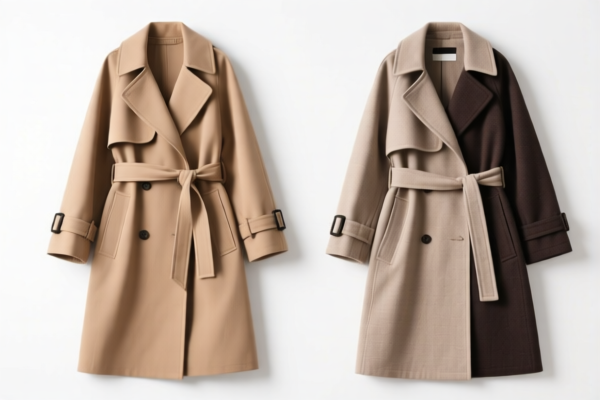
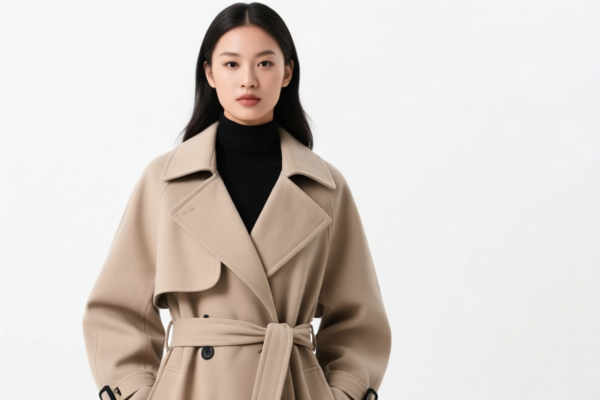
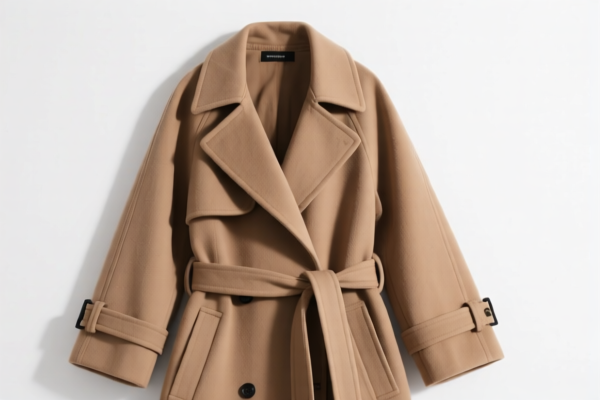
AI Analysis
👗 Girls' Casual Overcoats of Other Textile Materials (Non-Weaving & Knit)
🌐 HS Code Reference & Clearance Guide | 2026 Latest Tariff Analysis | Professional Customs Strategy
📌 I. Product Definition & Classification: Do You Understand "Girls' Overcoats"?
Girls' casual overcoats made of "other textile materials" fall into a complex crossroads of knitted vs. non-knitted structures. The material composition (non-silk, non-wool, synthetic, etc.) determines the HS Code, but the manufacturing process (Knitted vs. Woven) is the decisive factor for tariff rates.
In international trade, these are split into two primary categories:
🧵 Knitted Overcoats (Chapter 61):
Soft, stretchy fabrics (jersey, fleece, knitted wool-blends) often produced by knitting machines.
Key Indicator: Fabric has loops, stretches significantly, and is labeled as "Knitted" or "Crocheted."
✂️ Non-Knitted Overcoats (Chapter 62):
Stiffer, structured fabrics (woven polyester, cotton blends, other textiles) produced by weaving.
Key Indicator: Fabric is woven, holds shape, and is labeled as "Woven" or "Non-Knitted."
⚠️ Critical Differentiation Point:
- If the fabric is Knitted → Must fall under Chapter 61 (e.g.,6104.29.20.12,6104.39.20.90).
- If the fabric is Woven → Must fall under Chapter 62 (e.g.,6202.90.29.20,6202.90.29.60).
- Mistake Alert: Misclassifying a Woven coat as Knitted (or vice versa) leads to severe duty discrepancies and customs penalties.
📦 II. HS Code Classification Details (2026 Latest Tariff Authority)
Based on the latest customs data for Girls' Casual Overcoats of Other Textile Materials:
| HS Code | Product Description | Applicable Scenario | Fabric Structure | Material Constraints |
|---|---|---|---|---|
6104.39.20.90 |
Knitted/Crocheted Overcoat, Other Textile Materials | Girls' winter coats, fleece, soft knitted fabrics | ✅ Knitted | Other textiles (Non-silk, Non-wool specific) |
6104.29.20.12 |
Knitted/Crocheted Ensemble/Coat, Other Textile Materials | Girls' overcoats (Non-silk), "Ensemble" type logic | ✅ Knitted | No Wool Conflict, Non-Silk |
6202.90.29.20 |
Woven Overcoat, Other Textile Materials | Girls' structured winter coats, woven polyester, blends | ❌ Woven | Other Textile Materials |
6202.90.29.60 |
Woven Overcoat, Other Textile Materials (General) | Girls' coats, specific fiber type not clearly defined | ❌ Woven | Other Textile Materials (General) |
🔍 Key Reminders:
- Chapter 61 vs. 62: The distinction is purely mechanical (Knitted vs. Woven). Do not guess; check the fabric sample.
- "Other Textile Materials": Generally refers to synthetic fibers (Polyester, Nylon, Acrylic) or blends not classified as Silk, Wool, or Cotton (unless specified).
- Ensemble Rule:6104.29.20.12implies a specific "ensemble" logic where the duty rate applies as if garments were separate.
- Wool Conflicts:6104.29.20.12explicitly notes no wool conflict, meaning it avoids higher wool-based tariffs.
💰 III. 2026 Latest Tariff Rate Breakdown (Including Surtaxes & Policy Add-ons)
✅ Applicable Market: United States (US)
✅ Origin: China (CN)
✅ Effective Date: Current/2026 Tariff Regime
🎯 1. 6104.39.20.90 — Knitted Overcoat (Other Textile Materials)
| Item | Detail |
|---|---|
| Base Duty Rate | 0.0% (ad valorem) |
| Section 301 (Additional) | +7.5% (Trade War Surtax) |
| Section 122 Duty | +10.0% (Targeted Anti-Circumvention/China Specific) |
| Total Duty Rate | 17.5% |
| Calculation Basis | CIF Value × 17.5% |
| De Minimis Exemption | ❌ No (Deny de minimis for textile surcharges) |
| Legal Pathway | USITC:6104.39.20.90 → Section 301:7.5% → Section 122:10% |
📌 Explanation:
- Base duty is often 0% for certain knitted items under free trade preferences, BUT the Section 301 and Section 122 surcharges are non-negotiable.
- Total Cost Impact: 17.5% of the declared CIF value must be paid in addition to the product cost.
🎯 2. 6104.29.20.12 — Knitted Ensemble/Coat (No Wool Conflict)
| Item | Detail |
|---|---|
| Base Duty Rate | Variable ("Rate applicable to each garment if separately valued") |
| Section 301 (Additional) | 0.0% (No Section 301 surcharge for this specific sub-category) |
| Section 122 Duty | +10.0% (China-specific surcharge) |
| Total Duty Rate | Variable Base + 10.0% |
| Calculation Basis | (Sum of individual garment rates) + 10% |
| De Minimis Exemption | ❌ No |
| Legal Pathway | USITC:6104.29.20.12 → Section 122:10% |
📌 Explanation:
- This is a complex "Ensemble" classification. The base rate is not a fixed percentage but depends on the specific "separate value" of the garment components.
- Crucial: The Section 301 (7.5%) surcharge does NOT apply here, which can save 7.5% compared to other knitted categories.
- However, the Section 122 (10%) is still mandatory.
🎯 3. 6202.90.29.20 & 6202.90.29.60 — Woven Overcoats (Other Textile Materials)
| Item | Detail |
|---|---|
| Base Duty Rate | 2.8% (Ad Valorem) |
| Section 301 (Additional) | +7.5% (Trade War Surtax) |
| Section 122 Duty | +10.0% (China-specific surcharge) |
| Total Duty Rate | 20.3% |
| Calculation Basis | CIF Value × 20.3% |
| De Minimis Exemption | ❌ No |
| Legal Pathway | USITC:6202.90.29.xx → Section 301:7.5% → Section 122:10% |
📌 Explanation:
- Woven items (Chapter 62) face a higher total duty (20.3%) compared to most knitted items (Chapter 61at 17.5%).
- The base duty starts at 2.8%, and the surcharges (7.5% + 10%) are additive.
- No Wool Conflict: These codes cover "Other Textile Materials," meaning they avoid wool-specific restrictions but still bear the full surcharge load.
🛠️ IV. Practical Clearance Advice (Real-World Pitfall Avoidance)
✅ 1. Essential Documentation Checklist (Non-Negotiable)
| Document | Must Provide? | Critical Notes |
|---|---|---|
| ✅ Fabric Composition Certificate | ✔️ | MUST state "Knitted" or "Woven" explicitly. Without this, Customs may misclassify. |
| ✅ Product Technical Specs | ✔️ | Include GSM (Grams per Square Meter), Fiber content (e.g., 100% Polyester), and Construction Type. |
| ✅ High-Res Product Photos | ✔️ | Show seams, texture, and label. Knitted items show loops; Woven items show grid weave. |
| ✅ Commercial Invoice | ✔️ | Must match HS Code exactly. Do not use generic terms like "Coat" without specifying "Knitted/Woven". |
| ✅ Packing List | ✔️ | Separate items if declaring different HS Codes (e.g., do not mix Knitted and Woven in one line item). |
| ✅ Origin Certificate (CO) | ✔️ | Essential for proving China origin (to apply surcharges correctly). |
✅ 2. Declaration Strategy (The "Golden Rule")
🔥 "Fabric Structure First, Then Material, Then Duty!"
| Scenario | Correct Declaration | Incorrect Declaration (Pitfall) |
|---|---|---|
| Knitted Fleece Coat | 6104.39.20.90 (17.5% Duty) |
6202.90.29.20 (20.3% Duty) → Overpay 2.8% + Audit Risk |
| Woven Polyester Coat | 6202.90.29.20 (20.3% Duty) |
6104.39.20.90 (17.5% Duty) → Underpay 2.8% → Penalty & Seizure |
| Ensemble (Knitted + Set) | 6104.29.20.12 (Base + 10%) |
6104.39.20.90 (17.5%) → May Overpay if ensemble logic saves 7.5% |
| Mixed Bundle (Knit + Woven) | Split Lines | Single Line → Complete Declaration Failure |
✅ 3. Special Circumstances & Solutions
| Situation | Recommended Action |
|---|---|
| OEM Custom Order | Provide the design spec showing "Knitted/Woven" status. Customs will verify against the fabric swatch. |
| Ambiguous Material (Other Textile) | If the fiber type is undefined, use 6202.90.29.60 (General). If it's Knitted, use 6104.39.20.90. |
| Section 122 Risk | All items above are subject to the 10% Section 122 duty. No exemption for standard girls' coats. |
| Wool Conflict | If the coat contains wool, DO NOT use 6104.29.20.12. Use Wool-specific codes to avoid "No Wool Conflict" errors. |
🌍 V. Global Market Comparison (2026 Tariff Snapshot)
| Country/Region | Recommended HS Code | Duty Rate (China Origin) | Key Certification | Notes |
|---|---|---|---|---|
| 🇺🇸 USA | 6104.39.20.90 / 6202.90.29.20 |
17.5% - 20.3% | None (Standard) | High Surtaxes (301+122) |
| 🇨🇳 China | 6104.39.20.90 / 6202.90.29.20 |
2.8% - 5% | CCC | No surcharges |
| 🇪🇺 EU | 6104.39 / 6202.90 |
12% - 16% | CE + REACH | No US-style 301/122 |
| 🇦🇺 Australia | 6104.39 / 6202.90 |
5% - 10% | ACCC | Moderate duty |
| 🇯🇵 Japan | 6104.39 / 6202.90 |
8% - 12% | PSE | No surcharges |
📌 Conclusion:
- USA is the only market with the massive 17.5%–20.3% total duty burden due to Section 301 and Section 122.
- Woven items (Chapter 62) are more expensive to import to the US than Knitted items (Chapter 61) due to the higher base rate.
- Strategic Tip: If possible, shift production to Vietnam or Mexico to avoid Section 122 surcharges (if applicable).
📌 VI. Common Errors & Blood-Teaching Lessons
❌ Error 1: "Knitted vs. Woven" Confusion
👉 Consequence: Misclassifying a Woven coat as Knitted (6202 → 6104) saves ~2.8% but triggers 200% penalties for underpayment.
👉 Solution: Always request a Fabric Structure Test Report from the mill.
❌ Error 2: Ignoring Section 122 (10%)
👉 Consequence: Calculating only the Base + 301 (7.5%) leads to 10% deficit in duty paid.
👉 Solution: Always add 10% to the total duty calculation for China-origin textiles.
❌ Error 3: "Ensemble" Misuse
👉 Consequence: Claiming 6104.29.20.12 (No 301) for a non-ensemble item results in audit failure.
👉 Solution: Only use 6104.29.20.12 if the item is truly a set (e.g., Coat + Vest) sold as one unit.
❌ Error 4: Generic "Other Textile" Description
👉 Consequence: Customs cannot verify the HS Code → Delay or Seizure.
👉 Solution: Explicitly state: "100% Polyester, Woven, Knitted, or Crocheted" in the invoice.
✅ Correct Approach:
"Girls' Woven Overcoat, 100% Polyester, Woven Structure, Other Textile Materials. HS: 6202.90.29.20. Duty: 20.3% (Base 2.8% + 301 7.5% + 122 10%)."
🎯 VII. Conclusion: Precision is Profit!
🎯 Remember the Golden Rule:
🔹 "Knitted = 17.5% (or Variable+10%), Woven = 20.3%."
🔹 "Section 122 is the Silent Killer: Always add 10%."
🔹 "Fabric Structure is King: Verify Knitted vs. Woven first!"
📌 Pro Tip:
If you have Girls' Overcoats from Vietnam, Mexico, or India, you may qualify for Section 122 Exemption or lower tariffs.
Recommendation: Apply for a Binding Tariff Ruling (BTR) from US Customs (CBP) before shipping to lock in your duty rate.
📣 Take Action Now:
📞 Contact a Licensed Customs Broker + Submit Fabric Swatch + Request HS Code Pre-Ruling
🚀 Ensure Smooth Clearance, Maximize Profit, Avoid Customs Nightmares!
✨ Professional Clearance Starts with Accurate Classification!
💼 Every Cent of Your Cost Deserves Precision Calculation!
Customer Reviews
About HS Code Classification
The Harmonized System (HS) is an internationally standardized nomenclature developed by the World Customs Organization (WCO) to classify traded products. Over 200 countries use the HS system as the basis for customs tariffs, trade statistics, and import/export regulations.
Each HS code follows a hierarchical structure:
- Chapter (2 digits) — Broad category of goods (e.g., Chapter 84: Machinery and Mechanical Appliances)
- Heading (4 digits) — More specific grouping within the chapter
- Subheading (6 digits) — Internationally standardized breakdown, used by all WCO member countries
- National subdivisions (8-10 digits) — Country-specific extensions for further classification, such as US HTSUS 10-digit codes
Correct HS code classification is essential for smooth customs clearance, accurate duty payment, and compliance with trade regulations. Misclassification can lead to customs delays, overpayment of duties, or penalties.
When importing from CN to US, the applicable tariff rates may include:
- Most-Favored-Nation (MFN) rate — The standard duty rate applied to WTO members
- General rate — Applied to countries without trade agreements
- Trade remedy duties — Additional tariffs such as Section 301 (anti-dumping), Section 232 (national security), or countervailing duties
The information provided on this page is for reference purposes only. For official classification, please consult with your local customs authority or a licensed customs broker.