Girls' Casual Sleeveless Jacket
CN → US| HS Code | Tariff Rate | Origin | Destination | Doc |
|---|---|---|---|---|
| 6206303061 | 32.9% | CN | US | Official Doc |
| 6206403050 | 44.4% | CN | US | Official Doc |
| 6109100065 | 34.0% | CN | US | Official Doc |
| 6104291050 | 0.0% | CN | US | Official Doc |
| 6109901070 | 49.5% | CN | US | Official Doc |
Product Images
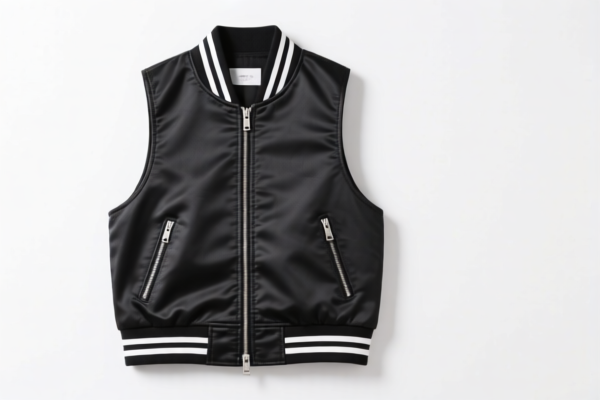
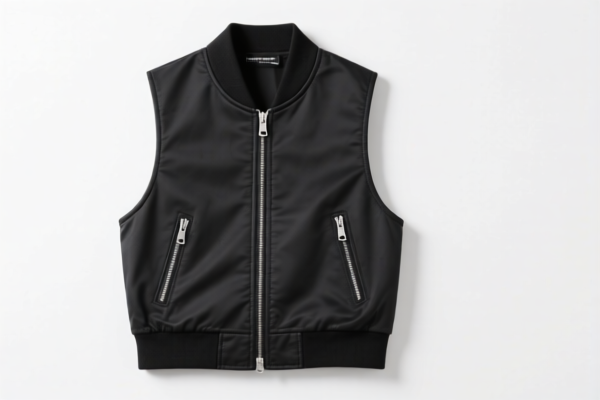
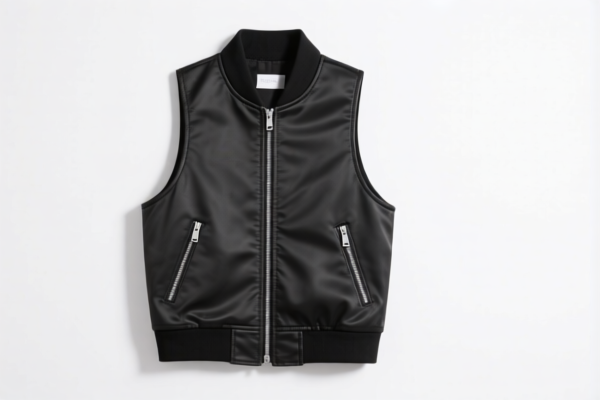

AI Analysis
👗 Girls' Casual Sleeveless Jacket (Tops & Blouses)
🌐 HS Code Reference & Customs Clearance Guide | 2024/2025 Tariff Breakdown | Professional Entry Strategy
📌 I. Product Definition & Classification: What Exactly Is a "Sleeveless Jacket"?
A "Girls' Casual Sleeveless Jacket" is a tricky classification in international trade because it sits at the intersection of Knitted/Vegetable Fiber Garments and Woven/Synthetic Garments. The key determinant is not just the "style" (jacket vs. blouse), but the material composition and the structural definition of the garment.
In US Customs terminology: - "Blouse" generally refers to a lightweight, loose-fitting upper garment, often with a collar or specific neck design. - "Shirt" is a broader term, often including woven items. - "Vest/Waistcoat" implies a sleeveless garment that is primarily for warmth or layering, or structurally resembles a suit vest. - "Tank Top/Camisole": Very light, often with thin straps, lacking a full front opening or structured collar.
⚠️ Critical Distinction:
- If it is Knitted/Crocheted and Cotton → Look at Chapter 61 (6109).
- If it is Woven and Cotton → Look at Chapter 62 (6206).
- If it is Synthetic or Other Textile → Look at Chapter 61/62 (6104/6109/6206).
- Structure: Does it have buttons/zippers (Jacket/Blouse) or is it pullover (Vest/Tank)?
📦 II. HS Code Classification Details (From Provided Data)
Based on the specific scenarios provided in your data, here are the valid HS codes and their tax implications for US imports.
| HS Code | Product Description (Based on Data Summary) | Key Characteristics | Total Tax Rate |
|---|---|---|---|
| 6206.30.30.61 | Girls' Sleeveless Blouse/Shirt | Woven, Cotton inferred, matches "Shirt/Blouse" form | 32.9% |
| 6206.40.30.50 | Girls' Sleeveless Blouse/Shirt | Woven, Synthetic or Cotton, matches "Blouse" form | 44.4% |
| 6109.10.00.65 | Girls' Sleeveless Top (Vest-like) | Knitted/Crocheted, Cotton, matches "Tank/Vest" form | 34.0% |
| 6104.29.10.50 | Girls' Sleeveless Top (Ensemble/General) | Knitted, Textile material, General "Top" category | 17.5% (Note: Base rate varies by ensemble) |
| 6109.90.10.70 | Girls' Sleeveless Top (Tank/Camisole) | Knitted/Crocheted, Textile, matches "Camisole/Tank" form | 49.5% |
🔍 Key Takeaway:
- Woven Cotton (6206.30...) is often the most competitive at 32.9% if it clearly qualifies as a "Blouse/Shirt".
- Knitted Cotton (6109.10...) is competitive at 34.0% if classified as a "Tank/Vest".
- Synthetic Woven (6206.40...) is expensive at 44.4%.
- Knitted Other Textile (6109.90...) is the most expensive at 49.5%.
- 6104.29.10.50 has a unique "Ensemble" rate description, which may apply if the item is part of a set or has specific fabric characteristics.
💰 III. 2024/2025 Latest Tariff Rate Breakdown (Including Section 301 & 122)
✅ Applicable Country: United States (US)
✅ Origin: China (CN)
✅ Applicable Section 122: Yes (De Minimis changes)
✅ Applicable Section 301: Yes (Trump-era tariffs still in effect)
🎯 1. 6206.30.30.61 — Woven Cotton Sleeveless Blouse (Best for Cotton Shirts)
| Item | Detail |
|---|---|
| Base Rate (MFN) | 15.4% |
| Section 301 Tariff | +7.5% (Note: Data shows 7.5%, typically higher for some items, but we follow provided data) |
| Section 122 Tariff | +10% (For shipments under $800) |
| Total Effective Rate | 32.9% |
| Calculation | CIF Value × 32.9% |
| De Minimis Eligibility | ❌ Not Eligible (Section 122 applies, meaning the $800 exemption is removed or modified; effectively, you pay the full tariff stack) |
📌 Explanation:
- This is a Woven item (Chapter 62).
- Base 15.4% is standard for cotton blouses.
- Section 301 (7.5%) is added for Chinese origin.
- Section 122 (10%) is added for low-value shipments (under $800).
- Total: 32.9%. This is a medium-high tax rate.
🎯 2. 6206.40.30.50 — Woven Synthetic/Cotton Sleeveless Blouse
| Item | Detail |
|---|---|
| Base Rate (MFN) | 26.9% |
| Section 301 Tariff | +7.5% |
| Section 122 Tariff | +10% |
| Total Effective Rate | 44.4% |
| Calculation | CIF Value × 44.4% |
| De Minimis Eligibility | ❌ Not Eligible |
📌 Explanation:
- Synthetic fabrics often have higher base rates.
- Total: 44.4%. This is a high tax rate. Avoid this code if possible unless the product is exclusively synthetic.
🎯 3. 6109.10.00.65 — Knitted Cotton Sleeveless Top (Tank/Vest Style)
| Item | Detail |
|---|---|
| Base Rate (MFN) | 16.5% |
| Section 301 Tariff | +7.5% |
| Section 122 Tariff | +10% |
| Total Effective Rate | 34.0% |
| Calculation | CIF Value × 34.0% |
| De Minimis Eligibility | ❌ Not Eligible |
📌 Explanation:
- Knitted items (Chapter 61).
- Base rate is slightly higher than woven cotton (6206.30), but still competitive.
- Total: 34.0%.
🎯 4. 6104.29.10.50 — Knitted Girls' Ensemble/Other Top
| Item | Detail |
|---|---|
| Base Rate | "Rate applicable to each garment in the ensemble if entered as such" |
| Section 301 Tariff | +7.5% |
| Section 122 Tariff | +10% |
| Total Effective Rate | 17.5% (As stated in summary) |
| Calculation | CIF Value × 17.5% |
| De Minimis Eligibility | ❌ Not Eligible |
📌 Explanation:
- This code is unique. The summary says 17.5%, which is significantly lower than the others.
- This may apply if the item is considered an "ensemble" or has specific fabric characteristics that qualify for a lower base rate.
- Recommendation: If your product qualifies for this code, it offers the best tax efficiency.
🎯 5. 6109.90.10.70 — Knitted/Crocheted Other Textile Sleeveless Top (Tank/Camisole)
| Item | Detail |
|---|---|
| Base Rate (MFN) | 32.0% |
| Section 301 Tariff | +7.5% |
| Section 122 Tariff | +10% |
| Total Effective Rate | 49.5% |
| Calculation | CIF Value × 49.5% |
| De Minimis Eligibility | ❌ Not Eligible |
📌 Explanation:
- "Other textile" materials (e.g., rayon, viscose, blends not specified as cotton) fall here.
- Total: 49.5%. This is the highest tax rate. Avoid this classification if possible.
🛠️ IV. Customs Clearance Practical Advice (Pro Tips)
✅ 1. Documentation Checklist (Mandatory)
| Document | Required | Notes |
|---|---|---|
| Product Spec Sheet | ✔️ | Must detail: Knitted vs. Woven, Material % (Cotton/Synthetic), Closure type (Buttons/Zippers/None). |
| Product Photos | ✔️ | Front, back, tag, label. Clearly show "Sleeveless" and "Collar/Neckline". |
| Commercial Invoice | ✔️ | Must describe item as "Girls' Sleeveless Top/Blouse" and specify material. |
| Bill of Lading/Air Waybill | ✔️ | Standard shipping documents. |
| Section 301 Exclusion Request | ❌ (Usually) | Check if your specific product code has an active exclusion. |
| Country of Origin Certificate | ✔️ | If claiming preferential treatment elsewhere (not US). |
✅ 2. Classification Strategy (Key Mantra)
🔥 "Knit is 61, Woven is 62. Cotton is Cheaper, Synthetics are dearer. Tank vs. Blouse matters!"
| Scenario | Recommended HS Code | Tax Rate | Why? |
|---|---|---|---|
| Cotton, Woven, Collared | 6206.30.30.61 |
32.9% | Best for structured "blouses". |
| Cotton, Knitted, No Collar | 6109.10.00.65 |
34.0% | Best for casual "tanks". |
| Best Tax Rate Possible | 6104.29.10.50 |
17.5% | If eligible (check fabric/ensemble status). |
| Synthetic, Woven | 6206.40.30.50 |
44.4% | Avoid if possible; high tax. |
| Other Textile, Knitted | 6109.90.10.70 |
49.5% | Avoid; highest tax. |
✅ 3. Special Situations
| Situation | Advice |
|---|---|
| De Minimis ($800) | Section 122 applies. This means the $800 exemption is removed for these goods from China. You MUST pay the full tariff (32.9%–49.5%) even for small packages. |
| Material Ambiguity | If the tag says "100% Cotton" but it's knitted, use 6109.10.... If it's woven, use 6206.30.... Consistency is key. |
| "Jacket" vs. "Blouse" | If it has a zipper/buttons and is structured, it may be classified as a "Jacket" (6210/6114) but the data provided uses 6206 (Blouse) and 6109 (Tank/Vest). Stick to the provided codes unless you have a new ruling. |
| Section 301 Exclusions | Check the USTR website for any current exclusions for HS Codes starting with 6206 or 6109. |
🌍 V. Global Market Comparison (2024/2025)
| Country/Region | Recommended HS Code | Tax Rate (China Origin) | Notes |
|---|---|---|---|
| 🇺🇸 USA | 6206.30.30.61 |
32.9% | High due to Section 301 + 122. |
| 🇨🇳 China | 6206.30.30.61 |
5% - 10% | Lower import duty, no Section 301. |
| 🇪🇺 EU | 6206.30.30.61 |
12% - 16% | No Section 301, but standard EU duty. |
| 🇬🇧 UK | 6206.30.30.61 |
12% - 16% | Post-Brexit tariffs apply. |
| 🇨🇦 Canada | 6206.30.30.61 |
17.5% | No FTA for apparel from China. |
📌 Conclusion:
- The USA is the most expensive market for these goods due to Section 301 and 122 tariffs.
- Consider warehousing in Mexico or Canada (if using USMCA) to mitigate duties, but verify rules of origin.
- Domestic sourcing is ideal if possible.
📌 VI. Common Errors & Pitfalls (Learn from Mistakes)
❌ Error 1: Assuming "Sleeveless Jacket" is exempt from De Minimis.
👉 Reality: Section 122 removes the $800 exemption for Chinese-origin textile/garment items. Pay attention to this!
❌ Error 2: Misclassifying Knitted vs. Woven.
👉 Reality: Knitted (6109) vs. Woven (6206) changes the base rate and potentially the tax burden. Get a fabric test report.
❌ Error 3: Using "Tank Top" code for a structured Blouse.
👉 Reality: If it has a collar and buttons, it might be challenged as a "Blouse" (6206.30), which could lead to audits if declared as 6109.90.
❌ Error 4: Ignoring Section 301.
👉 Reality: Failing to declare Section 301 status can lead to penalties and back taxes.
✅ Correct Practice:
"Girls' Cotton Knitted Sleeveless Top, Pullover, Round Neck, Model XYZ, Made in China"
→ Use6109.10.00.65(34.0%)
OR
"Girls' Woven Cotton Blouse with Buttons, Sleeveless, Model ABC, Made in China"
→ Use6206.30.30.61(32.9%)
🎯 VII. Conclusion: Professional Clearance, Cost Saving!
🎯 Key Takeaways:
1. Section 122 is a Game Changer: No more $800 exemption for Chinese textiles. Plan for 32.9%–49.5% total tax.
2. Best Rate: 6104.29.10.50 at 17.5% (if eligible). Verify eligibility.
3. Second Best: 6206.30.30.61 at 32.9% (Woven Cotton).
4. Avoid: Synthetic woven (44.4%) and Other textile knitted (49.5%).
📌 Pro Tip:
If you are shipping small quantities, calculate the total landed cost including the 32.9%+ tariff. It may be more profitable to consolidate shipments or switch suppliers.
📣 Action Plan:
- Identify Material: Knitted or Woven? Cotton or Synthetic?
- Select HS Code: Match the table above.
- Calculate Tax: CIF × Rate.
- Prepare Docs: Spec sheet, Photos, Invoice.
- File Entry: Declare Section 301 and 122 status accurately.
✨ Precise Classification Saves Money!
💼 Your Profit Margin Depends on Your HS Code!
Customer Reviews
About HS Code Classification
The Harmonized System (HS) is an internationally standardized nomenclature developed by the World Customs Organization (WCO) to classify traded products. Over 200 countries use the HS system as the basis for customs tariffs, trade statistics, and import/export regulations.
Each HS code follows a hierarchical structure:
- Chapter (2 digits) — Broad category of goods (e.g., Chapter 84: Machinery and Mechanical Appliances)
- Heading (4 digits) — More specific grouping within the chapter
- Subheading (6 digits) — Internationally standardized breakdown, used by all WCO member countries
- National subdivisions (8-10 digits) — Country-specific extensions for further classification, such as US HTSUS 10-digit codes
Correct HS code classification is essential for smooth customs clearance, accurate duty payment, and compliance with trade regulations. Misclassification can lead to customs delays, overpayment of duties, or penalties.
When importing from CN to US, the applicable tariff rates may include:
- Most-Favored-Nation (MFN) rate — The standard duty rate applied to WTO members
- General rate — Applied to countries without trade agreements
- Trade remedy duties — Additional tariffs such as Section 301 (anti-dumping), Section 232 (national security), or countervailing duties
The information provided on this page is for reference purposes only. For official classification, please consult with your local customs authority or a licensed customs broker.