Girls' Casual Vest
CN → US| HS Code | Tariff Rate | Origin | Destination | Doc |
|---|---|---|---|---|
| 6110202079 | 34.0% | CN | US | Official Doc |
| 6109100065 | 34.0% | CN | US | Official Doc |
| 6207913020 | 23.6% | CN | US | Official Doc |
| 6110202035 | 34.0% | CN | US | Official Doc |
Product Images
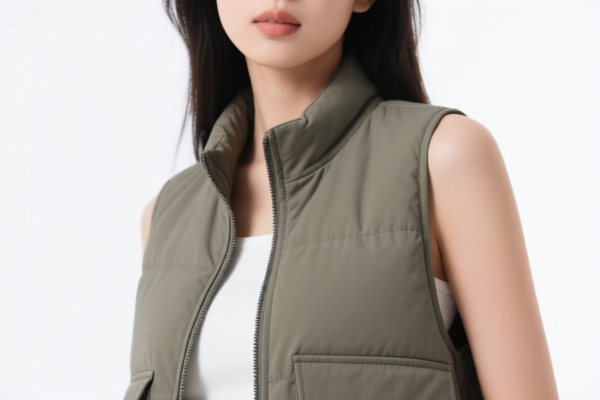

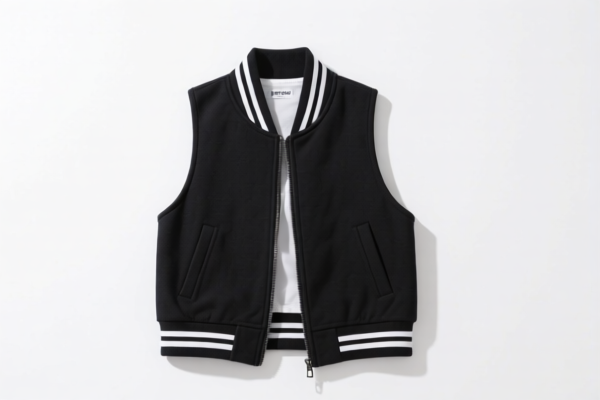
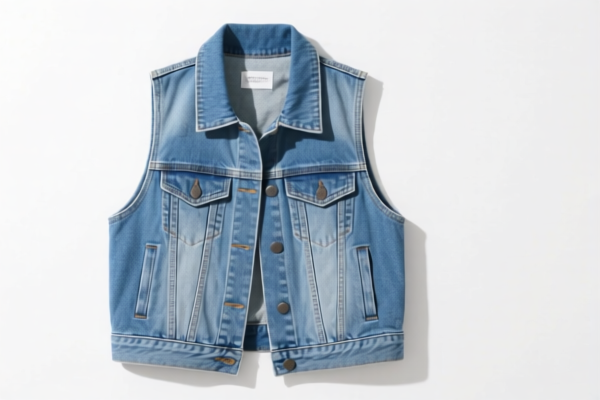
AI Analysis
👕 Girls' Casual Vest (Cotton/Vest Garment)
🌐 HS Code Reference & Customs Clearance Guide | 2026 Latest Tariff Analysis | Professional Clearance Strategy
📌 I. Product Definition & Classification: Do You Really Understand "Girls' Casual Vest"?
A "Girls' Casual Vest" is a sleeveless upper-body garment, typically made of cotton or blended fabrics, designed for young girls. In international trade, its classification depends heavily on the knitting/weaving method, material composition, and intended use.
The core distinction lies in whether it is considered "Knitted/Crocheted Sweater/Vest" (Chapter 61) or "Woven Shirt/Vest" (Chapter 62).
⚠️ Key Distinction Point:
- If it is knitted or crocheted (stretchy, looped structure) → It generally falls under Chapter 61 (specifically as a sweater/vest type) or potentially 6109 (T-shirts) if it resembles a tank top.
- If it is woven (non-stretchy, structured fabric like cotton canvas or poplin) → It falls under Chapter 62.
- Misclassification Risk: Declaring a knitted vest as woven (or vice versa) leads to significant tariff differences and potential customs penalties.
📦 II. HS Code Classification Details (2026 Latest Tariff Authority Comparison)
Based on the provided data, here are the specific HS codes applicable to Girls' Cotton Vests, along with their tax implications.
| HS Code | Product Description | Applicable Scenario | Material/Structure | Total Tax Rate |
|---|---|---|---|---|
6110.20.20.79 |
Girls' Cotton Vest | Knitted/Crocheted Vest | 100% Cotton, Knitted | 34.0% |
6109.10.00.65 |
Girls' Cotton Vest | Knitted Tank Top/T-shirt | 100% Cotton, Knitted (Tank Top Style) | 34.0% |
6207.91.30.20 |
Girls' Cotton Vest | Woven Vest/Shirt | 100% Cotton, Woven | 23.6% |
6110.20.20.35 |
Girls' Cotton Vest | Knitted/Crocheted Vest | 100% Cotton, Knitted | 34.0% |
🔍 Key Observation:
- Knitted Vests (6110&6109): Subject to a 34.0% total tax rate.
- Woven Vests (6207): Subject to a lower 23.6% total tax rate.
- Why the difference? Woven garments often have lower base tariffs but still incur significant additional duties under current trade policies.
💰 III. 2026 Latest Tariff Rate Breakdown (Including Surcharges & Policy Add-ons)
✅ Applicable Country: USA (US)
✅ Origin: China (CN)
✅ Effective Date: Current as of 2026
🎯 1. 6110.20.20.79 & 6110.20.20.35 — Knitted Cotton Vests/Sweaters
| Item | Content |
|---|---|
| Base Tariff | 16.5% (ad valorem) |
| Section 301 Surcharge | +7.5% (Standard additional duty) |
| Section 122 Duty | +10.0% (Specific provision for certain textile/apparel items) |
| Total Tax Rate | 34.0% |
| Tax Calculation | CIF Value × 34.0% |
| De Minimis Exemption | ❌ Not Eligible (Denied under de minimis rules for these codes) |
| Legal Basis Path | USITC:6110.20.20.79 → Section 301:7.5% → Section 122:10% |
📌 Explanation:
- Base Tariff (16.5%): Standard MFN rate for knitted vests.
- Section 301 (7.5%): Additional duty imposed on Chinese-origin goods.
- Section 122 (10%): Specific additional tariff applicable to certain apparel items.
- Total 34.0%: High tariff burden requires accurate classification to avoid overpayment or underpayment.
🎯 2. 6109.10.00.65 — Knitted Cotton Tank Tops/T-shirts
| Item | Content |
|---|---|
| Base Tariff | 16.5% |
| Section 301 Surcharge | +7.5% |
| Section 122 Duty | +10.0% |
| Total Tax Rate | 34.0% |
| Tax Calculation | CIF Value × 34.0% |
| De Minimis Exemption | ❌ Not Eligible |
| Legal Basis Path | USITC:6109.10.00.65 → Section 301:7.5% → Section 122:10% |
📌 Note:
- Even if the vest resembles a tank top, if it is knitted and made of cotton, it often falls under6109(T-shirts, singlets, etc.).
- The tax rate is identical to knitted vests (6110) due to similar trade policy treatments.
🎯 3. 6207.91.30.20 — Woven Cotton Vests/Shirts
| Item | Content |
|---|---|
| Base Tariff | 6.1% |
| Section 301 Surcharge | +7.5% |
| Section 122 Duty | +10.0% |
| Total Tax Rate | 23.6% |
| Tax Calculation | CIF Value × 23.6% |
| De Minimis Exemption | ❌ Not Eligible |
| Legal Basis Path | USITC:6207.91.30.20 → Section 301:7.5% → Section 122:10% |
📌 Key Advantage:
- Lower Base Tariff (6.1%): Woven garments have a significantly lower base rate compared to knitted ones (16.5%).
- Total 23.6%: Still high due to surcharges, but 10.4 percentage points cheaper than knitted vests.
- Classification Tip: If the fabric is woven (e.g., cotton poplin, oxford cloth), ensure it is declared as6207to save costs.
🛠️ IV. Customs Clearance Practical Advice (Real-World Pitfall Avoidance)
✅ 1. Preparation Checklist (Must-Have Documents)
| Document | Required | Description |
|---|---|---|
| ✅ Product Spec Sheet | ✔️ | Include fabric content (e.g., 100% Cotton), construction (Knitted/Woven), and size chart. |
| ✅ Fabric Swatch/Photo | ✔️ | Crucial to prove whether it is knitted (looped) or woven (interlaced). |
| ✅ Commercial Invoice | ✔️ | Clearly state "Girls' Cotton Vest" and specify "Knitted" or "Woven". |
| ✅ Packing List | ✔️ | Detail quantity per carton and total weight. |
| ✅ Origin Certificate | ✔️ | Proof of Chinese origin for tariff calculation. |
| ✅ Third-Party Test Report | ✔️ | Ensure compliance with safety standards (e.g., CPSIA for children's clothing in the US). |
✅ 2. Declaration Tips (Key Rules)
🔥 “Fabric Type Determines Code, Code Determines Tax!”
| Scenario | Correct Declaration | Incorrect Practice |
|---|---|---|
| Knitted Vest (Stretchy, looped) | 6110.20.20.79 or 6109.10.00.65 |
Misdeclaring as woven (6207) → 23.6% → Underpayment Risk & Penalties |
| Woven Vest (Structured, non-stretch) | 6207.91.30.20 |
Misdeclaring as knitted (6110) → 34.0% → Overpayment Loss |
| Mixed Fabric (e.g., Cotton + Spandex) | Check main fiber content | Ambiguous description → Customs inspection delays |
| Children's Clothing | Mention "For Girls" and age range | Generic "Vest" → May trigger additional safety scrutiny |
✅ 3. Special Case Handling
| Situation | Handling Advice |
|---|---|
| OEM Private Label | Provide brand authorization if applicable, but ensure HS code is based on physical characteristics, not brand. |
| Sample vs. Bulk | Ensure samples match bulk in material and construction. |
| Children's Safety | Ensure compliance with CPSIA (Consumer Product Safety Improvement Act) for lead content and small parts. Non-compliance leads to seizure. |
🌍 V. Global Market Comparison (2026 Latest)
| Country/Region | Recommended HS Code | Total Tariff | Certification Requirements | Notes |
|---|---|---|---|---|
| 🇺🇸 USA | 6207.91.30.20 (Woven) |
23.6% | CPSIA, Labeling (Fiber Content, Country of Origin) | Knitted (6110) is 34.0%. |
| 🇨🇳 China | 6207.91.30.20 |
5% - 10% | GB Standards for Children's Clothing | Lower base rate, no Section 301. |
| 🇪🇺 EU | 6109.10 / 6207.91 |
0% - 12% | REACH, CPSR (Children's Product Safety Report) | No Section 122 or 301. |
| 🇬🇧 UK | 6109.10 / 6207.91 |
0% - 12% | UKCA Marking | Post-Brexit rules apply. |
📌 Conclusion:
- USA has the highest effective tariff due to Section 301 and Section 122 duties.
- Woven vests (6207) are more cost-effective than knitted vests (6110) in the US market.
- Always verify if the product qualifies for Section 122 exemption (some specific items may have different rules, but generally, apparel is included).
📌 VI. Common Mistakes & Pitfall Guide (Lessons Learned)
❌ Mistake 1: Declaring a Knitted vest as Woven (6207)
👉 Consequence: Underpayment of 10.4% → Customs Penalty, Back Taxes, and Possible Fraud Charges.
❌ Mistake 2: Declaring a Woven vest as Knitted (6110)
👉 Consequence: Overpayment of 10.4% → Unnecessary Cost Increase.
❌ Mistake 3: Not specifying "Knitted" or "Woven" in the description
👉 Consequence: Customs cannot determine the correct code → Delays, Inspections, and Potential Misclassification.
❌ Mistake 4: Ignoring Children's Safety Standards (CPSIA)
👉 Consequence: Seizure of goods, fines, and reputational damage.
✅ Correct Approach:
“Girls’ 100% Cotton Woven Vest, Sleeveless, for Children Aged 2-8, Compliant with CPSIA Standards”
🎯 VII. Conclusion: Professional Declaration Saves Money!
🎯 Remember the Golden Rule:
🔹 “Knitted = 34%, Woven = 23.6%”
🔹 “Fabric Structure Dictates HS Code, HS Code Dictates Profit!”
🔹 “Always Label ‘Knitted’ or ‘Woven’ Clearly to Avoid Customs Headaches!”
📌 Pro Tip:
If you are unsure about the fabric structure, submit a Pre-Classification Request (Binding Ruling) to US Customs and Border Protection (CBP) before shipment. This provides legal certainty and avoids post-clearance liabilities.
📣 Immediate Action:
📞 Consult with a licensed customs broker + Provide fabric swatch + Confirm HS Code via Pre-Ruling
🚀 Ensure your Girls' Casual Vest clears customs smoothly, efficiently, and cost-effectively!
✨ Professional Clearance Starts with Accurate Classification!
💼 Every percentage point saved is pure profit!
Customer Reviews
About HS Code Classification
The Harmonized System (HS) is an internationally standardized nomenclature developed by the World Customs Organization (WCO) to classify traded products. Over 200 countries use the HS system as the basis for customs tariffs, trade statistics, and import/export regulations.
Each HS code follows a hierarchical structure:
- Chapter (2 digits) — Broad category of goods (e.g., Chapter 84: Machinery and Mechanical Appliances)
- Heading (4 digits) — More specific grouping within the chapter
- Subheading (6 digits) — Internationally standardized breakdown, used by all WCO member countries
- National subdivisions (8-10 digits) — Country-specific extensions for further classification, such as US HTSUS 10-digit codes
Correct HS code classification is essential for smooth customs clearance, accurate duty payment, and compliance with trade regulations. Misclassification can lead to customs delays, overpayment of duties, or penalties.
When importing from CN to US, the applicable tariff rates may include:
- Most-Favored-Nation (MFN) rate — The standard duty rate applied to WTO members
- General rate — Applied to countries without trade agreements
- Trade remedy duties — Additional tariffs such as Section 301 (anti-dumping), Section 232 (national security), or countervailing duties
The information provided on this page is for reference purposes only. For official classification, please consult with your local customs authority or a licensed customs broker.