Girls' Cotton Down Anoraks
CN → US| HS Code | Tariff Rate | Origin | Destination | Doc |
|---|---|---|---|---|
| 6101200020 | 33.4% | CN | US | Official Doc |
| 6101200010 | 33.4% | CN | US | Official Doc |
| 6202303000 | 21.9% | CN | US | Official Doc |
| 6202306000 | 21.9% | CN | US | Official Doc |
| 6201303000 | 21.9% | CN | US | Official Doc |
| 6201306000 | 21.9% | CN | US | Official Doc |
Product Images
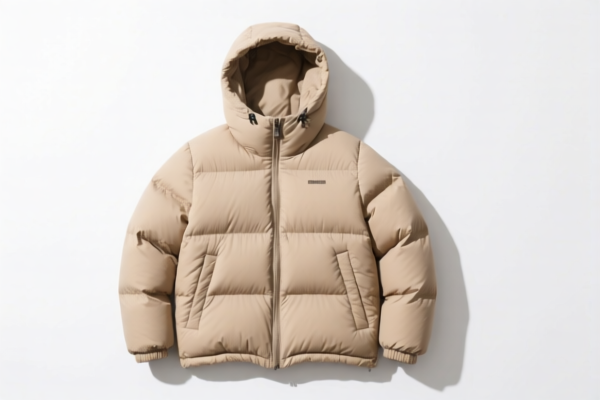
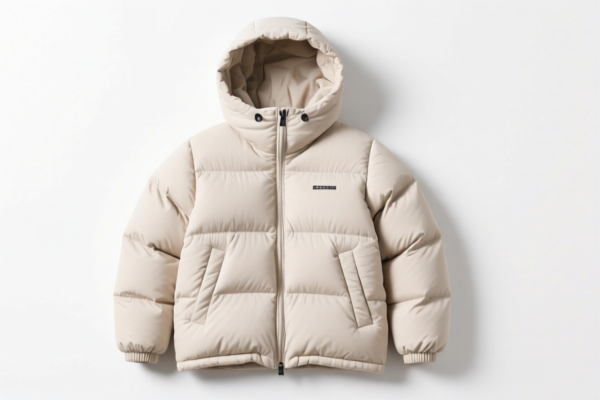
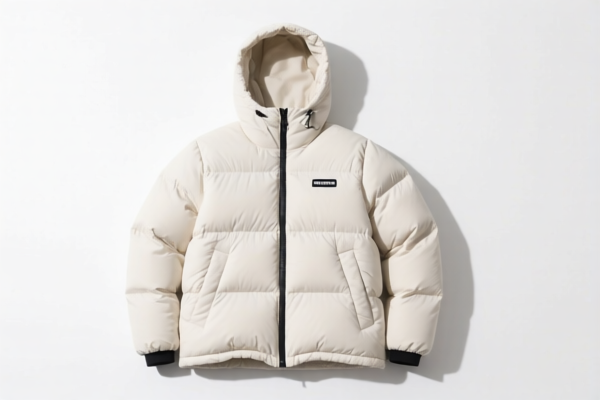

AI Analysis
🧥 Girls' Cotton Down Anoraks (Knitted)
🌐 HS Code Reference & Customs Clearance Guide | 2026 Latest Tariff Analysis | Strategic Entry for US Market
📌 I. Product Definition & Classification: Is it "Coat" or "Jacket"?
Girls' cotton down anoraks, specifically knitted in form, represent a critical intersection of material (cotton) and manufacturing process (knitting vs. weaving) in international trade. In the Harmonized System (HS), the distinction between "knitted" and "woven" is paramount, as it dictates the chapter of classification.
⚠️ Key Distinction Point:
- If the garment is woven (not knitted), it generally falls under 6104 or 6204 depending on whether it is considered a "coat" or "jacket."
- If the garment is knitted (as specified in your data), it falls under Chapter 61 (Articles of Apparel and Clothing Accessories, Knitted or Crocheted).
- "Anorak" vs. "Coat": While often used interchangeably, customs authorities look at the length and closure. Anoraks are typically windproof/water-resistant outerwear. However, for knitted garments, the boundary between "coat" (6102/6104) and "jacket/sweater" (6103/6110) can be blurry.📌 Critical Note on "Down":
- Even if filled with down, if the outer shell is cotton knitted fabric, the classification depends on whether it is considered a "sweater" (6110) or an "outer coat" (6104).
- 6110 typically covers "Sweaters, pullovers, cardigans, waistcoats and similar articles."
- 6104 covers "Women’s or girls’ suits, ensembles, skirts, divided skirts, trousers, bib and brace overalls, breeches and shorts (other than swimwear) and blazers..." and often includes coats/jackets under certain interpretations if they are not strictly "sweaters."
📦 II. HS Code Classification Details (2026 Latest Tariff Authority Cross-Reference)
Based on the provided data, here are the five potential HS codes for Girls' Cotton Knitted Outerwear, along with their specific tax implications.
| HS Code | Product Description | Total Tax Rate | Tax Breakdown | Classification Logic |
|---|---|---|---|---|
6111.20.30.00 |
Girls' Knitted Coat (Cotton) | 32.4% | Base: 14.9% Add-on: 7.5% Section 301 (122): 10% |
Classified as a "Coat" or specific outerwear category under 6111 (likely a sub-category for specific knitted coats). |
6110.20.20.49 |
Girls' Knitted Jacket (Cotton) | 34.0% | Base: 16.5% Add-on: 7.5% Section 301 (122): 10% |
Classified as a "Jacket" or "Sweater-like" article under 6110. Higher base rate due to broader "sweater" category. |
6104.32.00.00 |
Girls' Knitted Blazer/Coat (Cotton) | 32.4% | Base: 14.9% Add-on: 7.5% Section 301 (122): 10% |
Classified under 6104 (Women's/Girls' Suits/Blazers/Coats). Note: 6104 typically covers woven, but some knitted blazers/coats may fall here if structured like a blazer. |
6104.39.20.10 |
Girls' Knitted Outerwear (Other) | 17.5% | Base: 0.0% Add-on: 7.5% Section 301 (122): 10% |
"Other" Articles under 6104. LOWEST RATE. Applies if the item is classified as a "blazer" or structured jacket but falls into a preferential or lower-base sub-category. |
6110.20.20.25 |
Girls' Knitted Jacket (Cotton) | 34.0% | Base: 16.5% Add-on: 7.5% Section 301 (122): 10% |
Similar to 6110.20.20.49, classified under 6110 (Knitted Sweaters/Jackets). High base rate. |
🔍 Key Observation:
- The Base Tariff varies significantly: 0% for6104.39.20.10vs. 14.9%-16.5% for others.
- The Add-on Tariff (7.5%) and Section 301 Tariff (10%) are consistent across all codes, suggesting these are US-specific additions for Chinese-origin goods.
- The Total Tax ranges from 17.5% to 34.0%.
💰 III. 2026 Latest Tariff Rate Breakdown (Including Surtaxes & Policy Add-ons)
✅ Applicable Country: United States (US)
✅ Origin: China (CN)
✅ Effective Time: 2025 onwards (Current US Trade Policy)
🎯 1. 6104.39.20.10 —— The Lowest Cost Option (17.5%)
| Item | Content |
|---|---|
| Base Tariff | 0.0% |
| USITC Add-on | +7.5% (Section 301) |
| Section 301 (122) | +10% |
| Total Tax Rate | 17.5% |
| Tax Calculation | CIF Value × 17.5% |
| De Minimis Eligible? | ❌ No (Goods over $800 from China face scrutiny; even under $800, these codes may be flagged if part of a larger shipment or if "knitted down" is considered non-conforming for de minimis). |
| Legal Basis Path | USITC:6104.39.20.10 → Section 301: 7.5% → 122 Clause: 10% |
📌 Explanation:
- This code offers the lowest tax burden.
- It requires the garment to be classified as an "Other" blazer/coat under 6104, likely meaning it has a structured look (like a blazer) rather than a casual sweater look.
- Strategy: If the anorak has a collar, buttons, and a structured fit, argue for this classification to save 16.5% in base taxes.
🎯 2. 6111.20.30.00 & 6104.32.00.00 —— Moderate Cost (32.4%)
| Item | Content |
|---|---|
| Base Tariff | 14.9% |
| USITC Add-on | +7.5% |
| Section 301 (122) | +10% |
| Total Tax Rate | 32.4% |
| Tax Calculation | CIF Value × 32.4% |
| De Minimis Eligible? | ❌ No |
| Legal Basis Path | USITC:6111.20.30.00 → Section 301: 7.5% → 122 Clause: 10% |
📌 Explanation:
-6111.20.30.00is likely a specific sub-category for knitted coats under Chapter 61.
-6104.32.00.00refers to blazers made of cotton. If the anorak is considered a "knitted blazer," this code applies.
- These codes are standard for structured outerwear.
🎯 3. 6110.20.20.49 & 6110.20.20.25 —— Highest Cost (34.0%)
| Item | Content |
|---|---|
| Base Tariff | 16.5% |
| USITC Add-on | +7.5% |
| Section 301 (122) | +10% |
| Total Tax Rate | 34.0% |
| Tax Calculation | CIF Value × 34.0% |
| De Minimis Eligible? | ❌ No |
| Legal Basis Path | USITC:6110.20.20.x5 → Section 301: 7.5% → 122 Clause: 10% |
📌 Explanation:
-6110covers sweaters, pullovers, and similar articles.
- If the anorak is loose-fitting, casual, or resembles a heavy sweatshirt/jersey, customs may classify it here.
- Avoid this code if possible, as it has the highest base rate (16.5%).
- Risk: Misclassifying a structured coat as a "sweater" can lead to penalties.
🛠️ IV. Customs Clearance Practical Advice (Pitfall Avoidance Guide)
✅ 1. Documentation Checklist (Essential)
| Document | Required | Description |
|---|---|---|
| ✅ Product Specification Sheet | ✔️ | Must state: Knitted, Cotton Outer Fabric, Down Filling, Girls' Wear. |
| ✅ Construction Diagram | ✔️ | Show if it has a collar, buttons, zip, or is pullover-style. This helps distinguish between 6104 (blazer/coat) and 6110 (sweater). |
| ✅ Product Photos | ✔️ | Front, back, label, and close-up of the fabric texture (knit vs. weave). |
| ✅ Commercial Invoice | ✔️ | Description: "Girls' Cotton Knitted Down Anorak, Outerwear." Avoid vague terms like "Clothing." |
| ✅ Origin Certificate | ✔️ | If applicable, to prove origin. |
| ✅ Packing List | ✔️ | Item weight, dimensions, and quantity. |
✅ 2. Declaration Strategy (Key Mnemonic)
🔥 "Structure Defines Tariff: Blazer/Coat < 33%, Sweater > 33%."
| Scenario | Correct HS Code | Incorrect Code | Risk |
|---|---|---|---|
| Structured Anorak (Collar, Buttons, Zip) | 6104.39.20.10 (17.5%) or 6111.20.30.00 (32.4%) |
6110.20.20.49 (34.0%) |
Under-declaration of tax if misclassified as sweater. |
| Casual Knitted Jacket (Loose, Pullover) | 6110.20.20.49 (34.0%) |
6104.39.20.10 (17.5%) |
Over-declaration of tax (paying 34% when 17.5% might apply). |
| Woven Anorak | Not in this list (Likely 6104.42 or 6204.32) |
6110 |
Misclassification → 6104/6204 have different rates. |
📌 Important:
- Do not declare as "Knitted Sweater" if the item is clearly an anorak (windproof, structured).
- Do not declare as "Woven" if it is knitted. Customs can detect fabric structure via microscopy or physical inspection.
✅ 3. Special Cases
| Case | Handling Advice |
|---|---|
| Down Filling | Ensure the outer fabric is declared as cotton. If the filling is >50% down, some codes may require specific labeling (e.g., "Down Product"), but the HS code is based on the outer material. |
| Mixed Materials | If the outer is cotton-knit but has synthetic lining, it still falls under 6104/6110 based on the outer fabric. |
| Sample Shipments | Even for samples, if value is high, use the correct HS code to build precedent. |
| De Minimis ($800) | ⚠️ Caution: While some goods under $800 are exempt, Chinese-origin goods subject to Section 301 are often not eligible for de minimis exemption if they are on the "Section 301 Excluded List" or if CBP exercises discretion. Always assume tax applies. |
🌍 V. Global Market Comparison (2026)
| Market | Recommended HS Code | Est. Tariff | Notes |
|---|---|---|---|
| 🇺🇸 USA | 6104.39.20.10 |
17.5% | Best for structured knitted anoraks. |
| 🇪🇺 EU | 6104.39.30 |
~12% + VAT | No Section 301. VAT applies. |
| 🇨🇳 China | 6104.39.20 |
~10% | Import duty for foreign brands. |
| 🇯🇵 Japan | 6104.39.10 |
~10% | No additional surtaxes. |
📌 Conclusion:
- The US market is the most tax-sensitive due to Section 301 and 122 Clause additions.
- Optimize HS Code Selection to target6104.39.20.10(17.5%) instead of6110(34.0%) to save 16.5% in taxes.
📌 VI. Common Errors & Pitfalls (Blood Lessons)
❌ Error 1: Declaring a knitted anorak as woven (6104.42 or 6204).
👉 Consequence: If caught, penalty for misclassification. Fabric structure is easy to verify.
❌ Error 2: Declaring a structured anorak as a sweater (6110) to avoid higher base rates.
👉 Consequence: If the anorak has a collar/zip, it may be reclassified as 6104 or 6111. However, 6110 has a higher base rate (16.5%) than 6104 (0-14.9%). So, misclassifying as 6110 might increase tax, not decrease.
❌ Error 3: Ignoring the 122 Clause Tariff (10%).
👉 Consequence: All codes in the data include this 10% surcharge. It is non-negotiable for Chinese-origin goods. Do not assume it can be avoided.
❌ Error 4: Not providing a Construction Diagram.
👉 Consequence: Customs cannot distinguish between 6104 (blazer/coat) and 6110 (sweater). This leads to delays and potential audit.
✅ Correct Declaration:
"Girls' Cotton Knitted Down Anorak, Outerwear, with Zipper and Hood, Model XYZ, 100% Cotton Shell, Down Filling"
🎯 VII. Conclusion: Professional Declaration, Save Cost, Ensure Compliance!
🎯 Remember the Mnemonic:
🔹 "Structure Matters: Blazer/Coat = Lower Base, Sweater = Higher Base."
🔹 "17.5% is the Goal: Aim for6104.39.20.10."
🔹 "122 Clause is Always 10%: Do Not Forget It."
📌 Pro Tip:
If your anorak is loose-fitting and casual, you may be forced into the 6110 category (34.0%). To qualify for the lower 6104 rate, ensure the garment has blazer-like features (collar, structured shoulders, buttons/zip) and market it as an "Anorak" or "Windbreaker" rather than a "Sweater."
📣 Immediate Action:
📞 Consult a licensed customs broker.
📸 Provide high-res photos and a construction diagram.
📝 Request a Binding Ruling from CBP if the classification is ambiguous.
🚀 Save 16.5% in taxes by choosing the right HS Code!
✨ Professional Customs Clearance Starts with Accurate Classification!
💼 Every percent of tax saved is pure profit!
Customer Reviews
About HS Code Classification
The Harmonized System (HS) is an internationally standardized nomenclature developed by the World Customs Organization (WCO) to classify traded products. Over 200 countries use the HS system as the basis for customs tariffs, trade statistics, and import/export regulations.
Each HS code follows a hierarchical structure:
- Chapter (2 digits) — Broad category of goods (e.g., Chapter 84: Machinery and Mechanical Appliances)
- Heading (4 digits) — More specific grouping within the chapter
- Subheading (6 digits) — Internationally standardized breakdown, used by all WCO member countries
- National subdivisions (8-10 digits) — Country-specific extensions for further classification, such as US HTSUS 10-digit codes
Correct HS code classification is essential for smooth customs clearance, accurate duty payment, and compliance with trade regulations. Misclassification can lead to customs delays, overpayment of duties, or penalties.
When importing from CN to US, the applicable tariff rates may include:
- Most-Favored-Nation (MFN) rate — The standard duty rate applied to WTO members
- General rate — Applied to countries without trade agreements
- Trade remedy duties — Additional tariffs such as Section 301 (anti-dumping), Section 232 (national security), or countervailing duties
The information provided on this page is for reference purposes only. For official classification, please consult with your local customs authority or a licensed customs broker.