Girls' Cotton Ethnic Style Shorts
CN → US| HS Code | Tariff Rate | Origin | Destination | Doc |
|---|---|---|---|---|
| 6204628041 | 34.1% | CN | US | Official Doc |
| 6204628051 | 34.1% | CN | US | Official Doc |
| 6104622028 | 32.4% | CN | US | Official Doc |
| 6104622021 | 32.4% | CN | US | Official Doc |
| 6211421030 | 25.6% | CN | US | Official Doc |
Product Images
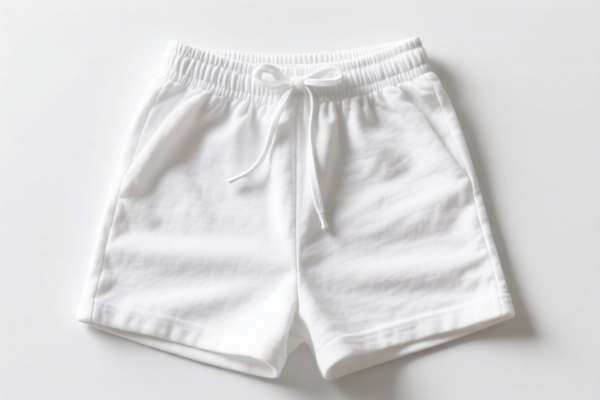
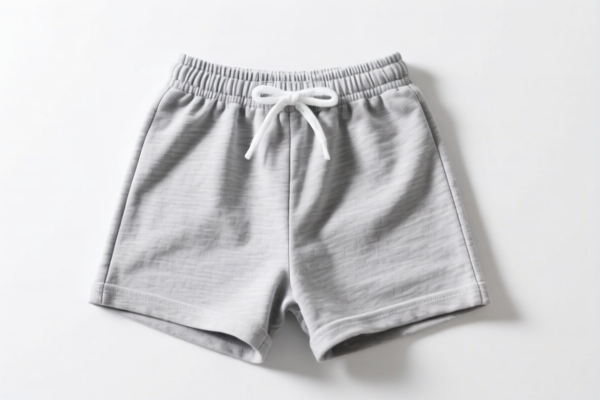
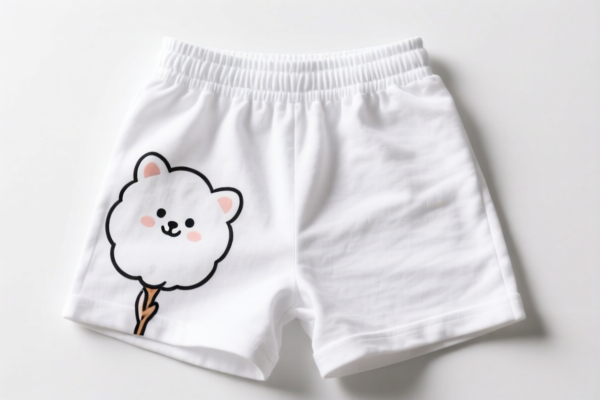
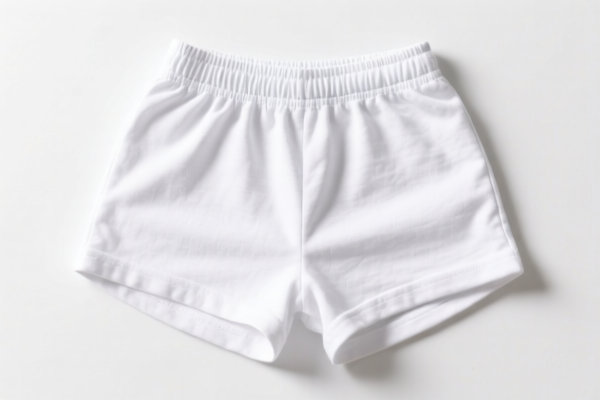
AI Analysis
👗 Girls' Cotton Ethnic Style Shorts (女童纯棉民族风短裤)
🌐 HS Code Reference & Customs Clearance Guide | 2026 Latest Tariff Analysis | Professional Clearance Strategy
📌 I. Product Definition & Classification: Do You Really Understand "Girls' Cotton Ethnic Shorts"?
Girls' cotton ethnic-style shorts are casual wear items specifically designed for girls. In international trade, their classification depends heavily on the manufacturing process (knitted vs. woven) and the specific use (general casual vs. sports attire).
Key Distinctions: * Woven Cotton Shorts (非针织): If the fabric is woven (e.g., chambray, twill, broadcloth), it falls under Chapter 62. * Knitted Cotton Shorts (针织): If the fabric is knitted (e.g., jersey, interlock), it falls under Chapter 61. * Ethnic Style: This is a design aesthetic and does not have a specific HS code. It is classified based on the material and structure described above. * General Casual vs. Sports: If the shorts are specifically designed for sports (e.g., with specific seams, breathable mesh panels labeled as sportswear), they might fall under heading 6211.11 or 6104.11, but standard "ethnic style" casual shorts usually fall under general trousers/shorts headings (6204 or 6104).
⚠️ Critical Classification Point:
- Woven (Weaving process): → Chapter 62 (6204)
- Knitted (Knitting process): → Chapter 61 (6104or6103)
- Misclassification Risk: Declaring knitted shorts as woven (or vice versa) leads to significant duty differences and potential penalties.
📦 II. HS Code Classification Details (Based on Provided Data)
The provided data includes 5 specific HS codes for "Girls' Cotton Casual Pants/Shorts". Note that while the user input says "Shorts," the data descriptions vary between "Pants," "Trousers," and "Long Pants." In customs practice, "Pants" (裤子) in Chinese HS codes often encompasses both long pants and shorts unless specified as "Shorts" (短裤) in a different subheading. However, for US/China trade, 6204.62 and 6104.62 typically cover women's/girls' woven/knitted trousers, breeches, and shorts.
| HS Code | Product Description (from Data) | Material | Form | Usage | Total Tax Rate |
|---|---|---|---|---|---|
6204.62.80.41 |
Girls' Cotton Casual Pants | 100% Cotton | Pants | Girls | 34.1% |
6204.62.80.51 |
Girls' Cotton Casual Pants | 100% Cotton | Long Pants | Girls | 34.1% |
6104.62.20.28 |
Girls' Cotton Casual Pants | 100% Cotton | Long Pants | Girls | 32.4% |
6104.62.20.21 |
Girls' Cotton Pants | 100% Cotton | Pants | Girls | 32.4% |
6211.42.10.30 |
Girls' Cotton Casual Pants | 100% Cotton | Sports Attire Pants | Girls | 25.6% |
🔍 Analysis of the Data:
- The data provided uses the general term "Pants" (裤子) which in HS classification (Chapter 62/61) includes shorts.
- Woven (6204) vs. Knitted (6104) is the primary differentiator.
- Sports vs. Casual: The code6211.42.10.30is for "Other women's/girls' clothing, made up, of textile materials, other." Specifically, 6211.42 refers to "Other, of cotton." This is often used for specific athletic wear or costumes. If the "ethnic style" is considered a costume or specific athletic wear, this lower rate may apply. However, for standard casual ethnic shorts,6204.62or6104.62is more common.
💰 III. 2026 Latest Tariff Rate Breakdown (Including Additional Duties)
✅ Applicable Country: United States (US)
✅ Origin: China (CN)
✅ Effective Date: November 10, 2025 onwards
🎯 1. 6204.62.80.41 & 6204.62.80.51 —— Woven Cotton Pants/Shorts (Girls)
| Item | Detail |
|---|---|
| Product Type | Woven Cotton Trousers/Breeches/Shorts |
| Base Tariff | 16.6% |
| Section 301 Additional Tariff | 7.5% |
| Section 122 Tariff | 10% |
| Total Tax Rate | 34.1% |
| Tax Calculation | CIF Value × 34.1% |
| De Minimis Exemption? | ❌ No (Not eligible for Section 321 de minimis if value > $800 or if restricted) |
| Legal Basis Path | Base Tariff: 16.6% → Section 301: 7.5% → Section 122: 10% |
📌 Explanation:
- Section 122 Tariff (10%): This is a specific U.S. tariff provision often applied to certain textile and apparel products from China, added on top of base and Section 301 duties.
- Section 301 Tariff (7.5%): Part of the broader U.S.-China trade war tariffs on Chinese goods.
- Total Impact: These shorts are subject to high cumulative tariffs. Importers must factor in nearly 1/3 of the product value in duties.
🎯 2. 6104.62.20.21 & 6104.62.20.28 —— Knitted Cotton Pants/Shorts (Girls)
| Item | Detail |
|---|---|
| Product Type | Knitted or Crocheted Cotton Trousers/Breeches/Shorts |
| Base Tariff | 14.9% |
| Section 301 Additional Tariff | 7.5% |
| Section 122 Tariff | 10% |
| Total Tax Rate | 32.4% |
| Tax Calculation | CIF Value × 32.4% |
| De Minimis Exemption? | ❌ No |
| Legal Basis Path | Base Tariff: 14.9% → Section 301: 7.5% → Section 122: 10% |
📌 Note:
- Knitted fabrics have a slightly lower base tariff (14.9% vs. 16.6%) compared to woven fabrics.
- The additional tariffs (301 and 122) are the same.
- Total duty is 32.4%, which is 1.7% lower than the woven counterpart.
🎯 3. 6211.42.10.30 —— Girls' Cotton Casual Pants (Sports/Costume)
| Item | Detail |
|---|---|
| Product Type | Other Women's/Girls' Made-up Textile Clothing (Cotton) |
| Base Tariff | 8.1% |
| Section 301 Additional Tariff | 7.5% |
| Section 122 Tariff | 10% |
| Total Tax Rate | 25.6% |
| Tax Calculation | CIF Value × 25.6% |
| De Minimis Exemption? | ❌ No |
| Legal Basis Path | Base Tariff: 8.1% → Section 301: 7.5% → Section 122: 10% |
📌 Opportunity:
- If the "ethnic style" shorts can be legitimately classified as "Other" (non-standard casual wear, or costume-like) under heading 6211, the base tariff drops significantly to 8.1%.
- This results in a total rate of 25.6%, which is ~8.5% lower than standard casual shorts (6204or6104).
- Risk: Customs may challenge this classification if the items are clearly standard casual wear. Justification requires strong evidence of "sportswear" or "costume" nature.
🛠️ IV. Customs Clearance Practical Advice (Battle-Tested Pitfall Avoidance)
✅ 1. Required Documentation Checklist (No Exceptions)
| Document | Required? | Notes |
|---|---|---|
| ✅ Product Specification Sheet | ✔️ | Must specify: Material (100% Cotton), Weave/Knit type, Gender (Girls), Age Range. |
| ✅ Fabric Swatch/Description | ✔️ | Crucial to prove Woven (6204) vs. Knitted (6104). Customs may request physical samples. |
| ✅ Commercial Invoice | ✔️ | Clearly state "Girls' Cotton Ethnic Style Shorts" and HS Code. |
| ✅ Packing List | ✔️ | Detail quantity, weight, and packaging. |
| ✅ Bill of Lading/Air Waybill | ✔️ | Standard shipping docs. |
| ✅ Certificate of Origin | ✔️ | If applicable for any preference programs (unlikely for China to US currently due to tariffs). |
| ✅ IEC (Import Export Code) | ✔️ | For the importer in the US. |
✅ 2. Declaration Strategy (Key Mantras)
🔥 "Determine Knit or Woven, Then Choose Chapter. Ethnic Style is Design, Not Classification."
| Scenario | Correct HS Code | Incorrect Code | Consequence |
|---|---|---|---|
| Woven Cotton Shorts | 6204.62.xxxxx |
6104.62.xxxxx |
Penalty for misclassification. Higher/Incorrect duty. |
| Knitted Cotton Shorts | 6104.62.xxxxx |
6204.62.xxxxx |
Penalty for misclassification. |
| Sports/Costume Style | 6211.42.10.30 |
6204.62.xxxxx |
Potential duty savings (25.6% vs 34.1%), but high audit risk. |
| Mixed Gender (Unisex) | Check Heading | Girls' Specific | May fall under Unisex headings with different rates. |
✅ 3. Special Case Handling
| Situation | Advice |
|---|---|
| "Ethnic" Design Details | Do not declare as "Costume" unless it is clearly theatrical. Standard ethnic prints are still "Casual Wear." |
| Cotton Content | Ensure invoice states "100% Cotton" or specific blend. If >10% synthetic, classification changes entirely. |
| Value Determination | Ensure CIF value includes freight and insurance. Duties are calculated on CIF. |
| Section 122 Application | Confirm that the specific HS code is subject to Section 122. The data indicates it is, so no negotiation on this 10% is likely. |
🌍 V. Global Market Comparison (2026 Latest)
| Country/Region | Recommended HS Code | Estimated Duty (China Origin) | Notes |
|---|---|---|---|
| 🇺🇸 USA | 6204.62 / 6104.62 |
34.1% / 32.4% | High tariffs due to 301 + 122. |
| 🇺🇸 USA | 6211.42.10.30 |
25.6% | Lower rate if classified as "Other/Sports." |
| 🇨🇳 China | 6204.62 / 6104.62 |
~10-15% | Lower base tariffs, no Section 122/301. |
| 🇪🇺 EU | 6204.63 / 6104.63 |
~12-16% | No Section 122/301. Watch for ESG compliance. |
| 🇬🇧 UK | 6204.63 / 6104.63 |
~12-16% | Post-Brexit rules apply. |
📌 Conclusion:
- The USA is the most expensive market for these goods due to layered tariffs.
- Cost Saving Tip: If the "ethnic style" can be argued as "athletic wear" or "costume" (e.g., for dance, cultural festivals with specific functional features), explore6211.42.10.30to save ~8.5%. However, this requires strong documentation and possibly an advance ruling.
📌 VI. Common Mistakes & Pitfalls (Lessons Learned)
❌ Mistake 1: Declaring Knitted Shorts as Woven (or vice versa)
👉 Result: Customs flags discrepancy between fabric description and HS code. Leads to delays, inspections, and potential fines.
❌ Mistake 2: Ignoring Section 122 Tariff
👉 Result: Underpaying duties by 10%. When assessed, you owe back taxes + interest + penalties.
❌ Mistake 3: Misclassifying Casual as "Sports" to Save Money
👉 Result: If Customs determines the shorts are standard casual wear (not athletic), they will reclassify to 6204.62 (34.1%) and penalize for evasion.
❌ Mistake 4: Not Specifying "Girls'"
👉 Result: If "Girls'" is omitted, customs may classify under "Unisex" or "Women's," which might have different subheadings or duties.
✅ Best Practice:
"Girls' 100% Cotton Woven Casual Shorts, Ethnic Print, Non-Sports Use. HS Code: 6204.62.80.41. Total Duty: 34.1%."
🎯 VII. Conclusion: Professional Declaration, Cost Control, Risk Mitigation
🎯 Remember the Mantra:
🔹 "Knit vs. Woven is King. Section 122 is Mandatory. Sports Exception is Risky."
🔹 "Ethnic Style is Aesthetic, Not Classification. Be Precise."
📌 Pro Tip:
If you are importing significant volumes, consider applying for an Advance Ruling from U.S. Customs and Border Protection (CBP) to confirm the correct HS code, especially if you are pursuing the lower-rated 6211.42.10.30 for "ethnic/sports" styles. This provides legal certainty and protects against audits.
📣 Immediate Action:
📞 Contact your freight forwarder with fabric swatches.
📝 Prepare detailed product descriptions distinguishing Woven vs. Knitted.
💰 Budget for ~34% duty for standard casual shorts.
✨ Professional Customs Clearance Starts with Accurate Classification!
💼 Every Percentage Point of Duty Matters to Your Profit Margin!
Customer Reviews
About HS Code Classification
The Harmonized System (HS) is an internationally standardized nomenclature developed by the World Customs Organization (WCO) to classify traded products. Over 200 countries use the HS system as the basis for customs tariffs, trade statistics, and import/export regulations.
Each HS code follows a hierarchical structure:
- Chapter (2 digits) — Broad category of goods (e.g., Chapter 84: Machinery and Mechanical Appliances)
- Heading (4 digits) — More specific grouping within the chapter
- Subheading (6 digits) — Internationally standardized breakdown, used by all WCO member countries
- National subdivisions (8-10 digits) — Country-specific extensions for further classification, such as US HTSUS 10-digit codes
Correct HS code classification is essential for smooth customs clearance, accurate duty payment, and compliance with trade regulations. Misclassification can lead to customs delays, overpayment of duties, or penalties.
When importing from CN to US, the applicable tariff rates may include:
- Most-Favored-Nation (MFN) rate — The standard duty rate applied to WTO members
- General rate — Applied to countries without trade agreements
- Trade remedy duties — Additional tariffs such as Section 301 (anti-dumping), Section 232 (national security), or countervailing duties
The information provided on this page is for reference purposes only. For official classification, please consult with your local customs authority or a licensed customs broker.