Girls' Cotton Knitted Sweater
CN → US| HS Code | Tariff Rate | Origin | Destination | Doc |
|---|---|---|---|---|
| 6111203000 | 32.4% | CN | US | Official Doc |
| 6110202049 | 34.0% | CN | US | Official Doc |
| 6104320000 | 32.4% | CN | US | Official Doc |
| 6104392010 | 17.5% | CN | US | Official Doc |
| 6110202025 | 34.0% | CN | US | Official Doc |
Product Images
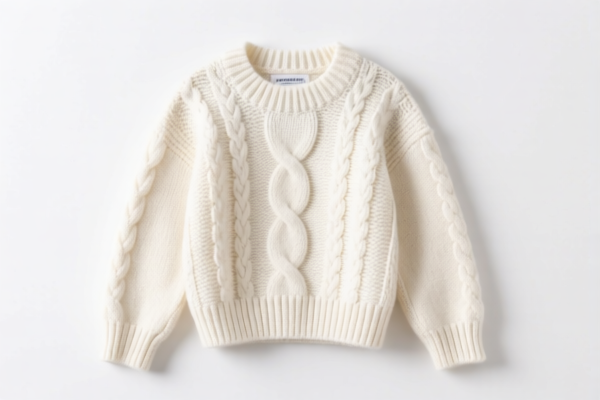
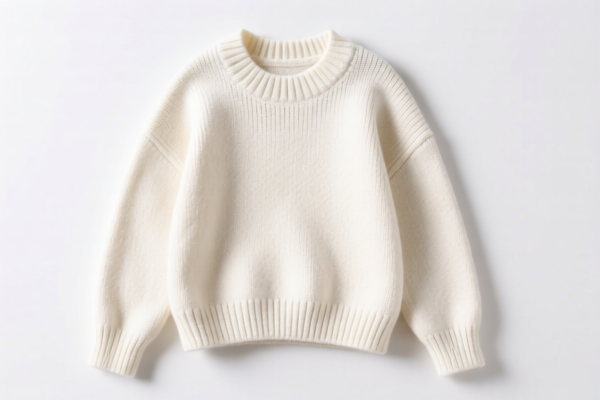


AI Analysis
👗 Girls' Cotton Knitted Sweater & Outerwear
🌐 HS Code Classification & Customs Clearance Guide | 2026 Latest Tariff Analysis | Professional Clearance Strategy
📌 I. Product Definition & Classification: Do You Really Understand "Cotton Knitted Girls' Apparel"?
Cotton knitted girls' apparel is a broad category in international trade. In the context of U.S. imports from China, precise classification depends on the garment structure (sweater vs. coat/jacket) and the specific cotton content restrictions. Misclassification can lead to significant duty differences (from 17.5% to 34.0%) and customs delays.
In this dataset, we distinguish between two main types: 1. Sweaters (Jumper-style): Knitted garments designed for warmth, typically with a crew neck, V-neck, or cardigan style, falling under Chapter 61.10. 2. Coats/Jackets (Outerwear): Knitted garments designed as outer layers, often with zippers, buttons, or heavier construction, falling under Chapter 61.04 or 61.11 (depending on specific weight/design nuances, though here mapped to 61.04/61.11).
⚠️ Key Distinction Point:
- If the garment is a "Sweater" (knitted, pullover or cardigan, primarily for warmth, not waterproof/windproof heavy outerwear) → Look at 6110.20 / 6104.32.
- If the garment is a "Coat/Jacket" (knitted, outerwear, potentially with specific cotton fiber restrictions) → Look at 6110.20 / 6104.39.
- Crucial Note: The dataset shows that some "Coats" are classified under 6111.20 (Knitted garments, usually for infants or specific thin knitted items) or 6104.32. Note: 6111 is typically for infants, but the summary explicitly links it to "Girls' Cotton Knitted Garments." We must follow the provided data strictly.
📦 II. HS Code Classification Details (2026 Latest Tariff Authority Comparison)
| HS Code | Product Description | Application Scenario | Total Tax Rate | Tax Breakdown |
|---|---|---|---|---|
6111.20.30.00 |
Cotton Knitted Girls' Garments | General knitted girls' wear, fits cotton knitted characteristics | 32.4% | Base: 14.9%, Section 301: 7.5%, Section 122: 10% |
6110.20.20.49 |
Cotton Knitted Girls' Outerwear | Cotton, knitted, girls' use, specific outerwear criteria | 34.0% | Base: 16.5%, Section 301: 7.5%, Section 122: 10% |
6104.32.00.00 |
Cotton Girls' Knitted Coat | Fully compliant with classification standards for knitted coats | 32.4% | Base: 14.9%, Section 301: 7.5%, Section 122: 10% |
6104.39.20.10 |
Cotton Girls' Knitted Coat | Subject to critical cotton fiber restrictions | 17.5% | Base: 0.0%, Section 301: 7.5%, Section 122: 10% |
6110.20.20.25 |
Cotton Knitted Girls' Garment | Consistent material, form, and use | 34.0% | Base: 16.5%, Section 301: 7.5%, Section 122: 10% |
🔍 Important Observation:
- There is a significant tax disparity between6104.39.20.10(17.5%) and others like6110.20.20.49(34.0%).
- The lower rate (17.5%) applies to6104.39.20.10because the Base Duty is 0.0%, likely due to specific trade agreements or exclusions for certain cotton fiber types, despite the high add-on tariffs.
- Section 122 Tariff (10%) applies universally across all these codes in the provided data, indicating a specific policy impact on cotton/apparel.
💰 III. 2026 Latest Tariff Rate Details (Including Additional Taxes & Policy Add-ons)
✅ Applicable Country: United States (US)
✅ Origin: China (CN)
✅ Effective Time: Current rates as per data (includes Section 301 & Section 122)
🎯 1. 6111.20.30.00 —— Cotton Knitted Girls' Garments
| Item | Content |
|---|---|
| Base Duty | 14.9% |
| Section 301 Tariff | +7.5% |
| Section 122 Tariff | +10.0% |
| Total Rate | 32.4% |
| Calculation | CIF Value × 32.4% |
| De Minimis Eligibility | ❌ No (Generally, Section 301/122 duties do not apply to de minimis, but for large shipments, this is critical) |
| Legal Basis Path | HTS:6111.20.30.00 → Section 301 → Section 122 |
📌 Explanation:
- This code is for general knitted cotton garments.
- The 32.4% total tax is substantial. Ensure the description clearly states "Cotton Knitted" to avoid being miscategorized as synthetic or non-knitted.
🎯 2. 6110.20.20.49 & 6110.20.20.25 —— Cotton Knitted Girls' Sweaters/Outerwear
| Item | Content |
|---|---|
| Base Duty | 16.5% |
| Section 301 Tariff | +7.5% |
| Section 122 Tariff | +10.0% |
| Total Rate | 34.0% |
| Calculation | CIF Value × 34.0% |
| De Minimis Eligibility | ❌ No |
| Legal Basis Path | HTS:6110.20.20.25/49 → Section 301 → Section 122 |
📌 Note:
- These codes represent the highest tax burden in this list (34.0%).
-6110.20specifically refers to "Sweaters, pullovers, cardigans, waistcoats and similar articles."
- If your product is a lightweight jacket, ensure it doesn't fall into this higher-category if a lower one is applicable.
🎯 3. 6104.32.00.00 —— Cotton Girls' Knitted Coat
| Item | Content |
|---|---|
| Base Duty | 14.9% |
| Section 301 Tariff | +7.5% |
| Section 122 Tariff | +10.0% |
| Total Rate | 32.4% |
| Calculation | CIF Value × 32.4% |
| De Minimis Eligibility | ❌ No |
| Legal Basis Path | HTS:6104.32.00.00 → Section 301 → Section 122 |
📌 Note:
-6104refers to "Women's or girls' suits, ensembles, suit-type, blazers, dresses, skirts, divided skirts, trousers, bib and brace overalls, breeches and shorts (other than swimwear)."
- Specifically,6104.32is "Of cotton."
- If the item is a knitted coat/jacket for girls, this code is highly relevant.
🎯 4. 6104.39.20.10 —— Cotton Girls' Knitted Coat (Special Cotton Restrictions)
| Item | Content |
|---|---|
| Base Duty | 0.0% |
| Section 301 Tariff | +7.5% |
| Section 122 Tariff | +10.0% |
| Total Rate | 17.5% |
| Calculation | CIF Value × 17.5% |
| De Minimis Eligibility | ❌ No |
| Legal Basis Path | HTS:6104.39.20.10 → Section 301 → Section 122 |
📌 Critical Opportunity:
- This code offers the lowest total tax rate (17.5%).
- The base duty is 0.0%, likely due to specific cotton quota arrangements or exclusion lists for certain cotton fiber types.
- Condition: Must meet the "critical limitation of cotton fiber" as stated in the summary. This requires precise material documentation.
🛠️ IV. Customs Clearance Practical Advice (Battle-Tested Pitfall Avoidance Guide)
✅ 1. Preparation Checklist (All Required)
| Document | Mandatory | Description |
|---|---|---|
| ✅ Product Specification Sheet | ✔️ | Material composition (100% Cotton? Blends?), Knitting type, Weight (GSM), Age group (Girls' size). |
| ✅ Garment Structure Photos | ✔️ | Front, back, inside, label, and stitching details to prove "Knitted" vs. "Woven." |
| ✅ Commercial Invoice | ✔️ | Clearly state "Cotton Knitted Girls' [Sweater/Coat]" and HS Code. |
| ✅ Packing List | ✔️ | Quantity, dimensions, weight. |
| ✅ Origin Certificate (CO) | ✔️ | If applicable for any preferential treatment (though Section 301/122 usually negates most preferences). |
| ✅ Material Test Report | ✔️ | Especially for 6104.39.20.10 to prove cotton fiber type compliance. |
✅ 2. Declaration Tips (Key Mantras)
🔥 "Knit, Cotton, Girls: Name It Right, Tax Right!"
| Scenario | Correct Declaration | Wrong Practice |
|---|---|---|
| Knitted Sweater | 6110.20.20.25 or 6110.20.20.49 |
Misdeclare as "Woven Jacket" → Higher duties or rejection |
| Knitted Coat/Jacket | 6104.32.00.00 or 6104.39.20.10 |
Misdeclare as "Sweater" → If it's a coat, penalties apply |
| Cotton Fiber Specific | Provide detailed fiber test for 6104.39.20.10 |
Claim "Cotton" without proof → Lose 17.5% rate |
| Section 122 Impact | Account for +10% in cost analysis | Ignore Section 122 → Unexpected cost spike |
✅ 3. Special Situation Handling
| Situation | Handling Advice |
|---|---|
| OEM Girls' Sweaters | Ensure the "Girls" designation is clear. If unisex, it might shift to 6104.39 or other codes. |
| Cotton Blends | If not 100% cotton, check if it still qualifies for the 0% base duty under 6104.39.20.10. Usually, "Of Cotton" implies >85% cotton. |
| Section 122 Tariff | This is a new/additional tariff. Confirm if it applies to your specific shipment date and value. |
| De Minimis (Section 321) | ❌ Not Eligible. Section 301 and Section 122 duties do not apply to de minimis shipments under $800. If shipping via mail/courier under $800, you might avoid these, but large B2B shipments will definitely pay. |
🌍 V. Global Market Clearance Comparison (2026 Latest)
| Country/Region | Recommended HS Code | Tariff (China Origin) | Certification | Notes |
|---|---|---|---|---|
| 🇺🇸 USA | 6104.39.20.10 (Lowest) |
17.5% (Best) / 32-34% | None specific | High Section 301/122 duties. |
| 🇨🇳 China | 6104.39.20.10 |
Varies (Import Tariff) | CCC (if applicable) | Not relevant for import to China. |
| 🇪🇺 EU | 6104.39 |
12% (MFN) | CE (if textile safety) | No Section 301/122. |
| 🇬🇧 UK | 6104.39 |
12% (MFN) | UKCA | Post-Brexit rules apply. |
📌 Conclusion:
- The USA is the most complex market due to Section 301 (7.5%) and Section 122 (10%) add-ons.
-6104.39.20.10is the most cost-effective code if the product meets the specific cotton fiber criteria.
- Always verify the base duty and add-on tariffs before pricing.
📌 VI. Common Errors & Pitfall Avoidance (Blood-Tested Lessons)
❌ Error 1: Misclassifying "Knitted Coats" as "Sweaters" (6110)
👉 Consequence: 6110 has 16.5% base duty vs. 6104's 0-14.9%. Incorrect classification may lead to audit or penalties.
❌ Error 2: Ignoring Section 122 Tariff
👉 Consequence: Forgetting the +10% charge in cost models leads to profit margin erosion.
❌ Error 3: Claiming "Cotton" without proof for 6104.39.20.10
👉 Consequence: If the cotton fiber doesn't meet the specific criteria, you lose the 0% base duty, jumping from 17.5% to 32.4%+.
❌ Error 4: Using "Girls' Dress" for a "Knitted Coat"
👉 Consequence: Customs may reclassify, causing delays and demurrage fees.
✅ Correct Practice:
"Girls' 100% Cotton Knitted Jacket, Front Zip, Hooded, Model ABC, Suitable for Ages 2-10"
🎯 VII. Conclusion: Professional Declaration, Save Time, Save Money!
🎯 Remember the Mantra:
🔹 "Base Duty Zero? Check Cotton Fiber! Section 122 Ten Percent? Don't Forget It!"
🔹 "HS Code Determines Fate, Tax Rate Differs by 17 Points, One Mistake Costs Thousands!"
📌 Pro Tip:
- If your cotton goods qualify for 6104.39.20.10, ensure your supplier provides a detailed fiber composition report to justify the 0% base duty.
- Apply for Advance Ruling if unsure about the classification between 6110 (Sweater) and 6104 (Coat).
📣 Immediate Action:
📞 Contact a professional customs broker + Provide garment photos + Confirm cotton fiber type
🚀 Ensure your Girls' Cotton Knitted Sweaters clear customs smoothly, efficiently, and profitably!
✨ Professional Clearance Starts with Accurate Classification!
💼 Every penny of your cost deserves precise calculation!
Customer Reviews
About HS Code Classification
The Harmonized System (HS) is an internationally standardized nomenclature developed by the World Customs Organization (WCO) to classify traded products. Over 200 countries use the HS system as the basis for customs tariffs, trade statistics, and import/export regulations.
Each HS code follows a hierarchical structure:
- Chapter (2 digits) — Broad category of goods (e.g., Chapter 84: Machinery and Mechanical Appliances)
- Heading (4 digits) — More specific grouping within the chapter
- Subheading (6 digits) — Internationally standardized breakdown, used by all WCO member countries
- National subdivisions (8-10 digits) — Country-specific extensions for further classification, such as US HTSUS 10-digit codes
Correct HS code classification is essential for smooth customs clearance, accurate duty payment, and compliance with trade regulations. Misclassification can lead to customs delays, overpayment of duties, or penalties.
When importing from CN to US, the applicable tariff rates may include:
- Most-Favored-Nation (MFN) rate — The standard duty rate applied to WTO members
- General rate — Applied to countries without trade agreements
- Trade remedy duties — Additional tariffs such as Section 301 (anti-dumping), Section 232 (national security), or countervailing duties
The information provided on this page is for reference purposes only. For official classification, please consult with your local customs authority or a licensed customs broker.