Girls' Cotton Shorts Ethnic Style
CN → US| HS Code | Tariff Rate | Origin | Destination | Doc |
|---|---|---|---|---|
| 6204628041 | 34.1% | CN | US | Official Doc |
| 6204628051 | 34.1% | CN | US | Official Doc |
| 6104622028 | 32.4% | CN | US | Official Doc |
| 6104622021 | 32.4% | CN | US | Official Doc |
| 6211421030 | 25.6% | CN | US | Official Doc |
Product Images
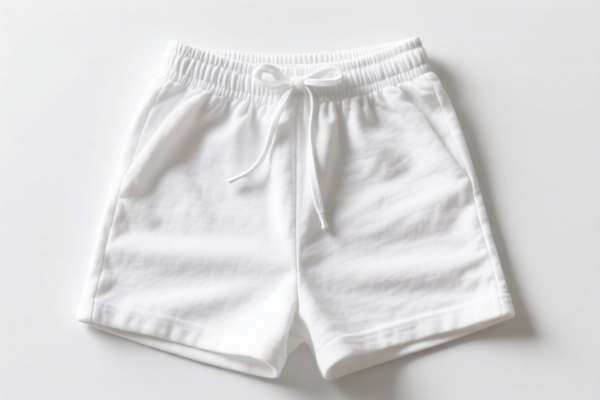
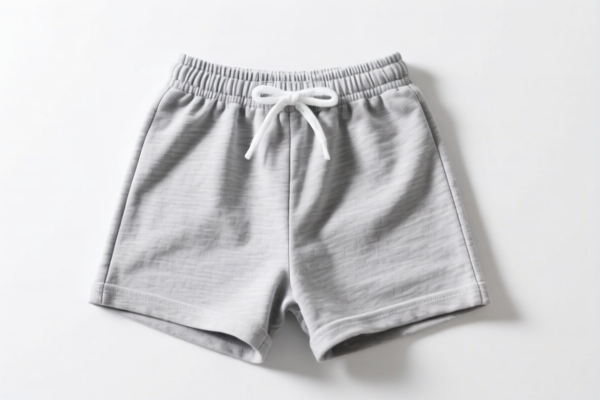
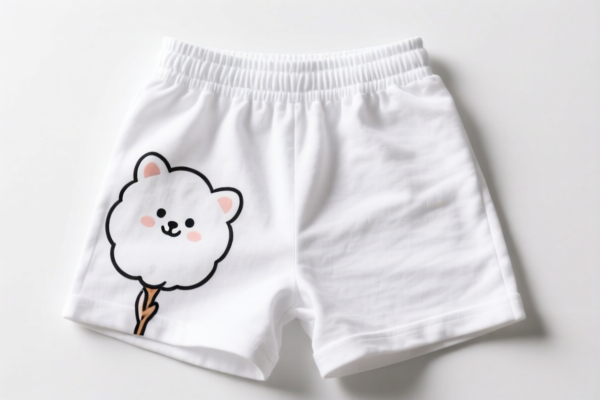
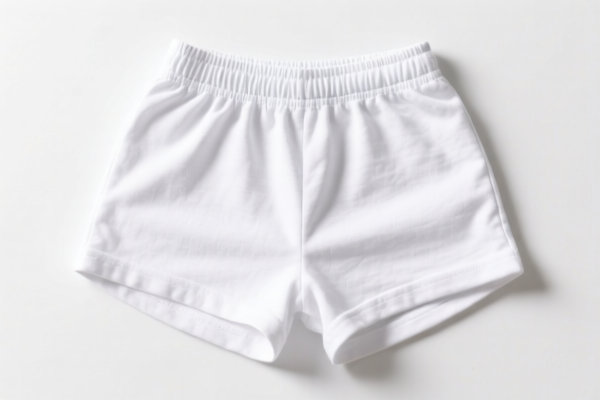
AI Analysis
👗 Girls' Cotton Ethnic-Style Shorts (Ethnic Cotton Shorts for Girls)
🌐 HS Code Reference & Clearance Guide | 2026 Latest Tariff Analysis | Professional Customs Strategy
📌 I. Product Definition & Classification: Do You Really Understand "Ethnic Girls' Cotton Shorts"?
Girls' cotton ethnic-style shorts are casual garments primarily made of cotton, designed for girls, and characterized by traditional or folk-inspired patterns, cuts, or embellishments. In international trade, they are classified based on their fabric composition (cotton), knitted vs. woven structure, and form (shorts/pants).
Key Distinctions: 1. Woven Cotton Shorts (Garments): Made from woven fabric (non-stretch or minimal stretch). These fall under Chapter 62. 2. Knitted/Crocheted Cotton Shorts: Made from knitted fabric (stretchy, jersey-like). These fall under Chapter 61. 3. "Ethnic Style" Impact: The "ethnic" description affects the summary and marketing but does not change the HS Code classification. Customs classification is based on material and construction, not aesthetic style. However, the summary in the data specifies "casual pants/shorts" for girls, which aligns with specific subheadings.
⚠️ Critical Classification Point:
- If the fabric is woven → Look to Chapter 62 (e.g., 6204.62).
- If the fabric is knitted → Look to Chapter 61 (e.g., 6104.62).
- The term "ethnic style" is a descriptive marketing term; it does not create a new HS Code category. You must choose between woven (6204) or knitted (6104) based on the physical product.
📦 II. HS Code Classification Details (2026 Latest Tariff Authority Match)
| HS Code | Product Description | Material | Form | Application | Total Tax Rate | Tax Detail |
|---|---|---|---|---|---|---|
6204.62.80.41 |
Cotton Girls' Casual Shorts | Cotton | Casual Shorts | Girls | 34.1% | Base: 16.6%, Additional: 7.5%, Section 301/122: 10% |
6204.62.80.51 |
Cotton Girls' Casual Shorts | Cotton | Casual Shorts | Girls | 34.1% | Base: 16.6%, Additional: 7.5%, Section 301/122: 10% |
6104.62.20.28 |
Cotton Girls' Casual Shorts | Cotton | Casual Shorts | Girls | 32.4% | Base: 14.9%, Additional: 7.5%, Section 301/122: 10% |
6104.62.20.21 |
Cotton Girls' Shorts | Cotton | Pants/Shorts | Girls | 32.4% | Base: 14.9%, Additional: 7.5%, Section 301/122: 10% |
6211.42.10.30 |
Cotton Girls' Casual Shorts | Cotton | Casual Shorts | Girls | 25.6% | Base: 8.1%, Additional: 7.5%, Section 301/122: 10% |
🔍 Key Insight:
- Woven (6204.62): Higher base tariff (16.6%). Suitable for structured, non-stretch cotton blends or pure cotton woven fabrics.
- Knitted (6104.62): Lower base tariff (14.9%). Suitable for jersey, t-shirt material, or stretchy cotton knits.
- Special Subheading (6211.42): Lowest base tariff (8.1%). This is often used for "other clothing" or specific casual wear categories. Note: Always verify if your specific ethnic design fits this subheading's legal text, as it may be broader than 6204.
💰 III. 2026 Latest Tariff Rate Breakdown (Including Additional Taxes)
✅ Applicable Country: United States (US)
✅ Origin: China (CN)
✅ Effective Date: 2025–2026 (Current Policy)
🎯 1. 6204.62.80.41 & 6204.62.80.51 —— Woven Cotton Girls' Shorts
| Item | Content |
|---|---|
| Base Tariff | 16.6% |
| Section 301/122 Additional Tariff | +7.5% |
| Section 122 Clause Tariff | +10% |
| Total Effective Rate | 34.1% |
| Tax Calculation | CIF Value × 34.1% |
| De Minimis Exemption? | ❌ No |
| Legal Basis | HTSUS 6204.62.80 → Footnotes 7.5% (301) + 10% (122) |
📌 Explanation:
- Base 16.6%: Standard MFN rate for women's/girls' woven trousers/shorts of cotton.
- Additional 7.5%: Part of ongoing trade measures (often referred to as Section 301 or similar ongoing tariffs).
- Section 122 Clause 10%: Specific additional duty applied under recent trade provisions.
- Total 34.1%: High tariff burden. Ensure your CIF value is accurate.
🎯 2. 6104.62.20.28 & 6104.62.20.21 —— Knitted Cotton Girls' Shorts
| Item | Content |
|---|---|
| Base Tariff | 14.9% |
| Section 301/122 Additional Tariff | +7.5% |
| Section 122 Clause Tariff | +10% |
| Total Effective Rate | 32.4% |
| Tax Calculation | CIF Value × 32.4% |
| De Minimis Exemption? | ❌ No |
| Legal Basis | HTSUS 6104.62.20 → Footnotes 7.5% (301) + 10% (122) |
📌 Note:
- Knitted garments have a lower base tariff (14.9% vs. 16.6%) but face the same additional tariffs.
- Savings: 1.7% compared to woven versions. If your fabric is knitted (e.g., jersey), use this code.
🎯 3. 6211.42.10.30 —— Other Cotton Girls' Casual Shorts (Special Category)
| Item | Content |
|---|---|
| Base Tariff | 8.1% |
| Section 301/122 Additional Tariff | +7.5% |
| Section 122 Clause Tariff | +10% |
| Total Effective Rate | 25.6% |
| Tax Calculation | CIF Value × 25.6% |
| De Minimis Exemption? | ❌ No |
| Legal Basis | HTSUS 6211.42.10 → Footnotes 7.5% (301) + 10% (122) |
📌 Strategic Advantage:
- This code offers the lowest total tariff (25.6%).
- Usage: Often applied to "other" casual wear items that may not strictly fit the primary definitions of 6204. If your "ethnic style" shorts have unique features (e.g., mixed materials, special cuts) that align with "other clothing," this code may be applicable. Verify with a customs broker to ensure compliance.
🛠️ IV. Customs Clearance Practical Advice (Avoid Pitfalls)
✅ 1. Documentation Checklist (Mandatory)
| Document | Required | Notes |
|---|---|---|
| Product Specification Sheet | ✔️ | Must specify: Cotton content (100% or blend), Woven/Knitted, Design (Ethnic pattern), Target Age (Girls) |
| Fabric Composition Label | ✔️ | Clear photo of the care label showing material breakdown |
| Product Photos | ✔️ | Front, back, detail shots of ethnic patterns, and tag |
| Commercial Invoice | ✔️ | Must state: "Girls' Cotton Ethnic-Style Casual Shorts" |
| Packing List | ✔️ | Include weights, dimensions, and package count |
| Certificate of Origin (CO) | ✔️ | If claiming any preferential treatment (though not applicable here due to high tariffs) |
✅ 2. Declaration Tips (Key Mantras)
🔥 "Woven vs. Knitted, Cotton is Key, Ethnic is Style, Code is Logic!"
| Scenario | Correct Declaration | Incorrect Practice |
|---|---|---|
| Woven Fabric (Non-stretch) | Use 6204.62.80.41/51 |
Misdeclare as knitted → Risk of penalty |
| Knitted Fabric (Stretchy) | Use 6104.62.20.21/28 |
Misdeclare as woven → Overpay tax or underpay |
| Unique Design Fits "Other" | Consider 6211.42.10.30 if justified |
Force into 6204 → Higher tax |
| "Ethnic Style" Mention | Include in description but not as basis for classification | Assume "ethnic" gets lower tax → Error |
✅ 3. Special Cases
| Situation | Handling Advice |
|---|---|
| Mixed Material (e.g., Cotton + Spandex) | If >50% cotton, still falls under cotton rules. Note the % of spandex in specs. |
| Accessories Included (e.g., Embroidery) | Embroidery is part of the garment; do not split into "embroidery" and "shorts". |
| Sample vs. Bulk | Ensure samples match bulk material composition exactly. |
| Seasonal Items | No seasonal tariff differences; classification remains consistent. |
🌍 V. Global Market Comparison (2026 Latest)
| Country/Region | Recommended HS Code | Tariff (China Origin) | Certification | Notes |
|---|---|---|---|---|
| 🇺🇸 USA | 6204.62.80.41 / 6104.62.20.21 |
25.6% – 34.1% | None (Cotton Apparel) | High tariffs due to Section 122/301. |
| 🇨🇳 China | 6204.62 / 6104.62 |
8% – 15% | CCC (if applicable) | Lower base rates; no additional US tariffs. |
| 🇪🇺 EU | 6204.63 / 6104.63 |
12% | CE (if needed) | No Section 122 tariffs. |
| 🇬🇧 UK | 6204.63 / 6104.63 |
12% | UKCA | Post-Brexit tariffs apply. |
📌 Conclusion:
- USA is the most challenging market due to 25.6%–34.1% total tariffs.
- EU/UK/China offer significantly lower tariff burdens.
- If exporting to the US, cost calculation must include the full 25.6%–34.1%. Consider sourcing from non-China origins if possible to avoid Section 122/301 tariffs.
📌 VI. Common Mistakes & Pitfalls (Lessons Learned)
❌ Mistake 1: Ignoring Woven vs. Knitted distinction
👉 Consequence: Wrong HS Code → Customs delays, penalties, or back taxes.
✅ Fix: Test fabric stretch. If it stretches and springs back, it's likely knitted (6104). If rigid, it's woven (6204).
❌ Mistake 2: Assuming "Ethnic Style" lowers tariffs
👉 Consequence: No tariff benefit. Customs classifies by material, not style.
✅ Fix: Focus on accurate material description. Use "Ethnic" only in product description for marketing, not classification.
❌ Mistake 3: Missing the Section 122 Clause (10%)
👉 Consequence: Underestimating total tax cost → Margin erosion.
✅ Fix: Always add 10% for Section 122 if importing from China to the US.
❌ Mistake 4: Misdeclaring as "Other Clothing" (6211) without justification
👉 Consequence: Audit risk. If goods clearly fit 6204/6104, using 6211 may be seen as misclassification.
✅ Fix: Use 6211 only if the product has unique features not covered by 6204/6104.
🎯 VII. Conclusion: Smart Classification, Cost Control, Efficient Clearance
🎯 Remember:
🔹 "Woven is 6204, Knitted is 6104. Ethnic is just style, Cotton is the key!"
🔹 "Section 122 adds 10%, Section 301 adds 7.5%. Total tax is high, plan your cost!"
🔹 "6211 might save money, but prove it fits, or you'll regret it!"
📌 Pro Tip:
If your girls' cotton shorts are knitted (6104), you save 1.7% compared to woven. If they qualify for 6211.42.10.30, you save 8.5%–16.1% compared to standard 6204 codes. Consult a customs broker to confirm eligibility for the lower-rate codes.
📣 Immediate Action:
📞 Contact a licensed customs broker + Provide fabric swatch + Confirm HS Code via Pre-Ruling
🚀 Ensure your girls' ethnic shorts clear US customs smoothly, avoid unexpected taxes, and protect your profit margins!
✨ Professional Customs Clearance Starts with Accurate Classification!
💼 Every percentage point matters in global trade!
Customer Reviews
About HS Code Classification
The Harmonized System (HS) is an internationally standardized nomenclature developed by the World Customs Organization (WCO) to classify traded products. Over 200 countries use the HS system as the basis for customs tariffs, trade statistics, and import/export regulations.
Each HS code follows a hierarchical structure:
- Chapter (2 digits) — Broad category of goods (e.g., Chapter 84: Machinery and Mechanical Appliances)
- Heading (4 digits) — More specific grouping within the chapter
- Subheading (6 digits) — Internationally standardized breakdown, used by all WCO member countries
- National subdivisions (8-10 digits) — Country-specific extensions for further classification, such as US HTSUS 10-digit codes
Correct HS code classification is essential for smooth customs clearance, accurate duty payment, and compliance with trade regulations. Misclassification can lead to customs delays, overpayment of duties, or penalties.
When importing from CN to US, the applicable tariff rates may include:
- Most-Favored-Nation (MFN) rate — The standard duty rate applied to WTO members
- General rate — Applied to countries without trade agreements
- Trade remedy duties — Additional tariffs such as Section 301 (anti-dumping), Section 232 (national security), or countervailing duties
The information provided on this page is for reference purposes only. For official classification, please consult with your local customs authority or a licensed customs broker.