Girls' Detachable Sleeveless Ski Jacket (Breathable)
CN → US| HS Code | Tariff Rate | Origin | Destination | Doc |
|---|---|---|---|---|
| 6210305020 | 24.6% | CN | US | Official Doc |
| 6210205020 | 24.6% | CN | US | Official Doc |
| 6112201040 | 45.7% | CN | US | Official Doc |
| 6211205830 | 38.0% | CN | US | Official Doc |
| 6211201565 | 24.6% | CN | US | Official Doc |
Product Images
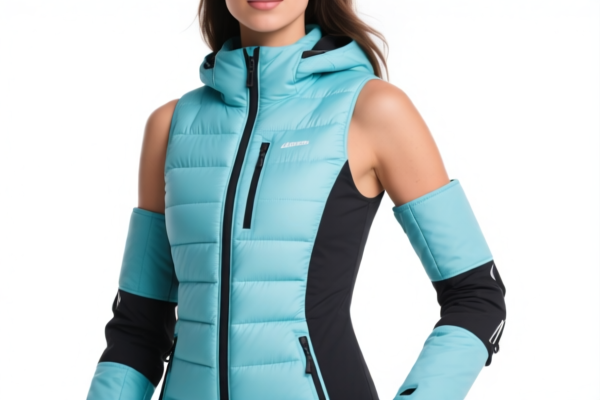
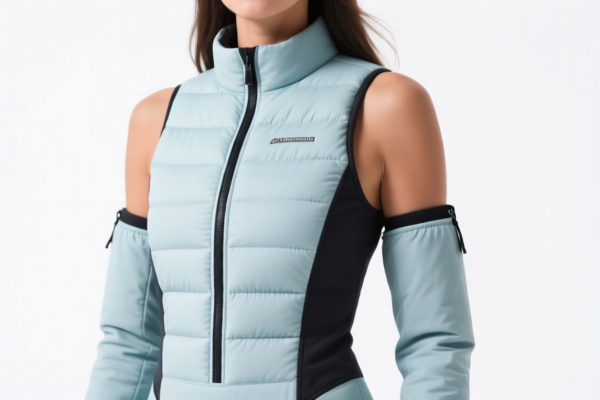
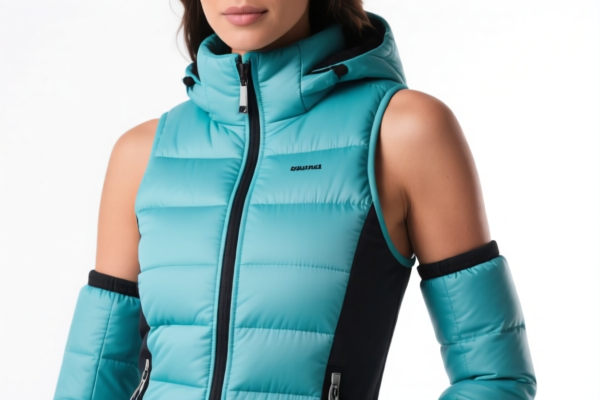
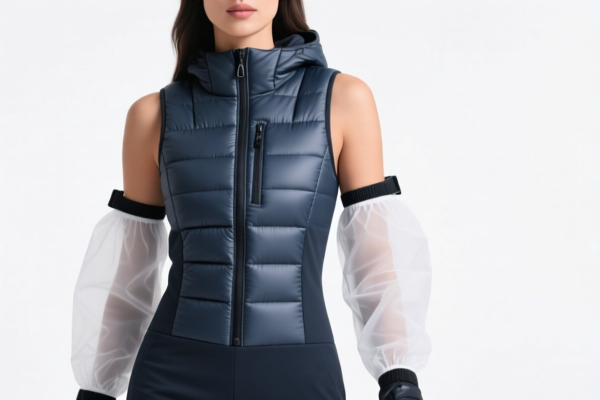
AI Analysis
🎿 Girls' Detachable Sleeveless Ski Jacket (Breathable)
🌐 HS Code Reference & Customs Clearance Guide | 2024-2026 Latest Tariff Analysis | Professional Transit Strategy
📌 I. Product Definition & Classification: What is this "Ski Jacket"?
A Girls' Detachable Sleeveless Ski Jacket is a specialized outerwear garment designed for winter sports. Its key features are: * Detachable Sleeves: Can be worn as a vest (sleeveless) or with sleeves attached. * Breathable: Fabric allows moisture vapor to escape, crucial for active sports. * Usage: Skiing, snowboarding, or general winter outdoor activities.
In international trade, classification depends heavily on material composition (synthetic vs. artificial/man-made) and specific functional characteristics (waterproof vs. general outdoor). Misclassification can lead to significant tariff differences.
⚠️ Key Distinction Points:
- Synthetic Fibers (e.g., Polyester, Nylon): Generally classified under Heading 6210 or 6112 depending on knitted vs. woven and specific sport designation.
- Artificial Fibers (e.g., Rayon, Acrylic blends): Classified under 6210.
- Specialized Ski Wear (Knitted): If explicitly designed for skiing and knitted, it may fall under 6112.
- Waterproof vs. Non-Waterproof: This is the critical differentiator for Heading 6211 sub-headings.
📦 II. HS Code Classification Details (Based on Provided Data)
The following HS Codes are derived strictly from the provided data. Note that tax rates vary significantly based on the specific material and functional claims.
| HS Code | Product Summary & Classification Logic | Total Tax Rate | Tax Composition Breakdown |
|---|---|---|---|
| 6210.30.50.20 | Girls' sleeveless detachable-sleeve ski jacket, breathable, classified as synthetic fiber leisure performance outerwear. (Note: "Synthetic" usually refers to polyester/nylon woven fabrics) |
24.6% | Base: 7.1% Section 301: 7.5% Section 122: 10% |
| 6210.20.50.20 | Girls' sleeveless detachable-sleeve ski jacket, breathable, classified as artificial fiber outerwear. (Note: "Artificial" refers to regenerated fibers like rayon) |
24.6% | Base: 7.1% Section 301: 7.5% Section 122: 10% |
| 6112.20.10.40 | Girls' quilted sleeveless jacket with detachable sleeves, breathable, classified as chemical fiber sport ski wear. (Note: Quilted & Knitted/Sport specific often triggers higher base rates) |
45.7% | Base: 28.2% Section 301: 7.5% Section 122: 10% |
| 6211.20.58.30 | Girls' sleeveless jacket with detachable sleeves, breathable, classified as other material ski wear. (Note: General "Other Ski Wear" category) |
38.0% | Base: 28.0% Section 301: 0.0% Section 122: 10% |
| 6211.20.15.65 | Girls' sleeveless jacket with detachable sleeves, breathable, classified as other waterproof ski wear. (Note: Explicitly claimed "Waterproof" function) |
24.6% | Base: 7.1% Section 301: 7.5% Section 122: 10% |
🔍 Critical Analysis:
- Lowest Tax Option (24.6%): Achieved via 6210.30.50.20 (Synthetic), 6210.20.50.20 (Artificial), or 6211.20.15.65 (Waterproof).
- Highest Tax Option (45.7%): Triggered by 6112.20.10.40 due to the high Base Tariff (28.2%) for knitted sport ski wear.
- Section 301 Impact: Most categories incur a 7.5% additional tariff, EXCEPT 6211.20.58.30 which shows 0.0% Section 301, but has a high base rate (28%).
💰 III. 2026 Latest Tariff Rate Breakdown (Including Additional Duties)
✅ Applicable Country: United States (US)
✅ Origin: China (CN) (Implied by Section 301/122 references)
✅ Effective Time: Current regulations apply
🎯 1. Category A: Low Base Rate Group (24.6% Total)
Codes: 6210.30.50.20, 6210.20.50.20, 6211.20.15.65
| Item | Details |
|---|---|
| Base Tariff | 7.1% (Ad Valorem) |
| Section 301 Duty | +7.5% (Additional duty on Chinese goods) |
| Section 122 Duty | +10% (Trade enforcement action) |
| Total Effective Rate | 24.6% |
| Calculation Basis | CIF Value (Cost + Insurance + Freight) × 24.6% |
| De Minimis Exemption | ❌ Not Eligible (Value > $800 threshold usually, and specific textile rules apply) |
📌 Explanation:
- These classifications are favored for their low base tariff (7.1%).
- 6211.20.15.65 is particularly strategic if the product can be legitimately marketed and documented as "Waterproof", as it avoids the high base rate of other ski wear categories.
🎯 2. Category B: Medium Base Rate Group (38.0% Total)
Code: 6211.20.58.30
| Item | Details |
|---|---|
| Base Tariff | 28.0% |
| Section 301 Duty | 0.0% (Exempt or specific exclusion) |
| Section 122 Duty | +10% |
| Total Effective Rate | 38.0% |
| Calculation Basis | CIF Value × 38.0% |
📌 Explanation:
- Although Section 301 is 0%, the high base rate (28.0%) makes this more expensive than Category A.
- Suitable only if the product does NOT fit the "Synthetic/Artificial" (6210) or "Waterproof" (6211.15) descriptions but fits "Other Ski Wear."
🎯 3. Category C: High Base Rate Group (45.7% Total)
Code: 6112.20.10.40
| Item | Details |
|---|---|
| Base Tariff | 28.2% |
| Section 301 Duty | +7.5% |
| Section 122 Duty | +10% |
| Total Effective Rate | 45.7% |
| Calculation Basis | CIF Value × 45.7% |
📌 Explanation:
- This is the most expensive classification.
- It applies to Knitted (Heading 61) "Chemical Fiber Sport Ski Wear."
- Avoid this classification unless the jacket is demonstrably knitted (e.g., heavy fleece/quilted knit construction) and cannot be classified under woven headings (62).
🛠️ IV. Customs Clearance Practical Advice (Risk Avoidance Guide)
✅ 1. Documentation Checklist (Non-Negotiable)
| Document | Required? | Key Information to Include |
|---|---|---|
| ✅ Product Specification Sheet | ✔️ | Must clearly state: "Breathable," "Detachable Sleeves," Material (Polyester/Nylon vs. Rayon), and Water Resistance Level (DWR vs. Fully Waterproof). |
| ✅ Fabric Composition Label | ✔️ | Exact % of Synthetic (e.g., 100% Polyester) vs. Artificial (e.g., 100% Rayon). This dictates between 6210.30 and 6210.20. |
| ✅ Technical Photos | ✔️ | Show the jacket worn as a vest AND with sleeves attached. Show the "Waterproof" membrane/label if claiming 6211.20.15.65. |
| ✅ Commercial Invoice | ✔️ | Description must match HS Code logic. E.g., "Synthetic Fiber Ski Jacket" for 6210.30. |
| ✅ Packing List | ✔️ | List all detachable parts as part of the main item to avoid "parts" classification errors. |
✅ 2. Strategic Classification Tips (The "Golden Rules")
🔥 “Material Determines Code, Function Determines Rate!”
| Scenario | Recommended HS Code | Why? |
|---|---|---|
| Jacket is Polyester/Nylon (Woven) | 6210.30.50.20 |
Lowest base rate (7.1%) for synthetic woven outerwear. |
| Jacket is Rayon/Acrylic (Woven) | 6210.20.50.20 |
Lowest base rate (7.1%) for artificial woven outerwear. |
| Jacket is Fully Waterproof | 6211.20.15.65 |
"Waterproof" designation allows entry into a lower-tax sub-category of Ski Wear (24.6% vs 38%/45.7%). |
| Jacket is Knitted & Quilted | 6112.20.10.40 |
Highest Risk. Only use if truly knitted. High tax (45.7%). |
| Jacket is "Other" Ski Wear | 6211.20.58.30 |
Use only if it doesn't fit Synthetic/Artificial/Waterproof definitions. Note 0% Sec 301 but high base. |
✅ 3. Common Pitfalls & How to Avoid Them
| ❌ Mistake | ✅ Consequence | ✅ Correct Action |
|---|---|---|
| Misidentifying "Breathable" as "Waterproof" | If you claim "Waterproof" for 6211.20.15.65 but the jacket only has DWR coating (not fully waterproof seams), Customs may reclassify to 6211.20.58.30 (38%) or audit for fraud. |
Be Honest. If it's not seam-sealed waterproof, use 6210.30 (24.6%). It’s cheaper and safer than claiming a feature you don’t have. |
| Ignoring "Detachable Sleeves" Structure | Customs might classify detachable parts separately, leading to complex multi-line entries and potential errors. | Declare as One Article. The jacket with detachable sleeves is considered a single garment for classification under 6210/6211. |
| Assuming "Ski Jacket" = High Tax | Many believe all ski wear is taxed at 28%+. | Reality Check: Only Knitted (6112) or Non-Waterproof/Other (6211.58) are high tax. Woven Synthetic/Artificial (6210) is low tax (7.1% base). |
| Forgetting Section 122 | All options above include a 10% Section 122 tariff. | Factor this in. Even the "cheapest" 24.6% rate is significantly higher than standard MFN rates due to this additional duty. |
🌍 V. Market Comparison & Strategy (2026 Outlook)
| Market | Recommended Classification | Estimated Total Duty | Strategy |
|---|---|---|---|
| 🇺🇸 USA | 6210.30.50.20 or 6211.20.15.65 |
24.6% | Opt for Woven Synthetic or Waterproof to avoid the 28% base rate. |
| 🇨🇳 China | 6210.30.50.20 |
5-10% (Import Duty) | Lower base rates globally, but US export is the focus here. |
| 🇪🇺 EU | 6210.90.90 (General) |
4-12% | No Section 301/122. Focus on material composition for duty minimization. |
📌 Conclusion:
The US market imposes heavy tariffs on Chinese textiles. The 24.6% rate is the "sweet spot."
- Avoid Knitted classifications (6112) unless unavoidable.
- Leverage the "Waterproof" claim if technically accurate to stay under 30%.
- Verify Fabric Composition carefully to choose between6210.30(Synthetic) and6210.20(Artificial).
📌 VI. Final Clearance Checklist for Exporters
- Test Report: Obtain a lab test confirming "Breathability" (MVTR) and "Water Resistance" (Hydrostatic Head) to support your HS Code choice.
- Labeling: Ensure care labels clearly state fiber content (e.g., "100% Polyester").
- Sample Submission: Provide a physical sample to your customs broker for pre-classification review.
- Invoice Description: Use precise language: "Girls' Synthetic Fiber Ski Jacket, Breathable, Detachable Sleeves."
🎯 VII. Conclusion: Precision Drives Profit
🎯 Remember:
🔹 "Woven is Low, Knitted is High."
🔹 "Waterproof is Key, but Must Be True."
🔹 "Synthetic/Artificial Beats 'Other'."
With a 24.6% total tariff, you save ~20% compared to the worst-case scenario (45.7%). That’s a massive difference in margin for a $50 jacket ($12.35 vs $22.85 in tax).
📌 Pro Tip:
If your product is knitted, consider modifying the design to a woven construction if possible, to move from Heading 61 to 62, saving you nearly 21% in total duties.
📣 Immediate Action Required:
📞 Consult your Customs Broker with your fabric composition report.
📄 Request a Binding Ruling if the product has unique features.
🚀 Optimize your HS Code now to maximize your competitiveness in the US market!
✨ Smart Classification, Smarter Trade!
💼 Every percentage point saved is pure profit!
Customer Reviews
About HS Code Classification
The Harmonized System (HS) is an internationally standardized nomenclature developed by the World Customs Organization (WCO) to classify traded products. Over 200 countries use the HS system as the basis for customs tariffs, trade statistics, and import/export regulations.
Each HS code follows a hierarchical structure:
- Chapter (2 digits) — Broad category of goods (e.g., Chapter 84: Machinery and Mechanical Appliances)
- Heading (4 digits) — More specific grouping within the chapter
- Subheading (6 digits) — Internationally standardized breakdown, used by all WCO member countries
- National subdivisions (8-10 digits) — Country-specific extensions for further classification, such as US HTSUS 10-digit codes
Correct HS code classification is essential for smooth customs clearance, accurate duty payment, and compliance with trade regulations. Misclassification can lead to customs delays, overpayment of duties, or penalties.
When importing from CN to US, the applicable tariff rates may include:
- Most-Favored-Nation (MFN) rate — The standard duty rate applied to WTO members
- General rate — Applied to countries without trade agreements
- Trade remedy duties — Additional tariffs such as Section 301 (anti-dumping), Section 232 (national security), or countervailing duties
The information provided on this page is for reference purposes only. For official classification, please consult with your local customs authority or a licensed customs broker.