Girls' Down Ski Suit
CN → US| HS Code | Tariff Rate | Origin | Destination | Doc |
|---|---|---|---|---|
| 6211205820 | 38.0% | CN | US | Official Doc |
| 6112201040 | 38.2% | CN | US | Official Doc |
| 6202402500 | 21.9% | CN | US | Official Doc |
| 6211201545 | 24.6% | CN | US | Official Doc |
| 6202404500 | 24.6% | CN | US | Official Doc |
Product Images
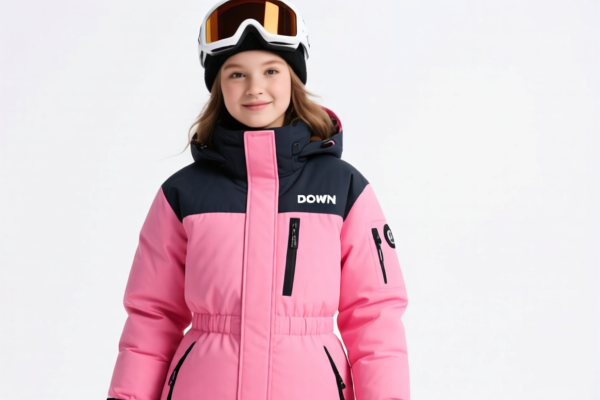
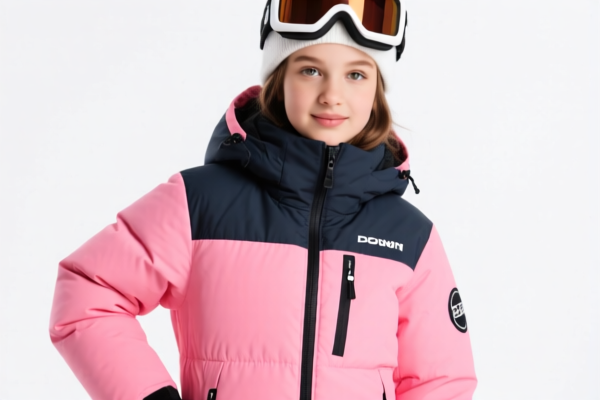
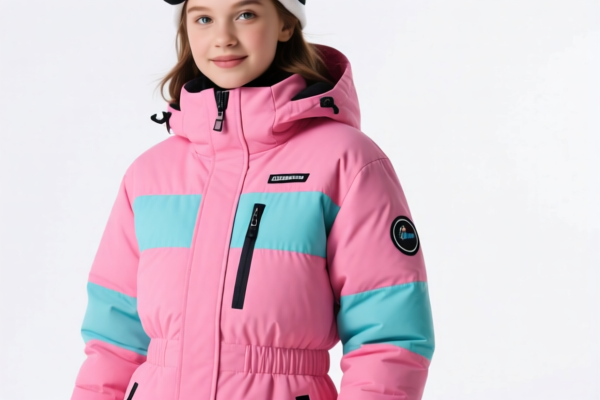
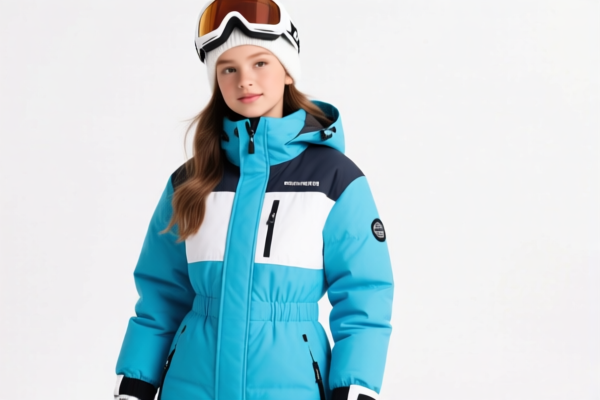
AI Analysis
🎿 Girls' Down Ski Suits: The Ultimate HS Code Classification & Duty Optimization Guide
🌐 HS Code Reference & Customs Clearance Guide | 2026 Latest Tariff Analysis | Professional Strategy
📌 I. Product Definition: What Exactly is a "Girls' Down Ski Suit"?
A "Girls' Down Ski Suit" is a specialized winter outer garment designed for young females, primarily used for skiing, snowboarding, or other snow sports. In international trade, its classification hinges on two critical factors: 1. Material Composition: Is it filled with natural down (duck/goose feathers) or synthetic fibers (polyester, nylon, etc.)? 2. Garment Type: Is it a jacket/coat (Class 61/62) or part of a skisuit (Class 61/62 specific subheadings)?
⚠️ Critical Distinction:
- If the suit is made of knitted/crocheted fabric (e.g., fleece-lined, knitted outer shell), it generally falls under Chapter 61.
- If the suit is made of woven fabric (e.g., nylon shell, windproof woven material), it generally falls under Chapter 62.
- "Down" refers to the filling. If the filling is natural down, it may trigger different material rules than synthetic insulation.
📦 II. HS Code Classification Details (2026 Latest Tariff Authority)
Based on the provided data, here are the five possible HS Codes for Girls' Down Ski Suits, along with their specific tax implications. Note that the data implies a mix of synthetic and non-cotton materials, likely due to the complexity of "down-filled" garments which often use synthetic shells or blends.
| HS Code | Product Description | Application Scenario | Material Inference | Total Tax Rate |
|---|---|---|---|---|
6211.20.58.20 |
Girls' Ski Jacket, woven | Matches ski-specific usage | Inferred as Synthetic Fiber | 38.0% |
6112.20.10.40 |
Girls' Ski Jacket, knitted | Matches jacket form factor | Inferred as Chemical Fiber | 38.2% |
6202.40.25.00 |
Girls' Coat/Anorak | Matches outdoor/winter wear | Inferred as Artificial Fiber | 21.9% |
6211.20.15.45 |
Girls' Ski Jacket, woven | Matches风衣/夹克 (Windbreaker/Jacket) | Inferred as Non-Cotton | 24.6% |
6202.40.45.00 |
Ski Jacket/Coat | Matches ski-specific usage | Inferred as Artificial Fiber/Water-Resistant | 24.6% |
🔍 Key Insight:
- Chapter 62 (Woven) codes (6211,6202) generally apply to outerwear made of woven fabrics (common for ski shells).
- Chapter 61 (Knitted) code (6112) applies if the garment is knitted (less common for high-performance ski shells but possible for casual winter wear).
- The Total Tax Rates vary significantly (21.9% – 38.2%) due to different base duties and the application of Section 122 tariffs.
💰 III. 2026 Latest Tariff Rate Breakdown (Including Additional Duties & Policy Surcharges)
✅ Applicable Country: United States (US)
✅ Origin: China (CN) (Implied by "Section 122" and high tariff structure)
✅ Effective Time: Current (2026)
🎯 1. 6211.20.58.20 – Girls' Ski Jacket (Woven, Synthetic)
| Item | Detail |
|---|---|
| Base Tariff | 28.0% |
| Section 301/Trade War Tariff | 0.0% |
| Section 122 Tariff | 10.0% |
| Total Effective Rate | 38.0% |
| Tax Calculation | CIF Value × 38.0% |
| De Minimis Exemption | ❌ Not Eligible (Section 122 often restricts de minimis for certain origins/categories) |
📌 Explanation:
- This code assumes a woven, synthetic-fiber ski jacket.
- The 10% Section 122 tariff is a specific additional duty, likely related to national security or trade enforcement measures.
- High Duty Alert: 38% is a significant cost driver.
🎯 2. 6112.20.10.40 – Girls' Ski Jacket (Knitted, Chemical Fiber)
| Item | Detail |
|---|---|
| Base Tariff | 28.2% |
| Section 301/Trade War Tariff | 0.0% |
| Section 122 Tariff | 10.0% |
| Total Effective Rate | 38.2% |
| Tax Calculation | CIF Value × 38.2% |
| De Minimis Exemption | ❌ Not Eligible |
📌 Note:
- Slightly higher than6211due to a higher base rate (28.2% vs 28.0%).
- Applies to knitted jackets (e.g., fleece-lined ski suits).
🎯 3. 6202.40.25.00 – Girls' Coat (Outdoor Wear, Artificial Fiber)
| Item | Detail |
|---|---|
| Base Tariff | 4.4% |
| Section 301/Trade War Tariff | 7.5% |
| Section 122 Tariff | 10.0% |
| Total Effective Rate | 21.9% |
| Tax Calculation | CIF Value × 21.9% |
| De Minimis Exemption | ❌ Not Eligible |
📌 Optimization Opportunity:
- This is the lowest tax rate among the options.
- It classifies the item as a general "coat" or "outwear" rather than a specialized "ski jacket."
- Risk: If customs determines the item is specifically for skiing, they may reclassify it to6211or6202.40.45.00. However, if marketed as general winter outerwear, this code offers significant savings.
🎯 4. 6211.20.15.45 – Girls' Ski Jacket (Woven, Non-Cotton)
| Item | Detail |
|---|---|
| Base Tariff | 7.1% |
| Section 301/Trade War Tariff | 7.5% |
| Section 122 Tariff | 10.0% |
| Total Effective Rate | 24.6% |
| Tax Calculation | CIF Value × 24.6% |
| De Minimis Exemption | ❌ Not Eligible |
📌 Explanation:
- Lower base tariff (7.1%) compared to6211.20.58.20(28.0%).
- Classification hinges on the specific subheading for "Other" woven garments not elsewhere specified.
- Good Balance: Lower than 38%, but higher than the general coat code.
🎯 5. 6202.40.45.00 – Ski Jacket/Coat (Artificial Fiber/Water-Resistant)
| Item | Detail |
|---|---|
| Base Tariff | 7.1% |
| Section 301/Trade War Tariff | 7.5% |
| Section 122 Tariff | 10.0% |
| Total Effective Rate | 24.6% |
| Tax Calculation | CIF Value × 24.6% |
| De Minimis Exemption | ❌ Not Eligible |
📌 Note:
- Same total tax as6211.20.15.45.
- Classifies as a general coat with water-resistant or artificial fiber properties.
- Strategic Choice: If the product is not exclusively marketed as "ski-specific" but as "winter outdoor wear," this code may be applicable and offers cost savings.
🛠️ IV. Customs Clearance Practical Advice (Avoid Pitfalls)
✅ 1. Documentation Checklist (Must-Haves)
| Document | Required? | Purpose |
|---|---|---|
| ✅ Product Specification Sheet | ✔️ | Must detail: Filling type (Down vs. Synthetic), Outer fabric composition (Woven vs. Knitted), Water-resistant treatment. |
| ✅ Material Test Report | ✔️ | To confirm "Artificial Fiber" vs. "Natural Down." Crucial for determining Chapter 61 vs. 62. |
| ✅ Product Photos | ✔️ | Clear images of the garment, labels, and stitching. Show if it's a jacket (open front) or a snowsuit (one-piece). |
| ✅ Commercial Invoice | ✔️ | Accurate description: "Girls' Winter Outerwear Jacket" vs. "Girls' Ski Jacket." |
| ✅ Origin Certificate (CO) | ✔️ | If shipped from non-China origins, may avoid Section 122. |
| ✅ Packing List | ✔️ | Detailed breakdown of items per package. |
✅ 2. Declaration Tips (Key Strategies)
🔥 "Material Defines Chapter, Function Defines Duty!"
| Scenario | Recommended HS Code | Reasoning |
|---|---|---|
| Woven, Synthetic Fill, Specific Ski Design | 6211.20.58.20 |
High specificity leads to higher duty (38%). |
| Knitted, Fleece/Synthetic, Casual Winter Wear | 6112.20.10.40 |
Knitted items go to Chapter 61. |
| Woven, General Winter Coat, Not Ski-Specific | 6202.40.25.00 |
Best for Cost Savings (21.9%). Market as "Winter Coat," not "Ski Suit." |
| Woven, Non-Cotton, General Outerwear | 6211.20.15.45 |
Good middle ground (24.6%). |
| Woven, Water-Resistant, General Outdoor Use | 6202.40.45.00 |
Good middle ground (24.6%). |
📌 Critical Advice:
- Avoid "Ski Suit" in the product name if you want to qualify for lower-duty codes like6202.40.25.00. Use "Girls' Winter Jacket" or "Outdoor Winter Coat."
- Confirm Material: If the shell is knitted, you must use a61xxcode. If woven, use62xx. Misclassification leads to penalties.
✅ 3. Special Cases
| Case | Handling Advice |
|---|---|
| Down Filling | If the filling is natural down, ensure the outer fabric classification is accurate. Some "down" suits may qualify for different subheadings if the outer fabric is natural fiber (e.g., cotton), but most ski suits are synthetic shells. |
| One-Piece Snowsuit | If it's a one-piece snowsuit (jacket + pants connected), it may fall under 6211.20 (Ski Suits) specifically, which often has higher duties. Separate jackets and pants if possible to use general coat codes. |
| Origin Diversification | If you can source from Vietnam, Thailand, or Mexico, you may avoid Section 122 tariffs, significantly reducing costs. |
🌍 V. Global Market Comparison (2026)
| Country/Region | Recommended HS Code | Tariff Rate | Certification | Notes |
|---|---|---|---|---|
| 🇺🇸 USA | 6202.40.25.00 (if applicable) |
21.9% | CPSIA, ASTM F2913 (Safety) | Avoid "Ski Suit" description to save duty. |
| 🇨🇳 China | 6202.40.25.00 |
~5-10% | CCC (if applicable) | Lower base tariffs. |
| 🇪🇺 EU | 6202.40.25.00 |
0-12% | REACH, CPSIA | Varies by exact material. |
| 🇬🇧 UK | 6202.40.25.00 |
0-12% | UKCA | Post-Brexit rules apply. |
| 🇨🇦 Canada | 6202.40.25.00 |
0-16% | Canada Consumer Product Safety Act | NAFTA/USMCA may apply if origin is North American. |
📌 Conclusion:
- USA is the most challenging market due to Section 122 tariffs.
- Marketing Strategy: Label products as "Winter Coats" or "Outdoor Jackets" rather than "Ski Suits" to potentially qualify for lower-duty codes (6202series).
📌 VI. Common Errors & Pitfalls (Blood Lessons)
❌ Error 1: Calling it a "Ski Suit" to appeal to consumers, resulting in 38% duty.
👉 Consequence: Unnecessary high costs. Use "Winter Jacket" in customs docs.
❌ Error 2: Misidentifying woven vs. knitted fabric.
👉 Consequence: Customs reclassification, fines, and delays.
👉 Fix: Provide material test reports.
❌ Error 3: Ignoring Section 122 Tariffs.
👉 Consequence: Unexpected 10% additional duty.
👉 Fix: Always include Section 122 in cost calculations.
❌ Error 4: Assuming "Down" automatically means a specific duty.
👉 Consequence: "Down" affects the filling, but the outer fabric determines the Chapter (61 or 62).
👉 Fix: Classify based on outer fabric first.
✅ Correct Practice:
"Girls' Woven Winter Jacket, Synthetic Fill, Water-Resistant, Model XYZ, ASTM Certified"
🎯 VII. Conclusion: Professional Classification Saves Money!
🎯 Remember the Golden Rules:
🔹 "Woven = Ch62, Knitted = Ch61"
🔹 "Ski Suit = High Duty, Winter Coat = Lower Duty"
🔹 "Section 122 = +10% Always"
🔹 "Material Test = Your Best Friend"
📌 Pro Tip:
If you are exporting from China, pre-ruling (Advance Ruling) is highly recommended. Contact US Customs and Border Protection (CBP) for a binding decision on your specific product to avoid post-import assessments.
📣 Immediate Action:
📞 Consult a licensed customs broker
📄 Provide detailed material specs
🚀 Optimize your HS Code to save up to 16% in duties!
✨ Professional Clearance Starts with Accurate Classification!
💼 Every Cent Counts in International Trade!
Customer Reviews
About HS Code Classification
The Harmonized System (HS) is an internationally standardized nomenclature developed by the World Customs Organization (WCO) to classify traded products. Over 200 countries use the HS system as the basis for customs tariffs, trade statistics, and import/export regulations.
Each HS code follows a hierarchical structure:
- Chapter (2 digits) — Broad category of goods (e.g., Chapter 84: Machinery and Mechanical Appliances)
- Heading (4 digits) — More specific grouping within the chapter
- Subheading (6 digits) — Internationally standardized breakdown, used by all WCO member countries
- National subdivisions (8-10 digits) — Country-specific extensions for further classification, such as US HTSUS 10-digit codes
Correct HS code classification is essential for smooth customs clearance, accurate duty payment, and compliance with trade regulations. Misclassification can lead to customs delays, overpayment of duties, or penalties.
When importing from CN to US, the applicable tariff rates may include:
- Most-Favored-Nation (MFN) rate — The standard duty rate applied to WTO members
- General rate — Applied to countries without trade agreements
- Trade remedy duties — Additional tariffs such as Section 301 (anti-dumping), Section 232 (national security), or countervailing duties
The information provided on this page is for reference purposes only. For official classification, please consult with your local customs authority or a licensed customs broker.