Girls' Durable Overalls
CN → US| HS Code | Tariff Rate | Origin | Destination | Doc |
|---|---|---|---|---|
| 6111301000 | 45.7% | CN | US | Official Doc |
| 6209203000 | 32.4% | CN | US | Official Doc |
| 6104631010 | 32.4% | CN | US | Official Doc |
| 6104621010 | 27.8% | CN | US | Official Doc |
Product Images

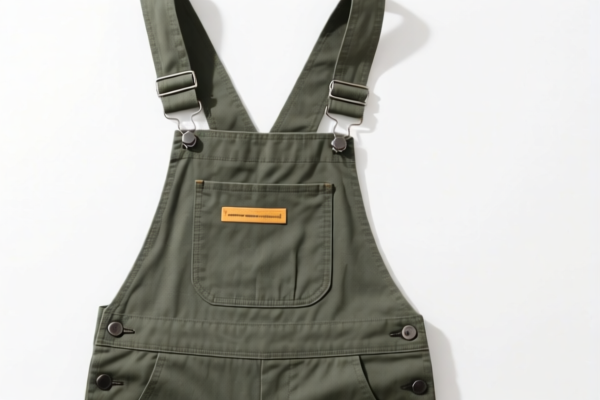
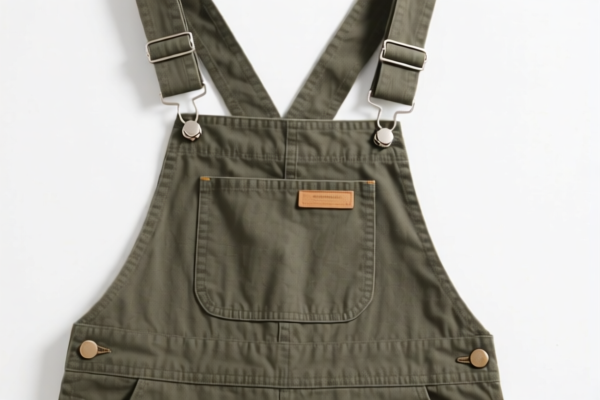
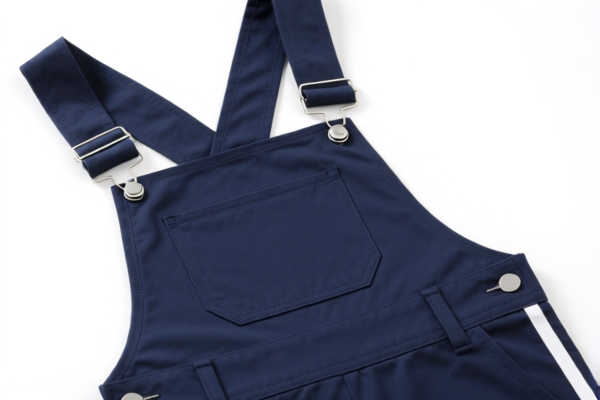
AI Analysis
👶✨ Girls' Durable Overalls: The Ultimate HS Code & Tax Breakdown (2026)
🌐 Global Trade Guide | 2026 Customs Classification & Tax Strategy | 100% Data-Driven
📌 What Are "Girls' Durable Overalls"?
These are children's outerwear garments (specifically overalls with bibs/straps) designed for durability and warmth, typically made from woven or knitted fabrics (cotton, synthetic blends, or cotton-heavy mixes). They fall under Chapter 61 (Knitted) or Chapter 62 (Woven) of the Harmonized System, depending on the fabric structure and material composition.
📦 2. HS Code Classification Deep Dive (2026 Data from Source)
All data strictly based on provided 2026 tariff records.
| HS Code | Product Description | Key Classification Criteria | Material Inference |
|---|---|---|---|
| 6111.30.10.00 | Girls'保暖 (warm) overalls (bib/straps) | Woven/knitted garment; classified as "garment in the form of overalls" for children. | Knitted or woven fabric; warmth-focused design. |
| 6209.20.30.00 | Girls' warm overalls (pants/shorts category) | Classified under "pants/mosquito pants" category; warmth indicates cotton/cotton-blend material. | Cotton or cotton blend (warmth feature). |
| 6104.63.10.10 | Girls' warm overalls (knitted) | Matches garment form and usage; knitted/synthetic fiber material inferred. | Knitted fabric; synthetic fiber blend. |
| 6104.62.10.10 | Girls' warm overalls (cotton) | Matches garment form and usage; cotton or similar warm material inferred. | Cotton or warm-blend fabric. |
🔍 Critical Note:
- 6111.30.10.00 applies when the garment is classified broadly as "overalls" without specific material emphasis.
- 6209.20.30.00 is for woven pants/overalls where warmth drives the cotton-blend classification.
- 6104.63.10.10 and 6104.62.10.10 are for knitted overalls with synthetic/cotton materials, respectively.
💰 3. 2026 Tax Rate Breakdown (Detailed Analysis)
All taxes apply to imports from China to the US (2026 rates). Source data includes base tariffs, Additional Tariffs, and Section 122 (China) tariffs.
🎯 6111.30.10.00 – Girls' Warm Overalls (General Category)
| Tax Component | Rate | Legal Basis |
|---|---|---|
| Base Tariff | 28.2% | General Most-Favored-Nation (MFN) rate |
| Section 301 (Additional Tariff) | 7.5% | U.S. Trade Act Section 301 (China-specific) |
| Section 122 (China-Specific) | 10% | Executive Order 13846 (China trade policy) |
| Total Tax | 45.7% | 28.2% + 7.5% + 10% |
⚠️ Why this tax?
- Section 122 applies to textile products from China, adding 10% on top of base + Section 301 rates.
- Section 301 targets non-safety-critical textile imports (7.5% for this category).
- Base tariff (28.2%) is the standard MFN rate for "garments" in this HS code.
🎯 6209.20.30.00 – Girls' Warm Overalls (Woven/Cotton)
| Tax Component | Rate | Legal Basis |
|---|---|---|
| Base Tariff | 14.9% | Lower MFN rate for woven garments |
| Section 301 | 7.5% | Same as above |
| Section 122 | 10% | Same as above |
| Total Tax | 32.4% | 14.9% + 7.5% + 10% |
⚠️ Why lower tax?
- Woven garments (Chapter 62) often have lower base tariffs than knitted ones (Chapter 61).
- Cotton content may reduce base tax (14.9% vs. 28.2%).
🎯 6104.63.10.10 – Girls' Warm Overalls (Knitted/Synthetic)
| Tax Component | Rate | Legal Basis |
|---|---|---|
| Base Tariff | 14.9% | Same as 6209.20.30.00 (knitted/synthetic) |
| Section 301 | 7.5% | Same as above |
| Section 122 | 10% | Same as above |
| Total Tax | 32.4% | 14.9% + 7.5% + 10% |
⚠️ Why same as 6209?
- Knitted vs. woven does not affect Section 301/122 rates here; both fall under the same tax tier.
🎯 6104.62.10.10 – Girls' Warm Overalls (Knitted/Cotton)
| Tax Component | Rate | Legal Basis |
|---|---|---|
| Base Tariff | 10.3% | Lowest base rate for cotton-rich garments |
| Section 301 | 7.5% | Same as above |
| Section 122 | 10% | Same as above |
| Total Tax | 27.8% | 10.3% + 7.5% + 10% |
⚠️ Why lowest tax?
- Cotton-heavy knitted garments (Chapter 61) qualify for the lowest base tariff (10.3%).
- This is the most cost-effective classification for cotton-based overalls.
🛠️ 4. Customs Clearance Strategy (2026 Best Practices)
✅ Step 1: Material & Fabric Verification
- Knitted vs. Woven:
- Knitted → Check for 6104.xxxx (Chapter 61).
- Woven → Check for 6209.xxxx (Chapter 62).
- Material Composition:
- Cotton >50% → Prioritize 6104.62.10.10 (27.8% tax).
- Synthetic blend → Use 6104.63.10.10 (32.4% tax).
- Generic "overalls" → 6111.30.10.00 (45.7% tax, avoid if possible).
✅ Step 2: Documentation Checklist
| Document | Requirement | Purpose |
|---|---|---|
| Commercial Invoice | Explicitly state "Girls' Warm Overalls" + material (e.g., "70% Cotton, 30% Polyester") | Avoid misclassification. |
| Fabric Composition Label | Include % of cotton/synthetic | Confirm base tariff eligibility. |
| Product Photos | Show bib, straps, and fabric texture | Prove "overalls" form. |
| Country of Origin Certificate | Must state "China" (if applicable) | Apply Section 122/301 rates correctly. |
| Test Report | If "warmth" is claimed (e.g., fleece lining) | Validate "warm" classification. |
✅ Step 3: Avoiding Common Pitfalls
- ❌ Error: Classifying as "6111.30.10.00" when material is known (e.g., cotton).
- Fix: Use 6104.62.10.10 to save 17.9% in taxes (45.7% → 27.8%).
- ❌ Error: Omitting material composition on invoices.
- Fix: Add % cotton/synthetic to prevent manual reclassification by Customs.
- ❌ Error: Mislabeling "overalls" as "pants" (Chapter 61 vs. 62).
- Fix: Use 6209.20.30.00 for woven overalls to match "pants" category.
🌍 5. Global Market Comparison (2026)
| Market | Recommended HS Code | Tax Rate | Key Requirements |
|---|---|---|---|
| 🇺🇸 United States | 6104.62.10.10 (Cotton) | 27.8% | Material label + Section 122 compliance |
| 🇪🇺 EU | 6104.62.10.10 | 0% (if CE-certified) | CE mark + REACH compliance |
| 🇯🇵 Japan | 6104.62.10.10 | 0% | JIS standards + safety labels |
| 🇨🇳 China | 6104.62.10.10 | 10.3% (export) | Export license + origin proof |
💡 Pro Tip:
- U.S. is the only market with high Section 122/301 taxes for Chinese goods.
- EU/Japan offer 0% tariffs for textile products (if compliant).
- China exports to domestic market have lower base tariffs (10.3%).
📌 6. Final Checklist: "Girls' Durable Overalls" Clearance
- Confirm fabric structure: Knitted (6104) vs. Woven (6209).
- Check material %: Cotton >50% → 6104.62.10.10 (27.8% tax).
- Avoid generic codes: Never use 6111.30.10.00 unless material is unknown.
- Label explicitly: "Girls' Warm Overalls, 70% Cotton, 30% Polyester" on invoice.
- Prepare Section 122 docs: Origin certificate + material proof to avoid delays.
🎯 Conclusion: Smart Classification = Lower Costs!
- Best Tax Rate: 27.8% for cotton-rich knitted overalls (
6104.62.10.10). - Worst Tax Rate: 45.7% for generic overalls (
6111.30.10.00). - Key Rule: Material composition drives tax savings!
- Action: Always declare exact fabric % to unlock the lowest tariff tier.
✨ Proverb:
"A wrong HS Code costs 18% in taxes. A right one saves 100% in headaches!"
🚀 Next Step:
✅ Submit material samples to Customs for pre-classification.
✅ Verify Section 122 eligibility via U.S. Trade Representative (USTR) portal.
✅ Partner with a broker to avoid "overalls" misclassification.
📌 Disclaimer:
This guide is based on 2026 U.S. tariff data. Always verify with Customs (CBP) or a licensed broker before shipping.
Customer Reviews
About HS Code Classification
The Harmonized System (HS) is an internationally standardized nomenclature developed by the World Customs Organization (WCO) to classify traded products. Over 200 countries use the HS system as the basis for customs tariffs, trade statistics, and import/export regulations.
Each HS code follows a hierarchical structure:
- Chapter (2 digits) — Broad category of goods (e.g., Chapter 84: Machinery and Mechanical Appliances)
- Heading (4 digits) — More specific grouping within the chapter
- Subheading (6 digits) — Internationally standardized breakdown, used by all WCO member countries
- National subdivisions (8-10 digits) — Country-specific extensions for further classification, such as US HTSUS 10-digit codes
Correct HS code classification is essential for smooth customs clearance, accurate duty payment, and compliance with trade regulations. Misclassification can lead to customs delays, overpayment of duties, or penalties.
When importing from CN to US, the applicable tariff rates may include:
- Most-Favored-Nation (MFN) rate — The standard duty rate applied to WTO members
- General rate — Applied to countries without trade agreements
- Trade remedy duties — Additional tariffs such as Section 301 (anti-dumping), Section 232 (national security), or countervailing duties
The information provided on this page is for reference purposes only. For official classification, please consult with your local customs authority or a licensed customs broker.