Girls' Elastic Blended Denim Trousers
CN → US| HS Code | Tariff Rate | Origin | Destination | Doc |
|---|---|---|---|---|
| 6104632006 | 45.7% | CN | US | Official Doc |
| 6104622006 | 32.4% | CN | US | Official Doc |
| 6103431520 | 38.2% | CN | US | Official Doc |
| 6103498024 | 23.1% | CN | US | Official Doc |
| 6211335030 | 33.5% | CN | US | Official Doc |
Product Images

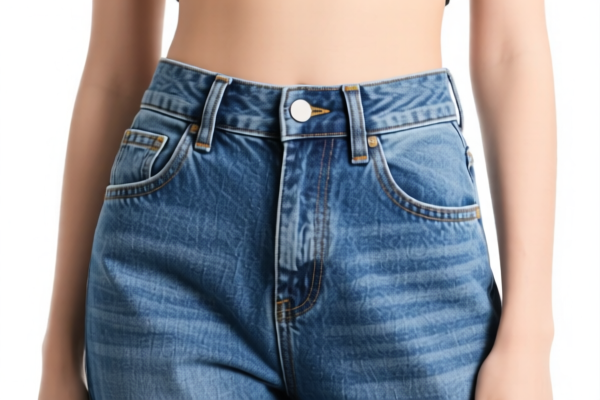
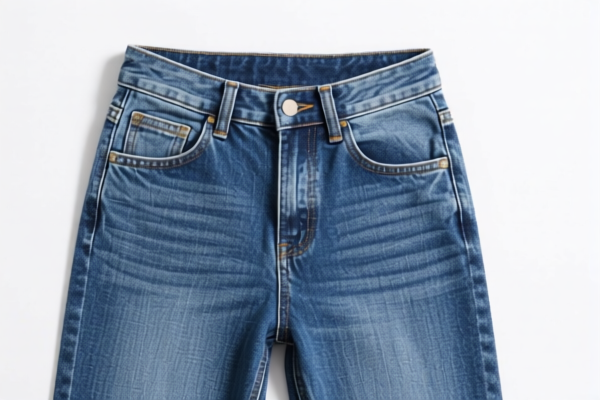
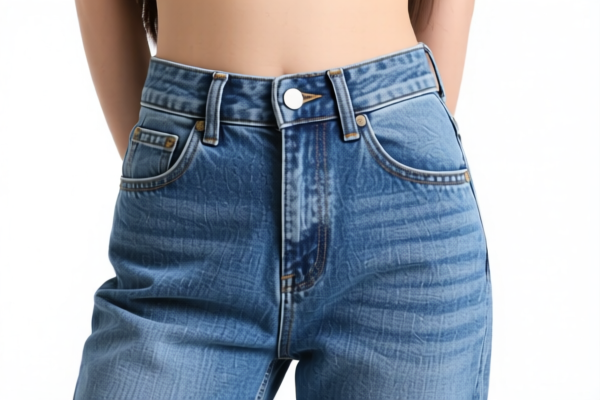
AI Analysis
👖 Girls' Elastic Blended Denim Trousers: HS Code & Tax Breakdown
🌐 Global Trade & Customs Strategy | 2026 Tariff Rules | Expert Clearance Guide
📌 Section 1: Product Definition & Classification Logic
Girls' Elastic Blended Denim Trousers are defined by three critical characteristics that determine their HS Code classification: 1. Gender/Usage: Designed for girls/children. 2. Material Composition: "Denim" (typically cotton-based) blended with other fibers, containing elastic fibers/rubber thread ≥5% by weight. 3. Construction: Knitted (if knitted denim) or Woven (standard denim).
The classification path splits based on the primary fiber content and the knitted vs. woven nature, with the elasticity (≥5%) being the decisive factor for sub-categories under Chapter 61 (Knitted).
⚠️ Key Classification Trap:
- If the trousers are woven (standard denim), they fall under Chapter 62.
- If the trousers are knitted (stretch denim/jeans fabric), they fall under Chapter 61.
- The presence of ≥5% elastic/rubber significantly alters the tax rate, often pushing the item into higher-tax "synthetic blend" categories if cotton isn't the dominant fiber.
📦 Section 2: HS Code Classification Analysis (Based on Provided Data)
Based on the input data, the product can be classified into 5 potential HS Codes. Each corresponds to a specific combination of fiber content, construction, and tax implications.
| HS Code | Product Match Logic | Tax Rate (Total) | Key Tax Components |
|---|---|---|---|
| 6104.63.20.06 | Knitted Synthetics: Matches "Elastic" (≥5% rubber/thread), "Trousers", and "Blended" (Synthetic fiber inferred). | 45.7% | Base: 28.2% + Add'l: 7.5% + Sec 122: 10% |
| 6104.62.20.06 | Knitted Cotton: Matches "Elastic" (≥5% elastic fiber), "Trousers", and "Cotton" (inferred material). | 32.4% | Base: 14.9% + Add'l: 7.5% + Sec 122: 10% |
| 6103.43.15.20 | Knitted Synthetic (Boys/Girls Logic): Matches "Trousers" (Long pants), "Blended" (Synthetic logic), "Knitted". | 38.2% | Base: 28.2% + Add'l: 0.0% + Sec 122: 10% |
| 6103.49.80.24 | Knitted "Other" Materials: Matches "Trousers", "Elastic Blended" (Non-cotton/non-wool/non-man-made specific). | 23.1% | Base: 5.6% + Add'l: 7.5% + Sec 122: 10% |
| 6211.33.50.30 | Woven Sports: Matches "Trousers", "Sports" use, "Artificial Fiber/Blended" (Inferred). | 33.5% | Base: 16.0% + Add'l: 7.5% + Sec 122: 10% |
🔍 Critical Insight:
- 6104 codes refer to Women's/Girls' knitted trousers.
- 6103 codes usually refer to Men's/Boys', but some data suggests overlap or specific sub-category interpretation for "Trousers" generally.
- 6211 refers to Woven items (like standard denim), often classified as "Sports" if they meet specific athletic fabric standards.
- Sec 122 Tariff (10%) is a mandatory additional charge applied to all these codes in this dataset (likely Section 301/122 specific to China-origin goods).
💰 Section 3: 2026 Tax Rate Deep Dive
✅ Origin: China (CN)
✅ Destination: US Market (Implied by 122 Clause & High Rates)
✅ Applicable Law: Section 301 / Section 122 (Trade Action)
🎯 1. 6104.62.20.06 – Lowest Tax Option (Cotton Knit)
- Description: Girls' knit trousers, cotton-based, with ≥5% elastic.
- Total Tax: 32.4%
- Breakdown:
- Base Duty: 14.9% (Standard MFN)
- Section 301 Add-on: +7.5% (Additional Tariff)
- Sec 122 Penalty: +10.0% (Specific Chinese Import Restriction)
- Strategy: If the "Denim" is truly cotton-based, this is the best-case scenario for tax efficiency.
🎯 2. 6104.63.20.06 – High Tax Option (Synthetic Knit)
- Description: Girls' knit trousers, synthetic fiber based, with ≥5% elastic.
- Total Tax: 45.7%
- Breakdown:
- Base Duty: 28.2% (High for synthetics)
- Section 301 Add-on: +7.5%
- Sec 122 Penalty: +10.0%
- Risk: High. If the "blend" is perceived as >50% synthetic (polyester/nylon), this tax rate applies.
🎯 3. 6103.49.80.24 – The "Other" Loophole
- Description: Knitted trousers, other textile material (Non-cotton, Non-wool, Non-man-made specific).
- Total Tax: 23.1% (Lowest Base Duty)
- Breakdown:
- Base Duty: 5.6%
- Section 301 Add-on: +7.5%
- Sec 122 Penalty: +10.0%
- Note: This is only applicable if the material composition fits the "Other" definition and not the specific "Cotton" or "Synthetic" categories. Verify material blend ratio carefully.
🎯 4. 6211.33.50.30 – Woven/Sports Category
- Description: Woven trousers (standard denim), for sports, synthetic/blend.
- Total Tax: 33.5%
- Breakdown:
- Base Duty: 16.0%
- Section 301 Add-on: +7.5%
- Sec 122 Penalty: +10.0%
- Clarification: Standard "Denim" is usually woven (Chapter 62). If it's a Sports style (joggers, athletic wear), it might fall here.
🛠️ Section 4: Customs Clearance & Strategic Advice
✅ 1. Documentation Checklist (Mandatory)
To avoid delays and re-classification penalties:
| Document | Requirement | Why It Matters |
|:---|:---|:---|
| Material Composition Label | Must explicitly state % of Cotton vs. Synthetic vs. Elastic | Determines if 6104.62 (Cotton) or 6104.63 (Synthetic) applies. |
| Fabric Swatch Test Report | Third-party lab report showing fiber content | Proves "Elastic ≥5%" claim; avoids misclassification. |
| Construction Proof | Photos showing Knit (loop) vs. Woven (interlaced) structure | Chapter 61 (Knit) vs. Chapter 62 (Woven) is a $100k+ error risk. |
| Design/Style Photos | Showing "Girl" fit and "Trousers" style | Confirms gender and category. |
| Commercial Invoice | Must match HS Code exactly | Prevents "Name Mismatch" audits. |
✅ 2. Declaration Strategy: "The Elastic Trap"
🔥 Golden Rule: "The 5% Elastic Rule is Your Tax Switch!"
| Scenario | Recommended HS Code | Tax Impact | Action |
|---|---|---|---|
| Knitted Denim, >5% Cotton | 6104.62.20.06 |
32.4% (Best) | Ensure cotton is the primary fiber (>50%). |
| Knitted Denim, >5% Synthetic | 6104.63.20.06 |
45.7% (Worst) | Avoid if possible; consider blending adjustments. |
| Woven Denim (Standard Jeans) | 6211.33.50.30 |
33.5% | Verify if it's "Sports" style; if not, check other Woven codes. |
| Knitted "Other" Blend | 6103.49.80.24 |
23.1% (Lowest Base) | Only use if material is truly "Other" (e.g., specific bamboo/modal blends not listed in cotton/synthetic). |
✅ 3. Sec 122 & Section 301 Strategy
- The "10% Sec 122" Tax: This is a non-negotiable additional duty for Chinese-origin goods in this dataset. No trade mitigation applies here.
- Mitigation: You cannot lower the 10%, but you can lower the Base Duty by choosing the correct fiber category.
- Strategy: If your product is a "Blended Denim," aim to keep Cotton content highest to qualify for
6104.62(14.9% base) rather than6104.63(28.2% base).
- Strategy: If your product is a "Blended Denim," aim to keep Cotton content highest to qualify for
✅ 4. Common Pitfalls to Avoid
- ❌ Mistaking Knit for Woven: If you declare woven denim (62xx) but it's actually knitted stretch denim, the base duty jumps from 5-16% to 28%.
- ❌ Ignoring the Elastic: Failing to declare the elastic content can lead to a downgrade to a "non-elastic" category, which might trigger a Section 301 investigation for misdeclaration.
- ❌ Generic Names: Do not use "Trousers" or "Jeans" alone. Use: "Girls' Knit Cotton Blend Denim Trousers with 8% Elastic Content".
📌 Section 5: Final Verdict & Recommendation
🎯 Best Path Forward:
1. Verify Fabric: Confirm if the denim is Knitted (Stretch) or Woven (Standard).
2. Analyze Blend: If Knitted, ensure Cotton is the dominant fiber (>50%) to target 6104.62.20.06 (32.4% Total Tax).
3. Avoid Synthetic Dominance: If Synthetic is >50%, tax jumps to 45.7%.
4. Consider "Other" Material: If you can formulate a blend that isn't strictly "Cotton" or "Synthetic," 6103.49.80.24 offers the lowest base duty (5.6%), resulting in 23.1% Total.
Pro Tip: Before shipping, submit an Advance Ruling Request to CBP (US Customs) with your fabric composition swatch. This locks in the correct HS Code and protects you from retroactive penalties if the officer interprets "Blended Denim" differently.
🚀 Ready to Ship?
Ensure your invoices and labels are 100% accurate on Fiber Content and Knit/Woven Status. The difference between 23.1% and 45.7% is the difference between profit and loss!
Disclaimer: Tariff rates are subject to change based on Section 301/122 updates. Always consult a licensed Customs Broker for the specific shipment.
Customer Reviews
About HS Code Classification
The Harmonized System (HS) is an internationally standardized nomenclature developed by the World Customs Organization (WCO) to classify traded products. Over 200 countries use the HS system as the basis for customs tariffs, trade statistics, and import/export regulations.
Each HS code follows a hierarchical structure:
- Chapter (2 digits) — Broad category of goods (e.g., Chapter 84: Machinery and Mechanical Appliances)
- Heading (4 digits) — More specific grouping within the chapter
- Subheading (6 digits) — Internationally standardized breakdown, used by all WCO member countries
- National subdivisions (8-10 digits) — Country-specific extensions for further classification, such as US HTSUS 10-digit codes
Correct HS code classification is essential for smooth customs clearance, accurate duty payment, and compliance with trade regulations. Misclassification can lead to customs delays, overpayment of duties, or penalties.
When importing from CN to US, the applicable tariff rates may include:
- Most-Favored-Nation (MFN) rate — The standard duty rate applied to WTO members
- General rate — Applied to countries without trade agreements
- Trade remedy duties — Additional tariffs such as Section 301 (anti-dumping), Section 232 (national security), or countervailing duties
The information provided on this page is for reference purposes only. For official classification, please consult with your local customs authority or a licensed customs broker.