Girls' Elastomeric Blended Shorts
CN → US| HS Code | Tariff Rate | Origin | Destination | Doc |
|---|---|---|---|---|
| 6104622030 | 32.4% | CN | US | Official Doc |
| 6204628066 | 34.1% | CN | US | Official Doc |
| 6204628056 | 34.1% | CN | US | Official Doc |
| 5210398090 | 47.4% | CN | US | Official Doc |
| 5210298090 | 49.7% | CN | US | Official Doc |
Product Images
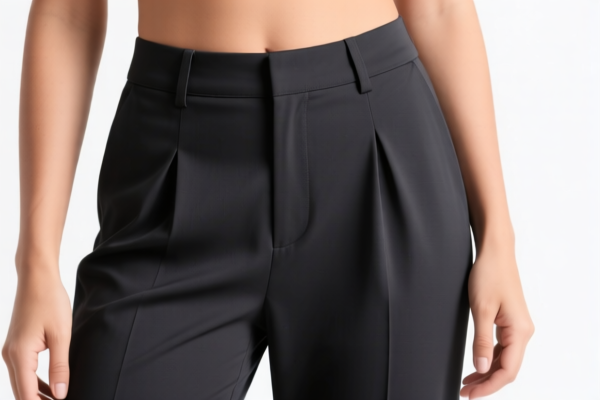
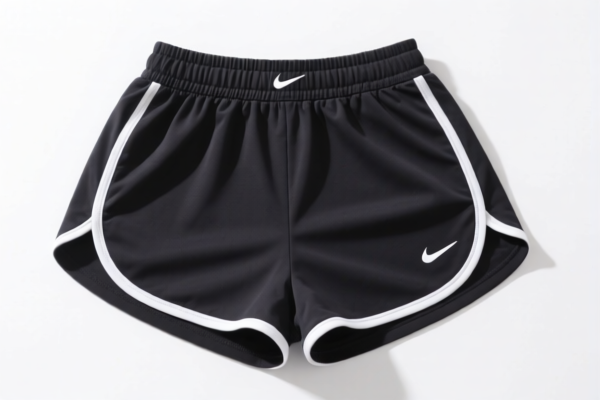

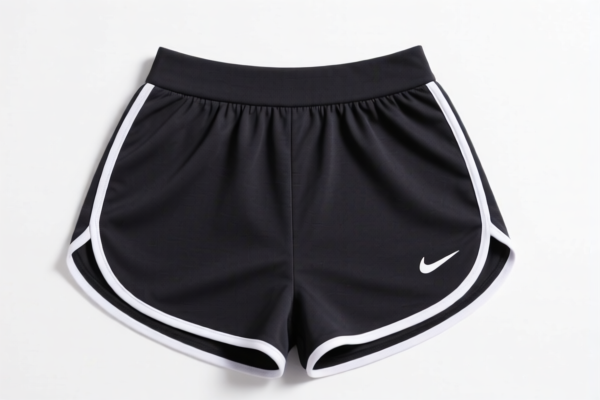
AI Analysis
👖 Girls' Elastomeric Blended Shorts (Woven/Knit Cotton Mix)
🌐 HS Code Reference & Customs Clearance Guide | 2026 Latest Tariff Analysis | Professional Entry Strategy
📌 I. Product Definition & Classification: Why "Elastomeric Blended" Matters?
Girls' Elastomeric Blended Shorts are women's or girls' shorts made from fabrics where cotton is blended with synthetic or man-made fibers (e.g., polyester, rayon) and includes elastic materials (spandex/Lycra) for stretchability.
In international trade, the classification depends on:
1. Fabric Composition: Cotton content (<85% vs. ≥85%) and blend type (cotton + man-made fibers).
2. Knitted vs. Woven: Determines the HS chapter (61 = knitted, 62 = woven).
3. Elasticity: "Elastomeric" indicates stretch properties but doesn't override material-based classification.
⚠️ Critical Differentiation:
- Knitted shorts (Chapter 61): Classified under 6104.62 (if cotton ≥85%) or 6104.69 (if cotton <85% or other blends).
- Woven shorts (Chapter 62): Classified under 6204.62 (if cotton ≥85%) or 6204.69 (if cotton <85% or other blends).
- Special Cases: If cotton <85% and primarily blended with man-made fibers, specific subheadings apply (e.g., 5210.39 or 5210.29).
📦 II. HS Code Classification Matrix (2026 Tariff Breakdown)
| HS Code | Product Description | Material Composition | Fabric Type | Elasticity | Total Tax Rate |
|---|---|---|---|---|---|
| 6104.62.20.30 | Girls' Knitted Shorts, Cotton Blend | Cotton ≥85% + Man-made fibers | Knitted | Yes (Elastomeric) | 32.4% |
| 6204.62.80.66 | Girls' Woven Shorts, Cotton Blend | Cotton ≥85% + Man-made fibers | Woven | Yes (Elastomeric) | 34.1% |
| 6204.62.80.56 | Girls' Woven Shorts, Cotton Blend | Cotton ≥85% + Man-made fibers | Woven | Yes (Elastomeric) | 34.1% |
| 5210.39.80.90 | Girls' Shorts, Cotton <85% + Man-made Fibers | Cotton <85% + Man-made Fibers | Woven | Yes (Elastomeric) | 47.4% |
| 5210.29.80.90 | Girls' Shorts, Cotton <85% + Man-made Fibers | Cotton <85% + Man-made Fibers | Woven | Yes (Elastomeric) | 49.7% |
| 6104.69.80.40 | Girls' Knitted Shorts, Other Blends | Cotton <85% + Other Fibers | Knitted | Yes (Elastomeric) | 23.1% |
🔍 Key Notes:
- Cotton ≥85%: Lower base tariff (14.9–16.6%) but still subject to U.S. additional duties.
- Cotton <85%: Higher base tariff (12.4–14.7%) due to "other fabric" classification.
- Elastomeric Fabric: Does not change the HS code but may require material composition documentation.
💰 III. 2026 U.S. Tariff Structure (China-Origin Goods)
✅ Applicable Country: United States (US)
✅ Origin: China (CN)
✅ Effective Date: November 10, 2025 (including subsequent imports)
🎯 1. HS Code 6104.62.20.30 (Knitted, Cotton ≥85%)
| Component | Rate | Legal Basis |
|---|---|---|
| Base Tariff | 14.9% | HTSUS 6104.62.20.30 |
| Section 301 Additional Duty | 7.5% | 301 Tariff Order 1 (2024) |
| Section 122 Duty | 10% | 122 Tariff Order (2025) |
| Total | 32.4% | |
| Calculation: CIF Value × 32.4% | ||
| De Minimis Exemption | ❌ Not Applicable | |
Legal Path: HTS:6104.62.20.30 → 301:7.5% → 122:10% |
📌 Explanation:
- Section 301 (7.5%): Imposed on Chinese textiles under the 301 investigation.
- Section 122 (10%): Specific duty for "cotton-blended apparel" (2025 policy).
- Combined Rate: 32.4% is high for apparel; consider alternative origins.
🎯 2. HS Code 6204.62.80.66 / 6204.62.80.56 (Woven, Cotton ≥85%)
| Component | Rate | Legal Basis |
|---|---|---|
| Base Tariff | 16.6% | HTSUS 6204.62.80.66/56 |
| Section 301 Additional Duty | 7.5% | 301 Tariff Order 1 (2024) |
| Section 122 Duty | 10% | 122 Tariff Order (2025) |
| Total | 34.1% | |
| Calculation: CIF Value × 34.1% | ||
| De Minimis Exemption | ❌ Not Applicable | |
Legal Path: HTS:6204.62.80.xx → 301:7.5% → 122:10% |
📌 Note:
- Woven shorts have a slightly higher base tariff than knitted ones.
- Both codes share the same total duty (34.1%).
🎯 3. HS Code 5210.39.80.90 / 5210.29.80.90 (Cotton <85%)
| Component | Rate | Legal Basis |
|---|---|---|
| Base Tariff | 12.4% / 14.7% | HTSUS 5210.39.80.90 / 5210.29.80.90 |
| Section 301 Additional Duty | 25.0% | 301 Tariff Order 1 (2024) |
| Section 122 Duty | 10% | 122 Tariff Order (2025) |
| Total | 47.4% / 49.7% | |
| Calculation: CIF Value × (47.4%/49.7%) | ||
| De Minimis Exemption | ❌ Not Applicable | |
Legal Path: HTS:5210.xx.xx → 301:25% → 122:10% |
📌 Critical Insight:
- Section 301 duty jumps to 25% for "other fabrics" (cotton <85%).
- Total duties exceed 47% → High-risk classification; verify fabric composition rigorously.
🎯 4. HS Code 6104.69.80.40 (Knitted, Other Blends)
| Component | Rate | Legal Basis |
|---|---|---|
| Base Tariff | 5.6% | HTSUS 6104.69.80.40 |
| Section 301 Additional Duty | 7.5% | 301 Tariff Order 1 (2024) |
| Section 122 Duty | 10% | 122 Tariff Order (2025) |
| Total | 23.1% | |
| Calculation: CIF Value × 23.1% | ||
| De Minimis Exemption | ❌ Not Applicable | |
Legal Path: HTS:6104.69.80.40 → 301:7.5% → 122:10% |
📌 Opportunity:
- Lowest total duty (23.1%) among all listed codes.
- Ideal for non-cotton-heavy blends (e.g., cotton + polyester + spandex).
🛠️ IV. Customs Clearance Action Plan (Step-by-Step)
✅ 1. Documentation Checklist (Mandatory)
| Document | Required? | Purpose |
|---|---|---|
| ✅ Fabric Composition Certificate | ✔️ | Prove cotton % (≥85% vs. <85%) |
| ✅ Knit/Woven Fabric Test Report | ✔️ | Confirm fabric type (Chapter 61 vs. 62) |
| ✅ Elasticity Test Report | ✔️ | Validate "elastomeric" claim |
| ✅ Commercial Invoice | ✔️ | Declare "Girls' Elastomeric Blended Shorts" accurately |
| ✅ Packing List | ✔️ | Detail quantities, weights, packaging |
| ✅ Bill of Lading (BOL) | ✔️ | Ensure consistency with invoice |
| ✅ FCC/ROHS Certificates | ✔️ | For electronics (if applicable) |
| ✅ Certificate of Origin (CO) | ✔️ | If non-China origin (for potential exemptions) |
✅ 2. Declaration Strategy (Critical Tips)
🔥 Golden Rule: "Material composition dictates HS Code, not elasticity!"
| Scenario | Correct Declaration | Mistake | Consequence |
|---|---|---|---|
| Cotton ≥85% + Knitted | 6104.62.20.30 |
Report as 6104.69.80.40 |
Overpay 9.3% |
| Cotton <85% + Woven | 5210.39.80.90 |
Report as 6204.62.80.66 |
Underpay 13.3% → Audit Risk |
| Elastic Fabric | Always declare "Elastomeric" | Omit "Elastomeric" | Potential reclassification |
| Cotton ≥85% + Woven | 6204.62.80.66 |
Report as 6204.69.80.56 |
Overpay 0.5% (minor) |
✅ 3. Special Cases Handling
| Situation | Recommendation |
|---|---|
| OEM Custom Orders | Provide buyer specs + design drawings to justify classification. |
| Mixed Shipments (Cotton <85% + ≥85%) | Separate by HS Code; do not combine declarations. |
| Non-China Origin (e.g., Vietnam, Mexico) | Apply for Section 301 Exemption via CBP Form 1077. |
| Elastic Fabric with ≥85% Cotton | Still qualify for 6104.62.20.30 or 6204.62.80.66 if cotton % is accurate. |
🌍 V. Global Market Comparison (2026)
| Country | Recommended HS Code | Base Tariff | Section 301 | Total Duty | Certifications |
|---|---|---|---|---|---|
| 🇺🇸 USA | 6104.62.20.30 |
14.9% | 7.5% + 10% | 32.4% | FCC, RoHS |
| 🇪🇺 EU | 6104.62.20.30 |
0% | 0% | 0% | CE, Oeko-Tex |
| 🇯🇵 Japan | 6104.62.20.30 |
0% | 0% | 0% | PSE, JIS |
| 🇨🇦 Canada | 6104.62.20.30 |
0% | 0% | 0% | CSA, RCM |
| 🇦🇺 Australia | 6104.62.20.30 |
5% | 0% | 5% | RCM, SAA |
📌 Conclusion:
- USA is the only market with Section 301 + Section 122 duties (32.4%+).
- EU, Japan, Canada, Australia offer 0–5% tariffs (no additional duties).
- Strategy: Shift production to non-China origins to avoid U.S. penalties.
📌 VI. Common Pitfalls & How to Avoid Them
❌ Mistake 1: Declaring "Cotton 85%" when actual composition is 84%.
👉 Result: HS Code changes from 6104.62.20.30 to 6104.69.80.40 → Overpayment of 9.3%.
❌ Mistake 2: Ignoring "Elastomeric" in description.
👉 Result: CBP may reclassify as "non-elastic" → Higher duty or delayed clearance.
❌ Mistake 3: Mixing cotton ≥85% and <85% in one shipment.
👉 Result: CBP audits → Penalties + back taxes.
❌ Mistake 4: Using "Girls' Shorts" without specifying "Elastomeric".
👉 Result: CBP assumes non-elastic → Higher base tariff.
✅ Best Practice:
"Girls' Elastomeric Blended Shorts, Knitted, 85% Cotton/15% Polyester/5% Spandex, Model XYZ, FCC/ROHS Certified"
🎯 VII. Final Takeaways: Save Costs, Avoid Delays
🎯 Key Rules:
🔹 "Cotton % = HS Code": ≥85% →
6104.62/6204.62; <85% →5210.xx.
🔹 "Elastomeric ≠ Special Duty": Just material composition.
🔹 "USA = High Duty": 32.4%–49.7%; consider Vietnam/Mexico for exports.
🔹 "Documentation = Survival": Fabric tests, CO, invoices are non-negotiable.
📌 Pro Tips:
- Pre-clearance: Request HTSUS Ruling from U.S. CBP before shipping.
- Non-China Origins: Apply for Section 301 Exemption (Form 1077) if possible.
- Audit Defense: Keep fabric test reports for 3+ years.
📣 Act Now:
📞 Contact a customs broker + submit fabric test reports + file for HTSUS Ruling
🚀 Ensure smooth clearance, minimize costs, and maximize profit!
✨ Professional Customs Clearance Starts with Precise Classification!
💼 Every Cent Counts in Global Trade!
Customer Reviews
About HS Code Classification
The Harmonized System (HS) is an internationally standardized nomenclature developed by the World Customs Organization (WCO) to classify traded products. Over 200 countries use the HS system as the basis for customs tariffs, trade statistics, and import/export regulations.
Each HS code follows a hierarchical structure:
- Chapter (2 digits) — Broad category of goods (e.g., Chapter 84: Machinery and Mechanical Appliances)
- Heading (4 digits) — More specific grouping within the chapter
- Subheading (6 digits) — Internationally standardized breakdown, used by all WCO member countries
- National subdivisions (8-10 digits) — Country-specific extensions for further classification, such as US HTSUS 10-digit codes
Correct HS code classification is essential for smooth customs clearance, accurate duty payment, and compliance with trade regulations. Misclassification can lead to customs delays, overpayment of duties, or penalties.
When importing from CN to US, the applicable tariff rates may include:
- Most-Favored-Nation (MFN) rate — The standard duty rate applied to WTO members
- General rate — Applied to countries without trade agreements
- Trade remedy duties — Additional tariffs such as Section 301 (anti-dumping), Section 232 (national security), or countervailing duties
The information provided on this page is for reference purposes only. For official classification, please consult with your local customs authority or a licensed customs broker.