Girls' Fleece Lined Ski Jacket
CN → US| HS Code | Tariff Rate | Origin | Destination | Doc |
|---|---|---|---|---|
| 6112201020 | 45.7% | CN | US | Official Doc |
| 6202402500 | 21.9% | CN | US | Official Doc |
| 6202404500 | 24.6% | CN | US | Official Doc |
| 6211205820 | 38.0% | CN | US | Official Doc |
| 6112202010 | 25.8% | CN | US | Official Doc |
Product Images
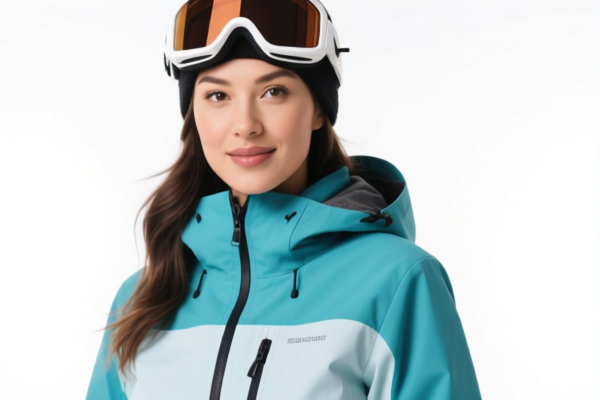
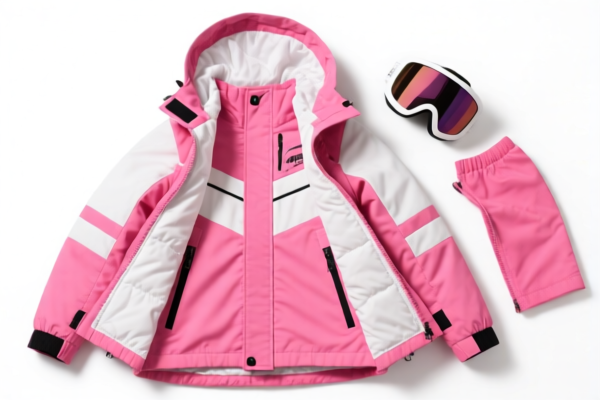

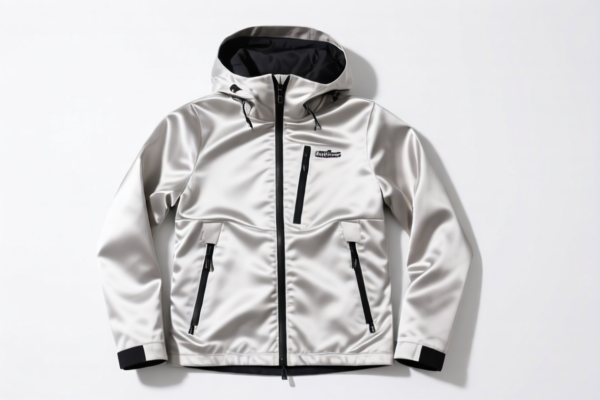
AI Analysis
Here is the professional classification guide for Girls' Fleece Lined Ski Jacket, styled as a Wiki entry with detailed tax analysis and customs clearance advice.
🧥 Girls' Fleece Lined Ski Jacket (Children's Outerwear)
🌐 HS Code Reference & Customs Clearance Guide | 2026 Tariff Deep Dive | Strategic Classification Strategy
📌 I. Product Definition & Classification Logic: Is it "Knitted" or "Woven"?
A "Girls' Fleece Lined Ski Jacket" is a specialized outer garment designed for cold weather, featuring a waterproof or wind-resistant shell and a fleece (knitted) lining for insulation. In international trade, the structure of the fabric (Knitted vs. Woven) and the material composition are the critical factors determining the HS Code and the resulting tax liability.
Classification Logic: * Knitted or Crocheted (Chapter 61): If the outer shell or the primary fabric structure is knitted (e.g., fleece, jersey, knit synthetics), it falls under Heading 6112. * Woven (Chapter 62): If the outer shell is a woven fabric (e.g., ripstop nylon, polyester woven shell) even with a fleece lining, it falls under Heading 6202. * Material Composition: The lining material (e.g., cotton, synthetic, artificial fiber) and shell material further split the sub-categories.
⚠️ Critical Distinction:
- If the jacket is a "Knitted Ski Suit/Jacket" → HS 6112 (Often higher base tariffs due to specific protectionist measures).
- If the jacket is a "Woven Ski Jacket" → HS 6202 / 6211 (Base tariffs vary based on fiber content).
- Fleece Lining does not automatically make the item "Knitted" if the outer shell is Woven. The outer shell determines the Heading.
📦 II. HS Code Classification Details & Tax Analysis
Below is the exact breakdown based on the provided data for Girls' Ski Jackets. All items are subject to Base Tariff + Additional Tariff (Section 232) + Section 301 (122 Clause).
| HS Code | Product Description & Logic | Applicable Scenario | Total Tariff Rate |
|---|---|---|---|
6112.20.10.20 |
Girls' Ski Jacket, Knitted/Crocheted, Artificial Fiber | Scenario A: The entire jacket (shell + lining) is made of knitted synthetic fabric (e.g., a fleece-lined knit shell). | 45.7% |
6202.40.25.00 |
Girls' Ski Jacket, Woven, Artificial Fiber | Scenario B: The shell is woven (e.g., nylon/polyester ripstop) with an artificial fiber lining. | 21.9% |
6202.40.45.00 |
Girls' Ski Jacket, Woven, Artificial Fiber | Scenario C: Another woven variant, possibly with different fiber ratios or specific lining types within the "Artificial Fiber" category. | 24.6% |
6211.20.58.20 |
Girls' Ski Jacket, Woven, Synthetic or Artificial Fiber | Scenario D: Woven jacket classified under "Other" (6211) rather than specific coats (6202), often for specific cut/fit variations. | 38.0% |
6112.20.20.10 |
Girls' Ski Jacket, Knitted/Crocheted, Cotton or Synthetic Fiber | Scenario E: Knitted jacket where the material includes Cotton mixed with synthetic fibers (distinct from "Artificial Fiber" only). | 25.8% |
🔍 Key Takeaway:
- Woven vs. Knitted: The difference between6202.40.25.00(21.9%) and6112.20.10.20(45.7%) is a 23.8% tax gap. Misclassifying a woven jacket as knitted costs double the tax! - Material Matters: "Artificial Fiber" (Chemical fibers like Nylon/Polyester) often attracts higher base tariffs in Chapter 61 compared to Cotton blends in specific sub-categories.
💰 III. 2026 Tariff Rate Deep Dive (Component Breakdown)
✅ Applicable Markets: United States (US)
✅ Origin: China (CN)
✅ Effective Date: 2025/2026 Tariff Regime
🎯 1. The "Knitted" Trap: 6112.20.10.20 (Artificial Fiber)
Total Tax: 45.7% | Component | Rate | Legal Basis | | :--- | :--- | :--- | | Base Tariff | 28.2% | Standard MFN Rate | | Section 232 (Steel/Aluminum Impact) | 7.5% | Added to specific textile categories | | Section 301 (Item 122) | 10% | "122 Clause" Tariff (Specific to China) | | Total | 45.7% | High Risk Zone |
📌 Explanation: This is the most expensive category. It applies if the jacket is knitted. The 7.5% "Section 232" tariff is a specific punitive tax on certain textile imports, making this classification financially painful.
🎯 2. The "Woven" Advantage: 6202.40.25.00
Total Tax: 21.9% | Component | Rate | Legal Basis | | :--- | :--- | :--- | | Base Tariff | 4.4% | Standard MFN Rate | | Section 232 | 7.5% | Fixed surcharge | | Section 301 (Item 122) | 10% | Fixed surcharge | | Total | 21.9% | Optimal Classification |
📌 Explanation: If the shell is woven, the base tariff drops significantly (4.4% vs 28.2%). Even with the same 17.5% in add-ons, the total tax is nearly half. This is the most common and cost-effective classification for ski jackets.
🎯 3. The "Mixed Material" Exception: 6112.20.20.10
Total Tax: 25.8% | Component | Rate | Legal Basis | | :--- | :--- | :--- | | Base Tariff | 8.3% | Reduced due to Cotton content | | Section 232 | 7.5% | Fixed surcharge | | Section 301 (Item 122) | 10% | Fixed surcharge | | Total | 25.8% | Moderate Risk |
📌 Explanation: If the knitted jacket contains Cotton (even mixed with synthetics), the base tariff is lower than pure "Artificial Fiber," saving ~20% in total tax.
🛠️ IV. Customs Clearance Practical Advice (Pitfall Avoidance)
✅ 1. Preparation Checklist (Must-Haves)
| Document | Requirement | Why It Matters |
|---|---|---|
| 📄 Tech Pack / Specification Sheet | Must clearly state: "Outer Shell: Woven/Knitted" | The fabric construction is the #1 factor for HS Code selection. |
| 📷 Close-up Photos of Fabric | Show weave structure (Woven vs. Knitted) | Customs officers use magnification to verify if it's "Knitted" (loops) or "Woven" (crisscross). |
| 🧵 Material Composition Label | "100% Polyester" vs "50% Cotton/50% Poly" | Determines if you fall under "Artificial Fiber" (High Tax) or "Cotton Mix" (Lower Tax). |
| 📋 Invoice | Must specify "Girls' Ski Jacket" | Vague terms like "Winter Coat" can trigger random re-classification. |
✅ 2. Declaration Strategy: The "Woven vs. Knitted" Battle
🔥 Golden Rule: "If the shell is Woven, Declare Woven!"
| Situation | Correct HS Code | Error Risk |
|---|---|---|
| Shell is Woven Nylon + Fleece Lining | 6202.40.25.00 (21.9%) |
⚠️ High Risk: If declared as 6112 (Knitted), you pay 45.7%. |
| Shell is Knitted Fleece (100% Synthetic) | 6112.20.10.20 (45.7%) |
✅ Acceptable: But expensive. Verify if cotton is present. |
| Shell is Knitted (Cotton Blend) | 6112.20.20.10 (25.8%) |
⚠️ Critical: Must prove cotton content to avoid 45.7% penalty. |
✅ 3. "122 Clause" & Section 232 Understanding
- Section 232 (7.5%): This is a specific surcharge applied to the
6112.20.10.20and6202.40.25.00items. It is non-negotiable for these specific codes. - 122 Clause (10%): This refers to Section 301 Tariffs (Item 122). This is a punitive tariff on Chinese goods. It applies to all listed codes in your data set.
- Total Add-ons: In most cases, you are paying 17.5% in additional taxes (7.5% + 10%) on top of the base tariff.
🌍 V. Global Market Comparison (2026 Context)
| Market | Recommended HS Code | Effective Rate | Strategy |
|---|---|---|---|
| 🇺🇸 USA (Main) | 6202.40.25.00 (Woven) |
21.9% | Target: Ensure shell is woven to save 23.8%. |
| 🇺🇸 USA (Knitted) | 6112.20.10.20 (Artif.) |
45.7% | Avoid: Only use if fabric is truly knitted. |
| 🇪🇺 EU | 6211.12.00 (Woven) |
~8% + VAT | No 301/232 penalties. Easier clearance. |
| 🇨🇦 Canada | 6202.42.00 |
~10-15% | Similar to US but lower punitive taxes. |
📌 VI. Common Mistakes & How to Avoid Them
❌ Mistake 1: "It has fleece, so it's knitted."
👉 Reality: Fleece is a lining. If the outer shell is woven nylon, the jacket is Woven (6202), not Knitted (6112).
✅ Fix: Check the outer shell fabric structure first.
❌ Mistake 2: Assuming all "Artificial Fiber" jackets are the same.
👉 Reality: 6112.20.10.20 (45.7%) vs 6202.40.25.00 (21.9%) is a massive difference.
✅ Fix: Verify if the shell is woven to unlock the lower rate.
❌ Mistake 3: Ignoring the "122 Clause".
👉 Reality: The 10% tax is mandatory for Chinese origin goods in these categories.
✅ Fix: Budget for the full 17.5% add-on in your margin calculations.
🎯 VII. Final Conclusion
For Girls' Fleece Lined Ski Jackets, the path to lowest cost is clear:
1. Design for Woven Shells: Use Woven Nylon/Polyester for the outer shell.
2. Declare 6202.40.25.00: This code offers the lowest total tax (21.9%).
3. Avoid Knitted Shells for Pure Synthetics: If the shell must be knitted and is 100% artificial fiber, expect 45.7%. Consider Cotton blends (6112.20.20.10) to reduce the rate to 25.8%.
🚀 Pro Tip: Always request a swatch from your factory to confirm "Woven" vs "Knitted" construction before shipping. One wrong declaration can cost you $23.8 per jacket in lost profit!
✨ Classify Right, Save Big!
💼 Your margins depend on the weave.
🚢 Ship with confidence, declare with precision.
Customer Reviews
About HS Code Classification
The Harmonized System (HS) is an internationally standardized nomenclature developed by the World Customs Organization (WCO) to classify traded products. Over 200 countries use the HS system as the basis for customs tariffs, trade statistics, and import/export regulations.
Each HS code follows a hierarchical structure:
- Chapter (2 digits) — Broad category of goods (e.g., Chapter 84: Machinery and Mechanical Appliances)
- Heading (4 digits) — More specific grouping within the chapter
- Subheading (6 digits) — Internationally standardized breakdown, used by all WCO member countries
- National subdivisions (8-10 digits) — Country-specific extensions for further classification, such as US HTSUS 10-digit codes
Correct HS code classification is essential for smooth customs clearance, accurate duty payment, and compliance with trade regulations. Misclassification can lead to customs delays, overpayment of duties, or penalties.
When importing from CN to US, the applicable tariff rates may include:
- Most-Favored-Nation (MFN) rate — The standard duty rate applied to WTO members
- General rate — Applied to countries without trade agreements
- Trade remedy duties — Additional tariffs such as Section 301 (anti-dumping), Section 232 (national security), or countervailing duties
The information provided on this page is for reference purposes only. For official classification, please consult with your local customs authority or a licensed customs broker.