Girls' Hat Scarf and Gloves Set
CN → US| HS Code | Tariff Rate | Origin | Destination | Doc |
|---|---|---|---|---|
| 6506910060 | 35.0% | CN | US | Official Doc |
| 6214102000 | 21.4% | CN | US | Official Doc |
| 6506996000 | 43.5% | CN | US | Official Doc |
| 6505006090 | 0.0% | CN | US | Official Doc |
| 6217108500 | 24.6% | CN | US | Official Doc |
Product Images
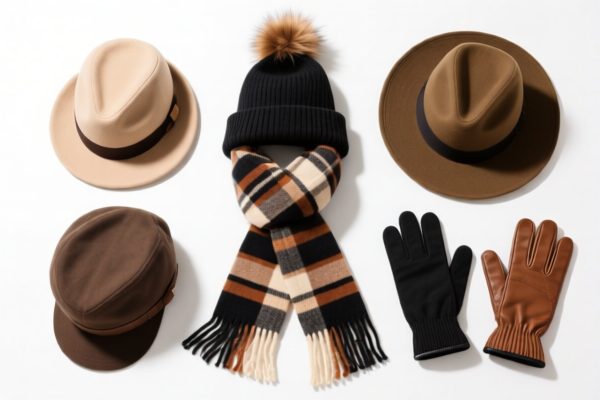
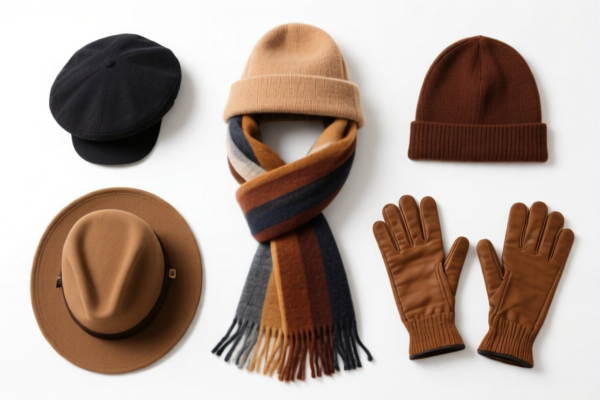
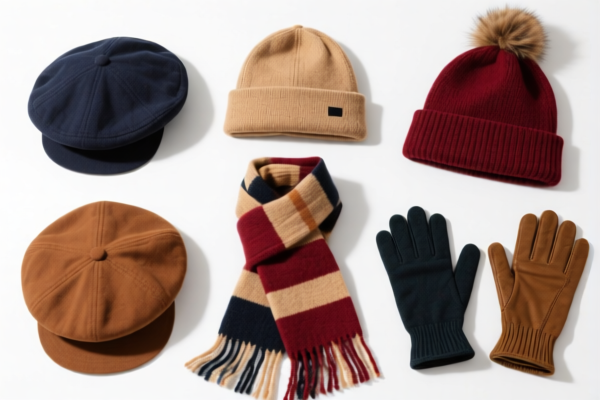
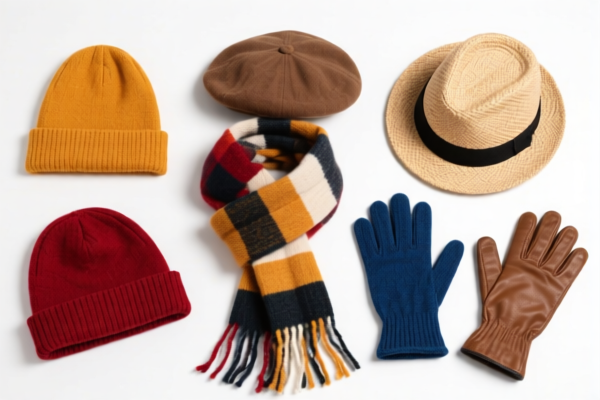
AI Analysis
👒 Girls' Hat, Scarf, and Gloves Set (Winter Accessories)
🌐 HS Code Reference & Customs Clearance Guide | 2026 Latest Tariff Analysis | Professional Clearance Strategy 📌 I. Product Definition & Classification: Are You Categorizing This Set Correctly?
A "Girls' Hat, Scarf, and Gloves Set" is a multi-piece winter accessory ensemble. In international trade, this type of good is notoriously tricky because HS classification depends heavily on two factors: 1. Primary Material (Knitted vs. Woven vs. Plastic/Rubber content). 2. Primary Character of the Set (Is it a "Hat" set? A "Clothing Accessory" set? Or a "Textile" set?).
⚠️ Critical Distinction: - If the set contains significant rubber or plastic decorations → It may be classified under Headgear with non-textile elements. - If it is primarily knitted or crocheted textiles → It falls under Knitted Headgear or Textile Accessories. - If it is woven textiles without knitting → It falls under Other Made-up Cloth Accessories.
📦 II. HS Code Classification Details (Based on Provided Data)
Based on the provided dataset, here are the four most likely HS codes and the logic for each:
| HS Code | Classification Logic | Key Characteristics | Material/Type Inference |
|---|---|---|---|
6506.91.00.60 |
Headgear Category | Hat/Scarf/Gloves Set | Matches headgear category; inferred to contain rubber or plastic decorative elements. |
6505.00.60.90 |
Headgear Category | Hat/Scarf/Gloves Set | Matches headgear category; inferred material is fiber fabric (likely woven/non-knitted). |
6505.00.80.90 |
Headgear Category | Hat/Scarf/Gloves Set | Matches headgear category; inferred material is knitted or artificial fiber. |
6217.10.85.00 |
Clothing Accessories | Hat/Scarf/Gloves Set | Matches made-up clothing accessories; inferred as textile (woven). |
6117.10.60.20 |
Scarf Category | Hat/Scarf/Gloves Set | Matches scarf category; inferred material is non-cotton textile (likely knitted). |
🔍 Key Takeaway: - HS 6505 Series generally covers "Headgear of all kinds" (including sets where the hat is the dominant item). - HS 6217 covers "Other made up clothing accessories" (often used for scarf/glove sets if not primarily headgear). - HS 6117 covers "Other made up accessories, knitted or crocheted" (if the scarf is the main component and knitted).
💰 III. 2026 Latest Tariff Rate Breakdown (US Market, China Origin)
✅ Applicable Country: United States (US) ✅ Origin: China (CN) ✅ Effective Time: Including imports from 2025 onwards
🎯 1. 6506.91.00.60 — Headgear with Rubber/Plastic Elements
| Item | Detail |
|---|---|
| Total Tax Rate | 35.0% |
| Base Tariff | 0.0% |
| Section 301 Tariff | 25.0% |
| Section 122 Tariff | 10.0% |
| Ad Valorem Type | Percentage of CIF Value |
| De Minimis Exemption | ❌ Not Eligible (Due to Section 301/122) |
| Legal Path | USITC:6506.91.00.60 → FOOTNOTE:301 + FOOTNOTE:122 |
📌 Explanation: - This code implies the hat has non-textile components (rubber/plastic). - 35% is a high tariff burden. It combines the standard Section 301 (25%) and the newer Section 122 (10%) tariffs on top of a 0% base rate.
🎯 2. 6505.00.60.90 — Headgear (Fiber Fabric)
| Item | Detail |
|---|---|
| Total Tax Rate | 7% + 35.0% (Mixed Rate) |
| Base Tariff | 20¢/kg + 7% (Ad Valorem) |
| Section 301 Tariff | 25.0% |
| Section 122 Tariff | 10.0% |
| Ad Valorem Type | Compound (Specific + Ad Valorem) |
| De Minimis Exemption | ❌ Not Eligible |
| Legal Path | USITC:6505.00.60.90 → FOOTNOTE:301 + FOOTNOTE:122 |
📌 Explanation: - The base duty is complex: 20 cents per kg PLUS 7% of the value. - On top of this, add 35% total additional tariffs (25% + 10%). - Warning: For lightweight items, the 20¢/kg specific duty can be disproportionately high compared to the ad valorem part.
🎯 3. 6217.10.85.00 — Textile Clothing Accessories
| Item | Detail |
|---|---|
| Total Tax Rate | 24.6% |
| Base Tariff | 14.6% |
| Section 301 Tariff | 0.0% |
| Section 122 Tariff | 10.0% |
| Ad Valorem Type | Percentage of CIF Value |
| De Minimis Exemption | ❌ Not Eligible (Due to Section 122) |
| Legal Path | USITC:6217.10.85.00 → FOOTNOTE:122 |
📌 Explanation: - This is often the most favorable code if applicable. - No Section 301 tariff (25%) applies here, only the 10% Section 122 tariff. - Total 24.6% is significantly lower than the 35% or 42% rates in other categories. - Strategy: If the product is purely textile (knitted or woven) and not primarily "headgear" with non-textile parts, argue for this classification to save 10%+ in duties.
🎯 4. 6505.00.80.90 — Headgear (Knitted/Artificial Fiber)
| Item | Detail |
|---|---|
| Total Tax Rate | 6.8% + 35.0% (Mixed Rate) |
| Base Tariff | 18.7¢/kg + 6.8% (Ad Valorem) |
| Section 301 Tariff | 25.0% |
| Section 122 Tariff | 10.0% |
| Ad Valorem Type | Compound (Specific + Ad Valorem) |
| De Minimis Exemption | ❌ Not Eligible |
| Legal Path | USITC:6505.00.80.90 → FOOTNOTE:301 + FOOTNOTE:122 |
📌 Explanation: - Similar to
6505.00.60.90but with knitted/artificial fiber. - Base duty: 18.7¢/kg + 6.8%. - Additional tariffs: 35% (25% + 10%). - Risk: High specific duty per kg can inflate costs for heavy sets.
🎯 5. 6117.10.60.20 — Scarves (Non-Cotton Knitted)
| Item | Detail |
|---|---|
| Total Tax Rate | 27.0% |
| Base Tariff | 9.5% |
| Section 301 Tariff | 7.5% |
| Section 122 Tariff | 10.0% |
| Ad Valorem Type | Percentage of CIF Value |
| De Minimis Exemption | ❌ Not Eligible |
| Legal Path | USITC:6117.10.60.20 → FOOTNOTE:301 + FOOTNOTE:122 |
📌 Explanation: - This code treats the set primarily as scarves. - Base tariff is higher (9.5%) but Section 301 is lower (7.5%) compared to the 25% in headgear codes. - Total 27% is competitive, falling between the 24.6% (6217) and 35% (6506) options.
🛠️ IV. Customs Clearance Practical Advice
✅ 1. Preparation Checklist
| Document | Required? | Notes |
|---|---|---|
| ✅ Product Composition Report | ✔️ | Must specify % of Knitted vs. Woven vs. Plastic/Rubber parts. |
| ✅ Photos (Front/Back/Detail) | ✔️ | Show if there are rubber/plastic decorations (impacts HS 6506). |
| ✅ Bill of Materials | ✔️ | Detailed list of materials for Hat, Scarf, and Gloves separately. |
| ✅ Commercial Invoice | ✔️ | Clearly state "Girls' Winter Accessory Set" and describe each item. |
| ✅ Packing List | ✔️ | Include net weight per piece (critical for codes with 20¢/kg duties). |
✅ 2. Declaration Tips
🔥 "Classify by Dominant Character, Material Matters!"
| Scenario | Recommended HS Code | Why? |
|---|---|---|
| Set has plastic/rubber hat | 6506.91.00.60 |
Non-textile elements push it to 6506. High tariff (35%). |
| Set is 100% Knitted Wool/Acrylic | 6117.10.60.20 or 6217.10.85.00 |
Textile-only. Lower Section 301 rates. Check if knitted (6117) or woven (6217). |
| Set is Woven Fiber Fabric | 6505.00.60.90 |
Headgear classification. High specific duty (20¢/kg). |
| Set is Knitted Artificial Fiber | 6505.00.80.90 |
Headgear classification. High specific duty (18.7¢/kg). |
⚠️ Warning: - If you declare a knitted set as
6505(Headgear), you may face a higher specific duty and higher Section 301 (25%) compared to6117/6217(Accessories) which may have lower or zero Section 301 rates. - Always verify the Section 301 applicability for the specific subheading.
✅ 3. Special Cases
| Case | Handling Advice |
|---|---|
| Mixed Materials | If the hat has plastic decorations, customs may force 6506.91.00.60. Avoid this if possible by using purely textile decorations. |
| Heavy Sets | For codes like 6505.00.60.90, the 20¢/kg duty can be expensive. Calculate total weight vs. value. |
| OEM Orders | Provide customer design specs. If the design is unique, it might still fall under the same HS, but proper documentation helps avoid misclassification penalties. |
🌍 V. Global Market Comparison (2026)
| Country/Region | Recommended HS Code | Est. Tariff (China Origin) | Remarks |
|---|---|---|---|
| 🇺🇸 USA | 6217.10.85.00 |
24.6% | Best rate if purely textile. Avoid 6506 if possible (35%). |
| 🇺🇸 USA | 6506.91.00.60 |
35.0% | Highest rate. Avoid if product allows textile classification. |
| 🇪🇺 EU | 6117.10.90 / 6505.00.99 |
0% - 4% | Generally low tariffs. No Section 122/301 equivalent. |
| 🇨🇳 China | 6117.10.90 / 6505.00.99 |
5% - 10% | Standard import duty. No additional sanctions. |
| 🇬🇧 UK | 6117.10.90 / 6505.00.99 |
0% - 4% | Post-Brexit tariffs similar to EU. |
📌 Conclusion: - The US market is the most challenging due to Section 301 and Section 122 tariffs. - Maximize tax efficiency by classifying as Textile Accessories (6217) or Knitted Accessories (6117) if the product composition allows, rather than Headgear with non-textile elements (6506).
📌 VI. Common Mistakes & Pitfalls
❌ Mistake 1: Declaring a set with plastic decorations as 6117 (Knitted Textile).
👉 Consequence: Customs may reclassify to 6506.91.00.60 → Back pay 10.4% difference + penalties.
❌ Mistake 2: Ignoring the 20¢/kg specific duty in 6505.00.60.90.
👉 Consequence: For heavy sets, the specific duty alone may exceed the ad valorem rate, leading to unexpected cost spikes.
❌ Mistake 3: Assuming "Set" means a single HS code for the whole package. 👉 Consequence: US Customs may split the invoice and apply different duties to each item, causing delays. Always declare the set under the primary component code.
✅ Correct Approach:
"Girls' Knitted Winter Set: 100% Acrylic, Hat/Scarf/Gloves, No Plastic Decorations. Classify as
6217.10.85.00(Textile Accessory) to benefit from lower Section 301 rate."
🎯 VII. Conclusion: Smart Classification Saves Money!
🎯 Key Takeaway:
🔹 Textile Sets (6217/6117) < Headgear Sets (6505/6506) in terms of tariff burden. 🔹 Avoid Plastic/Rubber Decorations if you want to stay in the 24-27% range instead of 35%. 🔹 Calculate Specific Duties carefully for light-weight items under HS 6505.
📌 Pro Tip:
If your product can be classified under
6217.10.85.00(24.6% total) instead of6506.91.00.60(35% total), you save 10.4% on CIF value. For a $10,000 shipment, that’s $1,040 saved.
📣 Next Steps:
📞 Consult a Customs Broker to verify the "Primary Character" of your specific set. 📝 Provide Material Specs to ensure you qualify for the lower-textile tariffs. 🚀 Optimize Your Supply Chain to avoid high-duty classifications.
✨ Accurate Classification is Your Best Defense Against High Tariffs! 💼 Don't let hidden duties eat your profit margin!
Customer Reviews
About HS Code Classification
The Harmonized System (HS) is an internationally standardized nomenclature developed by the World Customs Organization (WCO) to classify traded products. Over 200 countries use the HS system as the basis for customs tariffs, trade statistics, and import/export regulations.
Each HS code follows a hierarchical structure:
- Chapter (2 digits) — Broad category of goods (e.g., Chapter 84: Machinery and Mechanical Appliances)
- Heading (4 digits) — More specific grouping within the chapter
- Subheading (6 digits) — Internationally standardized breakdown, used by all WCO member countries
- National subdivisions (8-10 digits) — Country-specific extensions for further classification, such as US HTSUS 10-digit codes
Correct HS code classification is essential for smooth customs clearance, accurate duty payment, and compliance with trade regulations. Misclassification can lead to customs delays, overpayment of duties, or penalties.
When importing from CN to US, the applicable tariff rates may include:
- Most-Favored-Nation (MFN) rate — The standard duty rate applied to WTO members
- General rate — Applied to countries without trade agreements
- Trade remedy duties — Additional tariffs such as Section 301 (anti-dumping), Section 232 (national security), or countervailing duties
The information provided on this page is for reference purposes only. For official classification, please consult with your local customs authority or a licensed customs broker.