Girls' Heavyweight Warm Jumpsuit Workwear
CN → US| HS Code | Tariff Rate | Origin | Destination | Doc |
|---|---|---|---|---|
| 6204626005 | 26.4% | CN | US | Official Doc |
| 6204636005 | 32.4% | CN | US | Official Doc |
| 6211431007 | 33.5% | CN | US | Official Doc |
| 6104621010 | 27.8% | CN | US | Official Doc |
| 6211421007 | 25.6% | CN | US | Official Doc |
Product Images
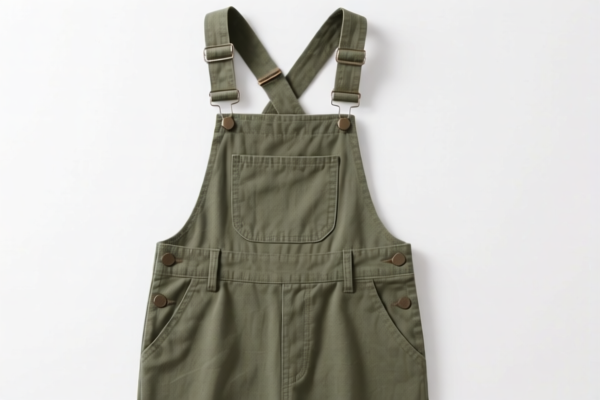
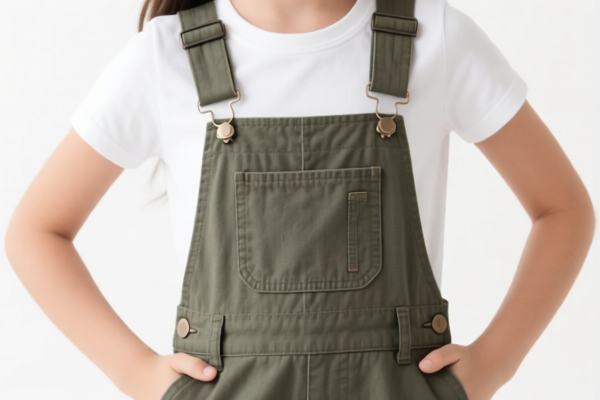
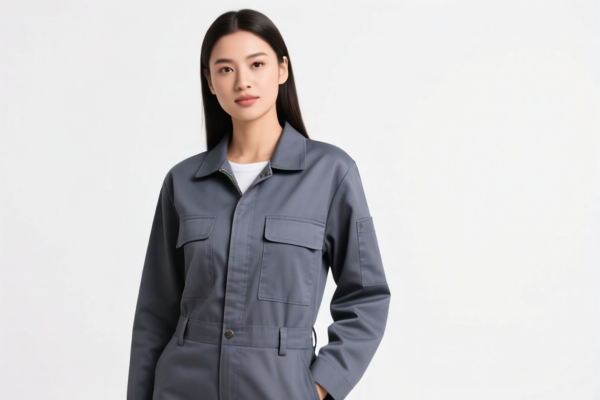
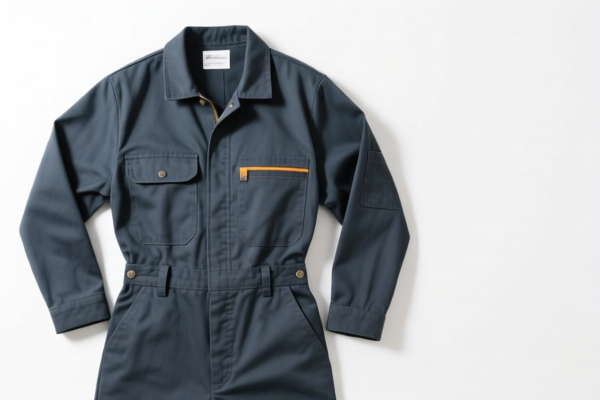
AI Analysis
🧥🧵 Girls' Heavyweight Warm Jumpsuit Workwear: Ultimate HS Code Guide & Clearance Strategy
🌐 HS Code Reference & Clearance Guide | 2026 Latest Tariff Analysis | Professional Compliance Strategy
📌 I. Product Definition & Classification: Do You Truly Understand "Warm Jumpsuits"?
Girls' Heavyweight Warm Jumpsuit Workwear refers to full-body protective clothing designed for female children, featuring heavy insulation for cold-weather work environments. In international trade, the classification depends strictly on the material composition, which dictates the tariff rate.
Key Material Distinctions:
* Cotton (Natural Fiber): Soft, breathable, but requires specific classification (6204.62 or 6211.42).
* Synthetic Fiber or Blended (Man-made): Durable, often more water-resistant, classified under 6204.63.
* Artificial/Synthetic (Viscose, Rayon, etc.): Often cheaper alternatives, classified under 6211.43.
* Knitted Cotton: Stretchier, softer fabric (e.g., sweatshirt material), classified under 6104.62.
⚠️ Critical Classification Point:
- Woven (Non-knitted) vs. Knitted: The fabric construction determines if it falls under Chapter 61 (Knitted) or Chapter 62 (Woven).
- Material: Cotton vs. Synthetic vs. Artificial determines the sub-category and Tax Rate.
- Design: "Jumpsuit" (One-piece) vs. "Suit" (Two-piece) affects the Heading.
📦 II. HS Code Classification Details (2026 Latest Tariff Authority)
Based on the specific material composition of your Girls' Heavyweight Warm Jumpsuit Workwear, here are the exact 5 HS Codes provided in your data:
| HS Code | Product Description | Material Type | Category | Total Tax Rate |
|---|---|---|---|---|
6204.62.60.05 |
Women's Heavyweight Warm Jumpsuit, Cotton | 100% Cotton | Jumpsuit (Woven) | 26.4% |
6204.63.60.05 |
Women's Heavyweight Warm Jumpsuit, Synthetic/Blended | Synthetic or Mixed | Jumpsuit (Woven) | 32.4% |
6211.43.10.07 |
Women's Heavyweight Warm Jumpsuit, Artificial Fiber | Man-made (Rayon/Viscose) | One-piece (Woven) | 33.5% |
6104.62.10.10 |
Women's Heavyweight Warm Jumpsuit, Knitted Cotton | Cotton (Knitted) | Jumpsuit (Knitted) | 27.8% |
6211.42.10.07 |
Women's Heavyweight Warm Jumpsuit, Cotton | 100% Cotton | Coveralls/Workwear | 25.6% |
🔍 Important Note:
- Codes6204and6211usually denote Woven garments.
- Code6104denotes Knitted garments.
- The 122 Clause Tariff applies uniformly across all categories (10%), plus base and additional tariffs.
💰 III. 2026 Latest Tariff Rate Breakdown (Including Add-ons)
✅ Applicable Region: Likely United States (based on "122 Clause" and "Additional Tariff" structure)
✅ Origin: China (CN)
✅ Effective: Includes current "122 Clause" and Additional Tariff measures.
🎯 1. Cotton Jumpsuits (Woven) - 6204.62.60.05 & 6211.42.10.07
- Description: The most common natural fiber option.
- Tariff Breakdown:
- Base Duty: 8.1% – 8.9%
- Additional Duty: 7.5% (Section 301 / Trade War measure)
- 122-Clause Tariff: 10% (Specific to China)
- Total Effective Rate: 25.6% – 26.4%
- Calculation:
CIF Value × (Base + 7.5% + 10%)
🎯 2. Synthetic/Blended Jumpsuits - 6204.63.60.05
- Description: Often more durable for heavy work, but attracts higher base duties.
- Tariff Breakdown:
- Base Duty: 14.9%
- Additional Duty: 7.5%
- 122-Clause Tariff: 10%
- Total Effective Rate: 32.4%
- Impact: Higher cost due to higher base duty on synthetic fibers.
🎯 3. Artificial Fiber (Rayon/Viscose) - 6211.43.10.07
- Description: Often used for softer, draping workwear.
- Tariff Breakdown:
- Base Duty: 16.0%
- Additional Duty: 7.5%
- 122-Clause Tariff: 10%
- Total Effective Rate: 33.5%
- Impact: Highest tax rate in this list. Avoid unless material cost savings outweigh the 33.5% tax.
🎯 4. Knitted Cotton Jumpsuits - 6104.62.10.10
- Description: Stretchy, comfortable, "sweatshirt" style workwear.
- Tariff Breakdown:
- Base Duty: 10.3%
- Additional Duty: 7.5%
- 122-Clause Tariff: 10%
- Total Effective Rate: 27.8%
- Impact: Slightly higher than woven cotton due to specific knitting duty structure.
🛠️ IV. Clearance Operational Advice (Pitfall Avoidance)
✅ 1. Documentation Checklist (Essential)
To ensure smooth customs clearance and avoid "Misclassification" fines:
| Document | Requirement | Why It Matters |
|---|---|---|
| ✅ Material Composition Label | Must clearly state: "100% Cotton", "Polyester Blend", or "Artificial Fiber" | Determines the HS Code. Wrong label = Wrong Tax = Audit. |
| ✅ Fabric Construction Type | Specify if Knitted or Woven | Distinguishes between Chapter 61 (6104) and Chapter 62 (6204/6211). |
| ✅ Technical Data Sheet | Weight (GSM), Insulation type (Fleece, Down, Synthetic), Water resistance | Confirms "Heavyweight Warm" claim; prevents re-classification as "Light Apparel". |
| ✅ Photos of Product & Label | Clear shots of the "Made in..." label and fabric tag | Customs officers often verify via photos if physical inspection is delayed. |
| ✅ Commercial Invoice | Must list the exact HS Code and Description (e.g., "Girls' Cotton Jumpsuit") | Prevents "Guessing" by customs; ensures correct tax application. |
✅ 2. Declaration Strategy (Pro-Tips)
🔥 Golden Rule: "Material Defines, Construction Dictates, Tax Follows!"
| Scenario | Correct Declaration | DANGER Zone (Wrong Declaration) |
|---|---|---|
| 100% Cotton, Woven | HS: 6204.62.60.05 or 6211.42.10.07 |
Declaring as Synthetic (6204.63) → Overpay Tax |
| Synthetic Blend, Woven | HS: 6204.63.60.05 |
Declaring as Cotton (6204.62) → Underpay Tax (Audit Risk) |
| Knitted Cotton | HS: 6104.62.10.10 |
Declaring as Woven (6204) → Classification Error |
| Artificial Fiber | HS: 6211.43.10.07 |
Declaring as Cotton → High Tax Risk (33.5% vs 26.4%) |
✅ 3. Special Clauses Explanation (The "122 Clause")
- What is it? The "122 Clause" refers to a specific Section 301 / Trade Countermeasure tariff applied to Chinese goods.
- Rate: Fixed at 10% for all listed HS Codes in this dataset.
- Impact: This is an Add-on Tax that sits on top of the Base Duty and the 7.5% Additional Duty.
- Strategy: You cannot avoid this tax via minor value adjustments (De Minimis) because the threshold for these apparel goods is often low or non-existent.
🌍 V. Market Comparison & Cost Optimization
| Material Type | HS Code | Base Duty | Add-on (7.5%) | 122-Clause (10%) | Total Tax | Recommendation |
|---|---|---|---|---|---|---|
| Cotton (Woven) | 6204.62.60.05 |
8.9% | 7.5% | 10% | 26.4% | ✅ Best for Natural Fiber |
| Cotton (Workwear) | 6211.42.10.07 |
8.1% | 7.5% | 10% | 25.6% | ✅ Lowest Tax for Cotton |
| Knitted Cotton | 6104.62.10.10 |
10.3% | 7.5% | 10% | 27.8% | ⚠️ Moderate Cost |
| Synthetic | 6204.63.60.05 |
14.9% | 7.5% | 10% | 32.4% | ❌ High Cost |
| Artificial | 6211.43.10.07 |
16.0% | 7.5% | 10% | 33.5% | ❌ Highest Cost |
📌 Strategic Insight:
If your product can be manufactured using Cotton rather than Synthetic or Artificial fibers, you can save 7% – 8% in total taxes. Between the two Cotton options (6204.62vs6211.42),6211.42(Coveralls/Workwear specific) offers the lowest tax (25.6%). Ensure your design fits the "Coveralls/Workwear" definition to qualify.
📌 VI. Common Errors & Avoidance (Lessons Learned)
❌ Error 1: "Jumpsuit" vs. "Coveralls" Confusion
Issue: Declaring a Cotton Jumpsuit as 6204 (Dresses/Overalls) when it fits 6211 (Coveralls/Workwear).
* Result: Potential underpayment or overpayment depending on base duty differences.
* Fix:* Verify if the garment is specifically "Workwear" (Coveralls) -> Use 6211.42.
❌ Error 2: Ignoring "Knitted" vs. "Woven"
Issue: Treating Knitted Cotton (6104) as Woven (6204).
* Result: Severe Classification Error, leading to seizure or 100% tax penalties.
* Fix:* Check the fabric weave. Knitted = Chapter 61. Woven = Chapter 62.
❌ Error 3: Mislabeling "Artificial" as "Synthetic"
Issue: Calling Viscose/Rayon "Synthetic" to try for a lower rate.
* Result: Customs will inspect fabric content; if it's Artificial, rate is 33.5%.
* Fix:* Be honest with "Artificial Fiber" classification.
✅ Correct Approach:
"Girls' Heavyweight Warm Jumpsuit, 100% Cotton, Woven, designed as Coveralls -> HS: 6211.42.10.07 (25.6% Tax)."
🎯 VII. Conclusion: Precision Classification = Cost Savings
🎯 Remember the Strategy:
🔹 "Cotton is King" (Lowest Tax): Aim for
6211.42.10.07(25.6%) if possible.
🔹 "Knitted vs. Woven" is Critical:6104vs6204changes the Base Duty.
🔹 "122 Clause" is Unavoidable: Add 10% to your budget for all items.
🔹 "Synthetic/Artificial" is Expensive: Avoid if cost is a factor.
📌 Pro Tip:
If your supplier offers Cotton and Synthetic versions, always default to Cotton for US import to save 6-8% in taxes.
Ensure your Material Composition Label on the garment matches your Commercial Invoice exactly. One word difference (e.g., "Polyester" vs. "Nylon") can trigger an audit!
📣 Immediate Action Plan:
📞 Contact Supplier: Confirm "100% Cotton" or "Cotton Blend" for the best tax rate.
🚀 Prepare Docs: Get technical sheets showing "Knitted" or "Woven" structure.
🛡️ Pre-Audit: Verify the HS Code (6211.42.10.07vs6204.62.60.05) matches your product design.
✨ Professional Clearance Starts with the Right HS Code!
💼 Every 1% of Tax Saved is Profit Added!
Customer Reviews
About HS Code Classification
The Harmonized System (HS) is an internationally standardized nomenclature developed by the World Customs Organization (WCO) to classify traded products. Over 200 countries use the HS system as the basis for customs tariffs, trade statistics, and import/export regulations.
Each HS code follows a hierarchical structure:
- Chapter (2 digits) — Broad category of goods (e.g., Chapter 84: Machinery and Mechanical Appliances)
- Heading (4 digits) — More specific grouping within the chapter
- Subheading (6 digits) — Internationally standardized breakdown, used by all WCO member countries
- National subdivisions (8-10 digits) — Country-specific extensions for further classification, such as US HTSUS 10-digit codes
Correct HS code classification is essential for smooth customs clearance, accurate duty payment, and compliance with trade regulations. Misclassification can lead to customs delays, overpayment of duties, or penalties.
When importing from CN to US, the applicable tariff rates may include:
- Most-Favored-Nation (MFN) rate — The standard duty rate applied to WTO members
- General rate — Applied to countries without trade agreements
- Trade remedy duties — Additional tariffs such as Section 301 (anti-dumping), Section 232 (national security), or countervailing duties
The information provided on this page is for reference purposes only. For official classification, please consult with your local customs authority or a licensed customs broker.