Girls' High Strength Overalls
CN → US| HS Code | Tariff Rate | Origin | Destination | Doc |
|---|---|---|---|---|
| 6204630350 | 32.4% | CN | US | Official Doc |
| 6204620550 | 26.4% | CN | US | Official Doc |
| 6104621030 | 27.8% | CN | US | Official Doc |
Product Images
AI Analysis
👧 Girls' High Strength Overalls (Back-Buckle Trousers)
🌐 HS Code Reference & Customs Clearance Guide | 2026 Latest Tariff Analysis | Professional Clearance Strategy
📌 I. Product Definition & Classification: What Exactly Are "Girls' High Strength Overalls"?
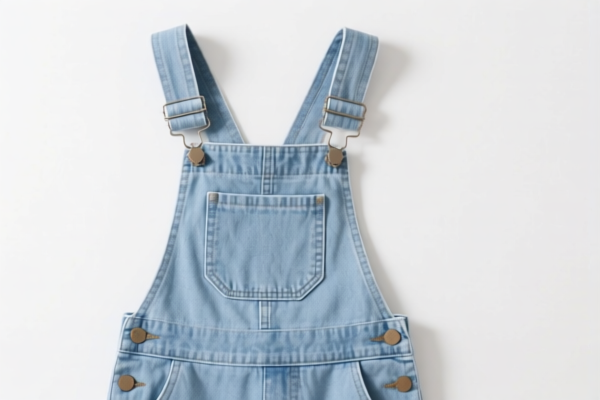
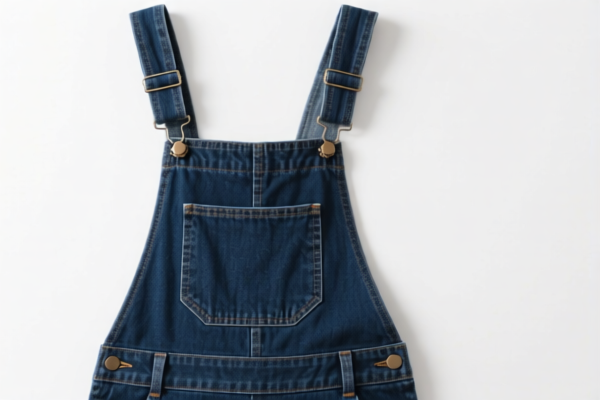
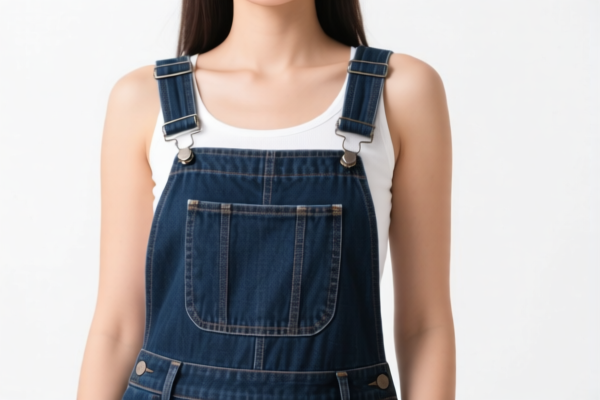
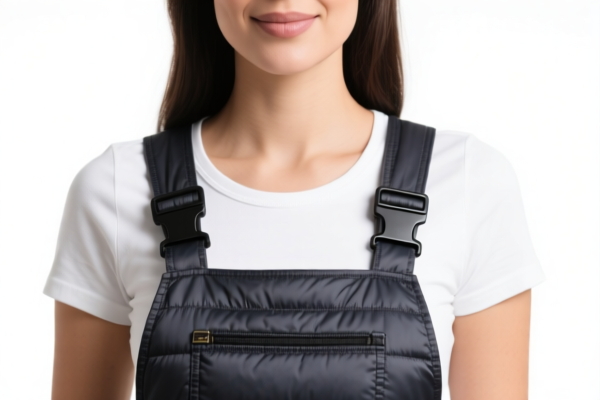
"Girls' High Strength Overalls" refer to durable, two-piece or one-piece trousers with shoulder straps (bib-and-brace style) designed specifically for young girls. The term "high strength" typically implies reinforced stitching, heavy-duty fabric (e.g., denim, canvas, or blended synthetics), and robust construction suitable for active play, school, or outdoor work.
In international trade, these garments fall under Chapter 61 (Knitted) or Chapter 62 (Woven), depending on the material and construction method. The critical distinction lies in: 1. Fabric Type: Knitted (stretchy) vs. Woven (structured). 2. Material Composition: Cotton, Synthetic Fibers, or Blends. 3. Target Audience: Specifically designed for girls (distinct from unisex or adult overalls).
⚠️ Key Classification Triggers:
- Knitted vs. Woven: Determines if it falls under Chapter 61 (Knitted) or Chapter 62 (Woven).
- Material Content: Cotton vs. Synthetic (Polyester/Viscose) significantly impacts tax rates.
- "High Strength" Note: This is a marketing term. Customs classify based on physical fabric properties, not marketing claims.
📦 II. HS Code Classification Details (2026 Latest Tariff Reference)
Based on the specific product data provided, here are the three most likely classifications for Girls' High Strength Overalls, ranked by material and construction:
| HS Code | Product Description | Material Inference | Key Feature | Total Tariff (US) |
|---|---|---|---|---|
6204.63.03.50 |
Woven girls' overalls, Synthetic fibers | Synthetic Fibers (e.g., Polyester, Nylon) | Woven construction, synthetic blend | 32.4% |
6204.62.05.50 |
Woven girls' overalls, Cotton | Cotton | Woven construction, 100% or high cotton content | 26.4% |
6104.62.10.30 |
Knitted girls' overalls, Cotton | Cotton | Knitted/stretchy construction, cotton | 27.8% |
🔍 Critical Analysis:
-6204Series (Woven): Most "high strength" overalls are woven for durability. If the fabric is synthetic, tax is 32.4%. If cotton, tax is 26.4%.
-6104Series (Knitted): If the "high strength" fabric is actually a heavy knitted jersey (e.g., cotton jersey), it falls here at 27.8%.
- Why the Difference?: Synthetic fibers often attract higher base tariffs in the US market compared to cotton, and the specific sub-classification affects the base rate (14.9% vs 8.9%).
💰 III. 2026 Tariff Rate Breakdown (Detailed Policy Analysis)
✅ Target Market: United States (US)
✅ Country of Origin: China (CN)
✅ Applicable Policies: Section 301, Section 232, Section 122 (as per provided data)
🎯 Scenario A: Synthetic Fiber Overalls (6204.63.03.50)
Best for: Heavy-duty synthetic canvas, polyester blends.
| Tax Component | Rate | Policy Source | Explanation |
|---|---|---|---|
| Base Tariff | 14.9% | MFN Rate | Standard Most-Favored-Nation duty for synthetic woven overalls. |
| "Add-on" Tariff | 7.5% | Section 232 / Section 301 (Partial) | Specific industry surcharge for textile/garment categories. |
| "Section 122" Tariff | 10.0% | Section 122 (New) | Note: Based on provided data, this appears to be a specific 2026 add-on (possibly related to recent trade policy updates). |
| TOTAL TAX RATE | 32.4% | Calculation: 14.9 + 7.5 + 10.0 | High Risk Zone |
📌 Interpretation:
- The 32.4% rate is the highest among the options.
- The 10% "Section 122" tariff is a critical cost driver. This likely corresponds to a specific 2026 policy targeting synthetic textiles from China.
- De Minimis Exemption: ❌ NO. Values over $800 per person/day are subject to these duties; however, standard commercial shipments are fully liable.
🎯 Scenario B: Cotton Woven Overalls (6204.62.05.50)
Best for: Heavy cotton denim, canvas, drill.
| Tax Component | Rate | Policy Source | Explanation |
|---|---|---|---|
| Base Tariff | 8.9% | MFN Rate | Lower base rate for natural fiber (Cotton) woven goods. |
| "Add-on" Tariff | 7.5% | Section 232 / Section 301 | Same industry surcharge applies to cotton. |
| "Section 122" Tariff | 10.0% | Section 122 | Same 2026 policy applies regardless of material. |
| TOTAL TAX RATE | 26.4% | Calculation: 8.9 + 7.5 + 10.0 | Moderate Risk Zone |
📌 Interpretation:
- Cotton wins here: The base tariff drops from 14.9% to 8.9%, saving 6.0% on the base duty.
- Total Savings: Switching from synthetic to cotton reduces total tax from 32.4% to 26.4%.
🎯 Scenario C: Cotton Knitted Overalls (6104.62.10.30)
Best for: Stretchy, heavy-knit cotton overalls (less common for "high strength" but possible).
| Tax Component | Rate | Policy Source | Explanation |
|---|---|---|---|
| Base Tariff | 10.3% | MFN Rate | Knitted cotton garments have a specific base rate. |
| "Add-on" Tariff | 7.5% | Section 232 / Section 301 | Industry surcharge. |
| "Section 122" Tariff | 10.0% | Section 122 | Same 2026 policy applies. |
| TOTAL TAX RATE | 27.8% | Calculation: 10.3 + 7.5 + 10.0 | Moderate Risk Zone |
📌 Interpretation:
- Knitted cotton sits between synthetic woven and pure cotton woven.
- The base rate (10.3%) is higher than cotton woven (8.9%) but lower than synthetic woven (14.9%).
- Classification Tip: If the fabric has significant stretch (knitted), do not force it into a woven category (6204); it will be rejected at customs.
🛠️ IV. Strategic Customs Clearance Recommendations (Actionable Advice)
✅ 1. Documentation Checklist (Must-Have)
| Document | Requirement | Why? |
|---|---|---|
| Fabric Composition Certificate | Mandatory | Must explicitly state % Cotton vs. Synthetic to justify 6204.62 (Cotton) vs 6204.63 (Synthetic). |
| Knitted vs. Woven Verification | Mandatory | Provide mill test reports or fabric swatches. Misclassification here leads to 100% audit risk. |
| Product Photos (360°) | Mandatory | Show shoulder straps, "high strength" stitching, and "Girls" sizing tags. |
| Bill of Materials (BOM) | Highly Recommended | Breaks down fabric, thread, button, and zipper types to prove "Cotton" or "Synthetic" status. |
✅ 2. Declaration Strategy (Critical Steps)
🔥 "Know Your Fabric, Declare Your Fiber!"
| Strategy | Action | Risk of Error |
|---|---|---|
| For Synthetic Overalls | Declare 6204.63.03.50 with 100% Polyester/Viscose. |
Low Risk: If fabric is truly synthetic. |
| For Cotton Overalls | Declare 6204.62.05.50 with 100% Cotton. |
Low Risk: If fabric is truly cotton. |
| Blended Fabrics | ⚠️ DANGER ZONE: If fabric is 60% Cotton / 40% Poly, it often falls under Synthetic rules (Chapter 62) if the synthetic content is the "predominant" value. | High Risk: Mislabeling a blend as "Cotton" to save tax = Penalty + 32.4% Tax. |
📌 Pro Tip: If your "High Strength" overalls are made of Denim, check the fiber content. Most heavy denim is Cotton. If it's "Elastane" blended, the stretch fiber is usually negligible, but the majority fiber dictates the HS Code.
✅ 3. Special Considerations for "Section 122"
| Issue | Recommendation |
|---|---|
| Tariff Volatility | The 10% "Section 122" tariff is a new/additional layer. Verify if this applies to all textile imports or only specific sub-categories. |
| Origin Tracing | If you source fabric from Vietnam, Mexico, or Thailand (instead of China), you may exempt the Section 301/122 tariffs. |
| Pre-Ruling | File an Advance Ruling with US Customs (CBP) before shipping. Ask specifically: "Does this 100% cotton woven girls' overall qualify for the lower 8.9% base rate?" |
🌍 V. Global Market Comparison (US vs. Others)
| Market | Recommended HS Code | Base Tax | Section 301/122? | Total Effective Tax |
|---|---|---|---|---|
| 🇺🇸 USA | 6204.62.05.50 (Cotton) |
8.9% | YES (17.5% Add-on) | 26.4% |
| 🇺🇸 USA | 6204.63.03.50 (Synthetic) |
14.9% | YES (17.5% Add-on) | 32.4% |
| 🇪🇺 EU | 6204.62.05.50 |
~12% | NO | ~12% |
| 🇯🇵 Japan | 6204.62.05.50 |
~10% | NO | ~10% |
📌 Conclusion:
The US market is the most expensive due to the combination of high base tariffs + Section 301 + Section 122.
Strategy: If possible, consider Third-Country Manufacturing (e.g., Vietnam) to bypass the 10% + 7.5% surcharges entirely.
📌 VI. Common Mistakes & Avoidance (Real-World Lessons)
❌ Mistake 1: Calling it "Unisex Overalls" to avoid "Girls" classification.
👉 Result: Customs may re-classify as adult garments (higher tax) or reject the description. Always declare "Girls" if designed for girls.
❌ Mistake 2: Declaring "Cotton" but shipping a Polyester Blend.
👉 Result: Customs lab test confirms 90% Polyester → Re-classify to 6204.63 → Pay the difference (32.4% - 26.4%) + Fines.
❌ Mistake 3: Ignoring the 10% "Section 122".
👉 Result: Profit margins vanish. A $10 product suddenly costs $3.24 in tax instead of $2.64.
✅ Correct Action:
"Girls' Cotton Denim Overalls, Woven, 100% Cotton, Size 4-12, Designed for Active Play."
HS Code:6204.62.05.50
Tax Rate: 26.4% (Optimized!)
🎯 VII. Final Verdict: The "High Strength" Factor
The term "High Strength" is marketing fluff. For Customs, it means: 1. Check the Fabric: Is it Woven (Chapter 62) or Knitted (Chapter 61)? 2. Check the Fiber: Is it Cotton (Lower Base Tax) or Synthetic (Higher Base Tax)? 3. Check the Policy: Does the 10% Section 122 apply to your specific sub-category?
🚀 Action Plan:
1. Confirm Material: Get a lab report for fiber composition.
2. Select HS Code: Use6204.62.05.50(Cotton) if >50% Cotton to save 6%.
3. Budget for 26.4%: Plan for the total tax (Base + Add-ons).
4. Consider Origin: If margins are tight, explore non-China production to avoid the 17.5% surcharge.
📌 Final Warning:
"High Strength" does not mean "High Duty" exemption!
Accuracy in HS Code + Material Declaration = Profit Preservation.
Errors in Classification = 30% Cost Increase!
✨ Professional Customs Clearance Starts with Precision!
💼 Your Margins Are Measured in HS Codes.
Customer Reviews
About HS Code Classification
The Harmonized System (HS) is an internationally standardized nomenclature developed by the World Customs Organization (WCO) to classify traded products. Over 200 countries use the HS system as the basis for customs tariffs, trade statistics, and import/export regulations.
Each HS code follows a hierarchical structure:
- Chapter (2 digits) — Broad category of goods (e.g., Chapter 84: Machinery and Mechanical Appliances)
- Heading (4 digits) — More specific grouping within the chapter
- Subheading (6 digits) — Internationally standardized breakdown, used by all WCO member countries
- National subdivisions (8-10 digits) — Country-specific extensions for further classification, such as US HTSUS 10-digit codes
Correct HS code classification is essential for smooth customs clearance, accurate duty payment, and compliance with trade regulations. Misclassification can lead to customs delays, overpayment of duties, or penalties.
When importing from CN to US, the applicable tariff rates may include:
- Most-Favored-Nation (MFN) rate — The standard duty rate applied to WTO members
- General rate — Applied to countries without trade agreements
- Trade remedy duties — Additional tariffs such as Section 301 (anti-dumping), Section 232 (national security), or countervailing duties
The information provided on this page is for reference purposes only. For official classification, please consult with your local customs authority or a licensed customs broker.