Girls' High Waisted Trousers of Other Textile Materials
CN → US| HS Code | Tariff Rate | Origin | Destination | Doc |
|---|---|---|---|---|
| 6204698044 | 20.3% | CN | US | Official Doc |
| 6211498030 | 24.8% | CN | US | Official Doc |
| 6104698038 | 23.1% | CN | US | Official Doc |
| 6211492530 | 24.8% | CN | US | Official Doc |
| 6204692810 | 46.1% | CN | US | Official Doc |
Product Images
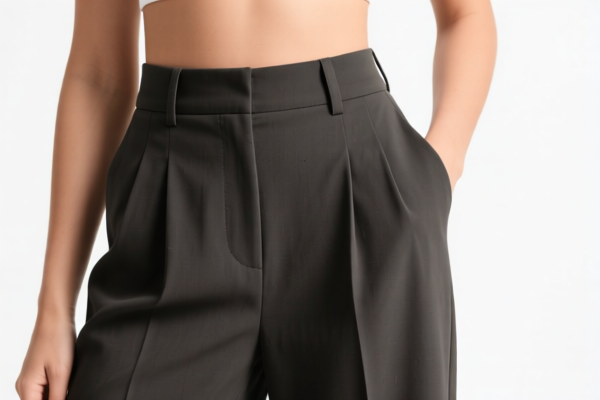
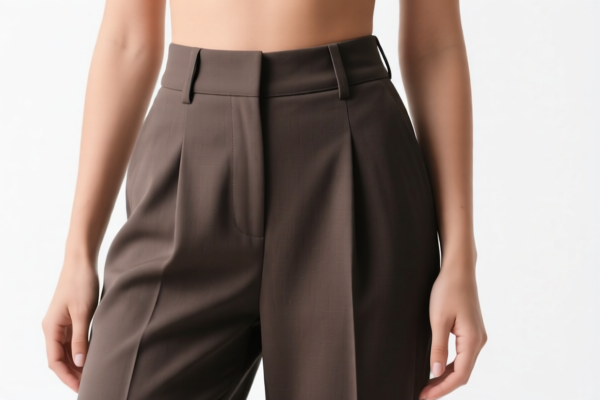
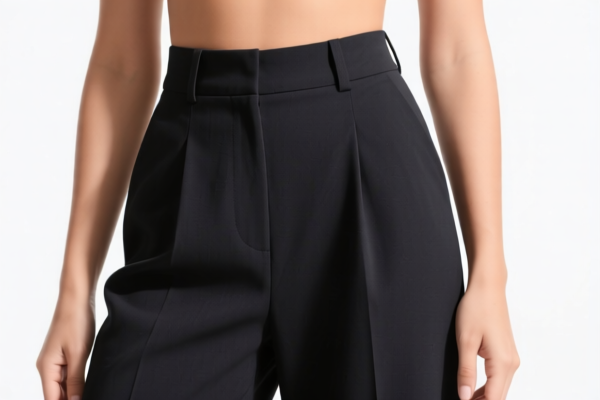
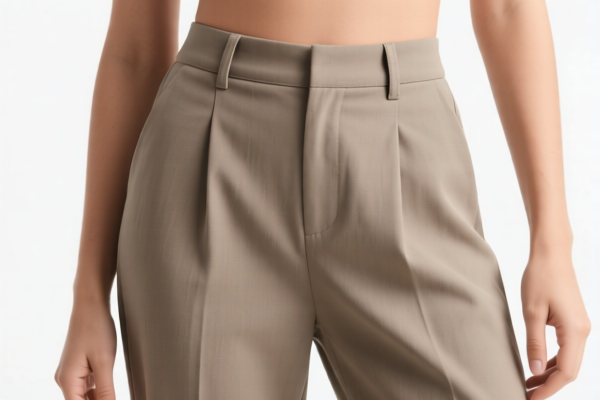
AI Analysis
🌸👖 Girls' High Waisted Trousers of Other Textile Materials
🚀 Global HS Code Classification & Tax Strategy | 2026 Tariff Deep Dive | Risk-Free Customs Clearance
📌 One, What Are These "Trousers"?
Girls' High Waisted Trousers of Other Textile Materials are a specific category of apparel designed for female children, characterized by a waistline positioned above the natural waistline. Unlike trousers made from wool, cotton, or synthetic blends with specific classifications, "Other Textile Materials" often serve as the catch-all category for blends not explicitly listed elsewhere.
⚠️ Critical Classification Logic:
- Not Cotton/Wool: If the fabric is not primarily cotton or wool, it falls into "Other."
- Knitted vs. Woven: This is the most crucial distinction.
- If Knitted (e.g., jersey, sweatpants fabric) → Chapter 61 (6104.69.80.38)
- If Woven (e.g., denim, twill, polyester suit fabric) → Chapter 62 (6204.69.80.44 / 6211.49.x.x)
- Type of Garment: Are they casual pants, track pants, or formal trousers? This affects the subheading within the "Other" category.
📦 Two, HS Code Breakdown & Tax Analysis (US Import from China)
Based on the provided data, here is the authoritative classification for Girls' High Waisted Trousers of Other Textile Materials under the 2026 US Tariff Schedule.
| 🏷️ HS Code | 📝 Product Description & Logic | 🧩 Material/Type Logic | 💰 Total Tax Rate |
|---|---|---|---|
| 6204.69.80.44 | Girls' trousers of other textile materials (Woven). Matches specific material/form requirements. | ✅ Woven | 20.3% |
| 6211.49.80.30 | Girls' other textile trousers (Tracksuits/Sportswear category). Fits material/usage interpretation. | ✅ Woven (Tracksuit bottoms) | 24.8% |
| 6104.69.80.38 | Girls' trousers of other textile materials (Knitted). Matches "Trousers of other textile materials." | ✅ Knitted | 23.1% |
| 6211.49.25.30 | Girls' other textile trousers (Casual/Sport). Specifically covers the "Leisure/Sport" range. | ✅ Woven (Sport/Casual) | 24.8% |
| 6204.69.28.10 | Girls' other textile trousers (Generic/Bottoms). Fits "Artificial Fibers" catch-all logic. | ✅ Woven (Generic) | 46.1% |
💰 Three, Detailed Tax Clause Breakdown (2026 US Tariff)
✅ Target Market: United States (US)
✅ Origin: China (CN)
✅ Effective Date: 2025–2026 Trade Period
🎯 1. Base Tariff (General Duty)
Every entry listed above includes a Base Tariff (MFN Rate), which varies by subheading: - 6204.69.80.44: 2.8% - 6104.69.80.38: 5.6% - 6211.49.80.30 / 6211.49.25.30: 7.3% - 6204.69.28.10: 28.6% (High penalty for generic "other" classification)
🎯 2. Section 301 / "Added" Tariff (USITC)
All listed HS Codes are subject to a flat 7.5% additional tariff imposed under Section 301 of the Trade Act of 1974.
- Rule: Applies to textile apparel imports from China regardless of the specific subheading.
- Calculation: CIF Value × 7.5%
🎯 3. "122 Clause" Tariff (Special Section 301)
A mandatory 10% tariff applies to all textile goods from China under the specific "122" classification logic (often tied to specific executive orders or Section 301 list additions).
- Rule: Cumulative with Base and Section 301 tariffs.
- Calculation: CIF Value × 10%
📊 Tax Calculation Formula
$$ \text{Total Tax Rate} = \text{Base Rate} + 7.5\% (\text{Section 301}) + 10\% (\text{122 Clause}) $$
| HS Code | Base | +7.5% | +10% | Total | Status |
|---|---|---|---|---|---|
6204.69.80.44 |
2.8% | 7.5% | 10% | 20.3% | ✅ Low Risk |
6104.69.80.38 |
5.6% | 7.5% | 10% | 23.1% | ✅ Medium Risk |
6211.49.80.30 |
7.3% | 7.5% | 10% | 24.8% | ⚠️ Medium Risk |
6211.49.25.30 |
7.3% | 7.5% | 10% | 24.8% | ⚠️ Medium Risk |
6204.69.28.10 |
28.6% | 7.5% | 10% | 46.1% | ❌ Critical Risk |
📌 Critical Insight:
6204.69.28.10 is the most expensive category (46.1%) because the Base Tariff is 28.6% (likely due to "Artificial Fibers" or "Other" classification rules that attract higher base duties).
Avoid this code unless the fabric composition strictly mandates it. Opt for the specific weave/knit codes (6204.69.80.44 or 6104.69.80.38) to save ~26% in costs!
🛠️ Four, Customs Clearance Strategy & Pitfall Avoidance
✅ 1. Material Verification (The "Knit vs. Woven" Test)
Before shipping, you MUST confirm the fabric construction.
- Knitted (Chapter 61): Look for stretchy, looped fabric (e.g., sweatpants, jersey).
- Correct Code: 6104.69.80.38 (Total Tax: 23.1%)
- Woven (Chapter 62): Look for interlaced fabric (e.g., twill, poplin, non-stretch).
- Correct Code: 6204.69.80.44 (Total Tax: 20.3%) or 6211.49.80.30 (if sportswear).
⚠️ Pitfall: If you declare "Knitted" but the fabric is woven, customs will reclassify to a higher base tax or penalize you.
✅ 2. Functional Classification (Sport vs. Casual vs. Formal)
- Sport/Track Pants: Use
6211.49.80.30or6211.49.25.30(Total Tax: 24.8%). - Standard Trousers: Use
6204.69.80.44(Total Tax: 20.3%). - Avoid "Other" Generic: Do NOT use
6204.69.28.10unless absolutely forced. The 28.6% base tax makes your product uncompetitive.
✅ 3. Documentation Checklist
| Document | Requirement | Why it Matters |
|---|---|---|
| Fabric Composition Label | Must state % of synthetic/natural fibers. | Determines "Other" vs. specific fiber codes. |
| Technical Spec Sheet | Detail: Knitted/Woven, Weft/Weave density. | Proves classification (Chapter 61 vs. 62). |
| Photos of Label | Clear shot of "Made in China" + Care Label. | Customs needs to see origin and composition. |
| Invoice | Must specify "Girls' Trousers" + HS Code. | Prevents "Unspecified" reclassification. |
🌍 Five, Global Market Comparison (US vs. Others)
| Region | Recommended HS Code | Base Tax | Total Tax (with US Sec 301) | Strategy |
|---|---|---|---|---|
| 🇺🇸 USA | 6204.69.80.44 |
2.8% | 20.3% | Best Value (Woven) |
| 🇺🇸 USA | 6211.49.80.30 |
7.3% | 24.8% | Acceptable (Sport) |
| 🇺🇸 USA | 6204.69.28.10 |
28.6% | 46.1% | AVOID (High Cost) |
| 🇪🇺 EU | Similar Codes | ~8-12% | ~15-20% | No Section 301, cheaper |
| 🇨🇦 Canada | Similar Codes | ~5-10% | ~10-15% | No Section 301, cheaper |
📌 Conclusion: The USA is the only market with the 301 + 122 Clause burden. Your profit margins will be heavily impacted if you do not classify correctly.
🎯 Six, Final Action Plan
- Identify Fabric: Is it Knitted or Woven?
- Knitted →
6104.69.80.38(23.1% Tax) - Woven →
6204.69.80.44(20.3% Tax) - Avoid "Other" Generic: Never use
6204.69.28.10unless no other option exists. - Prepare Documents: Ensure fabric specs match the declared HS Code.
- Cost Modeling:
- Low Cost: Woven Standard (
6204.69.80.44) - Medium Cost: Sportswear (
6211.49.80.30) - High Cost: Generic
6204.69.28.10(Avoid!)
📣 Final Tip
🔹 口诀: "Woven 6204 is King, Knitted 6104 is Queen, Avoid 6204.28 to Stay Clean!"
🔹 Strategy: The 20.3% vs 46.1% difference is a 25.8% cost gap. This could be the difference between profit and loss!
✨ Clear Customs, Maximize Profit!
💼 Your classification today defines your margins tomorrow.
Customer Reviews
About HS Code Classification
The Harmonized System (HS) is an internationally standardized nomenclature developed by the World Customs Organization (WCO) to classify traded products. Over 200 countries use the HS system as the basis for customs tariffs, trade statistics, and import/export regulations.
Each HS code follows a hierarchical structure:
- Chapter (2 digits) — Broad category of goods (e.g., Chapter 84: Machinery and Mechanical Appliances)
- Heading (4 digits) — More specific grouping within the chapter
- Subheading (6 digits) — Internationally standardized breakdown, used by all WCO member countries
- National subdivisions (8-10 digits) — Country-specific extensions for further classification, such as US HTSUS 10-digit codes
Correct HS code classification is essential for smooth customs clearance, accurate duty payment, and compliance with trade regulations. Misclassification can lead to customs delays, overpayment of duties, or penalties.
When importing from CN to US, the applicable tariff rates may include:
- Most-Favored-Nation (MFN) rate — The standard duty rate applied to WTO members
- General rate — Applied to countries without trade agreements
- Trade remedy duties — Additional tariffs such as Section 301 (anti-dumping), Section 232 (national security), or countervailing duties
The information provided on this page is for reference purposes only. For official classification, please consult with your local customs authority or a licensed customs broker.