Girls' Insulated Bib Jumpsuit
CN → US| HS Code | Tariff Rate | Origin | Destination | Doc |
|---|---|---|---|---|
| 6111301000 | 45.7% | CN | US | Official Doc |
| 6209203000 | 32.4% | CN | US | Official Doc |
| 6104631010 | 32.4% | CN | US | Official Doc |
| 6104621010 | 27.8% | CN | US | Official Doc |
| 6111206070 | 25.6% | CN | US | Official Doc |
Product Images
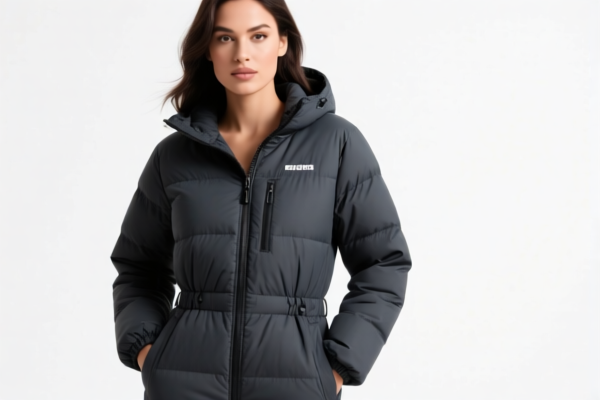
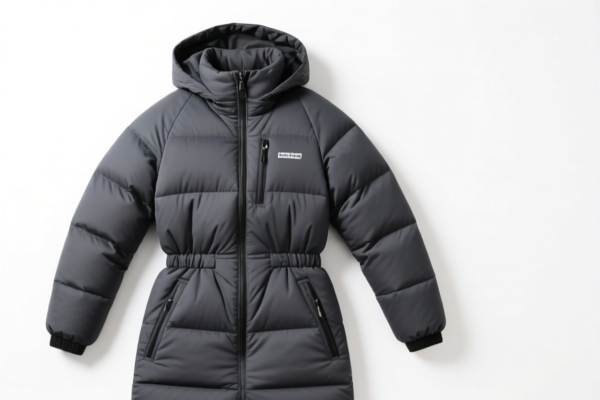
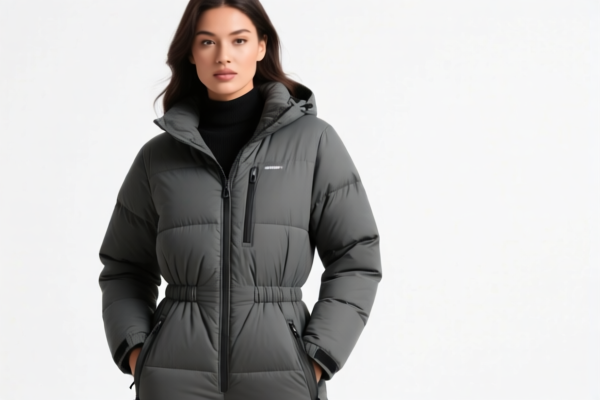
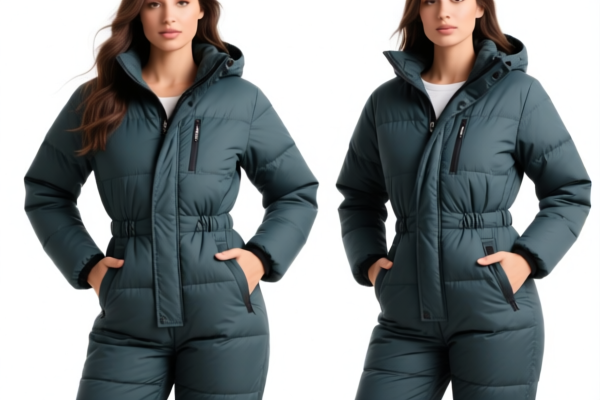
AI Analysis
👗 Girls' Insulated Bib Jumpsuit (女童保暖围兜背带裤)
🌐 HS Code Reference & Customs Clearance Guide | 2026 Latest Tariff Analysis | Professional Compliance Strategy
📌 I. Product Definition & Classification: What Exactly Is an "Insulated Bib Jumpsuit"?
A Girls' Insulated Bib Jumpsuit is a one-piece winter garment designed for children, typically featuring: * Bib Front: A protective flap covering the chest and stomach. * Suspenders/Straps: Adjustable shoulder straps to hold the pants up. * Insulation: Lined with cotton, polyester fill, or thermal fabric for warmth. * Material: Usually knitted (cotton, synthetic) or woven (cotton blends).
⚠️ Key Classification Distinction:
- Is it Knitted/Knitted (e.g., fleece, jersey) → Likely Chapter 61 (Knitted).
- Is it Woven (e.g., denim, twill, non-woven shell) → Likely Chapter 62 (Woven).
- Is it for Infants (usually under 2 years or specifically labeled "Baby") → Chapter 6111/6209.
- Is it for Older Girls (typically 2+ years, not "infant") → Chapter 6104/6204.
📦 II. HS Code Classification Details (2026 Latest Tariff Authority对照)
Based on the provided data, here are the five most likely HS Codes and their corresponding tax breakdowns. Note: The total tax rates vary significantly due to different base duty rates.
| HS Code | Product Description & Inference | Material/Type Assumption | Total Tax Rate |
|---|---|---|---|
| 6111.30.10.00 | Girl's insulated bib jumpsuit; inferred as general fiber/fabric apparel. | Generic Knitted/Synthetic | 45.7% |
| 6209.20.30.00 | Girl's insulated bib jumpsuit; inferred as Cotton or Cotton-blend due to insulation. | Woven, Infant/Child (Cotton) | 32.4% |
| 6104.63.10.10 | Girl's insulated bib jumpsuit; fits form/use; inferred as Knitted or Synthetic Fiber. | Knitted, Synthetic (Polyester) | 32.4% |
| 6104.62.10.10 | Girl's insulated bib jumpsuit; fits form/use; inferred as Cotton or similar warm material. | Knitted, Cotton | 27.8% |
| 6111.20.60.70 | Insulated cotton girl's onesie/jumpsuit; Cotton material, knitted/crocheted infant apparel. | Knitted, Cotton, Infant | 25.6% |
🔍 Critical Analysis:
- Highest Risk (45.7%): HS6111.30.10.00applies a 28.2% base duty. This is likely if the item is classified broadly as "other knitted infant articles" without specific cotton/infant qualifiers, or misclassified as a general synthetic article.
- Lowest Risk (25.6%): HS6111.20.60.70has the lowest base duty (8.1%) but is strictly for Cotton Knitted Infant items. If the child is >2 years old or material is not 100% cotton, this code may be rejected.
- Middle Ground (27.8% - 32.4%): These codes represent standard classifications for Cotton Knitted (6104.62) or Synthetic/Woven Infant/Child items (6209.20).
💰 III. 2026 Latest Tariff Rate Breakdown (Including Surtaxes)
✅ Applicable Country: United States (US)
✅ Country of Origin: China (CN)
✅ Effective Date: Post-November 2025 (Current US Trade Policy)
🎯 1. 6111.30.10.00 – Highest Tax Bracket (45.7%)
| Item | Details |
|---|---|
| Base Duty | 28.2% (Ad Valorem) |
| Section 301 Surcharge | +7.5% |
| Section 122 Tariff | +10% |
| Total Effective Rate | 45.7% |
| Calculation | CIF Value × 45.7% |
| De Minimis Exemption | ❌ NOT Eligible (Section 301 & 122 tariffs void de minimis) |
| Legal Basis | HTSUS 6111.30.10.00 + Footnote 9903.88.01 + IEEPA Proclamations |
📌 Explanation:
- The 28.2% base duty is unusually high for baby clothes (usually 0-10%), suggesting this code might be misapplied or refers to a specific non-textile composite good.
- Section 301 (7.5%) and Section 122 (10%) are mandatory additional tariffs on Chinese goods.
- Total 45.7% makes this option financially unviable for low-margin goods.
🎯 2. 6209.20.30.00 – Woven Cotton Infant (32.4%)
| Item | Details |
|---|---|
| Base Duty | 14.9% |
| Section 301 Surcharge | +7.5% |
| Section 122 Tariff | +10% |
| Total Effective Rate | 32.4% |
| Calculation | CIF Value × 32.4% |
| De Minimis Exemption | ❌ NOT Eligible |
| Legal Basis | HTSUS 6209.20.30.00 + USITC Footnotes |
📌 Explanation:
- 14.9% base duty is standard for woven cotton infant garments.
- Suitable if the jumpsuit is woven (not knitted) and labeled for infants.
🎯 3. 6104.63.10.10 – Knitted Synthetic (32.4%)
| Item | Details |
|---|---|
| Base Duty | 14.9% |
| Section 301 Surcharge | +7.5% |
| Section 122 Tariff | +10% |
| Total Effective Rate | 32.4% |
| Calculation | CIF Value × 32.4% |
| De Minimis Exemption | ❌ NOT Eligible |
📌 Explanation:
- 14.9% base duty for synthetic knitted girls' trousers/jumpsuits.
- Applicable if the material is Polyester/Acrylic and the child is 2 years+ (not infant).
🎯 4. 6104.62.10.10 – Knitted Cotton (27.8%)
| Item | Details |
|---|---|
| Base Duty | 10.3% |
| Section 301 Surcharge | +7.5% |
| Section 122 Tariff | +10% |
| Total Effective Rate | 27.8% |
| Calculation | CIF Value × 27.8% |
| De Minimis Exemption | ❌ NOT Eligible |
📌 Explanation:
- 10.3% base duty for cotton knitted girls' trousers.
- A strong option if the item is Cotton and for Older Girls (not infants).
🎯 5. 6111.20.60.70 – Lowest Tax (25.6%) ⭐ Recommended if Eligible
| Item | Details |
|---|---|
| Base Duty | 8.1% |
| Section 301 Surcharge | +7.5% |
| Section 122 Tariff | +10% |
| Total Effective Rate | 25.6% |
| Calculation | CIF Value × 25.6% |
| De Minimis Exemption | ❌ NOT Eligible |
| Legal Basis | HTSUS 6111.20.60.70 |
📌 Explanation:
- 8.1% base duty is the lowest base rate in the list.
- CRITICAL: This code is for Knitted/Crocheted Baby Clothing made of Cotton.
- Condition: Must be for Infants (typically <24 months) AND 100% Cotton (or primary cotton). If it’s synthetic or for toddlers, this code will be challenged.
🛠️ IV. Customs Clearance Practical Advice (Pitfall Avoidance Guide)
✅ 1. Documentation Checklist (Non-Negotiable)
| Document | Required? | Notes |
|---|---|---|
| ✅ Product Spec Sheet | ✔️ | Must state Material Composition (e.g., 100% Cotton, 95% Polyester/5% Spandex). |
| ✅ Age Label | ✔️ | Must clearly state "Baby", "Infant", or "Girls 2-4T" etc. Mislabeling age can shift HS Code from 6111 to 6104/6209. |
| ✅ Material Test Report | ✔️ | Fiber content report from accredited lab. |
| ✅ Commercial Invoice | ✔️ | Must describe item as "Girls' Insulated Bib Jumpsuit, Knitted/Cotton". |
| ✅ Photos | ✔️ | Show front, back, label, and close-up of fabric texture (to prove knit vs. woven). |
| ✅ Certificate of Origin | ✔️ | Required for 301/122 tariff assessment. |
✅ 2. Declaration Strategy (Key Rules)
🔥 Golden Rule: "Material + Age + Construction = Correct Code"
| Scenario | Correct HS Code | Why? |
|---|---|---|
| 100% Cotton, Knitted, Infant (<2y) | 6111.20.60.70 |
Lowest base duty (8.1%). Must prove infant use. |
| Polyester, Knitted, Girl 2-4T | 6104.63.10.10 |
Synthetic knitted trousers/jumpsuits for girls. |
| Cotton Blend, Woven, Infant | 6209.20.30.00 |
Woven infant garments have higher base duty. |
| Generic/Synthetic, Infant | 6111.30.10.00 |
Highest risk (28.2% base). Avoid if possible. |
⚠️ Warning:
- If you declare "Baby" but the item is too large or styled for toddlers, Customs may reclassify it as Girls' Apparel (6104/6204), potentially changing the duty rate.
- Insulation Material: If the "insulation" is a separate non-textile layer (e.g., foil), it may affect classification.
✅ 3. Special Cases & Mitigation
| Situation | Recommendation |
|---|---|
| Mixed Material (e.g., Cotton Shell, Polyester Lining) | Declare based on primary material (usually outer shell). If cotton is >50%, lean toward Cotton codes. |
| OEM Private Label | Ensure the label matches the declared material. Discrepancies lead to penalties. |
| "Unisex" or "Kids" Labeling | If age is ambiguous, Customs may choose the higher duty code. Specify Age Range on invoice. |
| High Value Items | Consider Advance Ruling from CBP to lock in HS Code and tax rate. |
🌍 V. Global Market Comparison (2026)
| Market | Recommended HS | Base Duty | Surtaxes (CN) | Total Approx. | Notes |
|---|---|---|---|---|---|
| 🇺🇸 USA | 6111.20.60.70 |
8.1% | 17.5% (301+122) | 25.6% | Lowest total tax if infant cotton. |
| 🇺🇸 USA | 6104.62.10.10 |
10.3% | 17.5% | 27.8% | Best for Cotton Knitted Girls (2+). |
| 🇺🇸 USA | 6209.20.30.00 |
14.9% | 17.5% | 32.4% | For Woven Infant items. |
| 🇪🇺 EU | Various | 0-12% | 0% | 0-12% | No Section 301/122. Lower base duties. |
| 🇨🇳 China | Various | 0-15% | 0% | 0-15% | Import duties for domestic sale. |
📌 Conclusion:
- USA is the most expensive market due to 17.5% in surtaxes.
- Strategy: Maximize use of Cotton Knitted Infant (6111.20.60.70) if product qualifies.
- Alternative: If not infant, use Cotton Knitted Girls (6104.62.10.10) for the next best rate.
📌 VI. Common Errors & Pitfalls (Lessons Learned)
❌ Error 1: Declaring "Synthetic" when material is 95% Cotton.
👉 Consequence: Reclassification to Cotton code, potential penalties for misdeclaration.
❌ Error 2: Calling it "Baby" when size is 4T (Toddler).
👉 Consequence: Shift from 6111 (Infant) to 6104 (Girls), changing base duty from 8.1% to 10.3%.
❌ Error 3: Ignoring Section 122 (10%) in cost calculations.
👉 Consequence: Profit margin erosion. Total tax is not just Base + 301.
❌ Error 4: Using generic description "Kids Clothes".
👉 Consequence: Customs uses their own classification, likely resulting in the highest duty rate (45.7%).
✅ Correct Practice:
"Girls' Insulated Bib Jumpsuit, 100% Cotton, Knitted, for Infants 0-24 Months, Model #ABC, Made in China."
🎯 VII. Conclusion: Strategic Clearance for Profitability
🎯 Key Takeaways:
1. Target 6111.20.60.70 if your product is Infant + Cotton + Knitted. It saves ~20% in total tax compared to the highest bracket.
2. Target 6104.62.10.10 if it's Girls (2+) + Cotton + Knitted.
3. Avoid 6111.30.10.00 unless absolutely necessary due to the 28.2% base duty.
4. Always declare Material and Age Clearly. Ambiguity leads to higher duty assessments.
📌 Pro Tip:
- Get a Fiber Content Test before shipping.
- Use Advance Rulings if volume is high.
- Consider Transshipment/Origin Shift if tariffs become prohibitive (though 301/122 apply to Chinese-origin goods regardless of final assembly in some cases).
📣 Action Step:
📞 Contact a Licensed Customs Broker
📄 Provide Product Specs + Photos + Age Label
✅ Request HS Code Pre-Determination
✨ Professional Clearance Starts with Accurate Classification!
💼 Your Profit Margin Depends on the First 8 Digits!
Customer Reviews
About HS Code Classification
The Harmonized System (HS) is an internationally standardized nomenclature developed by the World Customs Organization (WCO) to classify traded products. Over 200 countries use the HS system as the basis for customs tariffs, trade statistics, and import/export regulations.
Each HS code follows a hierarchical structure:
- Chapter (2 digits) — Broad category of goods (e.g., Chapter 84: Machinery and Mechanical Appliances)
- Heading (4 digits) — More specific grouping within the chapter
- Subheading (6 digits) — Internationally standardized breakdown, used by all WCO member countries
- National subdivisions (8-10 digits) — Country-specific extensions for further classification, such as US HTSUS 10-digit codes
Correct HS code classification is essential for smooth customs clearance, accurate duty payment, and compliance with trade regulations. Misclassification can lead to customs delays, overpayment of duties, or penalties.
When importing from CN to US, the applicable tariff rates may include:
- Most-Favored-Nation (MFN) rate — The standard duty rate applied to WTO members
- General rate — Applied to countries without trade agreements
- Trade remedy duties — Additional tariffs such as Section 301 (anti-dumping), Section 232 (national security), or countervailing duties
The information provided on this page is for reference purposes only. For official classification, please consult with your local customs authority or a licensed customs broker.