Girls' Leggings
CN → US| HS Code | Tariff Rate | Origin | Destination | Doc |
|---|---|---|---|---|
| 6114200060 | 28.3% | CN | US | Official Doc |
| 6115210020 | 33.5% | CN | US | Official Doc |
| 6204230040 | 0.0% | CN | US | Official Doc |
| 6115220000 | 24.9% | CN | US | Official Doc |
| 6204294038 | 0.0% | CN | US | Official Doc |
Product Images
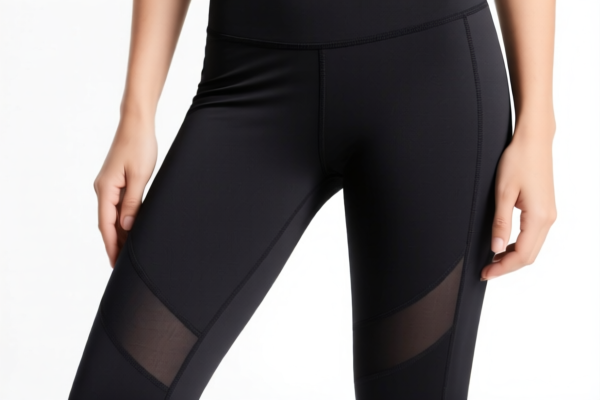
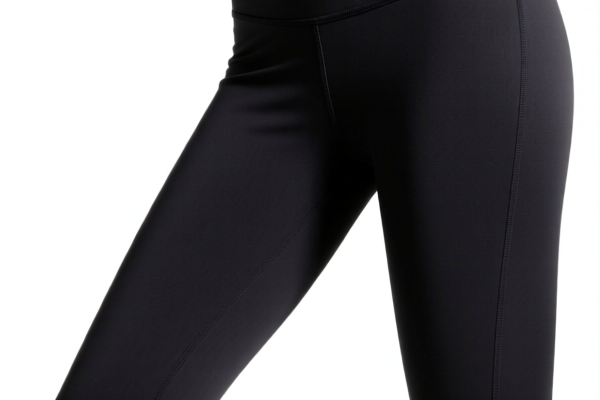
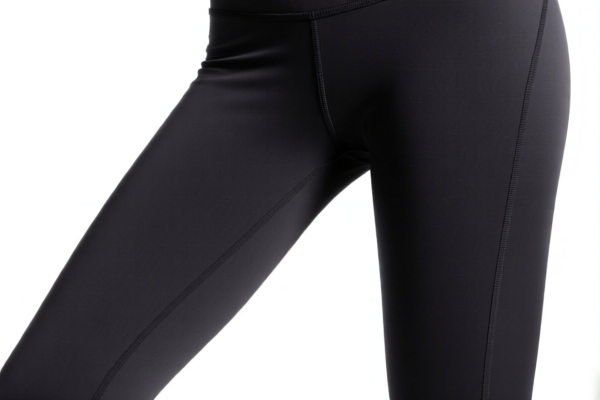
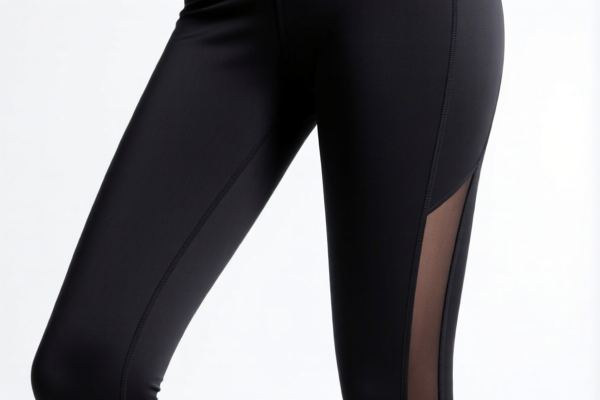
AI Analysis
👖 Girls' Leggings (Women's & Girls' Tights, Pantyhose, Stockings, and Shaping Leggings)
🌐 HS Code Reference & Customs Clearance Guide | 2026 Latest Tariff Analysis | Professional Strategy for Apparel Imports
📌 I. Product Definition & Classification: Do You Really Know "Leggings"?
Girls' leggings are tight-fitting garments that extend from the waist to the ankles. In international trade, they are strictly categorized based on material composition and knitting method. Misclassification is the most common cause of customs delays and penalty fines.
Two Main Categories: 1. Synthetic Fiber Leggings (Pantyhose/Tights): Made primarily from nylon, polyester, or other chemical fibers. Usually thin, sheer, or opaque stretch fabrics. 2. Cotton Leggings: Made primarily from cotton, often thicker, used as casual pants or sportswear.
⚠️ Key Distinction Point:
- If the material is synthetic (e.g., Nylon/Polyester) and functions as tights/pantyhose → 6115.22.00.00
- If the material is Cotton and is a knitted garment → 6114.20.00.60
- If the material is Cotton but classified as tights/pantyhose → 6115.21.00.20
- If the material is Synthetic but classified as general knitted clothing (not tights) → 6114.20.00.60 (Note: See Data for specific synthetic trousers logic under 62xx if woven, but leggings are usually knitted).
📦 II. HS Code Classification Details (2026 Latest Tariff Authority Comparison)
Based on the provided data, here are the specific HS codes and their corresponding tax implications for girls' leggings:
| HS Code | Product Description | Material | Total Tax Rate | Tax Detail Breakdown |
|---|---|---|---|---|
6114.20.00.60 |
Other knitted or crocheted garments, of cotton | Cotton | 28.3% | Base: 10.8% + Add. 7.5% + Section 301 (122): 10% |
6115.21.00.20 |
Tights and pantyhose of synthetic fibers or of cotton | Cotton (Note: Code suggests Cotton/Synthetic mix, but description says Cotton/Synthetic) | 33.5% | Base: 16.0% + Add. 7.5% + Section 301 (122): 10% |
6115.22.00.00 |
Tights and pantyhose of synthetic fibers | Synthetic | 24.9% | Base: 14.9% + Add. 0.0% + Section 301 (122): 10% |
6204.23.00.40 |
Women's or girls' trousers, breeches and short shorts (not knit), of synthetic fibers | Synthetic (Woven) | Rate per garment + 17.5% | Base: Applicable rate if separately entered + Add. 7.5% + Section 301 (122): 10% |
6204.29.40.38 |
Other women's or girls' trousers, breeches and short shorts (not knit), of textile materials | Non-Cotton/Non-Wool (Woven) | Rate per garment + 10.0% | Base: Applicable rate if separately entered + Add. 0.0% + Section 301 (122): 10% |
🔍 Critical Insight:
- Knitted vs. Woven: Most "leggings" are knitted (elastic). If they are woven (non-stretch), they fall under Chapter 62 (e.g.,6204.23).
- Tights vs. Pants: If the garment is sheer or functions as hosiery (tights/pantyhose), it goes to 6115. If it is opaque and functions as pants, it goes to 6114 (knitted) or 6204 (woven).
- Material Matters: Synthetic fiber leggings (6115.22) have a lower base tariff (14.9%) compared to Cotton tights (6115.21, 16.0%).
💰 III. 2026 Latest Tariff Rate Explanation (Including Surcharges & Policy Add-ons)
✅ Applicable Country: United States (US)
✅ Origin: China (CN)
✅ Effective Date: Current rates include Section 301/122 tariffs.
🎯 1. 6114.20.00.60 — Knitted Garments, Cotton (e.g., Thick Cotton Leggings)
| Item | Content |
|---|---|
| Base Tariff | 10.8% |
| USITC Add-on Tariff | +7.5% |
| Section 301 (122) Tariff | +10% |
| Total Tax Rate | 28.3% |
| Tax Calculation | CIF Value × 28.3% |
| De Minimis Exemption | ❌ Not Applicable (High total tariff rate excludes it from standard de minimis thresholds in many cases) |
📌 Explanation:
- Cotton knitted leggings are subject to a moderate base tariff, but the 17.5% in surcharges (7.5% + 10%) significantly increase the cost.
- This is a common category for casual, opaque girls' leggings.
🎯 2. 6115.21.00.20 — Tights/Pantyhose, Cotton (e.g., Cotton Blend Sheer Leggings)
| Item | Content |
|---|---|
| Base Tariff | 16.0% |
| USITC Add-on Tariff | +7.5% |
| Section 301 (122) Tariff | +10% |
| Total Tax Rate | 33.5% |
| Tax Calculation | CIF Value × 33.5% |
| De Minimis Exemption | ❌ Not Applicable |
📌 Note:
- This category is for tights/pantyhose made of cotton or cotton blends.
- The highest base tariff (16.0%) in this dataset reflects the specific classification of "tights" under Chapter 61.
🎯 3. 6115.22.00.00 — Tights/Pantyhose, Synthetic (e.g., Nylon/Polyester Leggings)
| Item | Content |
|---|---|
| Base Tariff | 14.9% |
| USITC Add-on Tariff | +0.0% |
| Section 301 (122) Tariff | +10% |
| Total Tax Rate | 24.9% |
| Tax Calculation | CIF Value × 24.9% |
| De Minimis Exemption | ❌ Not Applicable |
📌 Cost Advantage:
- This is the lowest total tariff (24.9%) among the knitted/synthetic categories.
- Synthetic fiber tights/pantyhose benefit from a lower base rate and no additional 7.5% surcharge.
- Recommendation: If the product can be classified as "synthetic tights/pantyhose" (6115.22) rather than "knitted garments" (6114.20), this code saves significant cost.
🎯 4. 6204.23.00.40 — Woven Synthetic Trousers (If Leggings are Woven)
| Item | Content |
|---|---|
| Base Tariff | Varies (Rate applicable if separately entered) |
| USITC Add-on Tariff | +7.5% |
| Section 301 (122) Tariff | +10% |
| Total Tax Rate | Variable + 17.5% |
📌 Warning:
- Most leggings are knitted. If they are woven (non-stretch), they fall under Chapter 62.
- The base tariff is variable. Ensure your product is not mistaken for woven trousers if it is actually knitted.
🛠️ IV. Customs Clearance Practical Advice (Combat Pitfalls Guide)
✅ 1. Preparation Checklist (Non-negotiable)
| Document | Must Provide | Description |
|---|---|---|
| ✅ Product Specification Sheet | ✔️ | Must state: Material (e.g., 95% Polyester, 5% Spandex), Knitting Type, Style (Tights vs. Pants) |
| ✅ Fabric Swatch | ✔️ | To prove "Knitted" vs. "Woven" and Fiber Composition |
| ✅ Product Photos | ✔️ | Show waistband, leg opening, and any sheer/opaque qualities |
| ✅ Commercial Invoice | ✔️ | Clearly state "Girls' Leggings, Knitted, Synthetic, HS Code: 6115.22.00.00" |
| ✅ Country of Origin Certificate | ✔️ | Required for Section 301 Tariff determination |
| ✅ Packing List | ✔️ | Include item count, weight, and dimensions |
✅ 2. Declaration Strategy (Key Mnemonic)
🔥 "Knitted vs. Woven, Synthetic vs. Cotton, Tights vs. Pants!"
| Situation | Correct HS Code | Error Consequence |
|---|---|---|
| Synthetic, Knitted, Opaque Leggings | 6114.20.00.60 (28.3%) |
If misdeclared as 6115.22 (24.9%), risk of penalty for false classification |
| Synthetic, Knitted, Sheer Tights | 6115.22.00.00 (24.9%) |
Best Cost Option for synthetic |
| Cotton, Knitted, Opaque Leggings | 6114.20.00.60 (28.3%) |
Higher base tariff than synthetic tights |
| Cotton, Knitted, Sheer Tights | 6115.21.00.20 (33.5%) |
Highest tariff rate in knitted category |
| Woven, Synthetic Trousers | 6204.23.00.40 (Variable + 17.5%) |
Rare for leggings; usually for non-stretch pants |
📌 Pro Tip:
- If your leggings are synthetic and opaque, some customs brokers may try to classify them as6115.22(Tights) to get the lower rate (24.9%). However, if they are thick and structured, they may be classified as6114.20(Garments, 28.3%).
- Consistency is Key: Ensure your product description matches the HS Code definition (Tights vs. Garments).
✅ 3. Special Cases
| Situation | Handling Advice |
|---|---|
| Blended Fabrics | If >50% synthetic, use Synthetic code (6115.22 or 6114.20 for synthetics). If >50% cotton, use Cotton code. |
| Size Range (Girls vs. Women) | Ensure the description specifies "Girls'" if required for duty preferences, but generally, HS codes for women's/girls' hosiery are similar. |
| Set with Tops | If leggings are part of a "ensemble" (e.g., leggings + top set), the tariff may be based on the principal garment (usually the top) or applied separately. Check 6204.23.00.40 note: "Rate applicable to each garment in the ensemble if separately entered." |
🌍 V. Global Market Comparison (2026 Latest)
| Country/Region | Recommended HS Code | Estimated Duty (China Origin) | Certification Requirements | Notes |
|---|---|---|---|---|
| 🇺🇸 USA | 6115.22.00.00 (Synthetic Tights) |
24.9% | CPSIA, Prop 65 | High tariffs due to Section 301 |
| 🇺🇸 USA | 6114.20.00.60 (Cotton Knits) |
28.3% | CPSIA, Prop 65 | Higher base tariff |
| 🇨🇳 China | 6115.22.00.00 |
14.9% | N/A | Lower base rate, no US add-ons |
| 🇪🇺 EU | 6115.22 |
12% (approx.) | REACH, CE | No Section 301 tariffs |
| 🇬🇧 UK | 6115.22 |
12% (approx.) | UKCA | Post-Brexit rules apply |
📌 Conclusion:
- USA is the most costly market due to Section 301/122 tariffs.
- Synthetic Tights (6115.22) offer the lowest tariff (24.9%) among the provided options.
- Cotton Tights (6115.21) are the most expensive knitted category (33.5%).
📌 VI. Common Mistakes & Pitfalls (Blood & Tears Lessons)
❌ Mistake 1: Declaring Synthetic Leggings as "Cotton"
👉 Consequence: Higher base tariff (16% vs. 14.9%) and potential mismatch with customs inspection → Fine!
❌ Mistake 2: Misclassifying Knitted Leggings as Woven (6204)
👉 Consequence: If inspected, customs will find the fabric is knitted → Reclassification + Penalty.
❌ Mistake 3: Ignoring Section 301 Tariffs
👉 Consequence: Underpaying duty by 10%+ → Back Taxes + Interest.
❌ Mistake 4: Not Specifying "Tights" vs. "Garments"
👉 Consequence: Ambiguity leads to customs detention → Delay in Release.
✅ Correct Declaration Example:
"Girls' Synthetic Knitted Leggings, 95% Polyester, 5% Spandex, HS Code: 6115.22.00.00, Made in China"
🎯 VII. Conclusion: Professional Declaration, Cost Savings, Smooth Clearance!
🎯 Remember the Mnemonic:
🔹 "Synthetic Tights = 24.9% (Best Cost)"
🔹 "Cotton Leggings = 28.3% or 33.5% (Higher Cost)"
🔹 "Always Declare Material & Knitting Method!"
📌 Pro Tip:
If your leggings are 100% Synthetic and Knitted, consider if they can be classified as
6115.22.00.00(Tights/Pantyhose) to save 3.4% compared to6114.20.00.60. However, ensure they meet the "tights" definition (sheer, thin, hosiery-like). If they are thick opaque pants,6114.20is safer.
📣 Immediate Action:
📞 Consult with a licensed customs broker to pre-classify your product.
📄 Submit a Pre-Ruling Application to US CBP for certainty.
🚀 Reduce Risk, Save Money, Ensure Compliance!
✨ Professional Customs Clearance Starts with Accurate Classification!
💼 Every Percent of Duty Saved is Pure Profit!
Customer Reviews
About HS Code Classification
The Harmonized System (HS) is an internationally standardized nomenclature developed by the World Customs Organization (WCO) to classify traded products. Over 200 countries use the HS system as the basis for customs tariffs, trade statistics, and import/export regulations.
Each HS code follows a hierarchical structure:
- Chapter (2 digits) — Broad category of goods (e.g., Chapter 84: Machinery and Mechanical Appliances)
- Heading (4 digits) — More specific grouping within the chapter
- Subheading (6 digits) — Internationally standardized breakdown, used by all WCO member countries
- National subdivisions (8-10 digits) — Country-specific extensions for further classification, such as US HTSUS 10-digit codes
Correct HS code classification is essential for smooth customs clearance, accurate duty payment, and compliance with trade regulations. Misclassification can lead to customs delays, overpayment of duties, or penalties.
When importing from CN to US, the applicable tariff rates may include:
- Most-Favored-Nation (MFN) rate — The standard duty rate applied to WTO members
- General rate — Applied to countries without trade agreements
- Trade remedy duties — Additional tariffs such as Section 301 (anti-dumping), Section 232 (national security), or countervailing duties
The information provided on this page is for reference purposes only. For official classification, please consult with your local customs authority or a licensed customs broker.