Girls' Long Sleeve Wool Sports T Shirt
CN → US| HS Code | Tariff Rate | Origin | Destination | Doc |
|---|---|---|---|---|
| 6110110070 | 33.5% | CN | US | Official Doc |
| 6109901520 | 23.1% | CN | US | Official Doc |
| 6109901540 | 23.1% | CN | US | Official Doc |
| 6110110080 | 33.5% | CN | US | Official Doc |
| 6112202020 | 25.8% | CN | US | Official Doc |
Product Images
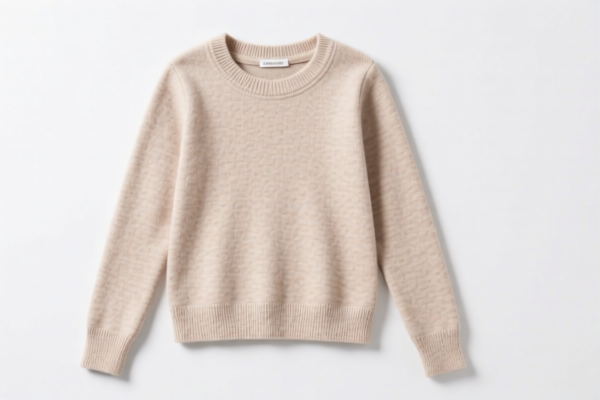
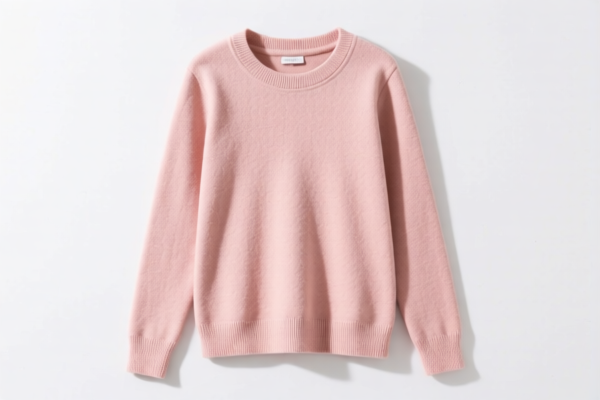
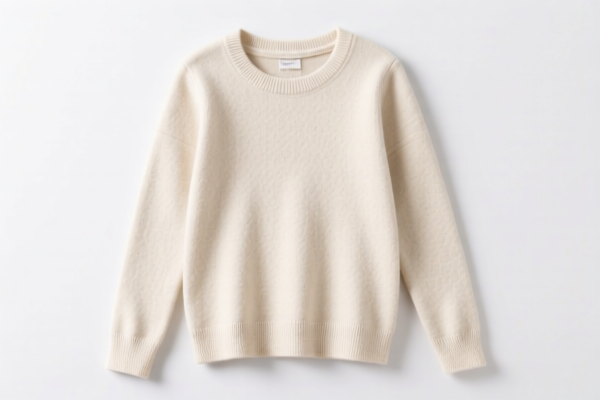
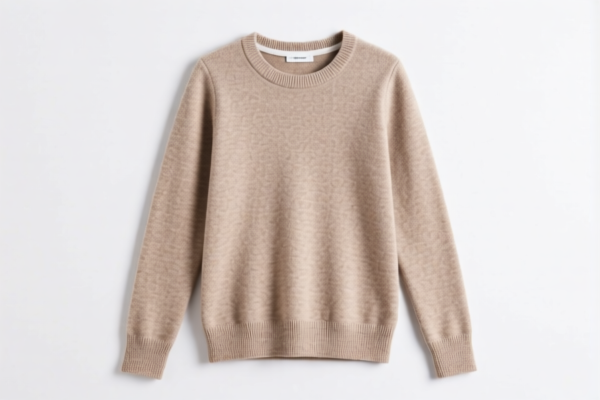
AI Analysis
👗 Girls' Long Sleeve Wool Sports T-Shirt
🌐 HS Code Reference & Customs Clearance Guide | 2026 Latest Tariff Analysis | Professional Clearance Strategy
📌 I. Product Definition & Classification: Do You Really Understand "Wool Sportswear"?
A "Girls' Long Sleeve Wool Sports T-Shirt" sits at the intersection of textile material (Wool), garment type (Knitted T-Shirt vs. Sweater), and function (Sports/Wear). In international trade, the classification hinges on two critical factors: 1. Knitting vs. Woven: Most T-shirts are knitted. If it’s knitted, it generally falls under Chapter 61. 2. T-Shirt vs. Sweater: This is the most common pitfall. * T-Shirt (Heading 6109): Lighter weight, short or long sleeve, typically made of fine knit, often lined or unlined, worn as an undergarment or casual top. * Sweater/Jumper (Heading 6110): Heavier weight, thicker knit, designed for warmth. Even if it has long sleeves, if the knit is substantial enough to be considered a "sweater" in trade practice, it moves to Heading 6110.
⚠️ Critical Distinction:
- If the fabric is lightweight, fits like a standard long-sleeve tee, and is marketed as a "T-shirt" → Likely 6109.
- If the fabric is thick/heavy, designed primarily for insulation, or marketed as a "sweater/jumper" → Likely 6110.
- Note: The input data suggests two distinct paths based on specific sub-classifications (T-shirt vs. Sports Sweater).
📦 II. HS Code Classification Details (2026 Latest Tariff Authority Comparison)
Based on the provided dataset, here are the specific HS Codes for Wool Sports T-Shirts for Girls, ranging from standard T-shirts to specialized sports wear.
| HS Code | Product Description | Application Scenario | Tax Category Summary |
|---|---|---|---|
6109.90.15.20 |
Wool Knitted T-Shirt (Men’s/Children’s) | Kids' long-sleeve wool tee, casual wear | 23.1% Total Tax |
6109.90.15.40 |
Wool Knitted T-Shirt (Sports/General) | Wool T-shirt suitable for sports/apparel use | 23.1% Total Tax |
6110.11.00.70 |
Wool Sports T-Shirt (Classified as Sweater) | Fits the category of "Wool Sports Sweater" | 33.5% Total Tax |
6110.11.00.80 |
Wool Sports T-Shirt (Restricted Sweater) | Fits the limited category of "Wool Made Sports Sweater" | 33.5% Total Tax |
6112.20.20.20 |
Wool Sports Jumper | Knitted/Crocheted sports clothing (Jumper) | 25.8% Total Tax |
🔍 Key Insight:
- 23.1% Rate: Applies to items clearly defined as T-shirts (Heading 6109). These are lighter, less insulated. - 25.8% Rate: Applies to specific Sports Jumpers (Heading 6112), which are technical sports gear but classified under a specific sports heading. - 33.5% Rate: Applies to items classified as Sweaters (Heading 6110), even if marketed as "Sports T-shirts." The heavier weight/insulation pushes them into this higher-tax category.
💰 III. 2026 Latest Tariff Rate Breakdown (Including Additional Duties & Policy Surcharges)
✅ Applicable Country: United States (US)
✅ Origin: China (CN)
✅ Effective Date: 2025/2026 (Subject to current trade policies)
🎯 1. 6109.90.15.20 & 6109.90.15.40 — Wool Knitted T-Shirt (T-Shirt Category)
| Item | Content |
|---|---|
| Base Tariff | 5.6% (Ad valorem) |
| Section 301 Additional Tariff | +7.5% (List 4B / General Trade) |
| Section 122 Tariff | +10% (Targeted specific textiles/apparel measures) |
| Total Tariff Rate | 23.1% |
| Tax Calculation | CIF Value × 23.1% |
| De Minimis Eligibility | ❌ No (Deny de minimis for China-origin apparel in many cases) |
| Legal Basis Path | USITC:6109.90.15 → 301:7.5% → 122:10% |
📌 Explanation:
- The Base Rate (5.6%) is the standard MFN rate for wool T-shirts. - The 7.5% is the standard Section 301 penalty on many textiles. - The 10% is a specific additional duty (Section 122) often applied to certain apparel imports to protect domestic production. - Total: 23.1%. This is moderate but significant for low-margin apparel.
🎯 2. 6110.11.00.70 & 6110.11.00.80 — Wool Sports T-Shirt (Sweater Category)
| Item | Content |
|---|---|
| Base Tariff | 16.0% (Ad valorem) |
| Section 301 Additional Tariff | +7.5% (List 4B / General Trade) |
| Section 122 Tariff | +10% (Targeted specific textiles/apparel measures) |
| Total Tariff Rate | 33.5% |
| Tax Calculation | CIF Value × 33.5% |
| De Minimis Eligibility | ❌ No |
| Legal Basis Path | USITC:6110.11.00 → 301:7.5% → 122:10% |
📌 Explanation:
- The Base Rate (16.0%) is significantly higher because these are classified as Wool Sweaters (Heading 6110), not T-shirts. Sweaters face higher base tariffs due to domestic wool industry protections. - The additional duties (7.5% + 10%) are added on top of this higher base. - Total: 33.5%. This is a high tariff scenario. Misclassifying a sweater as a T-shirt to save 10.4% is a major customs audit risk.
🎯 3. 6112.20.20.20 — Wool Sports Jumper (Specific Sports Wear)
| Item | Content |
|---|---|
| Base Tariff | 8.3% (Ad valorem) |
| Section 301 Additional Tariff | +7.5% (List 4B / General Trade) |
| Section 122 Tariff | +10% (Targeted specific textiles/apparel measures) |
| Total Tariff Rate | 25.8% |
| Tax Calculation | CIF Value × 25.8% |
| De Minimis Eligibility | ❌ No |
| Legal Basis Path | USITC:6112.20 → 301:7.5% → 122:10% |
📌 Explanation:
- Heading 6112 covers "Track suits, ski suits, and swimwear; Knitted or crocheted garments and clothing accessories, other than of heading 6109, 6110, 6111, 6112, 6113, 6114, 6115, 6116, 6117..." Wait, 6112 includes sports clothing. The base rate here is 8.3%. - Total: 25.8%. This is a middle-ground option if the item is strictly classified as a technical "Sports Jumper" rather than a general T-shirt or heavy sweater.
🛠️ IV. Customs Clearance Practical Advice (Avoid Pitfalls)
✅ 1. Documentation Checklist (Non-negotiable)
| Document | Required? | Notes |
|---|---|---|
| ✅ Product Specification Sheet | ✔️ | Must state: Material (100% Wool?), Weight (GSM?), Sleeve Length, Gender (Girls'), Usage (Sports/Casual). |
| ✅ Fabric Composition Certificate | ✔️ | Critical to prove it is Wool. If it's "Wool Blend," rates may change. |
| ✅ Product Photos | ✔️ | Clear shots of label, fabric texture, and overall fit. |
| ✅ Commercial Invoice | ✔️ | Must use precise English description: "Girls' Wool Knitted Long Sleeve Sports T-Shirt" or "Wool Sports Jumper." Avoid vague terms like "Clothing." |
| ✅ Certificate of Origin (CO) | ✔️ | Essential for determining if Section 301/122 tariffs apply based on origin. |
✅ 2. Classification Strategy (Key Mantra)
🔥 “Check the Weight, Check the Name, Check the Usage!”
| Scenario | Correct HS Code | Why? | Risk if Wrong |
|---|---|---|---|
| Lightweight, Tee-style, Casual/Sports | 6109.90.15.20 / .40 |
Fits "T-Shirt" definition (6109). | ⚠️ Under-reporting: If Customs reclassifies as Sweater, you owe 10.4% extra + penalties. |
| Heavyweight, Insulated, "Sweater" style | 6110.11.00.70 / .80 |
Fits "Sweater" definition (6110). | ⚠️ Over-reporting: Unlikely, but possible if marketed as "T-shirt." |
| Technical Sports Gear (Jumper) | 6112.20.20.20 |
Specific "Sports Clothing" heading. | ⚠️ Audit Risk: Must prove it's designed specifically for sports performance. |
✅ 3. Special Considerations for "Sports" Apparel
| Situation | Handling Advice |
|---|---|
| "Sports" in Name | Merely calling it a "Sports T-Shirt" does not automatically qualify it for the lower/special 6112 rate. It must meet the functional definition of sports clothing (e.g., moisture-wicking, specific cut, reinforced seams). |
| Wool Content | If wool content is < 50%, it may not be considered "Wool" for preferential reasons, but the HS code remains based on primary fiber. |
| Girls' vs. Men's | HS Code 6109.90.15.20 explicitly mentions "Men's/Boys'" in some interpretations, but .40 or general 6109 may cover unisex/girls. Ensure the description matches the target demographic to avoid "Incorrect Classification" flags. |
🌍 V. Global Market Clearance Comparison (2026)
| Country/Region | Recommended HS Code | Approx. Tariff (China Origin) | Key Certifications | Notes |
|---|---|---|---|---|
| 🇺🇸 USA | 6109.90.15.20 / 6110.11.00.70 |
23.1% - 33.5% | None specific, but strict labeling laws | High risk: Section 122 + 301 duties apply. |
| 🇪🇺 EU | 6110.20.30 (Wool Sweaters) or 6109.10 |
~12% - 17% | REACH, Labeling (Fiber content) | No Section 122/301 equivalents. Lower base rates. |
| 🇨🇳 China | 6109.90.90 / 6110.11.00 |
9% - 16% | GB Standards | Duty-free if imported back into China under specific schemes. |
| 🇬🇧 UK | 6109.90.90 / 6110.11.00 |
~12% | UKCA Labeling | Post-Brexit rules apply. |
📌 Conclusion:
- USA is the most expensive market for wool apparel due to layered tariffs (Base + 301 + 122).
- EU is more favorable with no additional punitive tariffs, but strict fiber labeling is required.
📌 VI. Common Mistakes & Pitfall Guide (Lessons Learned)
❌ Mistake 1: Classifying a heavy wool jumper as a 6109 T-shirt to save 10.4%.
👉 Consequence: Customs audit, reassessment of 33.5% + penalties + interest.
❌ Mistake 2: Ignoring the "Section 122" tariff.
👉 Consequence: Underpaying tax by 10%. The 122 tariff is specific and mandatory for many apparel items.
❌ Mistake 3: Vague Description "Wool Shirt."
👉 Consequence: Customs may classify it as the worst-case scenario or require manual examination, causing delays.
✅ Correct Practice:
"Girls' Wool Knitted Long Sleeve Sports T-Shirt, 100% Wool, Lightweight, Casual Sportswear, Model XYZ, Made in China"
🎯 VII. Conclusion: Precise Classification for Cost Control
🎯 Remember the Mantra:
🔹 "Lightweight = T-Shirt (23.1%), Heavyweight = Sweater (33.5%), Technical = Jumper (25.8%)."
🔹 "Don't let the word 'T-Shirt' fool you if the fabric is thick enough to be a Sweater!"
🔹 "Always add the 7.5% and 10% surcharges for China-origin goods to the US."
📌 Pro Tip:
If your wool source is not from China (e.g., New Zealand Wool, processed in Vietnam), check if you can qualify for preferential tariffs under trade agreements (like USMCA if applicable, though less likely for apparel from Vietnam unless specific rules are met). For China-origin wool goods, the 23.1%-33.5% range is unavoidable.
📣 Immediate Action:
📞 Consult with a licensed customs broker to confirm if your specific "Sports T-Shirt" meets the
6112(Sports Jumper) definition for a potential rate optimization (25.8%).
🚀 Accurate classification saves thousands in potential back-taxes!
✨ Professional clearance starts with accurate classification!
💼 Every percent of tariff counts—optimize your HS Code today!
Customer Reviews
About HS Code Classification
The Harmonized System (HS) is an internationally standardized nomenclature developed by the World Customs Organization (WCO) to classify traded products. Over 200 countries use the HS system as the basis for customs tariffs, trade statistics, and import/export regulations.
Each HS code follows a hierarchical structure:
- Chapter (2 digits) — Broad category of goods (e.g., Chapter 84: Machinery and Mechanical Appliances)
- Heading (4 digits) — More specific grouping within the chapter
- Subheading (6 digits) — Internationally standardized breakdown, used by all WCO member countries
- National subdivisions (8-10 digits) — Country-specific extensions for further classification, such as US HTSUS 10-digit codes
Correct HS code classification is essential for smooth customs clearance, accurate duty payment, and compliance with trade regulations. Misclassification can lead to customs delays, overpayment of duties, or penalties.
When importing from CN to US, the applicable tariff rates may include:
- Most-Favored-Nation (MFN) rate — The standard duty rate applied to WTO members
- General rate — Applied to countries without trade agreements
- Trade remedy duties — Additional tariffs such as Section 301 (anti-dumping), Section 232 (national security), or countervailing duties
The information provided on this page is for reference purposes only. For official classification, please consult with your local customs authority or a licensed customs broker.