Girls' Long Sleeved Synthetic Fiber Clothing
CN → US| HS Code | Tariff Rate | Origin | Destination | Doc |
|---|---|---|---|---|
| 6211339025 | 33.5% | CN | US | Official Doc |
| 6111305070 | 33.5% | CN | US | Official Doc |
| 6111305020 | 33.5% | CN | US | Official Doc |
| 6114303020 | 32.4% | CN | US | Official Doc |
| 6114303030 | 32.4% | CN | US | Official Doc |
Product Images
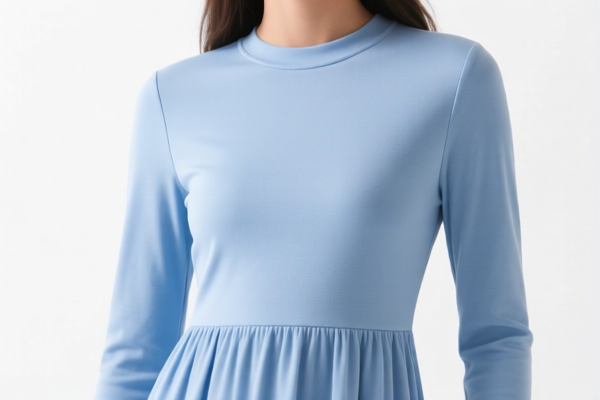
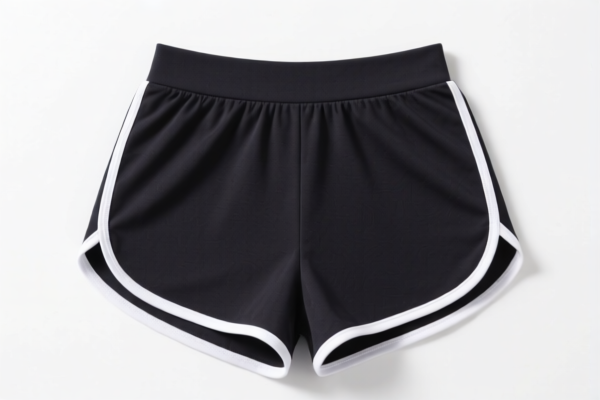
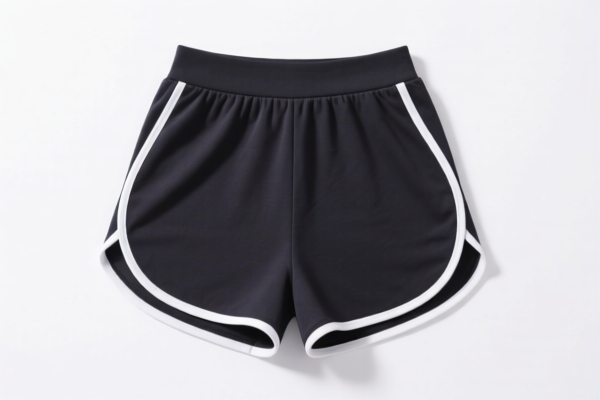
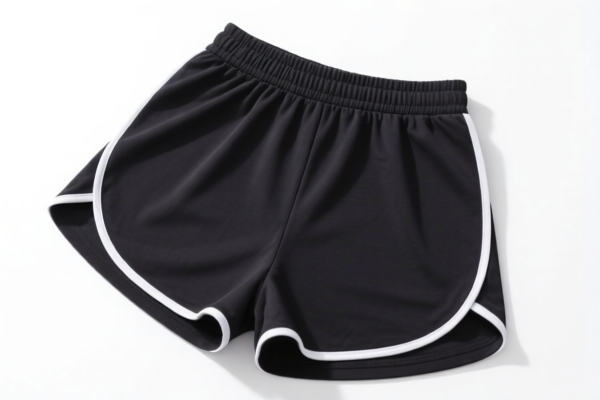
AI Analysis
👗🧵 Girls' Long Sleeved Synthetic Fiber Clothing | Global HS Code & Tax Strategy Guide (2026)
🌐 HS Code Reference & Customs Clearance Guide | 2026 Latest Tariff Analysis | Professional Entry Strategy
📌 I. Product Definition & Classification: What Exactly is This?
Girls' Long Sleeved Synthetic Fiber Clothing refers to any outerwear or undergarment designed for female children (typically under 14 years), made entirely or predominantly of synthetic fibers (e.g., polyester, nylon, rayon, acrylic), featuring long sleeves.
In international trade, these garments are split into two primary categories based on knitting vs. weaving and specific function:
- Knitted Garments (
Chapter 61): Flexible, stretchy fabrics (e.g., jersey, rib knit). Includes dresses, jumpsuits, and everyday wear. - Woven Garments (
Chapter 62): Stiffer, structured fabrics (e.g., cotton-poly blends woven, synthetic taffeta). Includes coats, formal wear, and specific outer layers.
⚠️ Key Distinction:
- Knitted (Chapter 61): Soft, stretchy, typical for casual kids' wear (e.g.,6111.30.50.70).
- Woven (Chapter 62): Structured, typical for coats, suits, or durable outerwear (e.g.,6211.33.90.25).
- Special Categories: Bodysuits (6114.30.30.20) or Sun suits (6114.30.30.30) have unique sub-codes.
📦 II. HS Code Classification Details (2026 Latest Tariff Mapping)
| HS Code | Product Description | Application Scenario | Fabric Type |
|---|---|---|---|
6211.33.90.25 |
Other Synthetic Fiber Girls' Clothing (Woven) | Structured coats, suits, jackets, formal outerwear for girls. | Woven (Synthetic) |
6111.30.50.70 |
Other Synthetic Fiber Knitted Girls' Clothing | Casual dresses, tops, general knitwear for girls. | Knitted (Synthetic) |
6111.30.50.20 |
Other Synthetic Fiber Knitted Girls' Clothing (General) | General knitwear, baby-girls wear, matching sets. | Knitted (Synthetic) |
6114.30.30.20 |
Other Synthetic Fiber Girls' Wear (Bodysuits) | Children's rompers, jumpsuits, one-piece playsuits. | Knitted (Synthetic) |
6114.30.30.30 |
Other Synthetic Fiber Girls' Wear (Sun Suits) | Beachwear, sun-protective outfits, specific summer gear. | Knitted (Synthetic) |
🔍 Critical Note:
- Chapter 61 applies to knitted items (soft, stretchy).
- Chapter 62 applies to woven items (structured).
- Chapter 61.14 covers clothing sets and specialized one-piece items (rompers/sun suits).
- All items must be synthetic fiber to match these codes exactly.
💰 III. 2026 Tariff Rate Breakdown (USA Import - China Origin)
✅ Target Market: 🇺🇸 USA
✅ Origin: 🇨🇳 China
✅ Effective Date: Active (2026 Tariff Schedule)
✅ Total Tariff Range: 32.4% – 33.5% (High Risk)
🎯 1. 6211.33.90.25 & 6111.30.50.70 & 6111.30.50.20
(Woven Synthetic Girls' Wear & General Knitted Synthetic Girls' Wear)
| Tax Component | Rate | Details |
|---|---|---|
| Base Tariff | 16.0% | Standard Most Favored Nation (MFN) duty. |
| Section 301 Add-on | +7.5% | "Special Additional Duty" under Section 301 (USITC). |
| Section 122 Add-on | +10.0% | New 2026 Policy: Additional duty for specific textile categories. |
| 🚨 TOTAL TAX RATE | 33.5% | High Cost Entry! |
| De Minimis? | ❌ NO | Small shipments (under $800) are NOT exempt due to Section 122. |
| Legal Path | HTS:6211.33.90.25 → Section 301:7.5% → Section 122:10% |
Strict enforcement. |
📌 Explanation:
- The 33.5% rate is a "Combo-Penalty" targeting Chinese textiles.
- Even if the product is simple, the Section 122 10% surcharge applies automatically to synthetic kids' wear.
- Cost Impact: On a $1,000 CIF shipment, expect $335 in pure duties + potential anti-dumping investigations.
🎯 2. 6114.30.30.20 & 6114.30.30.30
(Knitted Synthetics: Bodysuits & Sun Suits)
| Tax Component | Rate | Details |
|---|---|---|
| Base Tariff | 14.9% | Slightly lower base rate for specific "Other" categories. |
| Section 301 Add-on | +7.5% | Section 301 "Special Additional Duty". |
| Section 122 Add-on | +10.0% | Section 122 "Additional Duty". |
| 🚨 TOTAL TAX RATE | 32.4% | High Cost Entry! |
| De Minimis? | ❌ NO | No exemption for small shipments. |
| Legal Path | HTS:6114.30.30.xx → Section 301:7.5% → Section 122:10% |
Strict enforcement. |
📌 Explanation:
- These specialized items (rompers, sun suits) enjoy a 1.1% lower base tariff (14.9% vs 16.0%), but the total effective rate (32.4%) remains prohibitive.
- Sun suits are strictly monitored for "textile content" to prevent tariff evasion via fabric mixing.
🛠️ IV. Customs Clearance Practical Advice (Real-World Avoidance Guide)
✅ 1. Required Documentation (Must-Haves)
| Document | Requirement | Why? |
|---|---|---|
| Product Description | "Girls' Long Sleeve Synthetic Fiber [Type]" | Must explicitly state Gender, Sleeve Length, and Fiber. |
| Composition Label | 100% Synthetic or % Breakdown | Customs must verify no cotton/wool content (otherwise wrong HS Code). |
| Factory Invoice | Detailed Breakdown | Must separate Base Duty, 301, and 122 items if possible. |
| Origin Proof | Non-Certified CO | Must declare China explicitly to trigger the correct tax calculation. |
| Sample/Photo | High-Res Images | Proves it is Knitted (not woven) to avoid 62xx vs 61xx confusion. |
🔥 Warning: If the fabric is blended (e.g., 60% Polyester, 40% Cotton), you CANNOT use these codes! You must find a "Cotton" or "Blended" code (which has different rates).
✅ 2. Declaring Strategy (The "Golden Rules")
🔥 "Synthetic, Girls, Long Sleeves: The 3 Key Words!"
| Scenario | Correct Declaration | Mistake (Risk) |
|---|---|---|
| Knitted Dress | 6111.30.50.70 + "Girls' Synthetic Knitted Dress" |
Declare as 6211.33 → Rejection/Delays. |
| Woven Coat | 6211.33.90.25 + "Girls' Synthetic Woven Jacket" |
Declare as 6111 → Underpayment + Penalty. |
| Rompers | 6114.30.30.20 + "Girls' Synthetic Romper/Bodysuit" |
Declare as "Other" → 10% Fine for Misclassification. |
| Sun Suit | 6114.30.30.30 + "Girls' Synthetic Sun Suit" |
Declare as "General Clothes" → Missing Special Category Duty. |
✅ 3. Special Case Handling
| Situation | Recommendation |
|---|---|
| Blended Fabrics | If >50% Cotton, do NOT use these codes. Use 6204/6104 cotton codes (different rates). |
| Mixed Shipment | If shipping Knitted + Woven, separate invoices or declare each HS Code separately to avoid "Mixed Class" audit. |
| Section 122 Exemption? | ❌ No. Section 122 (10%) applies specifically to Children's Synthetic Wear from China. |
| De Minimis Risk | Avoid using 861 (de minimis) for these items. The 10% surcharge applies regardless of value. |
🌍 V. Global Market Comparison (2026 Snapshot)
| Country | Recommended HS Code | Total Tax (China Origin) | Key Note |
|---|---|---|---|
| 🇺🇸 USA | 6111.30.50.70 / 6211.33.90.25 |
32.4% – 33.5% | High Tax + Section 122 (10%) |
| 🇨🇳 China | Same Codes | 16% – 14.9% | Base duty only (No 301/122) |
| 🇪🇺 EU | Same Codes | 16% – 14.9% | No Section 301/122, but VAT applies. |
| 🇨🇦 Canada | Same Codes | 16% – 14.9% | No Section 301/122, but GST/HST applies. |
📌 Conclusion:
- USA is the only market applying the Section 122 (10%) surcharge on these specific items.
- Total cost in USA is ~3x higher than in EU/Canada for the same goods.
- Strategy: If selling in USA, consider supply chain diversification (e.g., Vietnam, India) to avoid Section 122.
📌 VI. Common Pitfalls & "Blood-Stained" Lessons
❌ Mistake 1: Calling it "Children's Wear" without specifying "Girls".
👉 Consequence: May trigger generic "Boys/Girls" codes with different duties. Always specify Gender.
❌ Mistake 2: Declaring "Synthetic" but the fabric is Blended (Cotton + Polyester).
👉 Consequence: 100% Error. You will be fined for misclassification. Must be 100% Synthetic for these codes.
❌ Mistake 3: Assuming De Minimis ($800) exemption works for Section 122 items.
👉 Consequence: NO Exemption. You must pay the full 32.4% even for small parcels.
❌ Mistake 4: Confusing Knitted (61xx) with Woven (62xx).
👉 Consequence: Customs Audit. If you declare 6211 but the fabric is clearly stretchy/knit, you risk seizure.
✅ Correct Approach:
"Girls' Long Sleeve Synthetic Knitted Dress, 100% Polyester, Made in China, HS: 6111.30.50.70"
🎯 VII. Conclusion: Professional Entry, Save Costs, Avoid Risks!
🎯 Remember the Mantra:
🔹 "Girls + Long Sleeve + 100% Synthetic = 33.5% USA Tax!"
🔹 "Section 122 is the Silent Killer! Don't miss it!"
🔹 "Knitted vs Woven: Know the Difference or Pay the Price!"
📌 Pro Tip:
If you are shipping Girls' Synthetic Long Sleeve Clothing to the USA:
1. Verify Fiber Content: Must be 100% Synthetic.
2. Check Knit/Woven: Choose 61xx or 62xx correctly.
3. Calculate Total Duty: Budget for ~33.5%.
4. Consider Origin Shift: If possible, move production to Vietnam/Mexico to avoid Section 301/122 (subject to current rules).
📣 Immediate Action:
📞 Contact a Customs Broker + Provide Fabric Swatch + Request HS Code Pre-Ruling.
🚀 Ensure your girls' clothing clears customs efficiently and cost-effectively!
✨ Professional Customs, Starts with Accurate Classification!
💼 Every dollar saved is a dollar earned!
Customer Reviews
About HS Code Classification
The Harmonized System (HS) is an internationally standardized nomenclature developed by the World Customs Organization (WCO) to classify traded products. Over 200 countries use the HS system as the basis for customs tariffs, trade statistics, and import/export regulations.
Each HS code follows a hierarchical structure:
- Chapter (2 digits) — Broad category of goods (e.g., Chapter 84: Machinery and Mechanical Appliances)
- Heading (4 digits) — More specific grouping within the chapter
- Subheading (6 digits) — Internationally standardized breakdown, used by all WCO member countries
- National subdivisions (8-10 digits) — Country-specific extensions for further classification, such as US HTSUS 10-digit codes
Correct HS code classification is essential for smooth customs clearance, accurate duty payment, and compliance with trade regulations. Misclassification can lead to customs delays, overpayment of duties, or penalties.
When importing from CN to US, the applicable tariff rates may include:
- Most-Favored-Nation (MFN) rate — The standard duty rate applied to WTO members
- General rate — Applied to countries without trade agreements
- Trade remedy duties — Additional tariffs such as Section 301 (anti-dumping), Section 232 (national security), or countervailing duties
The information provided on this page is for reference purposes only. For official classification, please consult with your local customs authority or a licensed customs broker.