Girls' Other Blended Knitted Sweater
CN → US| HS Code | Tariff Rate | Origin | Destination | Doc |
|---|---|---|---|---|
| 6104292067 | 0.0% | CN | US | Official Doc |
| 6110110040 | 33.5% | CN | US | Official Doc |
| 6110190040 | 33.5% | CN | US | Official Doc |
| 6104290570 | 0.0% | CN | US | Official Doc |
| 6110202025 | 34.0% | CN | US | Official Doc |
Product Images
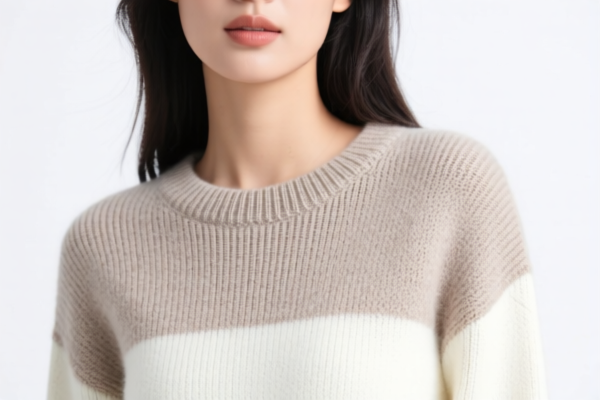
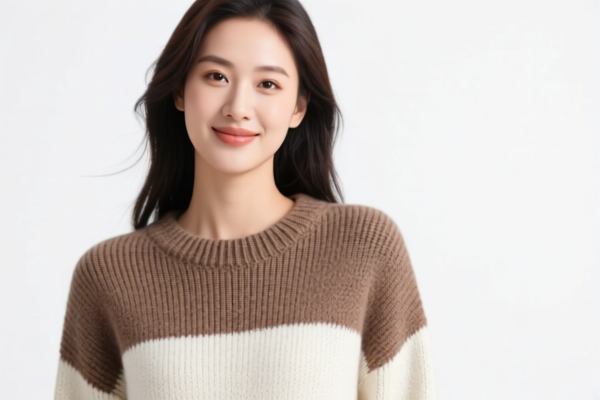
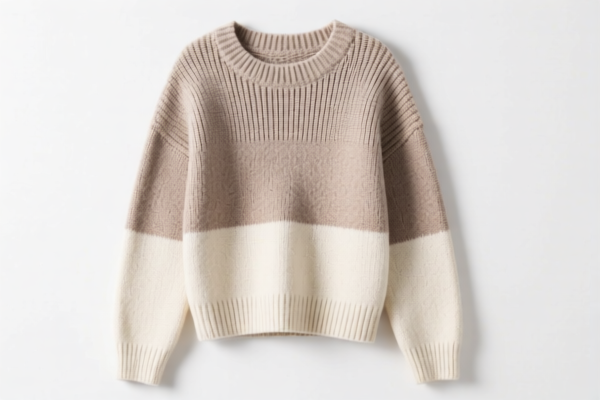
AI Analysis
👕 Girls' Other Blended Knitted Sweater (Knitted T-Shirts and Other Garments)
🌐 HS Code Reference & Customs Clearance Guide | 2026 Latest Tariff Full Analysis | Professional Clearance Strategy
📌 One, Product Definition and Classification: Do You Really Understand "Knitted Sweater"?
A "Girls' Blended Knitted Sweater" is a critical category in children's apparel. In international trade, classification depends heavily on material composition, knitting structure, and garment style. It is generally divided into two main streams:
- Sweaters (Jumper/Cardigan): Characterized by high yarn count, warm properties, and specific knitting structures (e.g., ribbing, cables). Typically classified under Chapter 61, Heading 6110.
- T-Shirts/Knitted Tops: Characterized by lightweight, breathable fabrics (often cotton blends or fine wool blends), suitable for daily casual wear. Typically classified under Chapter 61, Heading 6104.
⚠️ Key Distinction Point:
- If the product is a heavy, warm, structured knit (e.g., thick wool blend, cable knit) → Usually归入 6110 (Sweaters).
- If the product is a lightweight, casual top (e.g., thin wool-cotton blend, t-shirt style) → Usually归入 6104 (T-shirts/Other Knitted Garments).
- Note: The term "Other" in "Girls' Other Blended Knitted Sweater" often implies it doesn't fit the standard "Cotton" or "Synthetic" primary material definitions strictly, or it's a specific subtype like wool blends not covered under pure wool headings.
📦 Two, HS Code Classification Details (2026 Latest Tariff Authority Comparison)
Based on the provided data for Girls' Blended Knitted Sweaters, here are the specific HS Codes and their corresponding tax implications:
| HS Code | Product Description | Material Feature | Form | Use | Total Tax Rate |
|---|---|---|---|---|---|
6104.29.20.67 |
Girls' Wool-Blend Knitted Top, Casual | Wool Blend | Knitted Top | Girls | Base Rate + 10% |
6110.11.00.40 |
Girls' Wool-Blend Knitted Sweater, Casual | Contains Wool | Knitted Sweater | Girls | 33.5% |
6110.19.00.40 |
Girls' Wool-Blend Knitted Sweater, Casual | Wool Blend | Knitted | Girls | 33.5% |
6104.29.05.70 |
Girls' Wool-Blend Knitted Top, Pullover | Wool/Finer Animal Hair | Pullover | Girls | Base Rate + 17.5% |
6110.20.20.25 |
Girls' Cotton Knitted Jacket | Cotton | Knitted | Girls | 34.0% |
🔍 Key Reminder:
-6110Series (Sweaters): Generally applies to thicker, warmer knitted garments. The tax rate is fixed at 33.5% for wool blends in this dataset.
-6104Series (Tops/Jackets): Applies to lighter knitted garments or jackets. The tax calculation here is more complex, involving a "Base Rate" plus additional percentages (10% or 17.5%).
-6110.20.20.25: Specifically for Cotton knitted jackets, with a fixed 34.0% rate.
💰 Three, 2026 Latest Tariff Rate Detailed Analysis (Including Additional Taxes, Policy Add-ons)
✅ Applicable Country: United States (US)
✅ Origin: China (CN)
✅ Effective Date: 2025 November 10 onwards (including subsequent imports)
🎯 1. 6104.29.20.67 —— Girls' Wool-Blend Knitted Top (Casual)
| Item | Content |
|---|---|
| Base Tariff | "The rate applicable to each garment in the ensemble if separately evaluated" (Variable, depends on specific classification) |
| Section 301 Tariff | 0.0% (Not listed as additional in this specific line item) |
| Section 122 Tariff | +10% |
| Total Tax Rate | Base Rate + 10% |
| Tax Calculation | CIF Value × (Base Rate + 10%) |
| De Minimis Eligible | ❌ No (High risk for de minimis exemption due to Section 122) |
| Legal Basis Path | Section 122: 10% → USITC: 6104.29.20.67 |
📌 Explanation:
- This code falls under 6104 (Girls' T-shirts and other knitted tops).
- The "Section 122 Tariff 10%" is a specific additional duty.
- The Base Tariff is dynamic ("applicable to each garment... if separately evaluated"), meaning it depends on the exact material composition (e.g., % of wool vs. synthetic).
- Warning: Do not confuse this with the fixed 33.5% rate of sweaters.
🎯 2. 6110.11.00.40 —— Girls' Wool-Blend Knitted Sweater (Casual)
| Item | Content |
|---|---|
| Base Tariff | 16.0% |
| Section 301 Tariff | 7.5% |
| Section 122 Tariff | +10% |
| Total Tax Rate | 33.5% |
| Tax Calculation | CIF Value × 33.5% |
| De Minimis Eligible | ❌ No |
| Legal Basis Path | Base: 16% → Section 301: 7.5% → Section 122: 10% → USITC: 6110.11.00.40 |
📌 Note:
- This is a classic Wool Blend Sweater.
- Total 33.5% is a sum of three components: Base (16%) + Section 301 (7.5%) + Section 122 (10%).
- High Tax Impact: This rate is significantly higher than non-China origins or non-wool blends.
- Material Requirement: Must contain wool but is not pure wool (hence "Blend").
🎯 3. 6110.19.00.40 —— Girls' Wool-Blend Knitted Sweater (Casual)
| Item | Content |
|---|---|
| Base Tariff | 16.0% |
| Section 301 Tariff | 7.5% |
| Section 122 Tariff | +10% |
| Total Tax Rate | 33.5% |
| Tax Calculation | CIF Value × 33.5% |
| De Minimis Eligible | ❌ No |
| Legal Basis Path | Base: 16% → Section 301: 7.5% → Section 122: 10% → USITC: 6110.19.00.40 |
📌 Attention:
- Very similar to6110.11.00.40, but likely differs in specific wool content percentage or knitting technology.
- Both carry the 33.5% total rate.
- Ensure the product description matches the specific sub-heading criteria (e.g., "Other" wool blends).
🎯 4. 6104.29.05.70 —— Girls' Wool-Blend Knitted Pullover
| Item | Content |
|---|---|
| Base Tariff | "The rate applicable to each garment in the ensemble if separately evaluated" |
| Section 301 Tariff | 7.5% |
| Section 122 Tariff | +10% |
| Total Tax Rate | Base Rate + 17.5% |
| Tax Calculation | CIF Value × (Base Rate + 17.5%) |
| De Minimis Eligible | ❌ No |
| Legal Basis Path | Section 301: 7.5% → Section 122: 10% → USITC: 6104.29.05.70 |
📌 Key Distinction:
- This is a Pullover (a type of knitted top), classified under 6104.
- The Additional Tariff is 17.5% (7.5% Section 301 + 10% Section 122).
- The Base Rate is variable.
- Higher Burden: Compared to6104.29.20.67(which only has 10% additional), this code incurs more additional taxes.
🎯 5. 6110.20.20.25 —— Girls' Cotton Knitted Jacket
| Item | Content |
|---|---|
| Base Tariff | 16.5% |
| Section 301 Tariff | 7.5% |
| Section 122 Tariff | +10% |
| Total Tax Rate | 34.0% |
| Tax Calculation | CIF Value × 34.0% |
| De Minimis Eligible | ❌ No |
| Legal Basis Path | Base: 16.5% → Section 301: 7.5% → Section 122: 10% → USITC: 6110.20.20.25 |
📌 Important Note:
- This code is for Cotton knitted jackets, not wool blends.
- Total 34.0% is the highest in this dataset.
- Material Mismatch Risk: If your product is a "Wool Blend" but you declare it under this "Cotton" code, it will be rejected or reclassified with penalties.
- Form: Must be a "Jacket" (outerwear), not a pullover or t-shirt.
🛠️ Four, Customs Clearance Practical Advice (Real-World Pitfall Avoidance Guide)
✅ 1. Required Documentation Checklist (Missing Items Are Not Allowed)
| Document | Must Provide | Description |
|---|---|---|
| ✅ Product Specification Sheet | ✔️ | Include material composition (e.g., 70% Wool, 30% Polyester), knitting method, weight |
| ✅ Composition Label Photo | ✔️ | Clear image of the care label inside the garment |
| ✅ Product Photos | ✔️ | Front, back, and close-up of fabric texture/knit structure |
| ✅ Commercial Invoice | ✔️ | Clearly state "Girls' Knitted Wool Blend Sweater" or "Knitted Top" |
| ✅ Packing List | ✔️ | Detail quantity, weight, and dimensions |
| ✅ Certificate of Origin (CO) | ✔️ | If claiming preferential treatment (not applicable for US from China here) |
✅ 2. Declaration Tips (Key Mnemonics)
🔥 "Sweater vs. Top, Base Rate + Add-ons, Cotton Jacket Highest!"
| Situation | Correct Declaration | Wrong Practice |
|---|---|---|
| Wool Blend Sweater (Casual) | 6110.11.00.40 or 6110.19.00.40 |
Misdeclare as 6104 → Lower tax? Risky, may be reclassified |
| Light Wool Blend Top (T-shirt style) | 6104.29.20.67 |
Misdeclare as 6110 → Higher tax (33.5% vs Base+10%) |
| Pullover (Wool Blend) | 6104.29.05.70 |
Declare as "Sweater" → Wrong HS Code |
| Cotton Knitted Jacket | 6110.20.20.25 |
Declare as "Wool Blend" → Rejection/Penalty |
📌 Critical Advice:
- Do Not Split: If a shipment contains mixed materials, declare based on the primary material by weight.
- Be Precise: "Wool Blend" is not enough. Specify the percentage if possible.
- Section 122 Applies: All these items are subject to the 10% Section 122 Tariff, regardless of the base rate.
✅ 3. Special Circumstances Handling
| Situation | Handling Advice |
|---|---|
| OEM Custom Sweaters | Provide design drawings and material composition details to avoid classification disputes |
| Mixed Shipment (Wool & Cotton) | Declare separately for each HS Code to ensure accurate tax calculation |
| Small Quantity (De Minimis) | ❌ Not Eligible: Due to Section 122 and Section 301 tariffs, small packages from China cannot use the $800 de minimis exemption |
| Anti-Dumping/Countervailing | Check if the wool blend falls under any specific anti-dumping duties (not listed here, but always verify) |
🌍 Five, Global Market Customs Clearance Comparison (2026 Latest)
| Country/Region | Recommended HS Code | Tariff | Certification | Notes |
|---|---|---|---|---|
| 🇺🇸 United States | 6110.11.00.40 |
33.5% | CPSIA, ASTM | High tariffs due to China origin |
| 🇨🇳 China | 6110.11.00.40 |
12% | CCC (if applicable) | Lower base rate |
| 🇪🇺 European Union | 6110.11.00.40 |
12% | CE, REACH | No Section 301/122 |
| 🇬🇧 United Kingdom | 6110.11.00.40 |
12% | UKCA, REACH | Post-Brexit rules apply |
| 🇦🇺 Australia | 6110.11.00.40 |
5% | ACCC, WPL | Lower tariffs |
📌 Conclusion:
- The US imposes the highest effective tariff (33.5%-34.0%) due to the combination of Base, Section 301, and Section 122 tariffs.
- Other markets generally have lower or no additional tariffs for this category.
- Strategy: If targeting the US market, consider supply chain diversification (e.g., production in Vietnam, Bangladesh) to avoid China-specific tariffs.
📌 Six, Common Errors & Pitfall Guide (Blood and Tears Lessons)
❌ Error 1: Declaring a Cotton Jacket under a Wool Blend HS Code
👉 Consequence: Customs will reclassify it, apply the correct tax (34.0%), and impose penalties.
❌ Error 2: Ignoring the Section 122 Tariff (10%)
👉 Consequence: Underpaying duties by 10% on all wool/cotton knitted garments → Back taxes + Interest.
❌ Error 3: Using "Sweater" for a Lightweight Knitted Top
👉 Consequence: Incorrect HS Code (6110 vs 6104) → Potential audit or delayed clearance.
❌ Error 4: Assuming De Minimis applies
👉 Consequence: Packages under $800 from China are NOT exempt from Section 301/122 tariffs → ** seizure or unexpected bills**.
✅ Correct Practice:
"Girls' Knitted Wool Blend Sweater, Casual Style, 70% Wool, 30% Polyester, Imported from China"
🎯 Seven, Conclusion: Professional Declaration, Save Time, Reduce Costs
🎯 Remember the Mnemonic:
🔹 "Wool Sweater: 33.5%, Base Plus 17.5% for Tops, Cotton Jacket: 34%!"
🔹 "HS Code Determines Tax, Tariff Difference is Key, Declaration Error Leads to Back Taxes!"
📌 Tips:
- If your product is manufactured in Vietnam, Mexico, Thailand, or Malaysia, you may be eligible for IEEPA Exemptions or lower Section 301 tariffs, reducing the total cost significantly.
- Recommend applying for an Advance Ruling (Pre-classification) to avoid customs disputes.
📣 Take Action Now:
📞 Contact a Professional Customs Broker + Provide Product Photos + Apply for HS Code Pre-classification
🚀 Let your children's apparel clear customs smoothly, boost profits, and expand globally!
✨ Professional Clearance Starts with Accurate Classification!
💼 Every Cent of Your Cost Deserves to Be Precisely Calculated!
Customer Reviews
About HS Code Classification
The Harmonized System (HS) is an internationally standardized nomenclature developed by the World Customs Organization (WCO) to classify traded products. Over 200 countries use the HS system as the basis for customs tariffs, trade statistics, and import/export regulations.
Each HS code follows a hierarchical structure:
- Chapter (2 digits) — Broad category of goods (e.g., Chapter 84: Machinery and Mechanical Appliances)
- Heading (4 digits) — More specific grouping within the chapter
- Subheading (6 digits) — Internationally standardized breakdown, used by all WCO member countries
- National subdivisions (8-10 digits) — Country-specific extensions for further classification, such as US HTSUS 10-digit codes
Correct HS code classification is essential for smooth customs clearance, accurate duty payment, and compliance with trade regulations. Misclassification can lead to customs delays, overpayment of duties, or penalties.
When importing from CN to US, the applicable tariff rates may include:
- Most-Favored-Nation (MFN) rate — The standard duty rate applied to WTO members
- General rate — Applied to countries without trade agreements
- Trade remedy duties — Additional tariffs such as Section 301 (anti-dumping), Section 232 (national security), or countervailing duties
The information provided on this page is for reference purposes only. For official classification, please consult with your local customs authority or a licensed customs broker.