Girls' Other Textile Material Waterproof Jacket
CN → US| HS Code | Tariff Rate | Origin | Destination | Doc |
|---|---|---|---|---|
| 6202906961 | 20.3% | CN | US | Official Doc |
| 6102909030 | 23.2% | CN | US | Official Doc |
| 6102909005 | 23.2% | CN | US | Official Doc |
| 6210502290 | 23.7% | CN | US | Official Doc |
| 6202904961 | 20.3% | CN | US | Official Doc |
Product Images
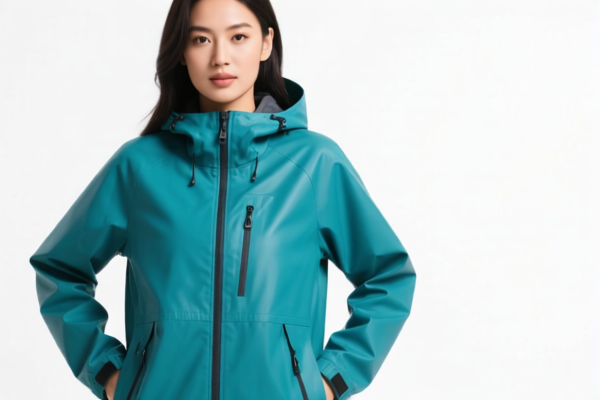
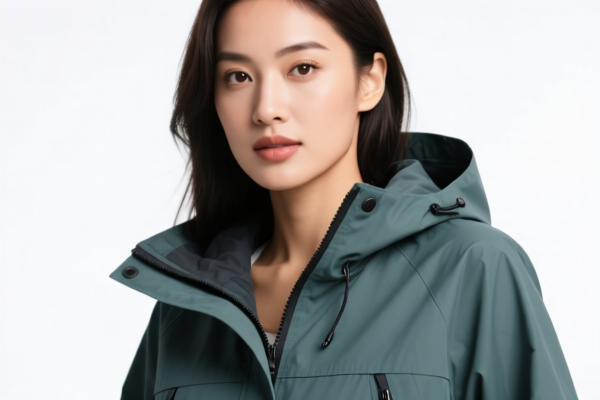
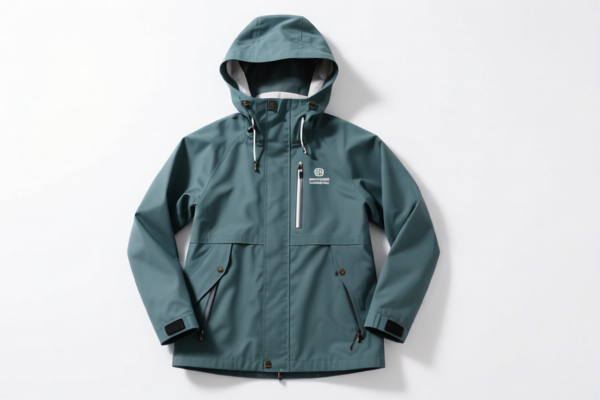
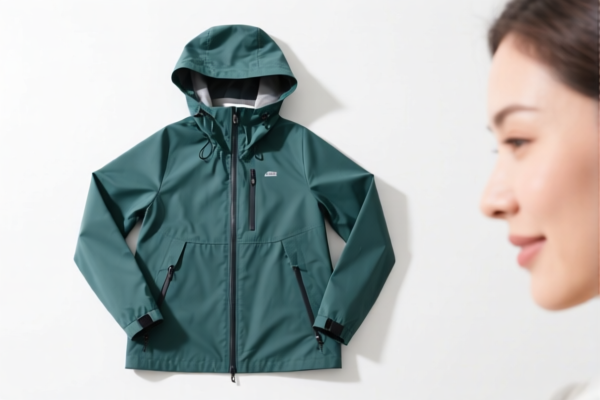
AI Analysis
🧥 Girls' Outdoor Windproof Jacket (Other Textile Materials)
🌐 HS Code Reference & Customs Clearance Guide | 2026 Latest Tariff Analysis | Professional Clearance Strategy
📌 Part I: Product Definition & Classification – Do You Truly Understand the "Windproof Jacket"?
The Girls' Outdoor Windproof Jacket, classified under "Other Textile Materials," is a critical apparel item in international trade. It is typically designed for outdoor activities, offering wind resistance and weather protection. In customs classification, the distinction between Chapter 61 (Knitted/Crocheted) and Chapter 62 (Non-Knitted/Woven) is paramount, as is the specific material composition (e.g., synthetic vs. natural fibers, though the prompt specifies "Other Textile Materials").
⚠️ Key Classification Distinction:
- Chapter 61 (6102...): Applies if the jacket is knitted or crocheted (elastic, stretchy fabric).
- Chapter 62 (6202... / 6210...): Applies if the jacket is not knitted/crocheted (woven, laminated, or special textile fabrics).
- "Other Textile Materials": Implies it does not fall into specific high-tariff or restricted categories (like pure wool or silk), often placing it in the "Other" sub-headings.
📦 Part II. HS Code Classification Details (Based on Provided Data)
Below is the detailed breakdown of the 5 HS Codes derived from the provided data, explaining why each applies and their respective tax implications.
| HS Code | Product Description & Rationale | Total Tax Rate | Tax Breakdown |
|---|---|---|---|
| 6202.90.69.61 | Non-Knitted Jacket, Other Textile. Rationale: Matches morphology and usage perfectly. Material is not in a specific restricted category. Key: "Shape and use fully match; material not in specific restricted category." |
20.3% | Base Tariff: 2.8% Additional Tariff: 7.5% Section 301 (122 Clause): 10% |
| 6102.90.90.30 | Knitted Jacket, Other Textile. Rationale: Shape and use fit the classification definition; material aligns with the "Other" category. Key: "Shape and use fit classification definition; material consistent with 'Other'." |
23.2% | Base Tariff: 5.7% Additional Tariff: 7.5% Section 301 (122 Clause): 10% |
| 6102.90.90.05 | Knitted Windcoat, Other Textile. Rationale: Specific morphology is "Windcoat," purpose is "Girls'," material is fully consistent. Key: "Morphology is windcoat, purpose is girls', material fully consistent." |
23.2% | Base Tariff: 5.7% Additional Tariff: 7.5% Section 301 (122 Clause): 10% |
| 6210.50.22.90 | Non-Knitted Outerwear, Other Textile. Rationale: Falls under "Other Women's/Girls' Leisure Performance Outerwear" → "Other" classification. Key: "Other textile materials; classified under other women/girls' leisure performance outerwear." |
23.7% | Base Tariff: 6.2% Additional Tariff: 7.5% Section 301 (122 Clause): 10% |
| 6202.90.49.61 | Non-Knitted Jacket, Other Textile. Rationale: Matches morphology and usage completely; fits the "catch-all" attribute classification. Key: "Shape and use fully match; complies with catch-all attribute classification." |
20.3% | Base Tariff: 2.8% Additional Tariff: 7.5% Section 301 (122 Clause): 10% |
🔍 Critical Insight:
- Chapter 62 (6202/6210) generally has a lower base tariff (2.8% - 6.2%) compared to Chapter 61 (6102) which has a base tariff of 5.7%.
- However, ALL these codes incur Additional Tariff (7.5%) and Section 301 Tariff (10%), making the total tax burden high regardless of the base rate.
- 6202.90.69.61 and 6202.90.49.61 are the most tax-efficient options with a 20.3% total rate, due to their lower 2.8% base tariff.
💰 Part III. 2026 Latest Tariff Rate Details (Including Additional Taxes)
✅ Applicable Country: United States (US)
✅ Origin: China (CN)
✅ Effective Time: Current rates apply (including Section 301)
🎯 1. 6202.90.69.61 & 6202.90.49.61 – Non-Knitted Girls' Jackets (Lowest Base Rate)
| Item | Content |
|---|---|
| Base Tariff | 2.8% (ad valorem) |
| Additional Tariff | +7.5% |
| Section 301 Tariff (122 Clause) | +10% |
| Total Tax Rate | 20.3% |
| Tax Calculation | CIF Value × 20.3% |
| De Minimis Exemption | ❌ Not Eligible (Section 301 tariffs generally negate de minimis benefits for these categories) |
| Legal Basis | USITC Harmonized Tariff Schedule → Section 301 Trade Act |
📌 Explanation:
- These codes fall under Chapter 62 (Non-Knitted), which has a lower base duty.
- The 10% Section 301 tariff is mandatory for Chinese-origin goods in this category.
- Total 20.3% is the minimum tax burden among the provided options.
🎯 2. 6102.90.90.30 & 6102.90.90.05 – Knitted Girls' Jackets
| Item | Content |
|---|---|
| Base Tariff | 5.7% (ad valorem) |
| Additional Tariff | +7.5% |
| Section 301 Tariff (122 Clause) | +10% |
| Total Tax Rate | 23.2% |
| Tax Calculation | CIF Value × 23.2% |
| De Minimis Exemption | ❌ Not Eligible |
| Legal Basis | USITC Harmonized Tariff Schedule → Section 301 Trade Act |
📌 Note:
- These codes fall under Chapter 61 (Knitted), which has a higher base duty (5.7% vs 2.8%).
- Even though the morphology is similar, the knitted nature increases the base tax, resulting in a 23.2% total rate.
- Difference: 23.2% - 20.3% = 2.9% higher tax than non-knitted equivalents.
🎯 3. 6210.50.22.90 – Other Outerwear (Highest Tax Rate)
| Item | Content |
|---|---|
| Base Tariff | 6.2% (ad valorem) |
| Additional Tariff | +7.5% |
| Section 301 Tariff (122 Clause) | +10% |
| Total Tax Rate | 23.7% |
| Tax Calculation | CIF Value × 23.7% |
| De Minimis Exemption | ❌ Not Eligible |
| Legal Basis | USITC Harmonized Tariff Schedule → Section 301 Trade Act |
📌 Warning:
- This code is classified under "Other Women's/Girls' Leisure Performance Outerwear."
- It has the highest base tariff (6.2%) among all options, leading to a 23.7% total rate.
- Avoid this classification if your product fits the more specific "Windproof Jacket" definitions under 6202 or 6102, as it is unnecessarily expensive.
🛠️ Part IV. Customs Clearance Practical Advice
✅ 1. Preparation Checklist (Non-Negotiable)
| Document | Required | Description |
|---|---|---|
| ✅ Product Specification Sheet | ✔️ | Must detail: Fabric composition (e.g., 100% Polyester), construction method (Knitted vs. Woven), intended use (Girls' Outdoor). |
| ✅ Technical Drawing/Structure Chart | ✔️ | Crucial to prove if the jacket is knitted (Chapter 61) or woven/laminated (Chapter 62). |
| ✅ Product Photos (Label & Seams) | ✔️ | Clear view of tags, seams, and fabric texture to determine "Knitted" vs. "Non-Knitted." |
| ✅ Commercial Invoice | ✔️ | Must explicitly state: "Girls' Outdoor Windproof Jacket, Other Textile Materials." Avoid vague terms like "Coat." |
| ✅ Packing List | ✔️ | Ensure no mixed shipments with other categories that could complicate valuation. |
✅ 2. Declaration Strategy (Key Mantras)
🔥 "Correct Chapter is King, Fabric Type is Queen!"
| Scenario | Correct Declaration | Wrong Approach |
|---|---|---|
| Woven/Laminated Jacket | 6202.90.69.61 or 6202.90.49.61 (20.3%) |
Misdeclare as Knitted → 23.2% or higher |
| Knitted Jacket | 6102.90.90.30 or 6102.90.90.05 (23.2%) |
Misdeclare as Woven → Potential misclassification penalty |
| Performance/Leisure Wear | Use specific "Outerwear" codes only if it doesn't fit "Windproof" | Use 6210.50.22.90 (23.7%) unnecessarily |
| Material Composition | Clearly state "Other Textile Materials" | Vague "Textile Fabric" → Customs may reclassify to higher duty |
✅ 3. Special Handling Cases
| Case | Handling Advice |
|---|---|
| Laminated Fabric (e.g., Gore-Tex) | Often falls under Chapter 62 (6202) as it is not knitted. Use 6202.90.69.61 for 20.3% rate. |
| Knitted Mesh Lining | If the main structure is knitted, use Chapter 61 (6102...). Don't let the lining confuse the classification. |
| Mixed Materials | If "Other Textile Materials" includes synthetic blends, ensure it doesn't qualify for lower duties under other chapters. |
| Sample vs. Bulk | Samples must still be declared with correct HS Code and tax liability if over $800 (de minimis rules may not apply for Section 301 goods). |
🌍 Part V. Global Market Comparison (2026)
| Country/Region | Recommended HS Code | Base Tax | Additional Tax | Total Tax | Notes |
|---|---|---|---|---|---|
| 🇺🇸 USA | 6202.90.69.61 |
2.8% | 17.5% (7.5% + 10%) | 20.3% | Lowest rate for Chapter 62. High scrutiny on Chapter 61. |
| 🇺🇸 USA | 6102.90.90.30 |
5.7% | 17.5% (7.5% + 10%) | 23.2% | Higher base tax for knitted items. |
| 🇨🇳 China | 6202.90.69.61 |
~10-15% | 0% | ~10-15% | No Section 301. Lower overall tax for exports to China. |
| 🇪🇺 EU | 6202.93.00 (Est.) |
~12% | 0% | 12% | No Section 301. VAT applies (19-27%). |
| 🇬🇧 UK | 6202.93.00 (Est.) |
~12% | 0% | 12% | Post-Brexit rules apply. |
📌 Conclusion:
- USA is the most challenging market due to Section 301 tariffs (10%) and Additional Tariffs (7.5%).
- Choosing Chapter 62 (6202) over Chapter 61 (6102) saves 2.9% in total tax.
- Avoid6210.50.22.90unless your product is truly "Leisure Performance Outerwear" and doesn't fit the "Windproof" definition, as it has the highest tax burden.
📌 Part VI. Common Mistakes & Pitfalls (Lessons Learned)
❌ Mistake 1: Classifying a woven jacket as knitted (6102)
👉 Consequence: Higher base tax (5.7% vs 2.8%) → 2.9% extra tax per item.
❌ Mistake 2: Classifying a knitted jacket as woven (6202)
👉 Consequence: Customs may flag for misclassification → Delays, fines, or forced re-classification.
❌ Mistake 3: Using vague terms like "Jacket" without specifying Knitted vs. Woven
👉 Consequence: Customs officer discretion may lead to higher duty assessment.
❌ Mistake 4: Assuming De Minimis ($800) applies
👉 Consequence: Section 301 tariffs negate de minimis for many textile categories. Plan for full tax liability.
✅ Correct Approach:
"Girls' Windproof Jacket, Woven, 100% Polyester, Outdoor Use, Model XYZ"
→ HS Code:6202.90.69.61
→ Tax: 20.3%
🎯 Part VII. Conclusion: Professional Classification Saves Money!
🎯 Remember the Mantra:
🔹 "Woven is Cheaper (20.3%), Knitted is Costlier (23.2%)."
🔹 "Chapter 62 vs 61 is the Key, Section 301 is the Trap."
🔹 "Avoid6210unless Necessary,6202is Your Best Friend."
📌 Pro Tip:
- If your jacket is laminated or made of technical fabrics (e.g., nylon/polyester weave), it is likely Chapter 62 (6202...).
- If your jacket is jersey knit (stretchy), it is Chapter 61 (6102...).
- Always provide fabric construction details to your customs broker to ensure the correct HS Code is selected.
📣 Take Action Now:
📞 Consult a Customs Broker + Provide Fabric Specs + Confirm Knitted vs. Woven
🚀 Ensure Accurate Classification, Avoid Overpayment, Streamline Clearance!
✨ Professional Customs Clearance Starts with Precise Classification!
💼 Every 2.9% Saved Adds to Your Bottom Line!
Customer Reviews
About HS Code Classification
The Harmonized System (HS) is an internationally standardized nomenclature developed by the World Customs Organization (WCO) to classify traded products. Over 200 countries use the HS system as the basis for customs tariffs, trade statistics, and import/export regulations.
Each HS code follows a hierarchical structure:
- Chapter (2 digits) — Broad category of goods (e.g., Chapter 84: Machinery and Mechanical Appliances)
- Heading (4 digits) — More specific grouping within the chapter
- Subheading (6 digits) — Internationally standardized breakdown, used by all WCO member countries
- National subdivisions (8-10 digits) — Country-specific extensions for further classification, such as US HTSUS 10-digit codes
Correct HS code classification is essential for smooth customs clearance, accurate duty payment, and compliance with trade regulations. Misclassification can lead to customs delays, overpayment of duties, or penalties.
When importing from CN to US, the applicable tariff rates may include:
- Most-Favored-Nation (MFN) rate — The standard duty rate applied to WTO members
- General rate — Applied to countries without trade agreements
- Trade remedy duties — Additional tariffs such as Section 301 (anti-dumping), Section 232 (national security), or countervailing duties
The information provided on this page is for reference purposes only. For official classification, please consult with your local customs authority or a licensed customs broker.