Girls' Protective Jumpsuit
CN → US| HS Code | Tariff Rate | Origin | Destination | Doc |
|---|---|---|---|---|
| 6209303010 | 33.5% | CN | US | Official Doc |
| 6111206010 | 25.6% | CN | US | Official Doc |
| 6110909071 | 23.5% | CN | US | Official Doc |
| 6110909073 | 23.5% | CN | US | Official Doc |
| 6209205030 | 26.8% | CN | US | Official Doc |
Product Images
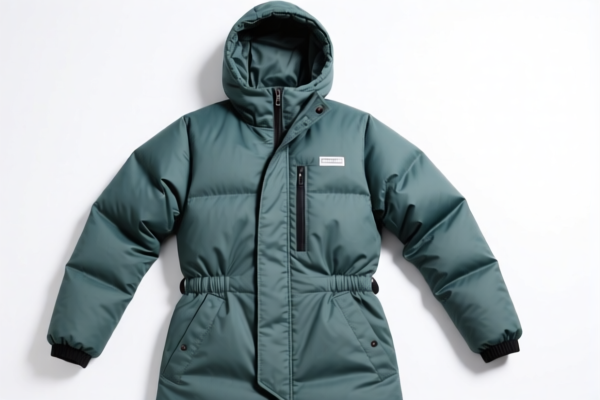
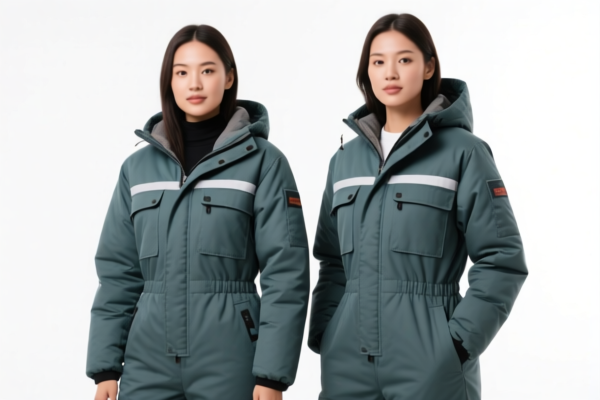
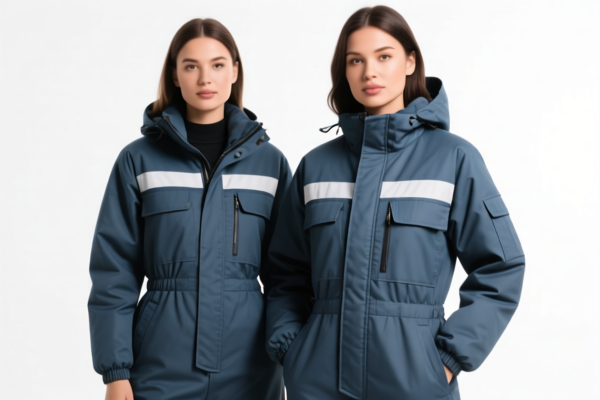
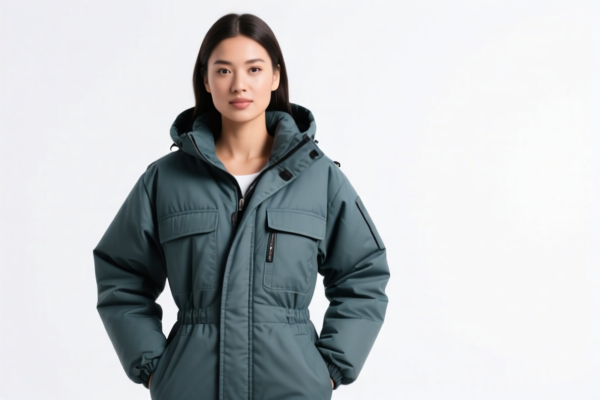
AI Analysis
👗 Girls' Protective Jumpsuit (Baby/Toddler Romper)
🌐 HS Code Reference & Customs Clearance Guide | 2026 Latest Tariff Analysis | Professional Compliance Strategy
📌 I. Product Definition: What Exactly is a "Protective Jumpsuit"?
A "Girls' Protective Jumpsuit" (often categorized as a Baby Romper, One-Piece, or Coverall) is a single garment covering the torso and legs, designed for infants and young girls (typically under 2 years old). In international trade, the classification hinges heavily on three factors:
1. Material: Knitted vs. Woven.
2. Composition: Cotton vs. Synthetic Fibers (Polyester, Nylon, etc.).
3. Design: Whether it is specifically designed for infants (under 2 years).
⚠️ Critical Distinction:
- Infant Size (Under 2 Years): Falls under Heading 6209 (Woven) or 6111 (Knitted).
- Child Size (Over 2 Years): Falls under Heading 6211 (Woven) or 6104/6109 (Knitted).
The term "Protective" often implies a specific fabric type (e.g., rainwear or durable cotton), but the size determines the primary HS Code.
📦 II. HS Code Classification Matrix (2026 Latest Tariff Data)
Based on the provided data, here are the five most likely classifications for a Girls' Protective Jumpsuit, ranging from synthetic to cotton, and woven to knitted.
| HS Code | Classification Type | Material Inference | Total Tax Rate | Key Logic |
|---|---|---|---|---|
| 6209.30.30.10 | Woven Baby Garment | Synthetic Fibers (e.g., Polyester) | 33.5% | Woven form + Baby use + Synthetic material. High tariff due to synthetic content. |
| 6111.20.60.10 | Knitted Baby Garment | Cotton (Inferred) | 25.6% | Knitted form + Baby use + Cotton material. Standard for soft baby rompers. |
| 6209.20.50.30 | Woven Baby Garment | Cotton (Inferred) | 26.8% | Woven form + Baby use + Cotton material. Common for durable/protective outerwear. |
| 6110.90.90.71 | Knitted Garment (General) | Textile (General) | 23.5% | Knitted + Girl/Infant range + Textile material. Broader category, lower base tax. |
| 6110.90.90.73 | Knitted Garment (General) | Textile (Non-Cotton) | 23.5% | Knitted + Girl/Infant range + Non-cotton textile. Similar to above, slight material nuance. |
🔍 Important Note:
- 6209.xxxx codes are specifically for infant garments (size usually under 24 months).
- 6110.xxxx codes are for knitted pullovers, cardigans, and similar items, but in some jurisdictions, certain knitted one-piece suits for older infants/toddlers may fall here if they don't meet strict "infant" definitions or are classified as general knitwear.
- "Protective" might imply rainwear (Heading 6210) or durable workwear, but for girls' clothing, it typically refers to durable cotton/polyester for outdoor play.
💰 III. 2026 Tariff Breakdown & Calculation (US Import from China)
✅ Applicable Country: United States (US)
✅ Origin: China (CN)
✅ Effective Date: November 10, 2025 (including subsequent imports)
🎯 1. 6209.30.30.10 – Woven Baby Jumpsuit (Synthetic)
| Item | Detail |
|---|---|
| Base Tariff | 16.0% |
| Section 301 Tariff | +7.5% |
| 122 Clause Tariff | +10.0% |
| Total Tax Rate | 33.5% |
| Calculation | CIF Value × 33.5% |
| De Minimis Eligibility | ❌ No (De Minimis exemption does not apply to these high-tariff categories) |
| Legal Path | Base: 16% → Section 301: +7.5% → 122 Clause: +10% |
📌 Explanation:
- This is the highest tax bracket among the options.
- Synthetic fibers (polyester/nylon) face higher base tariffs than cotton.
- The "122 Clause" is a specific US trade action affecting certain Chinese textile inputs.
🎯 2. 6111.20.60.10 – Knitted Baby Romper (Cotton)
| Item | Detail |
|---|---|
| Base Tariff | 8.1% |
| Section 301 Tariff | +7.5% |
| 122 Clause Tariff | +10.0% |
| Total Tax Rate | 25.6% |
| Calculation | CIF Value × 25.6% |
| De Minimis Eligibility | ❌ No |
| Legal Path | Base: 8.1% → Section 301: +7.5% → 122 Clause: +10% |
📌 Explanation:
- Cotton has a lower base tariff (8.1%) compared to synthetics (16%).
- This is a cost-effective option if the product is genuinely knitted cotton.
- Common for: Soft, breathable baby rompers for everyday wear.
🎯 3. 6209.20.50.30 – Woven Baby Jumpsuit (Cotton)
| Item | Detail |
|---|---|
| Base Tariff | 9.3% |
| Section 301 Tariff | +7.5% |
| 122 Clause Tariff | +10.0% |
| Total Tax Rate | 26.8% |
| Calculation | CIF Value × 26.8% |
| De Minimis Eligibility | ❌ No |
| Legal Path | Base: 9.3% → Section 301: +7.5% → 122 Clause: +10% |
📌 Explanation:
- Woven cotton has a slightly higher base tariff than knitted cotton (9.3% vs 8.1%).
- Common for: Durable, "protective" outerwear, denim-style, or windproof baby suits.
🎯 4. 6110.90.90.71 & 73 – Knitted General Garment (Textile)
| Item | Detail |
|---|---|
| Base Tariff | 6.0% |
| Section 301 Tariff | +7.5% |
| 122 Clause Tariff | +10.0% |
| Total Tax Rate | 23.5% |
| Calculation | CIF Value × 23.5% |
| De Minimis Eligibility | ❌ No |
📌 Explanation:
- These codes have the lowest base tariff (6.0%).
- Risk: If the product is clearly an infant garment (under 2 years), using a general "knitted garment" code (6110) may be flagged for misclassification.
- Use Only If: The garment is for older toddlers (2+ years) or doesn't meet the strict definition of "infant" under 6111/6209.
🛠️ IV. Customs Clearance Operational Advice
✅ 1. Essential Documentation Checklist
| Document | Required? | Notes |
|---|---|---|
| ✅ Product Description | ✔️ | Must specify: "Girls' Protective Jumpsuit", Material (e.g., 100% Cotton), Size (Infant/Toddler). |
| ✅ Material Composition | ✔️ | Critical! "Cotton" vs. "Polyester" changes the HS Code and tax rate. |
| ✅ Fabric Construction | ✔️ | Knitted vs. Woven. Check label or supply chain docs. |
| ✅ Age Specification | ✔️ | Specify "Infant (Under 24 Months)" or "Toddler (24+ Months)". |
| ✅ Commercial Invoice | ✔️ | Must match HS Code exactly. Avoid vague terms like "Clothes". |
| ✅ Packing List | ✔️ | Include dimensions and weight for accurate duty calculation. |
| ✅ Certificate of Origin | ✔️ | Proof of China origin triggers Section 301 and 122 Clause tariffs. |
✅ 2. Classification Strategy (Key Decision Tree)
🔥 "Check Material, Check Knit, Check Age – Avoid 33.5% if Possible!"
| Scenario | Recommended HS Code | Tax Rate | Why? |
|---|---|---|---|
| 100% Cotton, Knitted, Infant (<2 yrs) | 6111.20.60.10 |
25.6% | Lowest base tax for infant cotton. |
| 100% Cotton, Woven, Infant (<2 yrs) | 6209.20.50.30 |
26.8% | Standard for woven cotton baby items. |
| Polyester, Woven, Infant (<2 yrs) | 6209.30.30.10 |
33.5% | Highest tax. Avoid if synthetic. |
| Blended/Tri-blend, Knitted, Toddler (2+ yrs) | 6110.90.90.71/73 |
23.5% | Lowest tax, but only if not "infant" size. |
| Rainproof/Waterproof "Protective" Suit | Check 6210 | Varies | If fully waterproof, it may be 6210. Not in current data, but worth checking. |
⚠️ Warning:
- Do NOT use6110codes for garments clearly labeled "Infant" or sized for 0-24 months. Customs may reclassify to6111or6209, leading to back taxes + penalties.
- "Protective" does not automatically mean 6210 (Rainwear). It often just means "durable". Use material and construction to decide.
✅ 3. Cost-Saving Tips
| Tip | Action | Benefit |
|---|---|---|
| 🎯 Material Selection | Use Cotton instead of Polyester. | Saves 7.9% (33.5% vs 25.6%) for infant knitted, or 6.7% (33.5% vs 26.8%) for infant woven. |
| 🎯 Construction Check | Confirm if Knitted (6111) vs. Woven (6209). | Knitted cotton (6111) has the lowest base rate (8.1%) vs. Woven cotton (6209, 9.3%). |
| 🎯 Age Boundary | If the suit fits 24+ months, consider 6110 codes. |
Reduces base rate from 8.1-9.3% to 6.0% (Total 23.5% vs 25.6-26.8%). |
| 🎯 Pre-Ruling | Apply for an Advance Ruling from CBP. | Avoids disputes and penalties at port. |
🌍 V. Global Market Comparison (2026)
| Region | Recommended HS Code | Approx. Tax | Notes |
|---|---|---|---|
| 🇺🇸 USA | 6111.20.60.10 (Cotton Knit) |
25.6% | Includes 301 + 122 Clause. |
| 🇺🇸 USA | 6209.30.30.10 (Synth. Woven) |
33.5% | Highest tax bracket. |
| 🇪🇺 EU | 6111/6209 | ~12% | No Section 301. Lower base rates. |
| 🇨🇳 China | 6111/6209 | ~9-16% | Export tax may apply if sourced from China. |
📌 Conclusion:
- USA is the highest-cost market due to Section 301 and 122 Clause tariffs.
- Cotton Knitted Infant Garments (6111.20.60.10) offer the best balance of protection and cost.
- Avoid Synthetic Woven Infant Garments (6209.30.30.10) if cost is a priority, unless the product strictly requires synthetic durability.
📌 VI. Common Mistakes & Pitfalls
❌ Mistake 1: Labeling a synthetic jumpsuit as "Cotton" to get lower taxes.
👉 Consequence: Customs inspection reveals material mismatch → Seizure, fines, and back taxes.
❌ Mistake 2: Using 6110 codes for Infant garments.
👉 Consequence: Misclassification → Reclassification to 6111/6209 + Penalties.
❌ Mistake 3: Ignoring the "122 Clause".
👉 Consequence: Failure to declare 10% additional tariff → CBP audit and interest charges.
❌ Mistake 4: Vague Description ("Girls' Jumpsuit").
👉 Consequence: Customs assigns highest duty rate by default → Unnecessary cost.
✅ Correct Description Example:
"Girls' Knitted Cotton Protective Jumpsuit (Romper), Size 6-12 Months, 100% Cotton, Knitted Fabric, Infant Size."
🎯 VII. Conclusion: Smart Classification, Smart Savings
🎯 Key Takeaways:
🔹 Cotton is King: Cotton fabrics have lower base tariffs than synthetics.
🔹 Knitted vs. Woven: Knitted infant garments (6111) often have lower base rates than Woven (6209).
🔹 Age Matters: Infant (<2 yrs) vs. Toddler (2+ yrs) determines the HS Code chapter.
🔹 Tax Reality: US imports from China face 23.5% - 33.5% total tariffs. Factor this into your pricing strategy.
📌 Pro Tip:
If your product is not for infants (e.g., size 2T+), consider if it can be classified under 6104 (Girls' Suits) or 6110 (Knitted Pullovers) to reduce base tariffs. However, ensure the design and sizing strictly comply with "not infant" definitions.
📣 Next Steps:
📞 Verify Material & Construction with your supplier.
📦 Confirm Size Range (Infant vs. Toddler).
📄 Prepare Detailed Product Specs for customs broker.
🚀 Optimize Your HS Code to minimize the 23.5% - 33.5% tax burden!
✨ Precision in Classification = Profit in Your Pocket!
💼 Don't let misclassification eat your margins!
Customer Reviews
About HS Code Classification
The Harmonized System (HS) is an internationally standardized nomenclature developed by the World Customs Organization (WCO) to classify traded products. Over 200 countries use the HS system as the basis for customs tariffs, trade statistics, and import/export regulations.
Each HS code follows a hierarchical structure:
- Chapter (2 digits) — Broad category of goods (e.g., Chapter 84: Machinery and Mechanical Appliances)
- Heading (4 digits) — More specific grouping within the chapter
- Subheading (6 digits) — Internationally standardized breakdown, used by all WCO member countries
- National subdivisions (8-10 digits) — Country-specific extensions for further classification, such as US HTSUS 10-digit codes
Correct HS code classification is essential for smooth customs clearance, accurate duty payment, and compliance with trade regulations. Misclassification can lead to customs delays, overpayment of duties, or penalties.
When importing from CN to US, the applicable tariff rates may include:
- Most-Favored-Nation (MFN) rate — The standard duty rate applied to WTO members
- General rate — Applied to countries without trade agreements
- Trade remedy duties — Additional tariffs such as Section 301 (anti-dumping), Section 232 (national security), or countervailing duties
The information provided on this page is for reference purposes only. For official classification, please consult with your local customs authority or a licensed customs broker.