Girls' Ski Jacket
CN → US| HS Code | Tariff Rate | Origin | Destination | Doc |
|---|---|---|---|---|
| 6202404500 | 24.6% | CN | US | Official Doc |
| 6112201020 | 45.7% | CN | US | Official Doc |
| 6202402500 | 21.9% | CN | US | Official Doc |
| 6211205820 | 38.0% | CN | US | Official Doc |
| 6112202010 | 25.8% | CN | US | Official Doc |
Product Images
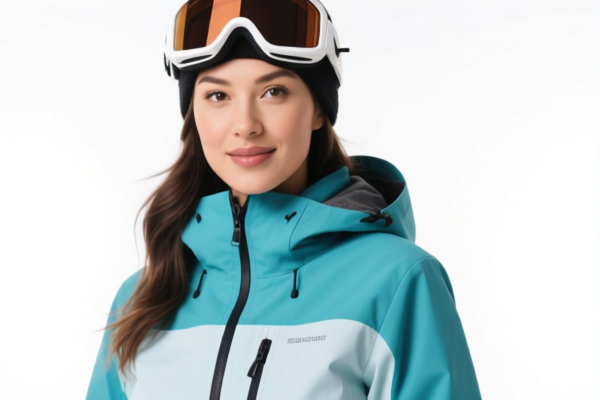
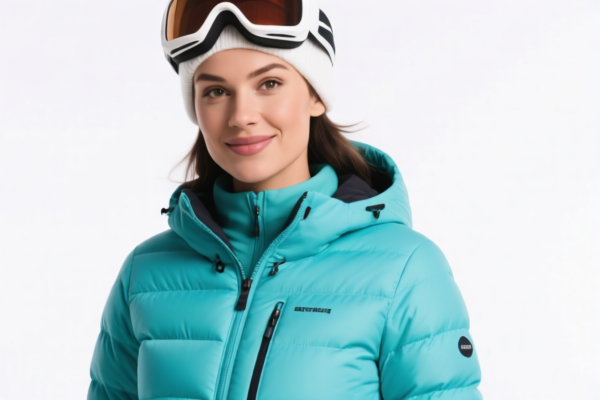
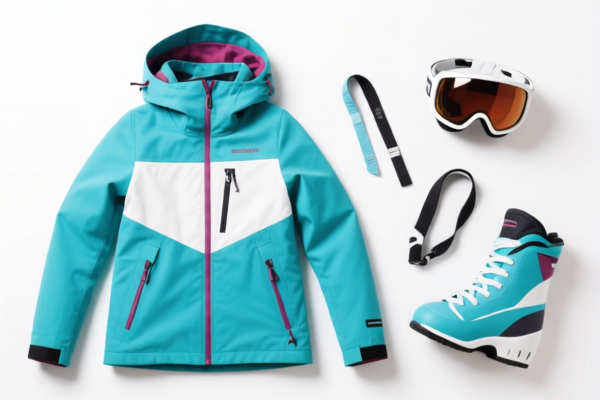
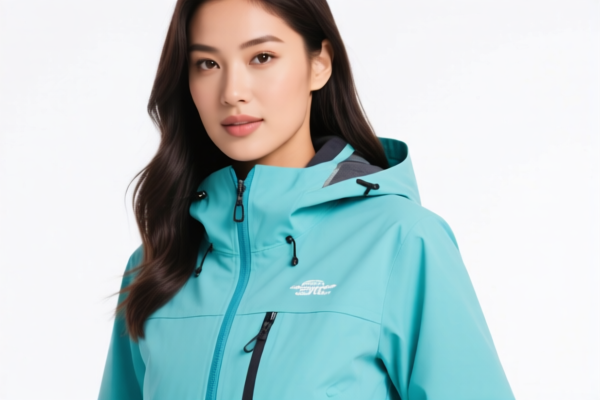
AI Analysis
🎿 Girls' Ski Jacket (Winter Sports Outerwear)
🌐 HS Code Reference & Customs Clearance Guide | 2026 Latest Tariff Analysis | Professional Strategy for Winter Apparel
📌 I. Product Definition & Classification: Do You Really Understand "Girls' Ski Jacket"?
Girls' ski jackets are specialized winter sports outerwear designed for thermal insulation, waterproofing, and breathability. In international trade (specifically US Customs), they fall into two primary fabric categories:
Woven Ski Jackets (Chapter 62): Made from non-knitted fabrics (e.g., ripstop nylon, polyester woven). These are structured like traditional coats. Knitted/Hooked Ski Jackets (Chapter 61): Made from knitted or crocheted fabrics (e.g., fleece, knitted synthetic blends). These have a stretchier, softer texture.
⚠️ Critical Distinction for Classification:
- If the fabric is Woven (non-stretch structure) → Classify under 6202 or 6211.
- If the fabric is Knitted/Crocheted (stretch structure) → Classify under 6112.
- Note: The "Girls" aspect confirms the demographic, but the fabric structure (Woven vs. Knitted) dictates the HS Code chapter.
📦 II. Detailed HS Code Breakdown (2026 Latest Tariff Reference)
| HS Code | Product Description | Fabric Inference | Usage/Structure Match |
|---|---|---|---|
6202.40.45.00 |
Girls' Ski Jacket (Woven) Based on shape/usage, inferred as Man-made Fibers |
🧵 Woven Man-made Fibers | ✅ Perfect Match for Woven Outerwear |
6112.20.10.20 |
Girls' Ski Jacket (Knitted) Matching usage, shape, and demographic, inferred as Man-made Fibers |
🧶 Knitted Man-made Fibers | ✅ Perfect Match for Knitted Outerwear |
6202.40.25.00 |
Girls' Ski Jacket (Woven) Fits "Women's Coat/Outerwear" & "Leisure Outdoor" categories |
🧵 Woven Man-made Fibers | ✅ Matches Casual/Outdoor Woven |
6211.20.58.20 |
Girls' Ski Jacket (Woven) Usage/shape match, inferred as Synthetic/Man-made Fibers |
🧵 Synthetic/Man-made Fibers | ✅ Matches Synthetic Woven |
6112.20.20.10 |
Girls' Ski Suit/Jacket (Knitted) Matching usage & knit structure, inferred as Cotton or Synthetic |
🧶 Cotton/Synthetic Knit | ✅ Matches Knitted Ski Set/Jacket |
🔍 Key Insight:
- Woven (6202/6211) jackets generally have lower base tariffs but face the same Section 301/122 penalties.
- Knitted (6112) jackets often face higher base tariffs (28%) due to their specific classification as "suits" or specific knitwear.
- Material Inference: All entries infer Man-made/Synthetic Fibers, which is standard for modern ski gear.
💰 III. 2026 Latest Tariff Rate Breakdown (Including Add-ons & Policy Surcharges)
✅ Applicable Country: United States (US)
✅ Country of Origin: China (CN)
✅ Effective Date: 2025/2026 (Includes all subsequent imports)
🎯 1. 6202.40.45.00 — Woven Girls' Ski Jacket (Man-made Fibers)
| Item | Content |
|---|---|
| Base Duty | 7.1% |
| Section 301 / Additional Duty | +7.5% |
| Section 122 Duty | +10.0% |
| Total Duty Rate | 24.6% |
| Tax Calculation | CIF Value × 24.6% |
| De Minimis Exemption | ❌ NO (Denied for this category) |
| Legal Path | Section 301 → Section 122 → HTSUS 6202.40.45.00 |
📌 Explanation:
- 7.1% is the standard Most Favored Nation (MFN) rate for woven women's outerwear.
- +7.5% is the Section 301 "Additional Duty" on Chinese goods.
- +10% is the specific Section 122 tariff (often applicable to specific textile categories or retaliatory measures).
- Total: 24.6% is a moderate-high rate for apparel, requiring careful cost modeling.
🎯 2. 6112.20.10.20 — Knitted Girls' Ski Jacket (Man-made Fibers)
| Item | Content |
|---|---|
| Base Duty | 28.2% |
| Section 301 / Additional Duty | +7.5% |
| Section 122 Duty | +10.0% |
| Total Duty Rate | 45.7% |
| Tax Calculation | CIF Value × 45.7% |
| De Minimis Exemption | ❌ NO |
| Legal Path | Section 301 → Section 122 → HTSUS 6112.20.10.20 |
📌 Critical Warning:
- This category has the highest tariff (45.7%) due to a massive 28.2% base duty.
- Knitted ski jackets are often classified more strictly under "suits" or specific knitwear quotas, leading to this high base rate.
- Strategy: Avoid this code if possible by proving the garment is woven, not knitted.
🎯 3. 6202.40.25.00 — Woven Girls' Ski Jacket (Leisure/Outdoor)
| Item | Content |
|---|---|
| Base Duty | 4.4% |
| Section 301 / Additional Duty | +7.5% |
| Section 122 Duty | +10.0% |
| Total Duty Rate | 21.9% |
| Tax Calculation | CIF Value × 21.9% |
| De Minimis Exemption | ❌ NO |
| Legal Path | Section 301 → Section 122 → HTSUS 6202.40.25.00 |
📌 Explanation:
- This is the most cost-effective option (21.9%) for woven jackets.
- It classifies the jacket under a broader "Women's Coat/Outerwear" or "Leisure Outdoor" category rather than specific "Ski" subheadings.
- Condition: Must strictly fit the "Leisure/Outdoor" description without specific "Ski Suit" language in labeling.
🎯 4. 6211.20.58.20 — Woven Girls' Ski Jacket (Synthetic)
| Item | Content |
|---|---|
| Base Duty | 28.0% |
| Section 301 / Additional Duty | +0.0% |
| Section 122 Duty | +10.0% |
| Total Duty Rate | 38.0% |
| Tax Calculation | CIF Value × 38.0% |
| De Minimis Exemption | ❌ NO |
| Legal Path | Section 122 → HTSUS 6211.20.58.20 |
📌 Note:
- While the base duty (28%) is high, the Section 301 surcharge is 0% in this specific subcategory.
- The 10% Section 122 still applies, making the total 38%.
- Useful if the jacket is classified specifically as "Synthetic" outerwear but not under the "Ski" specific 6112 codes.
🎯 5. 6112.20.20.10 — Knitted Girls' Ski Suit/Jacket (Cotton/Synthetic)
| Item | Content |
|---|---|
| Base Duty | 8.3% |
| Section 301 / Additional Duty | +7.5% |
| Section 122 Duty | +10.0% |
| Total Duty Rate | 25.8% |
| Tax Calculation | CIF Value × 25.8% |
| De Minimis Exemption | ❌ NO |
| Legal Path | Section 301 → Section 122 → HTSUS 6112.20.20.10 |
📌 Explanation:
- If the fabric is Cotton or Synthetic Knit, the base duty drops to 8.3%.
- Total: 25.8% is significantly lower than the 45.7% for man-made knits.
- Strategy: If the jacket contains cotton, this code is optimal for knitted items.
🛠️ IV. Customs Clearance Practical Advice (Pitfall Avoidance Guide)
✅ 1. Preparation Checklist (Non-negotiable)
| Document | Must Provide? | Reason |
|---|---|---|
| ✅ Fabric Test Report | ✔️ YES | Crucial: Proves Woven vs. Knitted. Determines if you pay 21.9% (2202) or 45.7% (6112). |
| ✅ Product Specification Sheet | ✔️ | Details waterproof rating, insulation type, and intended use (Ski vs. Casual). |
| ✅ Clear Product Photos | ✔️ | Show seams (woven has straight seams; knit has stretchy loops), tags, and structure. |
| ✅ Bill of Materials (BOM) | ✔️ | Lists fiber composition (e.g., 100% Polyester vs. 60% Cotton/40% Poly). |
| ✅ Commercial Invoice | ✔️ | Must explicitly state "Girls' Ski Jacket" or "Girls' Outerwear" consistent with HS Code. |
✅ 2. Declaration Strategy (The Golden Rules)
🔥 口诀 (Mantra): "Fabric First, Structure Key, Usage Clear, Tax Down Low!"
| Scenario | Correct Declaration | Wrong Declaration | Result |
|---|---|---|---|
| Woven Jacket | 6202.40.25.00 (Base 4.4%) |
6112.20.10.20 (Base 28.2%) |
Overpay by ~20% |
| Knitted (Man-made) | 6112.20.10.20 |
6202.40.45.00 |
Underpayment/Fraud Risk |
| Knitted (Cotton Mix) | 6112.20.20.10 |
6112.20.10.20 |
Overpay by ~20% |
| Casual Outdoor vs. Ski | 6202.40.25.00 |
6202.40.45.00 (Specific Ski) |
Base 4.4% vs 7.1% |
✅ 3. Special Handling & Exceptions
| Situation | Recommendation |
|---|---|
| "Ski Suit" vs. "Jacket" | If sold as a set (Jacket + Pants), check if it falls under 6112.20 (Suits). If sold separately, "Jacket" alone usually fits 6202. |
| OEM Private Label | Ensure the invoice matches the brand name exactly. Customs may flag "Private Label" as missing origin info. |
| Mixed Materials | If the jacket has Cotton + Synthetic, the Cotton component usually dictates the lower tariff code (6112.20.20.10), saving money. |
| Section 122 Impact | Remember all codes listed above include the 10% Section 122 surcharge. No code is exempt from this specific policy. |
🌍 V. Global Market Comparison (2026 Snapshot)
| Market | Recommended Code | Total Tariff (China) | Notes |
|---|---|---|---|
| 🇺🇸 USA | 6202.40.25.00 (Best) |
21.9% | Section 301 + Section 122 apply. |
| 🇺🇸 USA | 6112.20.10.20 (Worst) |
45.7% | Avoid knitted man-made if possible. |
| 🇪🇺 EU | 6202.40 |
~8-12% | No Section 301/122, but high VAT. |
| 🇨🇦 Canada | 6202.40 |
~5-8% | More favorable, no Section 122. |
📌 Conclusion:
- The US market is the most expensive due to the叠加 (stacking) of Section 301 (7.5%), Section 122 (10%), and varying Base Duties.
- Optimization Strategy: Prioritize Woven fabrics and Leisure/Outdoor descriptions to hit the 21.9% bracket, avoiding the 45.7% "Knitted Man-made" trap.
📌 VI. Common Mistakes & "Blood Lesson" Pitfalls
❌ Mistake 1: Declaring a Woven jacket as Knitted (or vice versa) due to poor fabric testing.
👉 Consequence: Customs audit, fines, and potential seizure.
❌ Mistake 2: Using "Ski Jacket" in the description for a Casual Coat to try to use a lower rate.
👉 Consequence: Misclassification leads to Higher Base Duty if the "Ski" code is stricter.
❌ Mistake 3: Ignoring Section 122.
👉 Consequence: Even if base duty is low (e.g., 4.4%), the 10% surcharge makes the total 21.9%.
❌ Mistake 4: Forgetting the 122条款 (Section 122) applies to all textile imports from China in this dataset.
✅ Correct Approach:
"Girls' Woven Ski Jacket, 100% Synthetic, Waterproof, for Outdoor Winter Sports, Model XYZ, Origin: China."
🎯 VII. Conclusion: Precision is Profit!
🎯 Remember the Strategy:
🔹 "Woven = Cheaper (21.9%) vs. Knitted = Expensive (45.7%)"
🔹 "Cotton Mix = Lower Base (8.3%) vs. Man-made (28.2%)"
🔹 "Section 122 (10%) is Universal for China."
📌 Pro Tip:
If your product is Cotton-based and Knitted, immediately claim code 6112.20.20.10 to avoid the 28.2% base tax.
If it is Synthetic/Woven, aim for 6202.40.25.00 (21.9%) rather than the specific ski codes.
📣 Immediate Action Plan:
📞 Get a Fabric Test Report (Woven vs. Knitted, Fiber Content).
📝 Update Invoice Descriptions to match the "Leisure/Outdoor" or "Woven" keywords.
🚀 Calculate Cost: Use 21.9% or 25.8% as your baseline, never 45.7% unless unavoidable.
✨ Professional Customs Clearance Starts with Accurate Classification!
💼 Your margin depends on the 1% difference in HS Code!
Customer Reviews
About HS Code Classification
The Harmonized System (HS) is an internationally standardized nomenclature developed by the World Customs Organization (WCO) to classify traded products. Over 200 countries use the HS system as the basis for customs tariffs, trade statistics, and import/export regulations.
Each HS code follows a hierarchical structure:
- Chapter (2 digits) — Broad category of goods (e.g., Chapter 84: Machinery and Mechanical Appliances)
- Heading (4 digits) — More specific grouping within the chapter
- Subheading (6 digits) — Internationally standardized breakdown, used by all WCO member countries
- National subdivisions (8-10 digits) — Country-specific extensions for further classification, such as US HTSUS 10-digit codes
Correct HS code classification is essential for smooth customs clearance, accurate duty payment, and compliance with trade regulations. Misclassification can lead to customs delays, overpayment of duties, or penalties.
When importing from CN to US, the applicable tariff rates may include:
- Most-Favored-Nation (MFN) rate — The standard duty rate applied to WTO members
- General rate — Applied to countries without trade agreements
- Trade remedy duties — Additional tariffs such as Section 301 (anti-dumping), Section 232 (national security), or countervailing duties
The information provided on this page is for reference purposes only. For official classification, please consult with your local customs authority or a licensed customs broker.