Girls' Ski Jackets of Other Textile Materials
CN → US| HS Code | Tariff Rate | Origin | Destination | Doc |
|---|---|---|---|---|
| 6202904961 | 20.3% | CN | US | Official Doc |
| 6202906961 | 20.3% | CN | US | Official Doc |
| 6112202030 | 25.8% | CN | US | Official Doc |
| 6112201020 | 45.7% | CN | US | Official Doc |
| 6114909070 | 15.6% | CN | US | Official Doc |
Product Images
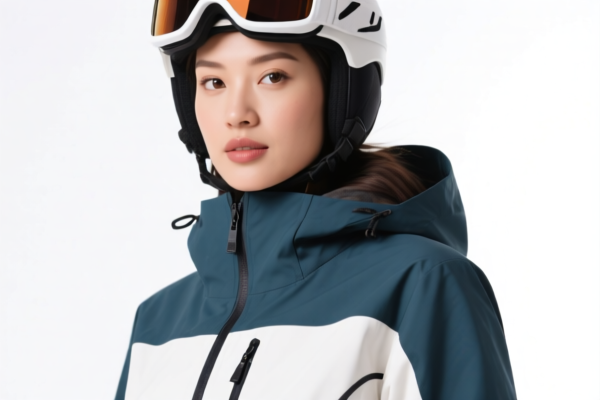
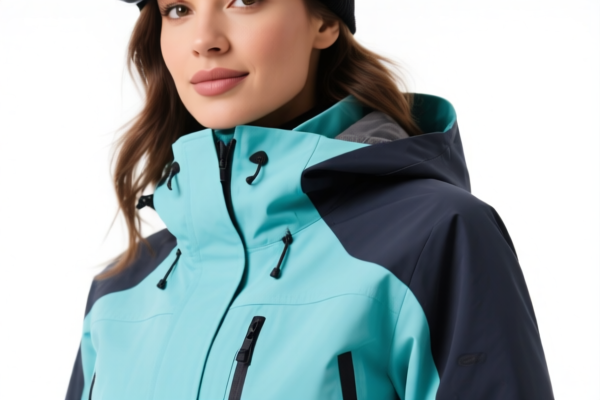
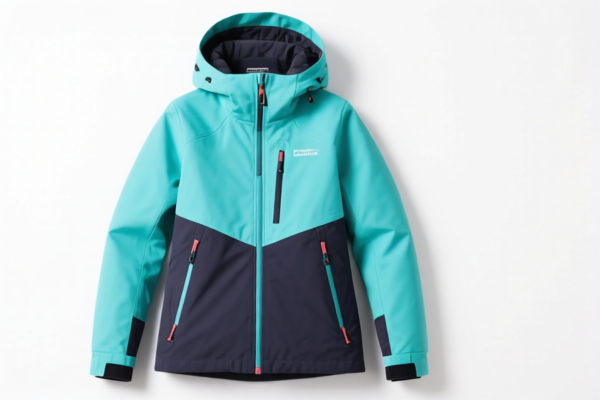
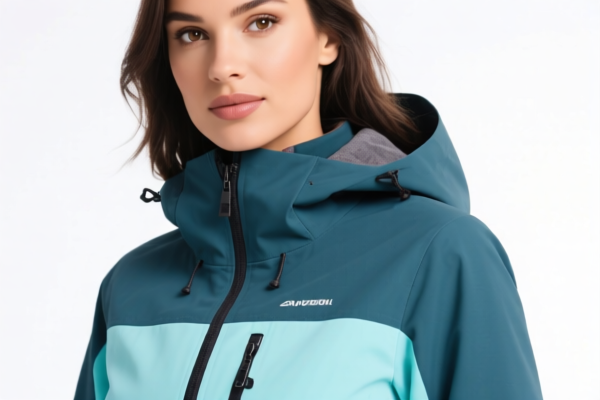
AI Analysis
🧥 Girls' Ski Jackets (Other Textile Materials): Ultimate HS Code Guide & Duty Breakdown
🌐 Global Trade & Customs Reference | 2026 Duty & Tariff Analysis | Expert Clearance Strategies
📌 1. Product Definition: What Exactly Are We Importing?
Girls' Ski Jackets in Other Textile Materials refer to outerwear designed specifically for girls, engineered for snow sports (skier, snowboarder), and constructed from non-cotton, non-wool, and non-man-made fiber (specific restriction category) materials, or falling under knitted vs. woven classifications.
Key Classification Challenges: * Knitted (Stranded) vs. Woven (Tightly woven): This is the primary divider between HS Chapters 61 and 62. * Material Composition: Is it "Other" (polyester/nylon blends not meeting specific restriction lists) vs. "Man-made Fibers" (specific restricted categories)? * Gender & Usage: Must be "Girls" + "Ski Jacket".
⚠️ Critical Distinction:
- Woven (e.g., shell fabric) → Generally falls under Chapter 62.
- Knitted (e.g., fleece, jersey) → Generally falls under Chapter 61.
- Material Sub-category: "Other textile materials" often triggers Section 232 or Section 301 duties depending on the specific chemical composition (e.g., 122 clauses).
📦 2. HS Code Classification Matrix (Based on Provided Data)
| HS Code | Product Description (Summary) | Material Type | Construction | Total Tax Rate |
|---|---|---|---|---|
| 6202.90.49.61 | Girls' Ski Jacket, Other Textile Materials, Non-Cotton/Wool/Restr. Fibers | Other (Woven) | Woven (Ch. 62) | 20.3% |
| 6114.90.90.40 | Girls' Ski Jacket, Other Textile Materials, Other Apparel Category | Other (Knitted) | Knitted (Ch. 61) | 15.6% |
| 6114.90.90.70 | Girls' Ski Jacket, Other Textile Materials, Other Knitted/Hooked Apparel | Other (Knitted) | Knitted (Ch. 61) | 15.6% |
| 6112.20.10.20 | Girls' Ski Jacket, Other Textile Materials, Man-made/Non-Specific | Other (Knitted) | Knitted (Ch. 61) | 45.7% |
| 6112.20.20.30 | Girls' Ski Jacket, Other Textile Materials (Excl. Cotton/Wool) | Other (Knitted) | Knitted (Ch. 61) | 25.8% |
| 6202.90.69.61 | Girls' Ski Jacket, Other Textile Materials, Other Category Definition | Other (Woven) | Woven (Ch. 62) | 20.3% |
🔍 Analysis:
- The Woven options (6202...) consistently show 20.3% total duty. - The Knitted options (6114...,6112...) vary wildly based on the Man-made fiber restriction: - Low Tax (15.6%): When classified as "Other" without specific restriction triggers. - High Tax (45.7%): When the specific "Man-made" clause (6112.20.10.20) is triggered (likely due to Section 301 "232" or "122" specific material flags). - Mid Tax (25.8%): When specific exclusions (Cotton/Wool) apply but other restrictions do not.
💰 3. 2026 Duty & Tariff Detail Breakdown (US Market Focus)
✅ Applicable Country: United States (US)
✅ Origin: China (CN) (Implied by "122 Clause" and high Section 301 rates)
✅ Effective Period: Current 2026 Trade Environment
🎯 Scenario A: Woven Jackets (6202.90.49.61 / 6202.90.69.61)
- Total Duty: 20.3%
- Breakdown:
- MFN (Base Duty): 2.8%
- Section 232/301 (Additional): 7.5%
- Section 122 Clause: 10.0%
- Legal Logic: These are treated as "Other" woven jackets. The 10% "122 Clause" is an additional punitive tariff often applied to specific textile origins or types.
🎯 Scenario B: Low-Risk Knitted Jackets (6114.90.90.40 / 6114.90.90.70)
- Total Duty: 15.6%
- Breakdown:
- MFN (Base Duty): 5.6%
- Section 232/301 (Additional): 0.0% (No additional penalty here)
- Section 122 Clause: 10.0%
- Strategy: This is the cheapest option for knitted ski jackets. Ensure the material composition fits the "Other" definition exactly to avoid the higher "Man-made" classification.
🎯 Scenario C: High-Risk Knitted Jackets (6112.20.10.20)
- Total Duty: 45.7% ⚠️ DANGER ZONE
- Breakdown:
- MFN (Base Duty): 28.2% (Very high base rate!)
- Section 232/301 (Additional): 7.5%
- Section 122 Clause: 10.0%
- Warning: The base duty of 28.2% indicates this falls under a specific restricted "Man-made fiber" category (often 6-digit subheadings for synthetic fibers like Nylon/Polyester not meeting the "Other" criteria). Avoid this if possible.
🎯 Scenario D: Mid-Risk Knitted Jackets (6112.20.20.30)
- Total Duty: 25.8%
- Breakdown:
- MFN (Base Duty): 8.3%
- Section 232/301 (Additional): 7.5%
- Section 122 Clause: 10.0%
- Analysis: A middle ground. The base duty is higher than "Other" (
5.6%) but lower than the restricted28.2%.
🛠️ 4. Clearance & Logistics Advice (Practical Tips)
✅ 1. Material Verification (The Make-or-Break Step)
Before booking freight, lab test the fabric.
* Goal: Prove the material is "Other" and NOT a restricted "Man-made Fiber" to avoid the 45.7% trap.
* Action: Request a Fiber Composition Test Report from the factory.
* If the jacket is >50% Polyester/Nylon but fits the "Other" definition, aim for 6114.90.90.
* If it triggers the "Man-made" clause, try to adjust the blend or redesign.
✅ 2. Construction Declaration
- Woven vs. Knitted:
- If the outer shell is woven but the lining is knitted, the outer fabric usually dictates the classification.
- Worn-in (Ski jackets are often technical).
- Declarative Strategy: Clearly state "Woven Shell, Knitted Lining" in commercial invoices.
✅ 3. Documentation Checklist (Critical for 122 Clause)
- Commercial Invoice: Must explicitly state "Girls' Ski Jacket" and "Other Textile Materials". Do not just say "Ski Jacket".
- Bill of Lading: Ensure HS Code matches the invoice exactly.
- Fiber Content Label: Must be physically attached to the garment (US Customs strictly enforces labeling).
- Country of Origin: If not China, the 122 Clause might not apply (check FTA status).
✅ 4. Special "122 Clause" Warning
The 10% "122 Clause" tariff appears in all provided data points. This suggests a specific trade barrier affecting this category regardless of the base duty. * Strategy: Factor this 10% into your Landed Cost immediately. It is non-negotiable for China-origin goods in this category.
🛑 5. Common Pitfalls & How to Avoid Them
| Pitfall | Consequence | Solution |
|---|---|---|
| Mislabeling Knitted as Woven | Duty drops from 45.7% to 20.3% (or vice versa) | Audit the weave structure. If it's a jersey knit, it's Chapter 61. |
| Ignoring "Other" Definition | Gets hit with 28.2% base duty instead of 5.6% | Ensure the material doesn't fit the specific "Man-made" exclusion lists. |
| Generic Description "Ski Wear" | Audit delay + Penalties | Use precise term: "Girls' Ski Jacket". |
| Missing Fiber Content Label | Goods seized or returned | Label must be permanent and in English. |
🌍 6. Global Market Comparison (Quick Reference)
| Market | Recommended HS Code | Est. Duty (Base + Additional) | Notes |
|---|---|---|---|
| 🇺🇸 USA | 6114.90.90 or 6202.90 |
15.6% - 45.7% | High risk on "Man-made" categories (6112.20.10.20). |
| 🇪🇺 EU | 6114.90 or 6202.90 |
Varies (0-16%) | No Section 301/122. Standard MFN applies. |
| 🇨🇦 Canada | 6114.90 or 6202.90 |
0% (if under CAFTA) | Check Free Trade Agreement status. |
| 🇯🇵 Japan | 6114.90 or 6202.90 |
Varies | Generally lower duties than US. |
📌 Conclusion: The US market is the most expensive due to the 122 Clause and high base rates for specific "Man-made" fibers. The
6114.90.90(15.6%) and6202.90(20.3%) codes are your safest bets if the product composition allows.
🚀 7. Final Action Plan for Importers
- Verify Fabric: Get a lab report to confirm if it falls under "Other" (
6114.90) or "Restricted Man-made" (6112.20.10.20). - Calculate Landed Cost: Include the 10% 122 Clause + Section 301 (7.5%) in your margin calculation.
- Pre-Classification: Apply for a CBP Ruling if the material composition is borderline between "Other" and "Man-made".
- Labeling: Ensure every garment has a permanent "100% Other Textile" label to avoid suspicion.
🎯 Pro Tip: If you can source "Girls' Ski Jackets" from non-China countries (e.g., Vietnam, Bangladesh), you might avoid the 10% 122 Clause and 7.5% Section 301, potentially saving 17.5% on total duties!
✨ Professional Clearance Starts with Precise Classification!
💼 Your Profit Margin Depends on Your HS Code!
Customer Reviews
About HS Code Classification
The Harmonized System (HS) is an internationally standardized nomenclature developed by the World Customs Organization (WCO) to classify traded products. Over 200 countries use the HS system as the basis for customs tariffs, trade statistics, and import/export regulations.
Each HS code follows a hierarchical structure:
- Chapter (2 digits) — Broad category of goods (e.g., Chapter 84: Machinery and Mechanical Appliances)
- Heading (4 digits) — More specific grouping within the chapter
- Subheading (6 digits) — Internationally standardized breakdown, used by all WCO member countries
- National subdivisions (8-10 digits) — Country-specific extensions for further classification, such as US HTSUS 10-digit codes
Correct HS code classification is essential for smooth customs clearance, accurate duty payment, and compliance with trade regulations. Misclassification can lead to customs delays, overpayment of duties, or penalties.
When importing from CN to US, the applicable tariff rates may include:
- Most-Favored-Nation (MFN) rate — The standard duty rate applied to WTO members
- General rate — Applied to countries without trade agreements
- Trade remedy duties — Additional tariffs such as Section 301 (anti-dumping), Section 232 (national security), or countervailing duties
The information provided on this page is for reference purposes only. For official classification, please consult with your local customs authority or a licensed customs broker.