Girls' Skirt
CN → US| HS Code | Tariff Rate | Origin | Destination | Doc |
|---|---|---|---|---|
| 6104420020 | 29.0% | CN | US | Official Doc |
| 6104442020 | 32.4% | CN | US | Official Doc |
| 6204423060 | 25.9% | CN | US | Official Doc |
| 6204412020 | 31.1% | CN | US | Official Doc |
| 6209303040 | 33.5% | CN | US | Official Doc |
Product Images
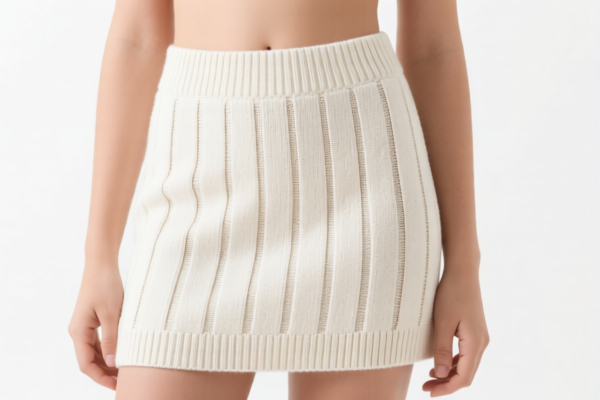
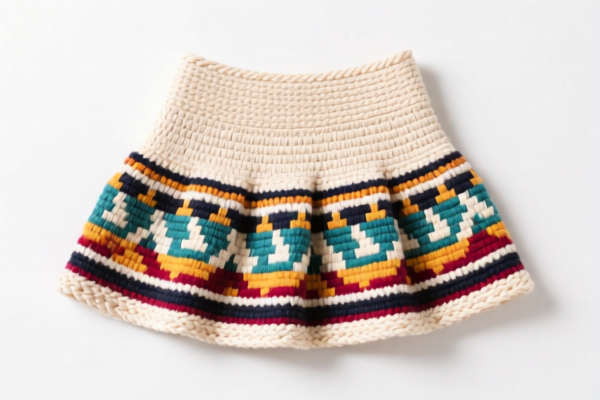
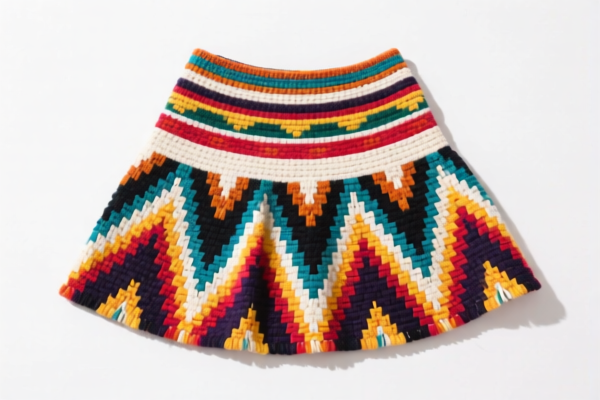
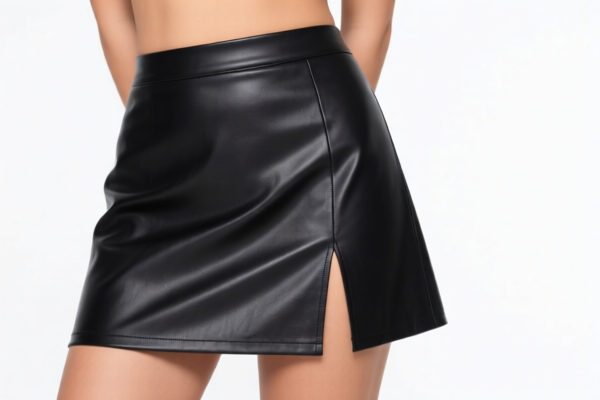
AI Analysis
👗 Girls' Skirts: Ultimate HS Code Guide & Clearance Strategy
🌐 Global Trade HS Code Decoded | 2026 Tariff Breakdown | Smart Clearance Playbook
📌 I. Product Definition & Classification: Do You Know Exactly What a "Girls' Skirt" Is?
A Girls' Skirt is a one-piece garment covering the lower body, designed specifically for children (typically under 14 years) or girls. In international trade, it falls under two major fabric categories:
- Knitted/Tatted Skirts (Chapter 61): Made from knitted or crocheted fabrics (e.g., jersey, rib knits).
- Woven Skirts (Chapter 62): Made from woven fabrics (e.g., cotton, wool, synthetic weaves).
⚠️ Critical Differentiator:
- Fabric Structure: Knitted = Elastic/Stretchy (Ch. 61) vs. Woven = Structured/Stiff (Ch. 62);
- Material: Cotton, Wool, Synthetic Fibers (Determine the 4-digit subheading);
- Intended Use: Must be explicitly for Girls (not general "children" or "adults") to secure specific tariff codes.
📦 II. HS Code Classification Breakdown (2026 Latest Tariff Schedule)
Based on your input data, here are the 5 most likely classifications for Girls' Skirts, matched by material and structure.
| HS Code | Product Description | Material Inference | Gender/Use | Total Duty Rate |
|---|---|---|---|---|
| 6104.42.00.20 | Knitted/Tatted Girls' Dresses/Skirts | Cotton (Implied) | Girls/Children | 29.0% |
| 6104.44.20.20 | Knitted/Tatted Girls' Dresses/Skirts | Synthetic/Artificial Fibers (Implied) | Children (Girls) | 32.4% |
| 6204.42.30.60 | Woven Girls' Dresses/Skirts | Cotton (Implied) | Girls/Children | 25.9% |
| 6204.41.20.20 | Woven Girls' Dresses/Skirts | Wool/Animal Hair (Implied) | Children (Girls) | 31.1% |
| 6209.30.30.40 | Woven Apparel for Girls (Other) | Synthetic Fibers (Implied) | Girls | 33.5% |
🔍 Key Insights:
- Chapter 61 (Knitted) vs. Chapter 62 (Woven) is the primary split;
- Material matters: Cotton (6204.42) is the cheapest (25.9%), while Wool (6204.41) and Synthetics (6104.44/6209.30) are higher (31–33.5%);
- Gender specificity: All codes listed are for Girls/Children, ensuring compliance with customs classification rules.
💰 III. 2026 Tariff Rate Deep Dive (Including Surcharges & Policies)
✅ Target Market: United States (US)
✅ Origin: China (CN)
✅ Effective Date: 2025–2026 (Current & Projected)
🎯 1. Cotton Skirts (6104.42.00.20 & 6204.42.30.60)
| Item | Content |
|---|---|
| Base Tariff | 11.5% (6104) / 8.4% (6204) |
| Section 301 Surcharge | +7.5% (Additional Tariff) |
| Section 122 Tariff | +10% (Targeted Chinese Goods) |
| Total Rate | 29.0% (Knitted) / 25.9% (Woven) |
| Tax Calculation | CIF Value × Total Rate |
| De Minimis Exemption? | ❌ No (Denied for Section 301/122 goods) |
| Legal Basis | USITC:6104.42.00.20 → Footnote:301 → IEEPA:122 |
📌 Explanation:
- Base Tariff: Standard MFN (Most Favored Nation) rate for knitted/woven cotton skirts;
- Section 301 (7.5%): Trump-era/Biden-era tariff on Chinese textiles;
- Section 122 (10%): New 2025/2026 tariff targeting specific Chinese textile categories;
- Total: 25.9%–29.0%, a high-duty category. Plan budget accordingly!
🎯 2. Synthetic Skirts (6104.44.20.20 & 6209.30.30.40)
| Item | Content |
|---|---|
| Base Tariff | 14.9% (6104) / 16.0% (6209) |
| Section 301 Surcharge | +7.5% |
| Section 122 Tariff | +10% |
| Total Rate | 32.4% (Knitted) / 33.5% (Woven) |
| Tax Calculation | CIF Value × Total Rate |
| De Minimis Exemption? | ❌ No |
| Legal Basis | USITC:6104.44.20.20 → Footnote:301 → IEEPA:122 |
📌 Explanation:
- Synthetics (Polyester, Nylon, Acrylic) face higher base tariffs due to competition protection;
- Total rates (32.4%–33.5%) are among the highest in children's apparel;
- No exemptions apply—full tax burden must be paid.
🎯 3. Wool/Animal Hair Skirts (6204.41.20.20)
| Item | Content |
|---|---|
| Base Tariff | 13.6% |
| Section 301 Surcharge | +7.5% |
| Section 122 Tariff | +10% |
| Total Rate | 31.1% |
| Tax Calculation | CIF Value × Total Rate |
| De Minimis Exemption? | ❌ No |
| Legal Basis | USITC:6204.41.20.20 → Footnote:301 → IEEPA:122 |
📌 Explanation:
- Wool is a niche but high-value material;
- Total rate (31.1%) is slightly lower than synthetics but still very high;
- No preferential treatment for wool children's wear under current US policy.
🛠️ IV. Clearance Practical Advice (Actionable Pitfall Prevention)
✅ 1. Documentation Checklist (Non-Negotiable)
| Document | Required | Why It Matters |
|---|---|---|
| ✅ Product Specification Sheet | ✔️ | Must list: Gender (Girls), Age Group, Fabric (Cotton/Wool/Synthetic), Knit/Woven, Closure Type |
| ✅ Material Composition Label | ✔️ | Must match HS Code material (e.g., "100% Cotton" vs. "95% Polyester, 5% Spandex") |
| ✅ Photos (Front/Back/Label) | ✔️ | Clear images of the label, seams, fabric texture, and care tag |
| ✅ Third-Party Lab Report | ✔️ | Fiber Analysis (ASTM D2767 or similar) to confirm material % |
| ✅ Commercial Invoice | ✔️ | Must state: "Girls' Skirt, [Material], Knitted/Woven, [Brand]" (Avoid vague "Children's Skirt") |
| ✅ Packing List | ✔️ | Show quantity per style and color to avoid "mixed" classification issues |
| ✅ Country of Origin Certificate (CO) | ✔️ | Crucial for Section 122/301 surcharge exemption (if applicable) |
✅ 2. Declaration Strategy (Golden Rules)
🔥 "Knit vs. Weave, Material First, Gender Specific!"
| Scenario | Correct Declaration | Wrong Declaration |
|---|---|---|
| Cotton Woven Skirt | 6204.42.30.60 (Woven, Girls, Cotton) |
6104.42.00.20 (Knitted) → 29.0% instead of 25.9% |
| Synthetic Knitted Skirt | 6104.44.20.20 (Knitted, Children, Synthetic) |
6209.30.30.40 (Woven) → 32.4% instead of 33.5% (Minor, but avoid) |
| Wool Skirt | 6204.41.20.20 (Woven, Girls, Wool) |
6104.41.20.20 (Knitted) → 31.1% vs. 32.4% (Wool is usually woven) |
| Mixed Material Skirt | Declare based on dominant material (by weight) | Declare as "Mixed" → Customs may reclassify at 100% penalty |
| "Girls" vs. "Children" | Always specify "Girls" (under 14) | Use "Children" → May trigger higher adult/boys' rates |
✅ 3. Special Cases & Handling
| Scenario | Handling Recommendation |
|---|---|
| OEM/Private Label Skirts | Provide supplier invoice + design sketch to prove ownership and origin |
| Skirts with Zippers/Buttons | Still classified under 6104/6204; do not declare as "Accessories" (9607) |
| Skirts with Trims (Ruffles, Lace) | Trims must match fabric composition (e.g., cotton lace on cotton skirt) |
| Skirts for Newborns (<1 yr) | Still Girls/Children; same HS Code, but check for "Infant" exemptions (rare in US) |
| Skirts with "Unisex" Label | Rebrand as "Girls' Skirt" to avoid misclassification (6204 vs. 6211) |
🌍 V. Global Market Clearance Comparison (2026)
| Country/Region | Recommended HS Code | Duty Rate (China Origin) | Certification | Notes |
|---|---|---|---|---|
| 🇺🇸 USA | 6104.42.00.20 / 6204.42.30.60 |
29.0% / 25.9% | No special certs | High 301/122 tariffs; No de minimis |
| 🇨🇳 China | 6104.42.00.20 / 6204.42.30.60 |
8.4% / 11.5% | CCC (if applicable) | No 301/122; Lowest rates |
| 🇪🇺 EU | 6104.42 / 6204.42 |
0%–6% (MFN) | CE, REACH | No 301/122; Lower base rates |
| 🇯🇵 Japan | 6104.42 / 6204.42 |
0%–8% | PSE | No 301/122; Low base rates |
| 🇦🇺 Australia | 6104.42 / 6204.42 |
0%–5% | RCM | No 301/122; Low base rates |
📌 Conclusion:
- USA is the most expensive market for girls' skirts due to Section 301 (7.5%) + Section 122 (10%);
- China/EU/JP/AU offer significantly lower duties (0%–10%);
- Strategy: Consider diversifying supply chain to Vietnam, Mexico, or Bangladesh to avoid 10% Section 122 tariff (if eligible).
📌 VI. Common Mistakes & Pitfall Prevention (Lessons Learned)
❌ Mistake 1: Declaring "Girls' Skirt" as "Women's Skirt"
👉 Consequence: Wrong HS Code → Higher base tariff + Penalty for misclassification
❌ Mistake 2: Mixing Knitted & Woven in one shipment without separation
👉 Consequence: Customs rejects → 100% inspection → Delay + Storage Fees
❌ Mistake 3: No Material Label on Skirt
👉 Consequence: Customs reclassifies → Guesses worst-case scenario → 35%+ duty
❌ Mistake 4: Ignoring "Girls" vs. "Children"
👉 Consequence: Wrong subheading → Higher tax (e.g., 6209 vs. 6204)
✅ Best Practice:
"Girls' Skirt, 100% Cotton, Woven, Size 4T, Brand XYZ, Made in China, CIF $10/unit"
🎯 VII. Final Takeaway: Precision Classification = Profit Protection!
🎯 Remember the Rules:
🔹 "Knit = 6104, Woven = 6204, Girls = Specific Subheading"
🔹 "Material = Tariff Driver, 301/122 = Extra 17.5%"
🔹 "Declaration Must Match Label, Or Pay Double!"
📌 Pro Tip:
If your skirts are made in Vietnam, Mexico, or Bangladesh, you MAY qualify for Section 122 Exemption (0% surcharge), reducing total duty to 7.5%–11.5% (USITC base only).
Recommendation: Apply for USITC Pre-Ruling (Advance Classification) before shipping to lock in correct rate.
📣 Take Action NOW:
📞 Contact a Licensed Customs Broker + Provide Product Photos + Apply for Pre-Ruling
🚀 Avoid 30%+ Tariffs, Ensure Smooth Clearance, Maximize Profit Margins!
✨ Smart Classification, Seamless Clearance, Maximum Savings!
💼 Every Dollar Saved Starts with the Right HS Code!
Customer Reviews
About HS Code Classification
The Harmonized System (HS) is an internationally standardized nomenclature developed by the World Customs Organization (WCO) to classify traded products. Over 200 countries use the HS system as the basis for customs tariffs, trade statistics, and import/export regulations.
Each HS code follows a hierarchical structure:
- Chapter (2 digits) — Broad category of goods (e.g., Chapter 84: Machinery and Mechanical Appliances)
- Heading (4 digits) — More specific grouping within the chapter
- Subheading (6 digits) — Internationally standardized breakdown, used by all WCO member countries
- National subdivisions (8-10 digits) — Country-specific extensions for further classification, such as US HTSUS 10-digit codes
Correct HS code classification is essential for smooth customs clearance, accurate duty payment, and compliance with trade regulations. Misclassification can lead to customs delays, overpayment of duties, or penalties.
When importing from CN to US, the applicable tariff rates may include:
- Most-Favored-Nation (MFN) rate — The standard duty rate applied to WTO members
- General rate — Applied to countries without trade agreements
- Trade remedy duties — Additional tariffs such as Section 301 (anti-dumping), Section 232 (national security), or countervailing duties
The information provided on this page is for reference purposes only. For official classification, please consult with your local customs authority or a licensed customs broker.