Girls' Sleeveless Garments of Man made Fibers
CN → US| HS Code | Tariff Rate | Origin | Destination | Doc |
|---|---|---|---|---|
| 6201407000 | 24.6% | CN | US | Official Doc |
| 6110303059 | 42.0% | CN | US | Official Doc |
| 6110303053 | 49.5% | CN | US | Official Doc |
| 6204335020 | 44.8% | CN | US | Official Doc |
| 6201402030 | 45.2% | CN | US | Official Doc |
| 6204335010 | 44.8% | CN | US | Official Doc |
Product Images
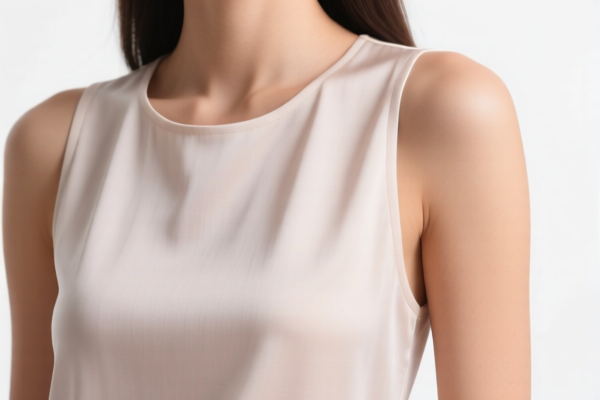

AI Analysis
👗 Girls' Sleeveless Garments of Man-made Fibers
🌐 HS Code Reference & Customs Clearance Guide | 2026 Latest Tariff Analysis | Professional Clearance Strategy
📌 I. Product Definition & Classification: Do You Truly Understand "Girls' Sleeveless Garments"?
Girls' sleeveless garments made from man-made fibers are a significant segment of the global textile trade. In international trade, these items are classified based on their construction method (knitted vs. woven) and specific function (coat, jacket, suit, etc.).
Key Distinction: * Knitted (61xx Series): Items made by knitting or crocheting (e.g., T-shirts, cardigans, pullovers). * Woven (62xx Series): Items made by weaving (e.g., coats, jackets, dresses, trousers).
⚠️ Critical Classification Point:
- If the garment is knitted, it falls under Chapter 61 (e.g.,6110.30.30).
- If the garment is woven, it falls under Chapter 62 (e.g.,6204.33.50).
- Misclassification Risk: Declaring a woven coat as a knitted top (or vice versa) leads to severe penalties and cargo delays.
📦 II. HS Code Classification Details (2026 Latest Tariff Authority)
Based on the provided data for "Girls' Sleeveless Garments of Man-made Fibers", here are the specific HS Codes and their breakdown:
| HS Code | Product Description | Material/Construction | Category Logic |
|---|---|---|---|
| 6201.40.70.00 | Woven Coat/Jacket | Man-made fiber, sleeveless, outerwear. | Matches "Coat, Jacket & Similar Articles" category. |
| 6110.30.30.59 | Knitted Pullover/Cardigan | Man-made fiber, knitted/crocheted. | Matches "Knitted/Crocheted garments" category. |
| 6110.30.30.53 | Knitted Top/Sweater | Man-made fiber, sleeveless, knit. | Matches "Knitted similar articles" category. |
| 6204.33.50.20 | Woven Coat/Jacket (Specific) | Man-made fiber, sleeveless, outerwear. | Matches "Coat/Jacket" category, synthetic fiber focus. |
| 6201.40.20.30 | Woven Outerwear (Residual) | Man-made fiber, sleeveless. | Matches "Outerwear/Cape" residual category logic. |
🔍 Key Reminder:
- Knitted vs. Woven is the primary divider. A sleeveless shirt made of cotton/polyester blend knitted is6110, while one woven is6204or6201. - Sleeveless definition: Garments without sleeves, but potentially having shoulder straps or wide armholes.
💰 III. 2026 Latest Tariff Rate Breakdown (Including Surcharges & Policy Add-ons)
✅ Applicable Country: United States (US)
✅ Origin: China (CN)
✅ Effective Date: 2025-11-10 onwards (Includes subsequent imports)
🎯 1. 6201.40.70.00 —— Woven Coat/Jacket (Sleeveless)
| Item | Content |
|---|---|
| Base Duty | 7.1% |
| Section 301 (Additional) | 7.5% |
| Section 122 (New Add-on) | 10.0% |
| Total Tariff | 24.6% |
| Calculation | CIF Value × 24.6% |
| De Minimis Exemption | ❌ Not Eligible |
| Legal Basis | Section 301: 16 U.S.C. 1301 → Section 122: 19 U.S.C. 3301 |
📌 Explanation:
- Base Duty (7.1%): Standard USMF (Most Favored Nation) rate for woven man-made fiber coats.
- Section 301 (7.5%): The "Trade War" tariff on Chinese textiles.
- Section 122 (10%): A newer punitive tariff targeting specific textile imports.
- Total 24.6%: High cost for woven outerwear.
🎯 2. 6110.30.30.59 —— Knitted Garment (Sleeveless)
| Item | Content |
|---|---|
| Base Duty | 32.0% |
| Section 301 (Additional) | 0.0% |
| Section 122 (New Add-on) | 10.0% |
| Total Tariff | 42.0% |
| Calculation | CIF Value × 42.0% |
| De Minimis Exemption | ❌ Not Eligible |
| Legal Basis | Section 122: 19 U.S.C. 3301 → USITC:6110.30.30.59 |
📌 Explanation:
- Base Duty (32.0%): High base rate for knitted garments of man-made fibers.
- Section 122 (10%): Applies an additional surcharge.
- Total 42.0%: Very High tariff. Knitted items often face higher base duties than woven ones.
🎯 3. 6110.30.30.53 —— Knitted Top (Sleeveless)
| Item | Content |
|---|---|
| Base Duty | 32.0% |
| Section 301 (Additional) | 7.5% |
| Section 122 (New Add-on) | 10.0% |
| Total Tariff | 49.5% |
| Calculation | CIF Value × 49.5% |
| De Minimis Exemption | ❌ Not Eligible |
| Legal Basis | Section 301 + Section 122 |
📌 Explanation:
- This is the highest tariff bracket (49.5%).
- It combines the 32.0% base, 7.5% Section 301, and 10% Section 122.
- Strategy: Avoid this classification if possible; consider alternative products or origin shifts.
🎯 4. 6204.33.50.20 —— Woven Coat/Jacket (Synthetic Focus)
| Item | Content |
|---|---|
| Base Duty | 27.3% |
| Section 301 (Additional) | 7.5% |
| Section 122 (New Add-on) | 10.0% |
| Total Tariff | 44.8% |
| Calculation | CIF Value × 44.8% |
| De Minimis Exemption | ❌ Not Eligible |
| Legal Basis | Section 301 + Section 122 |
📌 Explanation:
- Woven garments in this category face a 27.3% base (higher than6201.40.70).
- Combined with surcharges, the total hits 44.8%.
- Note: The "Synthetic Fiber" focus triggers specific sub-category rules.
🎯 5. 6201.40.20.30 —— Woven Outerwear (Residual Category)
| Item | Content |
|---|---|
| Base Duty | 27.7% |
| Section 301 (Additional) | 7.5% |
| Section 122 (New Add-on) | 10.0% |
| Total Tariff | 45.2% |
| Calculation | CIF Value × 45.2% |
| De Minimis Exemption | ❌ Not Eligible |
| Legal Basis | Section 301 + Section 122 |
📌 Explanation:
- "Residual" or "Catch-all" category (6201.40.20) often carries higher base duties.
- Total 45.2% is extremely high.
- Strategy: Verify if the product fits a lower-rate sub-category (e.g.,6201.40.70.00at 24.6%).
🛠️ IV. Customs Clearance Practical Advice (Avoiding Pitfalls)
✅ 1. Preparation Checklist (Must-Haves)
| Document | Required | Explanation |
|---|---|---|
| ✅ Product Spec Sheet | ✔️ | Must clearly state: "Man-made Fiber" (Polyester/Nylon), Sleeveless, Knitted/Woven. |
| ✅ Construction Diagram | ✔️ | Proof of knitting/weaving process. Essential for distinguishing 61xx vs 62xx. |
| ✅ Photos (Labeled) | ✔️ | Must show: Sleeveless nature, fabric texture (knit vs. weave), and labels. |
| ✅ Fiber Composition Report | ✔️ | Third-party lab report confirming "100% Man-made Fiber" or specific blend. |
| ✅ Commercial Invoice | ✔️ | Must explicitly state "Girls' Sleeveless Garment" + HS Code. |
| ✅ Country of Origin (CO) | ✔️ | Essential for determining Section 301 and Section 122 applicability. |
✅ 2. Declaration Strategy (Key Rules)
🔥 "Know the Weave, Know the Tariff!"
| Scenario | Correct HS Code | Risk of Misclassification |
|---|---|---|
| Knitted Sleeveless Top | 6110.30.30.59 or .53 |
❌ High Risk: If declared as Woven (6204), you underpay, leading to penalties. |
| Woven Sleeveless Coat | 6201.40.70.00 or 6204.33 |
❌ Medium Risk: If declared as Knitted, you overpay unnecessarily. |
| Residual Category | 6201.40.20.30 |
⚠️ Warning: Only use if no specific code fits; highest tax. |
| Mixed Fiber (Cotton + Poly) | Depends on dominant weight | ❌ Critical: If "Man-made" is >50%, apply man-made rules. If not, tariff drops. |
✅ 3. Special Case Handling
| Scenario | Handling Advice |
|---|---|
| "Tee" vs. "Top" | Sleeveless knitted tops are often confused with "T-shirts". Ensure description matches "Garment" not "T-shirt" to avoid specific exclusions. |
| Mixed Materials | If the garment has 50% Cotton + 50% Polyester, it may fall under Cotton rules (6109/6203), which have lower tariffs than pure Man-made. |
| De Minimis (800) | ❌ NOT APPLICABLE. These textiles are subject to full Section 301 and Section 122 surcharges. Do not attempt "low value" exemption. |
| Section 122 | This is a new, specific tariff on textiles. Verify if your supplier is in China or a third country. |
🌍 V. Global Market Comparison (2026)
| Country/Region | Recommended HS Code | Total Tariff (China Origin) | Certifications | Note |
|---|---|---|---|---|
| 🇺🇸 USA | 6110.30.30 / 6201.40 |
24.6% ~ 49.5% | CPC + CPSIA | Section 122 applies. |
| 🇨🇳 China | 6110.30.30 / 6201.40 |
7.1% ~ 27.7% | CCC + GB | No Section 301/122. |
| 🇪🇺 EU | 6110.30.30 / 6201.40 |
0% ~ 12% | CE + REACH | No Section 301/122. |
| 🇯🇵 Japan | 6110.30.30 / 6201.40 |
0% ~ 10% | JIS | No Section 301/122. |
| 🇦🇺 Australia | 6110.30.30 / 6201.40 |
5% ~ 15% | AEC | No Section 301/122. |
📌 Conclusion:
- USA is the most punitive market due to Section 301 and Section 122.
- Tariff Gap: 49.5% (USA) vs. ~10% (EU/Japan).
- Strategy: Consider non-Chinese origin (Vietnam, Bangladesh) to bypass Section 301/122 surcharges.
📌 VI. Common Mistakes & Pitfalls (Lessons Learned)
❌ Mistake 1: Declaring "Sleeveless Shirt" as "T-Shirt" (6109) when it is a "Top" (6110).
👉 Consequence: 6109 has lower base duty; error leads to underpayment → Seizure & Fine.
❌ Mistake 2: Ignoring the "Man-made" distinction.
👉 Consequence: If declared as "Cotton", but actually 100% Polyester, you face Section 301/122 penalties.
❌ Mistake 3: Assuming "Sleeveless" means "Lightweight".
👉 Consequence: If it's a "Coat" (6201), it attracts higher base duties than a "T-shirt".
❌ Mistake 4: Not checking Section 122.
👉 Consequence: Missing the 10% surcharge leads to unexpected cost at port.
✅ Correct Approach:
"Girls' Sleeveless Knitted Top, 100% Polyester, No Sleeves, Model XYZ, CPSIA Compliant"
🎯 VII. Conclusion: Precision is Profit!
🎯 Remember the Mnemonic:
🔹 "Knit vs. Weave, Man-made vs. Cotton!"
🔹 "Section 122 is 10%, Don't Forget the 7.5%!"
🔹 "De Minimis doesn't apply! Check every HS Code!"
📌 Pro Tip:
If your product is originally manufactured in Vietnam, Mexico, or Bangladesh, you can potentially avoid Section 301 and Section 122, reducing tariffs to Base Duty Only (e.g., 7.1% or 32.0%).
Action: Request a Certificate of Origin (CO) and apply for Advance Rulings before shipping.
📣 Immediate Action:
📞 Contact a professional Customs Broker + Provide Fabric Swatch + Apply for HS Code Pre-determination
🚀 Ensure your Girls' Sleeveless Garments pass US customs smoothly, efficiently, and profitably!
✨ Professional Clearance Starts with Accurate Classification!
💼 Every percentage point of tariff is money in your pocket!
Customer Reviews
About HS Code Classification
The Harmonized System (HS) is an internationally standardized nomenclature developed by the World Customs Organization (WCO) to classify traded products. Over 200 countries use the HS system as the basis for customs tariffs, trade statistics, and import/export regulations.
Each HS code follows a hierarchical structure:
- Chapter (2 digits) — Broad category of goods (e.g., Chapter 84: Machinery and Mechanical Appliances)
- Heading (4 digits) — More specific grouping within the chapter
- Subheading (6 digits) — Internationally standardized breakdown, used by all WCO member countries
- National subdivisions (8-10 digits) — Country-specific extensions for further classification, such as US HTSUS 10-digit codes
Correct HS code classification is essential for smooth customs clearance, accurate duty payment, and compliance with trade regulations. Misclassification can lead to customs delays, overpayment of duties, or penalties.
When importing from CN to US, the applicable tariff rates may include:
- Most-Favored-Nation (MFN) rate — The standard duty rate applied to WTO members
- General rate — Applied to countries without trade agreements
- Trade remedy duties — Additional tariffs such as Section 301 (anti-dumping), Section 232 (national security), or countervailing duties
The information provided on this page is for reference purposes only. For official classification, please consult with your local customs authority or a licensed customs broker.