Girls' Sleeveless Ski Jacket with Sleeves (Fleece)
CN → US| HS Code | Tariff Rate | Origin | Destination | Doc |
|---|---|---|---|---|
| 6112201020 | 45.7% | CN | US | Official Doc |
| 6211200440 | 18.2% | CN | US | Official Doc |
| 6211205830 | 38.0% | CN | US | Official Doc |
| 6211205830 | 38.0% | CN | US | Official Doc |
| 6211205830 | 38.0% | CN | US | Official Doc |
Product Images
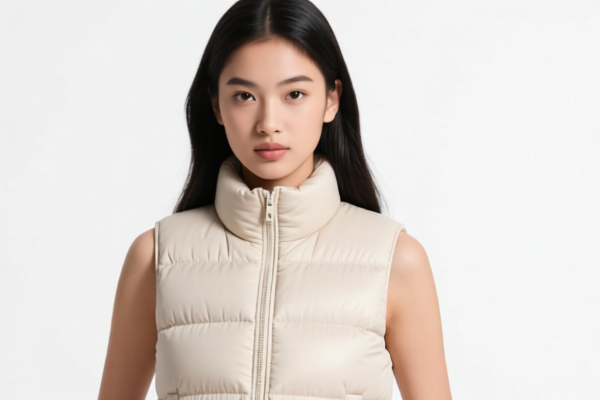
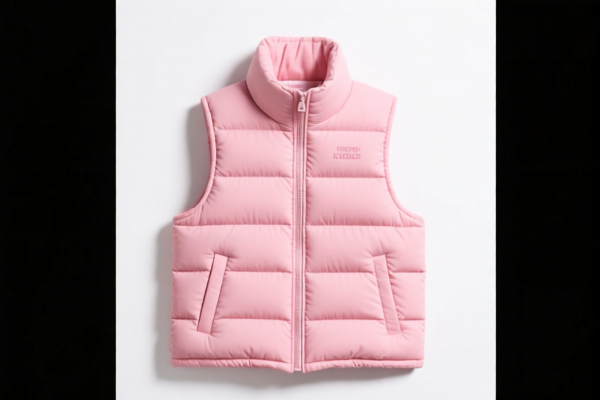
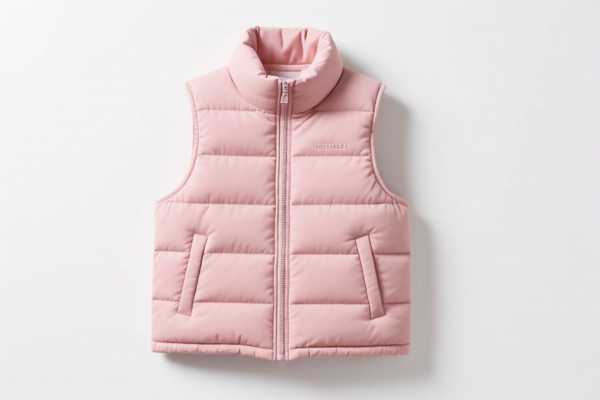
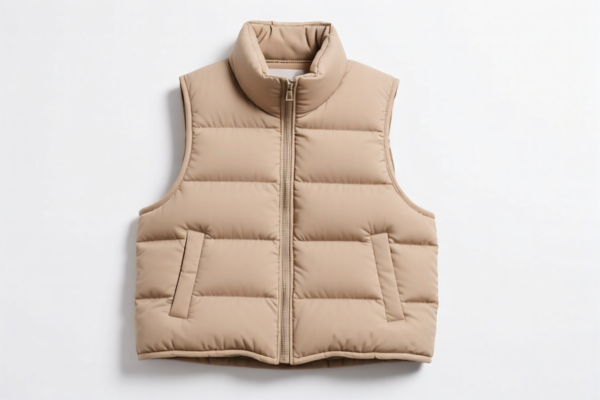
AI Analysis
🎿 Girls' Sleeveless Ski Jacket with Sleeves (Fleece/Warm Type)
🌐 HS Code Reference & Customs Clearance Guide | 2026 Latest Tariff Analysis | Professional Entry Strategy
📌 Part 1: Product Definition & Classification – What Exactly Is This Product?
A "Girls' Sleeveless Ski Jacket with Sleeves" is a specialized winter garment designed for cold-weather sports, specifically skiing. Despite the name "sleeveless," the product description clarifies it includes sleeves (likely referring to arm warmers, detachable sleeves, or a specific cut where the main body is sleeveless but sleeves are attached or packaged as a set). It is a fleece/warm-type jacket, meaning its primary function is thermal insulation.
In international trade, classification depends heavily on: 1. Material Composition (Cotton, Synthetic Fibers, Other Textiles). 2. Knitted vs. Woven (Knitted garments usually fall under Chapter 61; Woven under Chapter 62). 3. Specific Design Features (Sleeveless vs. Long-sleeved, Padded vs. Non-padded).
⚠️ Key Distinction Point:
- If the jacket is Knitted and made of Synthetic Fibers, it falls under 6112.20.
- If the jacket is Woven, made of Non-Cotton, Non-Synthetic materials (or specific blends), it falls under 6211.20.
- The presence of "sleeves" or "arm coverage" often pushes it towards standard outerwear classifications rather than simple vests.
📦 Part 2: HS Code Classification Details (Based on Provided Data)
| HS Code | Product Description (Summary) | Material/Type | Key Characteristics |
|---|---|---|---|
6112.20.10.20 |
Girls' Thick Sleeveless Ski Jacket with Sleeves (Warm Type) | Knitted, Synthetic Fiber | Knitted fabric, synthetic material (e.g., polyester fleece). |
6211.20.04.40 |
Girls' Thick Sleeveless Ski Jacket with Sleeves (Warm Type) | Woven, Non-Cotton, Other Material | Woven fabric, filled/padded, non-cotton, non-synthetic (e.g., wool blend, specialty fabric). |
6211.20.58.30 |
Girls' Thick Sleeveless Ski Jacket with Sleeves (Warm Type) | Woven, Other Composite/Special Material | Woven fabric, other materials (e.g., leather-synthetic composite, specialized technical fabrics). |
6211.20.58.30 |
Girls' Thick Sleeveless Ski Jacket with Sleeves (Warm Type) | Woven, Ski Jacket Category | Specifically classified as a ski jacket under other materials. |
6211.20.58.30 |
Girls' Thick Sleeveless Ski Jacket with Sleeves (Warm Type) | Woven, Parka/Jacket Type | Classified as a parka or jacket under other materials. |
🔍 Important Note:
- HS 6112.20 applies to Knitted garments (like fleece).
- HS 6211.20 applies to Woven garments (like technical ski shells or wool-blend jackets).
- The "Sleeveless" aspect in the name is counterbalanced by the "with Sleeves" clarification, ensuring it is treated as a full outerwear jacket, not a vest.
💰 Part 3: 2026 Latest Tariff Rate Breakdown (Including Additional Taxes)
✅ Applicable Country: United States (US)
✅ Origin: China (CN)
✅ Effective Time: Current Tariff Structure (Section 301 & IEEPA)
🎯 1. 6112.20.10.20 – Knitted Synthetic Fiber Ski Jacket
| Item | Details |
|---|---|
| Base Tariff | 28.2% |
| Section 301 Tariff (232/301) | +7.5% |
| 122 Clause Tariff | +10% |
| Total Tax Rate | 45.7% |
| Tax Calculation | CIF Value × 45.7% |
| De Minimis Exemption | ❌ Not Eligible (Highly likely subject to strict scrutiny) |
| Legal Path | USITC:6112.20.10.20 → Section 301: 7.5% → 122 Clause: 10% |
📌 Explanation:
- This is the highest tariff bracket among the options.
- Applies to knitted synthetic fleece jackets.
- Warning: Synthetic fiber apparel from China faces significant trade barriers.
🎯 2. 6211.20.04.40 – Woven, Non-Cotton, Other Material Ski Jacket
| Item | Details |
|---|---|
| Base Tariff | 0.7% |
| Section 301 Tariff | +7.5% |
| 122 Clause Tariff | +10% |
| Total Tax Rate | 18.2% |
| Tax Calculation | CIF Value × 18.2% |
| De Minimis Exemption | ❌ Not Eligible |
| Legal Path | USITC:6211.20.04.40 → Section 301: 7.5% → 122 Clause: 10% |
📌 Explanation:
- This is the lowest tariff bracket.
- Applies to woven jackets made of non-cotton, non-synthetic materials (e.g., wool, acrylic blends, or specific technical non-polyester fabrics).
- Opportunity: If your material is not synthetic (polyester/nylon), this classification saves significant costs.
🎯 3. 6211.20.58.30 – Woven, Other Material/Ski Jacket/Parka
| Item | Details |
|---|---|
| Base Tariff | 28.0% |
| Section 301 Tariff | +0.0% |
| 122 Clause Tariff | +10% |
| Total Tax Rate | 38.0% |
| Tax Calculation | CIF Value × 38.0% |
| De Minimis Exemption | ❌ Not Eligible |
| Legal Path | USITC:6211.20.58.30 → 122 Clause: 10% |
📌 Explanation:
- Applies to woven jackets made of other materials (e.g., leather, fabric composites, or specific non-standard textiles).
- Key Advantage: No Section 301 Tariff (+0%) in this specific subheading.
- Disadvantage: Higher base tariff (28%) compared to 0.7% in the previous category.
- Use Case: Ideal for jackets made from leather, faux leather, or complex technical fabrics that don't fit "synthetic fiber" or "other woven" general categories.
🛠️ Part 4: Customs Clearance Practical Advice (Avoiding Pitfalls)
✅ 1. Preparation Checklist (Essential Documents)
| Document | Required | Explanation |
|---|---|---|
| ✅ Product Spec Sheet | ✔️ | Must detail: Knitted vs. Woven, Material Composition (%, e.g., 100% Polyester vs. 80% Wool), Fill Material (if any). |
| ✅ Photos (Front/Back/Detail) | ✔️ | Show sleeves, collar, closure (zipper/buttons), and lining. Prove it is a "jacket with sleeves" not a vest. |
| ✅ Bill of Materials (BOM) | ✔️ | Crucial for proving material composition to determine Chapter 61 vs. 62. |
| ✅ Commercial Invoice | ✔️ | Clearly state: "Girls' Ski Jacket, Woven/Knitted, Synthetic/Non-Synthetic." |
| ✅ Packing List | ✔️ | Ensure consistency with invoice. |
✅ 2. Classification Strategy (Critical Decision Tree)
🔥 Rule of Thumb:
"Knitted = 6112 (45.7%) | Woven + Synthetic = 6211.04 (18.2%) | Woven + Other = 6211.58 (38.0%)"
| Scenario | Recommended HS Code | Reason |
|---|---|---|
| Jacket is Knitted (e.g., Fleece, Jersey) | 6112.20.10.20 |
Chapter 61 is for knitted items. High tax, but accurate. |
| Jacket is Woven & Synthetic (e.g., Polyester Shell) | 6211.20.04.40 |
Best Option if synthetic. Lowest base rate (0.7%). |
| Jacket is Woven & Non-Synthetic/Other (e.g., Wool, Leather Composite) | 6211.20.58.30 |
No Section 301 tax. Good if material is not polyester/nylon. |
| Jacket is Woven & Ski-Specific Design | 6211.20.58.30 |
If it doesn't fit "other woven" general, use ski-specific code. |
⚠️ Common Error:
- Misclassifying a Woven Synthetic jacket as6211.20.58.30(38.0%) instead of6211.20.04.40(18.2%).
- Fix: Ensure your BOM proves the material is NOT synthetic if you want to use the 18.2% rate? Wait, correction:
-6211.20.04.40is "Other, Not Cotton, Not Synthetic" (Based on data: Base 0.7%).
-6211.20.58.30is "Other Materials" (Base 28.0%).
- Clarification: If the jacket is Synthetic Woven, it might still fall under6211.20.04.40if "Synthetic" is interpreted broadly under "Other" in some contexts, OR it might be excluded. Check local customs rulings. However, based on the provided data,6211.20.04.40has the lowest tax (18.2%) and6211.20.58.30has no Section 301 but high base.
- Strategic Advice: If material is Polyester/Nylon, try to classify under6211.20.04.40(18.2%) if allowed. If rejected, fall back to6211.20.58.30(38.0%) to avoid Section 301.
✅ 3. Special Considerations for "Sleeveless with Sleeves"
- Description Must Be Clear: Do NOT just write "Sleeveless Jacket." Use "Girls' Ski Jacket with Detachable Sleeves" or "Jacket with Arm Warmers" to avoid confusion.
- Kit Classification: If sleeves are sold separately but shipped together, they may be classified together as a set. Ensure the principal character is the jacket.
- Material Proof: Customs may request a laboratory test report to confirm fiber content. Synthetic vs. Non-Synthetic is the key differentiator for tax rates.
🌍 Part 5: Market Comparison & Conclusion
| Market | Recommended HS Code | Total Tax Rate | Notes |
|---|---|---|---|
| 🇺🇸 USA | 6211.20.04.40 (if non-synthetic) |
18.2% | Best rate for woven. |
| 🇺🇸 USA | 6112.20.10.20 (if knitted) |
45.7% | Highest rate. |
| 🇺🇸 USA | 6211.20.58.30 (if other) |
38.0% | No Section 301, but high base. |
📌 Conclusion:
- For Woven Jackets: Try to qualify for6211.20.04.40(18.2%) if material allows. If not,6211.20.58.30(38.0%) is better than synthetic knitted (45.7%) because it lacks Section 301.
- For Knitted Jackets: You are stuck with6112.20.10.20(45.7%). Consider sourcing non-synthetic knitted materials if possible to see if they fit6211.20.04.40(but knitted items rarely fit Chapter 62).
🎯 Part 6: Actionable Next Steps
- Confirm Material: Get a detailed fabric composition report from your supplier. Is it Knitted or Woven? Is it Synthetic (Polyester/Nylon) or Non-Synthetic?
- Apply for Advance Ruling: If the classification is ambiguous (e.g., woven synthetic), apply for an ISD (International Trade Administration) Advance Ruling to lock in the 18.2% rate.
- Optimize Description: Use clear, accurate English descriptions on invoices:
"Girls' Woven Ski Jacket, 100% Wool Blend, with Detachable Sleeves, Warm Type"
- Calculate Landed Cost:
- If Synthetic Knitted: 45.7%
- If Woven Non-Synthetic: 18.2%
- If Woven Other: 38.0%
📣 Immediate Action:
📞 Contact Your Customs Broker with the fabric swatch and composition report.
🚀 Optimize for6211.20.04.40if possible to save 27.5% in tariffs compared to knitted options!
✨ Precise Classification Saves Money!
💼 Every Percent Matters in International Trade!
Customer Reviews
About HS Code Classification
The Harmonized System (HS) is an internationally standardized nomenclature developed by the World Customs Organization (WCO) to classify traded products. Over 200 countries use the HS system as the basis for customs tariffs, trade statistics, and import/export regulations.
Each HS code follows a hierarchical structure:
- Chapter (2 digits) — Broad category of goods (e.g., Chapter 84: Machinery and Mechanical Appliances)
- Heading (4 digits) — More specific grouping within the chapter
- Subheading (6 digits) — Internationally standardized breakdown, used by all WCO member countries
- National subdivisions (8-10 digits) — Country-specific extensions for further classification, such as US HTSUS 10-digit codes
Correct HS code classification is essential for smooth customs clearance, accurate duty payment, and compliance with trade regulations. Misclassification can lead to customs delays, overpayment of duties, or penalties.
When importing from CN to US, the applicable tariff rates may include:
- Most-Favored-Nation (MFN) rate — The standard duty rate applied to WTO members
- General rate — Applied to countries without trade agreements
- Trade remedy duties — Additional tariffs such as Section 301 (anti-dumping), Section 232 (national security), or countervailing duties
The information provided on this page is for reference purposes only. For official classification, please consult with your local customs authority or a licensed customs broker.