Girls' Sleeveless Warm Ski Jacket (Breathable)
CN → US| HS Code | Tariff Rate | Origin | Destination | Doc |
|---|---|---|---|---|
| 6210205020 | 24.6% | CN | US | Official Doc |
| 6210305020 | 24.6% | CN | US | Official Doc |
| 6112201020 | 45.7% | CN | US | Official Doc |
| 6211200440 | 18.2% | CN | US | Official Doc |
| 6211205830 | 38.0% | CN | US | Official Doc |
Product Images
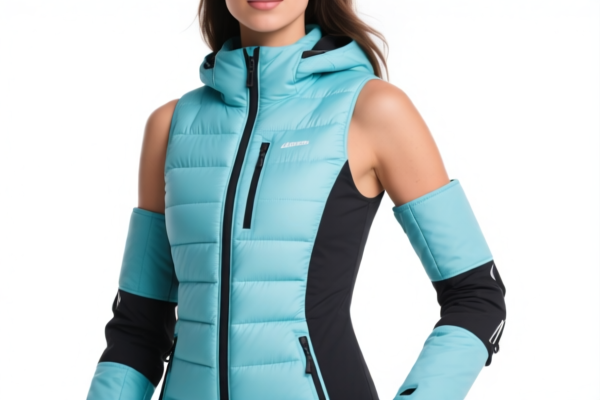
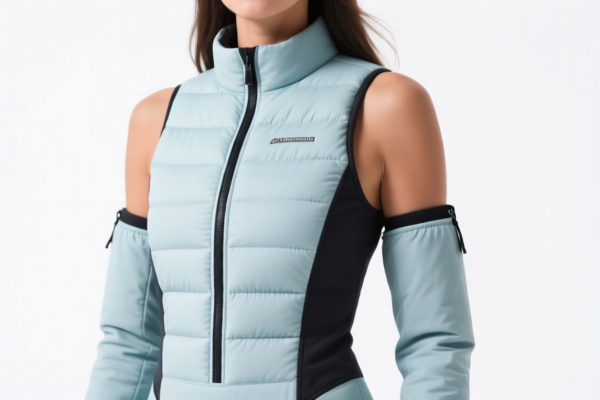
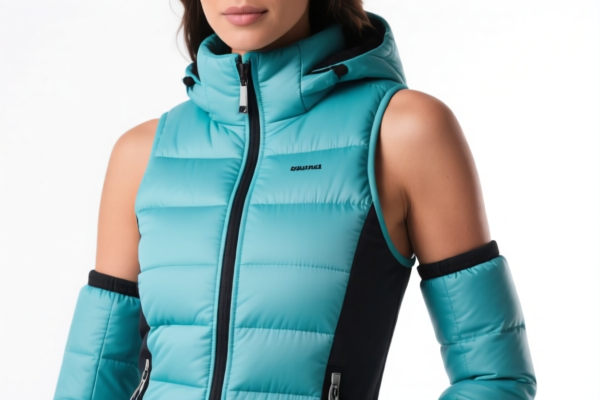
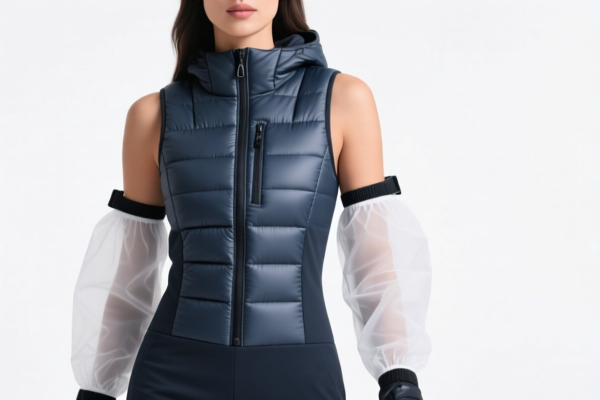
AI Analysis
👗 Girls' Sleeveless Warm Ski Jacket (Breathable)
🌐 HS Code Reference & Customs Clearance Guide | 2026 Latest Tariff Analysis | Professional Compliance Strategy
📌 I. Product Definition & Classification: Do You Really Understand "Ski Jackets"?
Girls' sleeveless warm ski jackets are specialized outerwear designed for winter sports, prioritizing thermal retention and breathability without restricting arm movement. In international trade, classification depends heavily on three factors: 1. Knitting vs. Woven: Is it knitted (elastic/stretch) or woven (structured)? 2. Material Composition: Is it synthetic fibers, man-made fibers, or other blends? 3. Construction: Is it lined/padded, or is it a simple shell?
⚠️ Key Distinction Points:
- Woven + No Fill/Lined: If it’s a simple windproof shell without significant padding, it falls under Chapter 62.
- Knitted: If the fabric is knitted (like a sweater material but for outerwear), it falls under Chapter 61.
- Padded/Insulated: If it contains filling (down, synthetic batting, etc.) or is heavily lined for warmth, it may shift to 6211.20 or require specific material codes.
📦 II. HS Code Classification Details (2026 Latest Tariff Authority对照)
| HS Code | Product Description | Applicable Scenario | Material Type | Knitting Status |
|---|---|---|---|---|
6210.20.50.20 |
Woven jackets of textiles of fabric of heading 56.02, 56.03, 59.03, 59.06, or 59.07 | Thin, breathable ski shells; non-insulated | Man-Made Fibers | ❌ Woven |
6210.30.50.20 |
Other woven garments | Synthetic fiber ski jackets; standard windproof layers | Synthetic Fibers | ❌ Woven |
6112.20.10.20 |
Knitted or crocheted tracksuits, ski suits, and swimwear | Thickened, knitted warm ski jackets; elastic fit | Man-Made Fibers | ✅ Knitted |
6211.20.04.40 |
Other garments, women's or girls', of other textile materials | Thickened, padded, non-cotton, special material classification | Other/Blend | ❌ Woven (with fill) |
6211.20.58.30 |
Other garments, women's or girls', of other textile materials | Non-cotton, non-chemical fiber; composite/special warm materials | Other/Composite | ❌ Woven |
🔍 Key Reminder:
- "Breathable" often implies a woven membrane fabric (like Gore-Tex style), which typically falls under 6210.xxxx.
- "Warm/Thickened" implies insulation or lining. If knitted, use 6112.20.10.20. If woven and padded, look at 6211.20.
- Material matters: "Man-made" vs. "Synthetic" can trigger different sub-headings depending on the exact fiber content (e.g., polyester vs. nylon vs. recycled PET).
💰 III. 2026 Latest Tariff Rate Details (Including Surcharges & Policy Add-ons)
✅ Applicable Country: United States (US)
✅ Origin: China (CN)
✅ Effective Date: 2025 November 10 onwards (including subsequent imports)
🎯 1. 6210.20.50.20 —— Woven Man-Made Fiber Ski Shells
| Item | Detail |
|---|---|
| Base Rate | 7.1% (ad valorem) |
| Section 301 Surcharge | +7.5% (USITC Footnote for Chapter 62) |
| Section 122 Tariff | +10% (Specific provision for certain apparel/textiles) |
| Total Rate | 24.6% |
| Calculation | CIF Value × 24.6% |
| De Minimis Exemption | ❌ Not Eligible (Deny de_minimis) |
| Legal Path | Base: 7.1% → 301: +7.5% → Sec 122: +10% |
📌 Explanation:
- This code applies to woven jackets made from man-made fibers (like polyester or nylon) that are not filled/padded but may have a waterproof/breathable membrane.
- The 24.6% total rate is significant. It includes base duty, Section 301 tariffs, and the specific Section 122 add-on for apparel.
🎯 2. 6210.30.50.20 —— Woven Synthetic Fiber Ski Shells
| Item | Detail |
|---|---|
| Base Rate | 7.1% |
| Section 301 Surcharge | +7.5% |
| Section 122 Tariff | +10% |
| Total Rate | 24.6% |
| Calculation | CIF Value × 24.6% |
| De Minimis Exemption | ❌ Not Eligible |
| Legal Path | Same as above |
📌 Note:
- Similar to6210.20.50.20, but for synthetic fibers (may differ in fiber subtype).
- Same tax burden: 24.6%.
🎯 3. 6112.20.10.20 —— Knitted Thickened Warm Ski Jackets
| Item | Detail |
|---|---|
| Base Rate | 28.2% |
| Section 301 Surcharge | +7.5% |
| Section 122 Tariff | +10% |
| Total Rate | 45.7% |
| Calculation | CIF Value × 45.7% |
| De Minimis Exemption | ❌ Not Eligible |
| Legal Path | Base: 28.2% → 301: +7.5% → Sec 122: +10% |
📌 Warning:
- Knitted items generally face higher base duties (28.2% vs. 7.1%) because they are treated more like garments than technical shells.
- This is the highest tax bracket in this list at 45.7%.
- Only use this if the jacket is knitted (stretchy, like athletic wear).
🎯 4. 6211.20.04.40 —— Thickened Padded Jackets (Non-Cotton)
| Item | Detail |
|---|---|
| Base Rate | 0.7% |
| Section 301 Surcharge | +7.5% |
| Section 122 Tariff | +10% |
| Total Rate | 18.2% |
| Calculation | CIF Value × 18.2% |
| De Minimis Exemption | ❌ Not Eligible |
| Legal Path | Base: 0.7% → 301: +7.5% → Sec 122: +10% |
📌 Opportunity:
- If the jacket is padded/insulated and falls under this specific "other material" category, the base rate is very low (0.7%).
- Total tax is 18.2%, which is the lowest in the list.
- Caution: Must ensure the material truly fits "Other textile materials" and not standard synthetic/man-made. Misclassification can lead to penalties.
🎯 5. 6211.20.58.30 —— Composite/Special Warm Jackets
| Item | Detail |
|---|---|
| Base Rate | 28.0% |
| Section 301 Surcharge | +0.0% (Note: Section 122 applies) |
| Section 122 Tariff | +10% |
| Total Rate | 38.0% |
| Calculation | CIF Value × 38.0% |
| De Minimis Exemption | ❌ Not Eligible |
| Legal Path | Base: 28.0% → Sec 122: +10% |
📌 Analysis:
- For non-cotton, non-chemical fiber blends or composite materials.
- No Section 301 surcharge (+0.0%), but high base rate (28.0%) + Section 122 (10%) = 38.0%.
- Useful for niche materials (e.g., wool blends, specialty fabrics).
🛠️ IV. Customs Clearance Practical Advice (Battle-Tested Pitfall Guide)
✅ 1. Preparation Checklist (Non-Negotiable)
| Document | Required | Notes |
|---|---|---|
| ✅ Product Spec Sheet | ✔️ | Must specify: Woven vs. Knitted, Fill material, Breathability tech |
| ✅ Fabric Swatch/Composition | ✔️ | Proof of "Man-Made" vs. "Synthetic" vs. "Other" |
| ✅ Product Photos | ✔️ | Show sleeveless design, zipper, lining, breathability features |
| ✅ Commercial Invoice | ✔️ | Describe as: "Girls' Sleeveless Ski Jacket, Woven, Breathable" |
| ✅ Origin Certificate | ✔️ | China origin triggers all surcharges |
| ✅ Packing List | ✔️ | Ensure no separate parts are declared incorrectly |
✅ 2. Declaration Tips (Key Mnemonics)
🔥 “Woven Shell = 6210, Knitted Warm = 6112, Padded Niche = 6211”
| Scenario | Correct HS Code | Wrong Action |
|---|---|---|
| Thin, breathable, woven shell | 6210.20.50.20 or 6210.30.50.20 |
Misdeclare as knitted → 45.7% |
| Thickened, knitted, warm | 6112.20.10.20 |
Misdeclare as woven → 18.2% or 24.6% (underpay) |
| Padded, special material | 6211.20.04.40 |
Misdeclare as standard synthetic → 24.6% |
| Composite/special fabric | 6211.20.58.30 |
N/A |
⚠️ Critical:
- "Breathable" usually means woven membrane → Check6210.
- "Warm" often means padded/lined → Check6211.
- "Knitted" means stretchy/knit fabric → Check6112.
✅ 3. Special Case Handling
| Case | Handling Advice |
|---|---|
| OEM Custom Ski Jackets | Provide design files + fabric composition report to justify "Special Material" code |
| Mixed Material Jackets | Use the principal material rule. If >50% synthetic, use 6210.30. |
| Breathability Certification | Attach test reports (e.g., RET value) to prove "breathable" if challenged |
| "Ski Jacket" vs. "Coat" | Clarify in description: "For Winter Sports" to avoid classification as general outerwear |
🌍 V. Global Market Comparison (2026 Latest)
| Country/Region | Recommended HS Code | Tariff (China Origin) | Certifications | Notes |
|---|---|---|---|---|
| 🇺🇸 USA | 6210.20.50.20 |
24.6% | No special certs | High tariffs due to Sec 301 & 122 |
| 🇨🇳 China | 6210.20.50.20 |
7.1% | CCC (if applicable) | Base rate only |
| 🇪🇺 EU | 6210.20.50.20 |
12% | CE (if smart tech) | No Section 301/122 |
| 🇨🇦 Canada | 6210.20.50.20 |
17.5% | No special certs | CUSMA rules apply |
| 🇯🇵 Japan | 6210.20.50.20 |
16% | PSE (if electronic) | No additional surcharges |
📌 Conclusion:
- USA has the highest effective tariff (24.6%+) due to multiple layers of surcharges.
- China, EU, Canada, Japan do not apply Section 301 or Section 122.
- Cost Optimization: Consider sourcing from Vietnam, Bangladesh, or Indonesia to avoid Section 301/122 tariffs in the US.
📌 VI. Common Mistakes & Pitfalls (Lessons Learned)
❌ Mistake 1: Declaring a knitted jacket as woven to save tax
👉 Consequence: Underpayment penalty + Back taxes + Seizure Risk
(Knitted is 45.7%, Woven is 24.6% –海关 will check fabric structure!)
❌ Mistake 2: Ignoring "Breathable" fabric technology
👉 Consequence: If it’s a membrane fabric, it must be 6210.20 or 6210.30. Misdeclaring as 6211 could be seen as fraud.
❌ Mistake 3: Not specifying "Sleeveless"
👉 Consequence: May be classified as general women’s/girls’ coats (6204.42 etc.), which have different rates. Always be specific.
❌ Mistake 4: Using generic "Jacket" in description
👉 Consequence: Customs may apply default highest rate or request sample for classification.
✅ Correct Practice:
"Girls' Sleeveless Ski Jacket, Woven, Polyester/Nylon Blend, Breathable Membrane, Unlined, Model XYZ"
🎯 VII. Conclusion: Precision Classification Saves Money!
🎯 Remember the Mnemonic:
🔹 "Woven Breathable = 6210 (24.6%), Knitted Warm = 6112 (45.7%), Padded Niche = 6211 (18.2%-38.0%)
🔹 "HS Code is Destiny, Tax Difference is Huge!"
📌 Pro Tip:
If your jacket uses special composite materials or non-standard fills, consult a customs broker to see if 6211.20.04.40 (18.2%) is applicable. It’s the cheapest option but requires strict material justification.
📣 Immediate Action:
📞 Contact your customs broker with fabric swatches and product photos.
📝 Apply for a Pre-Ruling (Advance Ruling) if shipping large volumes.
🚀 Clear Customs Smoothly, Boost Profits!
✨ Professional Clearance Starts with Accurate Classification!
💼 Every Dollar of Tariff is Calculated!
Customer Reviews
About HS Code Classification
The Harmonized System (HS) is an internationally standardized nomenclature developed by the World Customs Organization (WCO) to classify traded products. Over 200 countries use the HS system as the basis for customs tariffs, trade statistics, and import/export regulations.
Each HS code follows a hierarchical structure:
- Chapter (2 digits) — Broad category of goods (e.g., Chapter 84: Machinery and Mechanical Appliances)
- Heading (4 digits) — More specific grouping within the chapter
- Subheading (6 digits) — Internationally standardized breakdown, used by all WCO member countries
- National subdivisions (8-10 digits) — Country-specific extensions for further classification, such as US HTSUS 10-digit codes
Correct HS code classification is essential for smooth customs clearance, accurate duty payment, and compliance with trade regulations. Misclassification can lead to customs delays, overpayment of duties, or penalties.
When importing from CN to US, the applicable tariff rates may include:
- Most-Favored-Nation (MFN) rate — The standard duty rate applied to WTO members
- General rate — Applied to countries without trade agreements
- Trade remedy duties — Additional tariffs such as Section 301 (anti-dumping), Section 232 (national security), or countervailing duties
The information provided on this page is for reference purposes only. For official classification, please consult with your local customs authority or a licensed customs broker.