Girls' Suit Pants Set
CN → US| HS Code | Tariff Rate | Origin | Destination | Doc |
|---|---|---|---|---|
| 6209303020 | 33.5% | CN | US | Official Doc |
| 6111305020 | 33.5% | CN | US | Official Doc |
| 6109100014 | 34.0% | CN | US | Official Doc |
| 6209205035 | 26.8% | CN | US | Official Doc |
| 6111206020 | 25.6% | CN | US | Official Doc |
Product Images
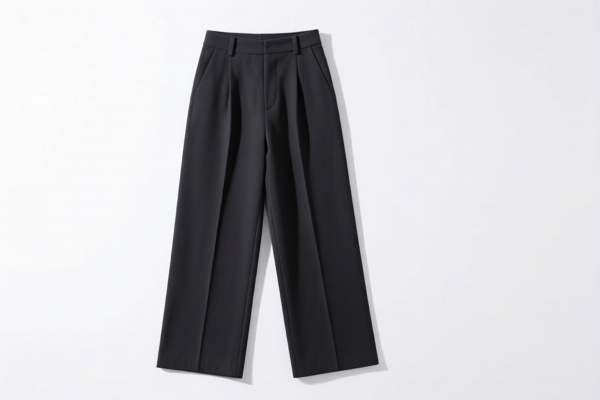
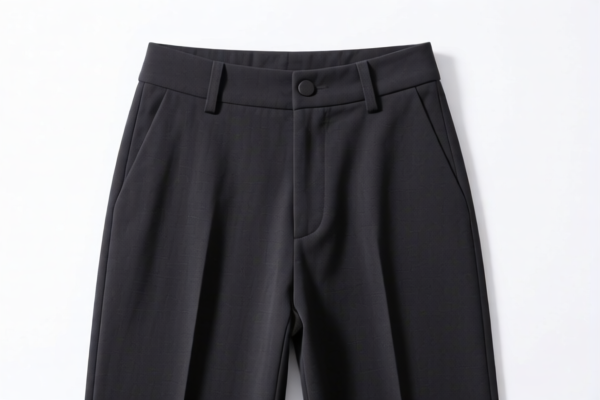
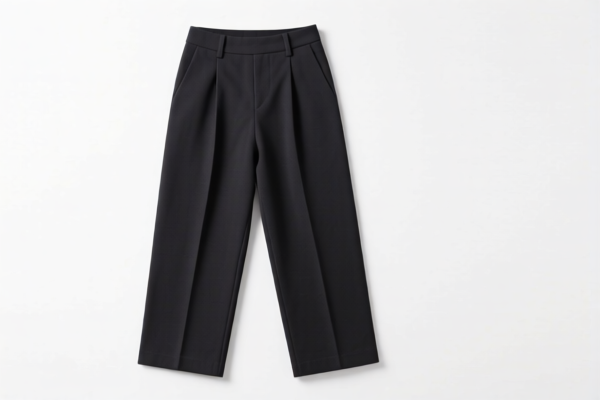
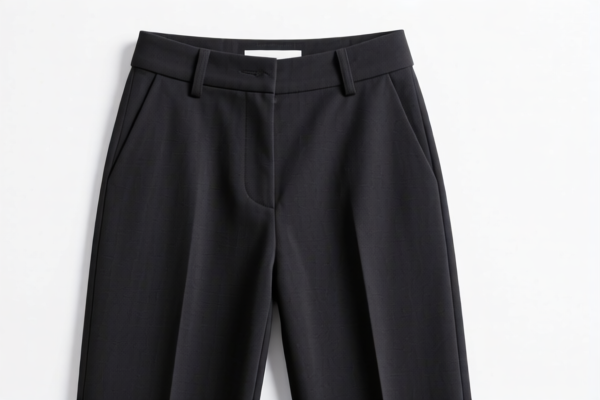
AI Analysis
👗 Girls' Suit Pants Set (Children’s Outerwear)
🌐 HS Code Reference & Customs Clearance Guide | 2026 Latest Tariff Analysis | Professional Strategy for Children’s Apparel
📌 I. Product Definition & Classification: Understanding the "Suit Pants Set"
A Girls' Suit Pants Set typically refers to a coordinated set of clothing items, usually consisting of a jacket (or top) and trousers, designed for girls. In international trade, the classification depends heavily on the fabric composition, knitted vs. woven nature, and whether it is intended for infants or older children.
Key Distinctions: - Woven vs. Knitted: Is the fabric woven (like suiting fabric) or knitted/crocheted (like jersey)? - Age Group: Is it for infants (under 2 years) or older children? This drastically changes the HS Code chapter. - Material: Cotton, Synthetic Fibers (Polyester/Nylon), or Other Textiles?
⚠️ Critical Classification Point:
- If Infant (≤2 years) & Knitted/Crocheted → Chapter 61, Heading 6111
- If Older Child (>2 years) & Woven → Chapter 62, Heading 6209
- If Older Child (>2 years) & Knitted/Crocheted → Chapter 61, Heading 6109 or 6111 depending on type
📦 II. HS Code Classification Details (2026 Latest Tariff Authority Comparison)
| HS Code | Product Description | Application Scenario | Fabric/Material Inference | Age Group |
|---|---|---|---|---|
6209.30.30.20 |
Woven suits, ensembles, etc., of synthetic fibers, for boys' or girls' infants | Infant suits, coordinated woven sets | Synthetic Fibers (e.g., Polyester) | Infant (≤2 yrs) |
6111.30.50.20 |
Knitted or crocheted suits, ensembles, etc., of synthetic fibers, for infants | Infant knitted sets, jersey suits | Synthetic Fibers (e.g., Polyester) | Infant (≤2 yrs) |
6109.10.00.14 |
T-shirts, singlets, and other vests, knitted or crocheted, of cotton | Note: Often misapplied; if set is knitted cotton for older kids, may fall here or 6111 | Cotton | Older Child |
6209.20.50.35 |
Woven suits, ensembles, etc., of cotton, for infants | Infant cotton suits, formal wear | Cotton | Infant (≤2 yrs) |
6111.20.60.20 |
Knitted or crocheted suits, ensembles, etc., of cotton, for infants | Infant cotton knitted sets | Cotton | Infant (≤2 yrs) |
🔍 Key Reminder:
- Infant Clothing (Chapter 61/62): Items designed for children under 2 years. These have specific HS codes regardless of whether they are single pieces or sets. - Synthetic vs. Cotton: Synthetics (Polyester, Nylon) attract higher tariffs in the US market compared to Cotton. - "Suit" Definition: A "suit" implies a jacket/coat and trousers sold together as a matched set.
💰 III. 2026 Latest Tariff Rate Breakdown (Including Additional Taxes, Policy Surcharges)
✅ Applicable Country: United States (US)
✅ Origin: China (CN)
✅ Effective Date: November 10, 2025 (and subsequent imports)
🎯 1. 6209.30.30.20 & 6111.30.50.20 — Synthetic Fiber Infants’ Suits (Woven/Knitted)
| Item | Content |
|---|---|
| Base Duty Rate | 16.0% (ad valorem) |
| Section 301 Additional Duty | +7.5% |
| IEEPA Section 122 Tariff | +10% |
| Total Duty Rate | 33.5% |
| Tax Calculation | CIF Value × 33.5% |
| De Minimis Eligibility | ❌ Not Eligible (deny_de_minimis) |
| Legal Basis Path | USITC:6209.30.30.20 → FOOTNOTE:301 → IEEPA:9903.01.24 |
📌 Explanation:
- Base 16%: Standard MFN rate for synthetic infant apparel. - 7.5% (Section 301): Additional tariff on Chinese-made apparel. - 10% (IEEPA 122): New tariff under International Emergency Economic Powers Act for specific Chinese goods. - Total 33.5%: This is a high tariff bracket. Synthetic fibers attract higher duties than cotton.
🎯 2. 6109.10.00.14 — Knitted Cotton T-shirts/Suits (Older Children)
| Item | Content |
|---|---|
| Base Duty Rate | 16.5% (ad valorem) |
| Section 301 Additional Duty | +7.5% |
| IEEPA Section 122 Tariff | +10% |
| Total Duty Rate | 34.0% |
| Tax Calculation | CIF Value × 34.0% |
| De Minimis Eligibility | ❌ Not Eligible |
| Legal Basis Path | USITC:6109.10.00.14 → FOOTNOTE:301 → IEEPA:9903.01.24 |
📌 Note:
- If the set is knitted cotton for older children, it may fall under this or similar headings. - Slightly higher base rate (16.5%) compared to woven synthetics.
🎯 3. 6209.20.50.35 & 6111.20.60.20 — Cotton Infants’ Suits (Woven/Knitted)
| Item | Content |
|---|---|
| Base Duty Rate | 9.3% / 8.1% (ad valorem) |
| Section 301 Additional Duty | +7.5% |
| IEEPA Section 122 Tariff | +10% |
| Total Duty Rate | 26.8% / 25.6% |
| Tax Calculation | CIF Value × 26.8% (Woven) or 25.6% (Knitted) |
| De Minimis Eligibility | ❌ Not Eligible |
| Legal Basis Path | USITC:6209.20.50.35 → FOOTNOTE:301 → IEEPA:9903.01.24 |
📌 Advantage:
- Cotton attracts lower base tariffs than synthetic fibers. - Woven Cotton: 26.8% Total - Knitted Cotton: 25.6% Total - Savings: ~8% lower than synthetic fiber sets!
🛠️ IV. Customs Clearance Practical Advice (实战避坑指南)
✅ 1. Document Checklist (Must-Have)
| Document | Required | Description |
|---|---|---|
| ✅ Product Specification Sheet | ✔️ | Material composition (e.g., 100% Cotton), care label, age range |
| ✅ Photos of Set | ✔️ | Show jacket + pants matched, including tags and packaging |
| ✅ Commercial Invoice | ✔️ | Clearly state "Girls' Suit Pants Set, Cotton, Infant" |
| ✅ Packing List | ✔️ | Quantity, weight, dimensions |
| ✅ Certificate of Origin (CO) | ✔️ | If claiming preferential rates (not applicable for China-US in most cases) |
| ✅ Lab Test Report | ✔️ | CPSIA compliance for US infants (lead, phthalates, etc.) |
✅ 2. Declaration Tips (Key Mantra)
🔥 "Cotton Saves, Synthetic Costs, Infant Codes Are Strict!"
| Scenario | Correct Declaration | Wrong Practice |
|---|---|---|
| Infant Woven Suit (Synthetic) | 6209.30.30.20 |
Misdeclare as adult clothing → Higher penalty |
| Infant Knitted Suit (Cotton) | 6111.20.60.20 |
Misdeclare as synthetic → 33.5% instead of 25.6% |
| Older Child Set | Check Chapter 61/62 | Use infant codes → Customs rejection |
| Mixed Material Set | Declare predominant fiber | Vague description → Customs audit |
✅ 3. Special Situations
| Situation | Handling Advice |
|---|---|
| OEM Custom Sets | Provide design sketches + fabric swatches to prove material |
| Sets with Accessories | Declare main item; accessories (belts, ties) should be included or separately declared if significant |
| Infant vs. Child | Age is critical. If >2 years, codes change to Chapter 61/62 non-infant headings |
| Polyester-Cotton Blend | Classify by weight. If >50% synthetic → Synthetic rate (33.5%) |
🌍 V. Global Market Clearance Comparison (2026 Latest)
| Country/Region | Recommended HS Code | Duty Rate (China Origin) | Certification Requirements | Notes |
|---|---|---|---|---|
| 🇺🇸 USA | 6111.20.60.20 (Cotton) |
25.6% | CPSIA, ASTM F963 | Higher for synthetics (33.5%) |
| 🇪🇺 EU | 6111.20.60.20 |
0% - 12% | CE, REACH | No Section 301/IEEPA |
| 🇬🇧 UK | 6111.20.60.20 |
0% - 12% | UKCA, REACH | Post-Brexit rules apply |
| 🇨🇦 Canada | 6111.20.60.20 |
0% (if under CAFTA) | Health Canada | Free trade with many partners |
| 🇦🇺 Australia | 6111.20.60.20 |
5% | ACCC, Labelling | No major surcharges |
📌 Conclusion:
- USA is the most expensive market due to Section 301 (7.5%) and IEEPA (10%) surcharges. - EU/UK have no such surcharges, making them more cost-effective for Chinese-made apparel. - Cotton is always cheaper than Synthetic in the US market.
📌 VI. Common Errors & Pitfalls (Lessons Learned)
❌ Error 1: Declaring Infant Suits as "Adult Clothing"
👉 Consequence: Misclassification → Fines + Back Duties
❌ Error 2: Ignoring Material Composition
👉 Consequence: Declaring Cotton when it’s Polyester → 33.5% vs 25.6% → 8% Overpayment!
❌ Error 3: Not Providing Age Specification
👉 Consequence: Customs cannot determine if it’s Chapter 61/62 Infant → Hold & Inspection
❌ Error 4: Failing to Comply with CPSIA (US Only)
👉 Consequence: Detention + Rejection at US border for infant clothing
✅ Correct Practice:
"Girls' Cotton Knitted Suit Set, Infant (Under 24 Months), 100% Cotton, Compliant with CPSIA, Model XYZ, HS 6111.20.60.20"
🎯 VII. Conclusion: Smart Classification, Cost Optimization!
🎯 Remember the Mantra:
🔹 "Cotton is King, Synthetics Sting, Infant Codes Are Tight!"
🔹 "US Market: 25.6% for Cotton, 33.5% for Synthetic – Choose Wisely!"
📌 Pro Tip:
If your girls' suit pants set is manufactured in Vietnam, Bangladesh, or India, you may qualify for lower or zero tariffs in the US under various trade agreements.
Consider supply chain diversification to mitigate the 33.5% tariff burden.
📣 Take Action Now:
📞 Consult a Professional Customs Broker
📸 Provide Product Photos + Fabric Swatches
🚀 Ensure Compliance, Avoid Delays, Maximize Profits!
✨ Professional Clearance Starts with Accurate Classification!
💼 Every Percent Saved is Profit Earned!
Customer Reviews
About HS Code Classification
The Harmonized System (HS) is an internationally standardized nomenclature developed by the World Customs Organization (WCO) to classify traded products. Over 200 countries use the HS system as the basis for customs tariffs, trade statistics, and import/export regulations.
Each HS code follows a hierarchical structure:
- Chapter (2 digits) — Broad category of goods (e.g., Chapter 84: Machinery and Mechanical Appliances)
- Heading (4 digits) — More specific grouping within the chapter
- Subheading (6 digits) — Internationally standardized breakdown, used by all WCO member countries
- National subdivisions (8-10 digits) — Country-specific extensions for further classification, such as US HTSUS 10-digit codes
Correct HS code classification is essential for smooth customs clearance, accurate duty payment, and compliance with trade regulations. Misclassification can lead to customs delays, overpayment of duties, or penalties.
When importing from CN to US, the applicable tariff rates may include:
- Most-Favored-Nation (MFN) rate — The standard duty rate applied to WTO members
- General rate — Applied to countries without trade agreements
- Trade remedy duties — Additional tariffs such as Section 301 (anti-dumping), Section 232 (national security), or countervailing duties
The information provided on this page is for reference purposes only. For official classification, please consult with your local customs authority or a licensed customs broker.