Girls' Summer Overalls
CN → US| HS Code | Tariff Rate | Origin | Destination | Doc |
|---|---|---|---|---|
| 6204630350 | 32.4% | CN | US | Official Doc |
| 6204620550 | 26.4% | CN | US | Official Doc |
| 6104621030 | 27.8% | CN | US | Official Doc |
| 6104621010 | 27.8% | CN | US | Official Doc |
| 6111301000 | 45.7% | CN | US | Official Doc |
Product Images
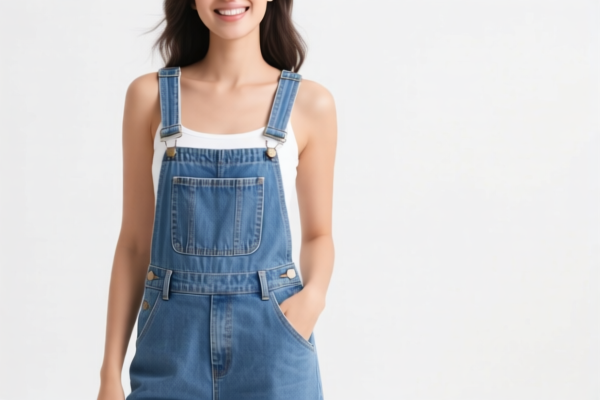
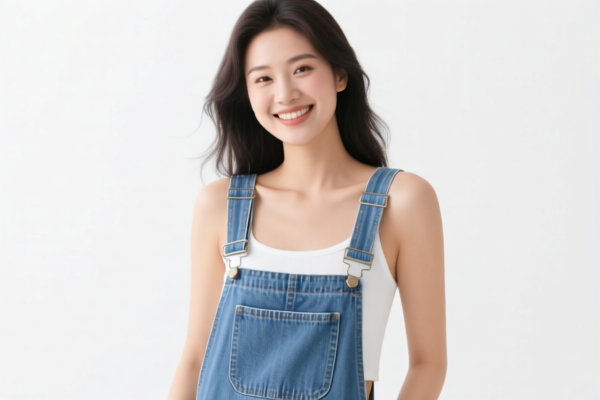
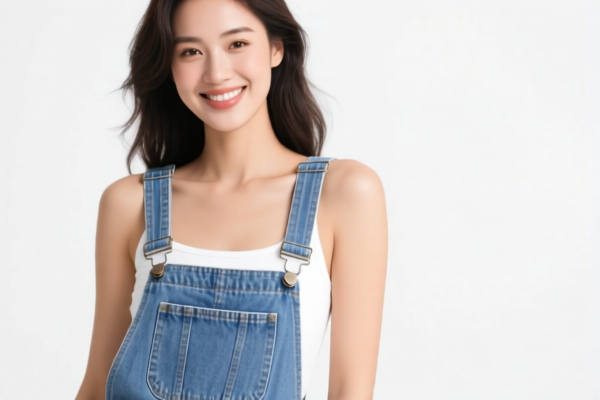
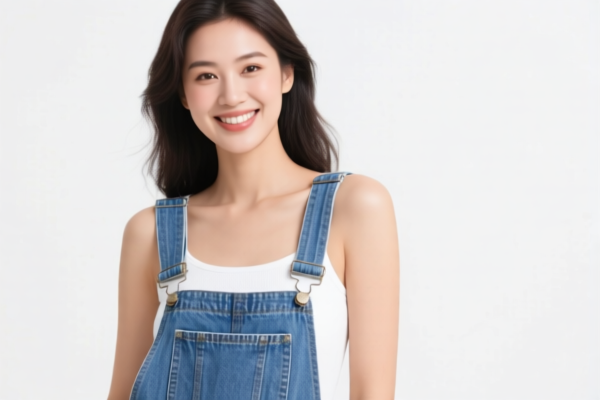
AI Analysis
👗 Girls' Summer Overalls (Kids' Dungarees & Bib Overalls)
🌐 HS Code Reference & Customs Clearance Guide | 2026 Latest Tariff Analysis | Professional Clearance Strategy
📌 I. Product Definition & Classification: Do You Really Understand "Girls' Summer Overalls"?
Girls' summer overalls are a specific type of children's apparel, characterized by a bib design with shoulder straps and an attached lower body (trousers or shorts). In international trade, the HS Code classification depends heavily on two factors:
1. Material Composition: Is it woven (Knitted/Weaved)? Is it Cotton or Synthetic Fiber?
2. Specific Features: Does it include thermal insulation ("warm") or special structures ("bib apron")?
⚠️ Key Distinction Points:
- Knitted/Cotton vs. Woven/Synthetic: Determines whether it falls under Chapter 61 (Knitted) or Chapter 62 (Woven).
- Standard Overalls vs. "Warm/Bib Apron" Overalls: Specific design features like thick lining or integrated bib apron structures can shift the classification to different subheadings (e.g., 6111 for thermal wear).
📦 II. HS Code Classification Details (2026 Latest Tariff Authority对照)
Based on the provided data, here are the 5 possible HS Codes for Girls' Summer Overalls, categorized by material and specific design features:
| HS Code | Product Description | Material Inference | Key Design/Usage Feature |
|---|---|---|---|
6204.63.03.50 |
Girls' Overalls | Synthetic Fiber (Woven) | Standard summer overall, woven fabric |
6204.62.05.50 |
Girls' Overalls | Cotton (Woven) | Standard summer overall, cotton fabric |
6104.62.10.30 |
Girls' Overalls | Cotton (Knitted) | Knitted cotton overall, general use |
6104.62.10.10 |
Girls' Warm Bib Overalls | Cotton (Knitted) | Thermal/Warm purpose + Bib/Apron design |
6111.30.10.00 |
Girls' Warm Bib Overalls | Textile Fiber (Knitted) | Thermal/Warm purpose + Child usage, generic fiber |
🔍 Important Reminder:
- Chapter 62 (Woven) vs. Chapter 61 (Knitted): Most standard summer overalls are woven (6204), but if the fabric is knit (like jersey), it falls under 6104.
- "Warm" Classification: Items classified under6104.62.10.10or6111.30.10.00are treated as thermal/winter wear due to their construction, even if named "summer" in common parlance, because they contain insulating layers or specific bib structures.
💰 III. 2026 Latest Tariff Rate Breakdown (Including Surcharges & Policy Add-ons)
✅ Applicable Country: United States (US)
✅ Country of Origin: China (CN)
✅ Effective Time: Current tariffs apply as per 2025/2026 trade policies.
🎯 1. 6204.63.03.50 – Girls' Overalls (Synthetic, Woven)
| Item | Detail |
|---|---|
| Base Tariff | 14.9% (Ad Valorem) |
| Section 301 Surcharge | +7.5% (Additional duties on Chinese imports) |
| Section 122 Duty | +10% (Specific trade remedy duty) |
| Total Tariff Rate | 32.4% |
| Calculation | CIF Value × 32.4% |
| De Minimis Exemption | ❌ Not Eligible (High tariff rates usually exclude de minimis benefits for certain categories) |
| Legal Basis | HTSUS 6204.63.03.50 + Section 301 Footnote + Section 122 |
📌 Explanation:
- 14.9% is the standard Most Favored Nation (MFN) rate for synthetic woven girls' overalls.
- 7.5% is the additional duty under Section 301 (Trade Act of 1974) targeting specific Chinese goods.
- 10% is the Section 122 duty (301 U.S.C. § 2412), a temporary import relief measure.
- Total 32.4% is a moderate-to-high rate for apparel. Budget accordingly.
🎯 2. 6204.62.05.50 – Girls' Overalls (Cotton, Woven)
| Item | Detail |
|---|---|
| Base Tariff | 8.9% |
| Section 301 Surcharge | +7.5% |
| Section 122 Duty | +10% |
| Total Tariff Rate | 26.4% |
| Calculation | CIF Value × 26.4% |
| De Minimis Exemption | ❌ Not Eligible |
| Legal Basis | HTSUS 6204.62.05.50 + Section 301 + Section 122 |
📌 Note:
- Cotton woven overalls have a lower base rate (8.9%) than synthetic ones (14.9%).
- However, after surcharges, the total rate is still 26.4%, which is lower than synthetic.
- Conclusion: If possible, cotton woven is more tariff-efficient than synthetic woven.
🎯 3. 6104.62.10.30 – Girls' Overalls (Cotton, Knitted)
| Item | Detail |
|---|---|
| Base Tariff | 10.3% |
| Section 301 Surcharge | +7.5% |
| Section 122 Duty | +10% |
| Total Tariff Rate | 27.8% |
| Calculation | CIF Value × 27.8% |
| De Minimis Exemption | ❌ Not Eligible |
| Legal Basis | HTSUS 6104.62.10.30 + Section 301 + Section 122 |
📌 Explanation:
- Knitted cotton items fall under Chapter 61.
- Base rate is 10.3%, slightly higher than woven cotton (8.9%).
- Total 27.8% is comparable to synthetic woven, but higher than woven cotton.
🎯 4. 6104.62.10.10 – Girls' Warm Bib Overalls (Cotton, Knitted)
| Item | Detail |
|---|---|
| Base Tariff | 10.3% |
| Section 301 Surcharge | +7.5% |
| Section 122 Duty | +10% |
| Total Tariff Rate | 27.8% |
| Calculation | CIF Value × 27.8% |
| De Minimis Exemption | ❌ Not Eligible |
| Legal Basis | HTSUS 6104.62.10.10 + Section 301 + Section 122 |
📌 Note:
- This code is for knitted cotton overalls with warm/bib features.
- Despite being "warm," the base rate is the same as standard knitted cotton (6104.62.10.30).
- Total 27.8% remains the same.
🎯 5. 6111.30.10.00 – Girls' Warm Bib Overalls (Textile Fiber, Knitted)
| Item | Detail |
|---|---|
| Base Tariff | 28.2% |
| Section 301 Surcharge | +7.5% |
| Section 122 Duty | +10% |
| Total Tariff Rate | 45.7% |
| Calculation | CIF Value × 45.7% |
| De Minimis Exemption | ❌ Not Eligible |
| Legal Basis | HTSUS 6111.30.10.00 + Section 301 + Section 122 |
📌 Critical Alert:
- This is the HIGHEST tariff code in the list.
- Base rate is 28.2%, which is significantly higher than other categories.
- Total 45.7% is a very high duty rate.
- Why? Chapter 6111 typically covers other knitted or crocheted garments, often for infants or thermal wear, which may carry higher protective duties.
- Avoid this code unless necessary due to extreme cost impact.
🛠️ IV. Customs Clearance Practical Advice (Real-World Pitfall Guide)
✅ 1. Document Checklist (Essential for Smooth Clearance)
| Document | Required | Notes |
|---|---|---|
| ✅ Product Specification Sheet | ✔️ | Must include material composition (e.g., 100% Cotton, 100% Polyester), weight, size range. |
| ✅ Fabric Swatch | ✔️ | If uncertain, provide a physical or digital swatch to prove woven vs. knitted. |
| ✅ Product Photos | ✔️ | Clear images showing front, back, labels, and any thermal lining/bib structure. |
| ✅ Commercial Invoice | ✔️ | Must match HS Code exactly. Use terms like "Girls' Cotton Woven Overalls" for 6204.62.05.50. |
| ✅ Packing List | ✔️ | Detail carton contents, ensure no mix of materials in one shipment. |
| ✅ Origin Certificate | ✔️ | Required for Section 301 duty exemptions if applicable (rare for China). |
✅ 2. Declaration Strategy (Key Mnemonics)
🔥 "Woven Cotton is Cheapest, Synthetic is Expensive, Knitted Warm is Most Expensive!"
| Scenario | Correct HS Code | Avoid |
|---|---|---|
| Standard Summer Cotton Overalls | 6204.62.05.50 (26.4%) |
Misclassifying as synthetic → 32.4% |
| Standard Summer Synthetic Overalls | 6204.63.03.50 (32.4%) |
Misclassifying as knitted → 27.8% or 45.7% |
| Knitted Cotton Overalls | 6104.62.10.30 (27.8%) |
Misclassifying as warm → 45.7% |
| Thermal/Warm Bib Overalls | 6104.62.10.10 (27.8%) or 6111.30.10.00 (45.7%) |
Misclassifying as standard → Underpayment risk |
✅ 3. Special Considerations
| Situation | Handling Advice |
|---|---|
| Mixed Material Orders | Declare each material separately if possible. If mixed, use the principal material rule. |
| "Summer" vs. "Warm" Labeling | If the product has thermal lining, do not label it as "Summer" in customs docs. Use "Warm" to match 6104.62.10.10 or 6111.30.10.00. Misdeclaration leads to penalties. |
| OEM/White Label | Ensure the label matches the declared material. A mismatch between label ("100% Cotton") and invoice ("Polyester") causes delays. |
| De Minimis (Section 321) | Not applicable for these high-tariff items. All shipments from China to US are subject to full duties. |
🌍 V. Global Market Comparison (2026 Update)
| Country/Region | Recommended HS Code | Tariff Rate (CN Origin) | Certification | Notes |
|---|---|---|---|---|
| 🇺🇸 USA | 6204.62.05.50 (Best) |
26.4% | No specific cert | High duties due to Section 301 + 122 |
| 🇨🇳 China | 6204.62.05.50 |
~5-10% | CCC (if applicable) | Domestic trade lower duties |
| 🇪🇺 EU | 6204.62.05.50 |
~12-16% | CE (if safety gear) | No Section 301, but standard MFN |
| 🇬🇧 UK | 6204.62.05.50 |
~12-16% | UKCA | Post-Brexit tariffs similar to EU |
| 🇯🇵 Japan | 6204.62.05.50 |
~10-15% | PSE (if electric) | Moderate duties |
📌 Conclusion:
- USA is the most expensive market due to Section 301 (7.5%) and Section 122 (10%) surcharges.
- Cotton woven (6204.62.05.50) is the most cost-effective option (26.4%).
- Avoid6111.30.10.00(45.7%) unless the product is specifically thermal/infant wear with no alternative classification.
📌 VI. Common Mistakes & Pitfalls (Lessons Learned)
❌ Mistake 1: Classifying Cotton Woven overalls as Synthetic.
👉 Consequence: Pay 32.4% instead of 26.4% → 6% extra cost.
❌ Mistake 2: Calling Thermal Overalls "Summer Overalls" to avoid higher thermal duties.
👉 Consequence: Customs inspection reveals thermal lining → Penalty + Back Duties.
❌ Mistake 3: Misclassifying Knitted items as Woven.
👉 Consequence: If it's knitted, it should be 6104. If declared as 6204, it may be rejected or reclassified → Delay.
❌ Mistake 4: Ignoring Section 122 duties.
👉 Consequence: Underestimating total landed cost by 10%.
✅ Correct Approach:
- Identify Material: Cotton vs. Synthetic.
- Identify Structure: Woven vs. Knitted.
- Identify Feature: Standard vs. Warm/Bib.
- Choose Lowest Tariff Code:
6204.62.05.50(26.4%) is generally the best for standard cotton overalls.
🎯 VII. Conclusion: Smart Classification, Maximize Profit!
🎯 Remember the Mnemonic:
🔹 "Cotton Woven is King (26.4%), Synthetic is Prince (32.4%), Knitted Warm is Dragon (45.7%)."
🔹 "Check Material, Check Weave, Avoid Thermal Pitfalls!"
📌 Tips:
- If your product is Cotton Woven, use 6204.62.05.50.
- If your product is Synthetic Woven, use 6204.63.03.50.
- If your product is Knitted, check if it's Standard (6104.62.10.30) or Warm (6104.62.10.10 or 6111.30.10.00).
- Always include a detailed product description in the commercial invoice to support the HS Code.
📣 Immediate Action:
📞 Consult a licensed customs broker for a Pre-Ruling on your specific product.
🚀 Classify correctly, clear smoothly, and maximize your margins!
✨ Professional Customs Clearance Starts with Accurate Classification!
💼 Every Percent of Duty Counts!
Customer Reviews
About HS Code Classification
The Harmonized System (HS) is an internationally standardized nomenclature developed by the World Customs Organization (WCO) to classify traded products. Over 200 countries use the HS system as the basis for customs tariffs, trade statistics, and import/export regulations.
Each HS code follows a hierarchical structure:
- Chapter (2 digits) — Broad category of goods (e.g., Chapter 84: Machinery and Mechanical Appliances)
- Heading (4 digits) — More specific grouping within the chapter
- Subheading (6 digits) — Internationally standardized breakdown, used by all WCO member countries
- National subdivisions (8-10 digits) — Country-specific extensions for further classification, such as US HTSUS 10-digit codes
Correct HS code classification is essential for smooth customs clearance, accurate duty payment, and compliance with trade regulations. Misclassification can lead to customs delays, overpayment of duties, or penalties.
When importing from CN to US, the applicable tariff rates may include:
- Most-Favored-Nation (MFN) rate — The standard duty rate applied to WTO members
- General rate — Applied to countries without trade agreements
- Trade remedy duties — Additional tariffs such as Section 301 (anti-dumping), Section 232 (national security), or countervailing duties
The information provided on this page is for reference purposes only. For official classification, please consult with your local customs authority or a licensed customs broker.