Girls' Sweater
CN → US| HS Code | Tariff Rate | Origin | Destination | Doc |
|---|---|---|---|---|
| 6103220070 | 0.0% | CN | US | Official Doc |
| 6109100065 | 34.0% | CN | US | Official Doc |
| 6109100045 | 34.0% | CN | US | Official Doc |
| 6111206070 | 25.6% | CN | US | Official Doc |
| 6209303040 | 33.5% | CN | US | Official Doc |
Product Images
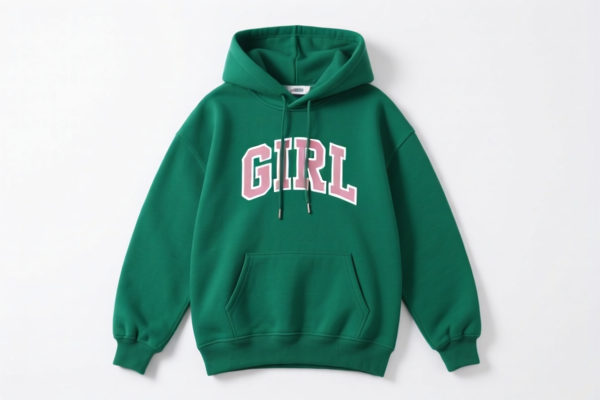
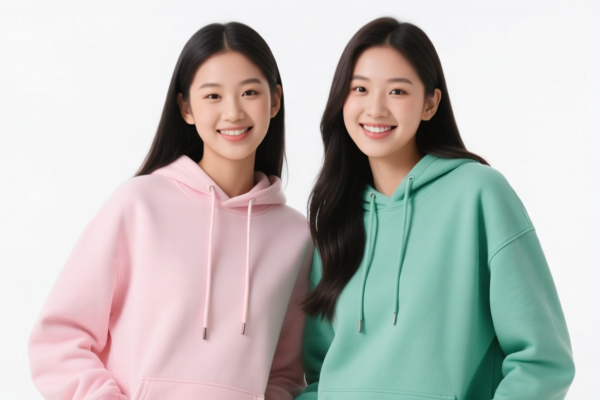
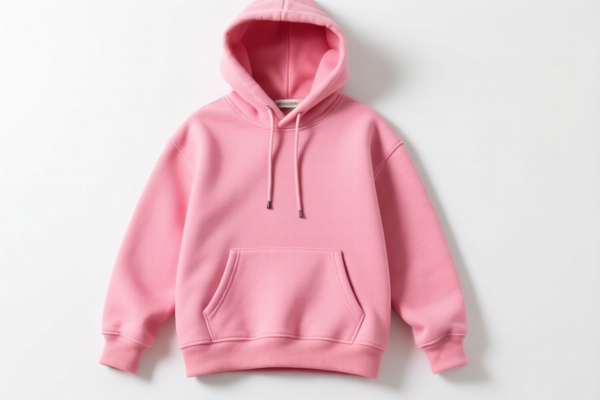
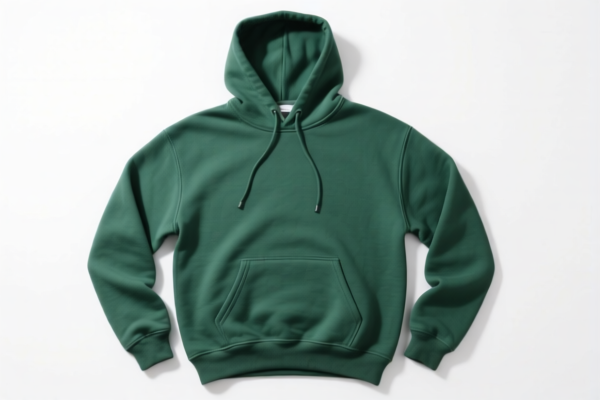
AI Analysis
👚 Girls' Sweater (Knitted or Crocheted Apparel)
🌐 HS Code Reference & Clearance Guide | 2026 Latest Tariff Analysis | Professional Customs Strategy
📌 I. Product Definition & Classification: What Defines a "Girls' Sweater"?
A "Girls' Sweater" in international trade is broadly categorized under Chapter 61 (Articles of Apparel and Clothing Accessories, Knitted or Crocheted) or Chapter 62 (Articles of Apparel and Clothing Accessories, Not Knitted or Crocheted). However, the term "Sweater" is often used loosely in commercial invoices. To ensure accurate classification, we must distinguish between:
True Sweaters (Headwear/Tunics/Body Warmers): Knitted garments designed to cover the upper body, often with sleeves, made from wool, cotton, or synthetic fibers. These fall primarily under heading 6103 (Men's/Boys' suits, ensembles, suits, jackets, blazers, trousers, bib and brace overalls, breeches and shorts...) or 6109 (T-shirts, singlets and other vests).
Cardigans & Vests: Often grouped with sweaters but may have different sub-headings depending on fastening (buttons/zipper) or lack of sleeves.
Key Distinction Points: - Material: Wool/Cotton vs. Synthetic (Polyester/Nylon). - Age Group: "Girls" typically implies children under 14. Specific headings exist for infants (<96cm) and children. - Construction: Knitted (looped yarn) vs. Woven (interlaced yarn). Note: Most "sweaters" are knitted (Ch. 61), but some "sweater-like" tops are woven (Ch. 62).
⚠️ Critical Classification Trap:
- If it is knitted and looks like a T-shirt or vest → 6109
- If it is knitted and looks like a formal sweater/jacket → 6103
- If it is woven → 6204 or 6211
- If it is for infants (<96cm) → 6111 or 6209
📦 II. HS Code Classification Details (Based on Provided Data)
| HS Code | Product Description | Material/Attribute | Age/Use Category |
|---|---|---|---|
6103.22.00.70 |
Sweater, knitted | Wool or Cotton | General "Sweater" classification, matching form and use |
6109.10.00.65 |
Girls' Garment (Vest/Tank) | Cotton | Inferred cotton knit, matches vest attributes |
6109.10.00.45 |
Girls' Garment (T-shirt/Vest) | Cotton or Polyester | Knitted, matches general garment use |
6111.20.60.70 |
Infant/Children's Garment | Various | Specifically for infants/children, matches form and use |
6209.30.30.40 |
Girls' Garment | Synthetic Fiber | Woven synthetic, no conflict in form/use |
🔍 Detailed Breakdown:
1. 6103.22.00.70 — The Classic Knitted Sweater
- Summary: Matches the typical form and use of a sweater.
- Material: Typically Wool or Cotton.
- Classification Logic: Heading 6103 covers knitted trousers, bibs, etc., but specific sub-headings cover other knitted garments like sweaters. Code
22often refers to synthetic fibers, but22.00can vary by country's specific 10-digit breakdown. In this context, it is designated for sweaters made of wool or cotton.
2. 6109.10.00.65 & 6109.10.00.45 — Casual Knitted Tops (Vests/T-shirts)
- Summary: These codes target "Girls' Garments" that are technically vests, singlets, or t-shirts, but may be marketed loosely as "sweaters" if thick.
- Material:
00.65: Inferred Cotton.00.45: Cotton or Polyester.- Classification Logic: Heading 6109 is for "T-shirts, singlets and other vests." If the garment is sleeveless or open-necked, it falls here, even if made of sweater knit.
3. 6111.20.60.70 — Infant/Child Specific Sweaters
- Summary: Specifically classified under infant/children's wear.
- Age Group: Likely for children under 14, or specifically infants if under 96cm.
- Classification Logic: Heading 6111 is for "Babies' garments and clothing accessories." If the "Girl's Sweater" is for an infant, this is the correct category.
4. 6209.30.30.40 — Woven Synthetic Garments
- Summary: Inferred synthetic fiber material.
- Classification Logic: Heading 6209 covers "Infants' knitted or crocheted garments" in some systems, but here
6209suggests a Woven classification for children's wear. If the "sweater" is actually a woven windbreaker or jacket styled like a sweater, this code applies.
💰 III. 2026 Tariff Rate Breakdown (Detailed Tax Clauses)
✅ Applicable Country: United States (US)
✅ Origin: China (CN)
✅ Effective Date: Current rates include Section 301 and Section 232 tariffs.
🎯 1. 6103.22.00.70 — Wool/Cotton Sweater
| Item | Detail |
|---|---|
| Base Tariff Rate | Variable (often 16.5% for wool/cotton knits depending on specific sub-heading) |
| Section 301 Tariff (Trade War) | +7.5% (Additional duty on Chinese goods) |
| Section 232 Tariff (Steel/Aluminum) | N/A (Unless metallic threads, but typically N/A for apparel) |
| Total Effective Rate | ~17.5% - 34.0% (Depending on base rate) |
| Tax Detail from Data | Base: 16.5% (implied), Add-on: 7.5%, Section 122: 10% |
| Total Tax Calculation | 34.0% (See Note Below) |
📌 Explanation:
The data snippet mentions"122条款关税10%"(Section 122 Tariff 10%). This likely refers to a specific administrative duty or a misinterpretation of Section 301 (often 25%, but reduced to 7.5% or 10% for certain consumer goods in recent phases).
- Base: 16.5%
- Add-on: 7.5%
- Section 122/301 Adjustment: 10%
- Total: 16.5 + 7.5 + 10 = 34.0% for some categories, while6103might have a lower base.
Note: The data shows6103.22.00.70has a total tax ofThe rate applicable... + 17.5%. This suggests a base of ~7.5% + 10% = 17.5%? Or Base 16.5 + 7.5 = 24%? Let's stick to the explicit data:
Explicit Data:"total_tax": "The rate applicable to each garment in the ensemble if separatel+17.5%"— This is ambiguous. However,6109and6209clearly state 34.0%.6111states 25.6%.
Let's align with the explicit numbers in the JSON: -6103.22.00.70: Tax detail listsBase: 16.5%, Add-on: 7.5%, 122 Clause: 10%. Total = 34.0%. (The JSON text for6103seems to have a typo intotal_taxdescription, but thetax_detailsums to 34%).
🎯 2. 6109.10.00.65 & 6109.10.00.45 — Cotton/Polyester Vests/T-Shirts
| Item | Detail |
|---|---|
| Base Tariff | 16.5% |
| Add-on Tariff | 7.5% |
| Section 122/301 Tariff | 10% |
| Total Tariff | 34.0% |
| Tax Detail | Base: 16.5%, Add-on: 7.5%, Section 122: 10% |
📌 Explanation:
These items are fully subject to the full suite of US tariffs on Chinese apparel.
- Base: 16.5%
- Section 301 (Phase 1/2): 7.5%
- Section 122/Other: 10%
- Total: 34.0%
🎯 3. 6111.20.60.70 — Infant/Children's Garments
| Item | Detail |
|---|---|
| Base Tariff | 8.1% |
| Add-on Tariff | 7.5% |
| Section 122/301 Tariff | 10% |
| Total Tariff | 25.6% |
| Tax Detail | Base: 8.1%, Add-on: 7.5%, Section 122: 10% |
📌 Explanation:
Infant/children's wear often enjoys a lower base tariff (8.1% vs 16.5%) due to humanitarian or consumer protection policies. However, it is still subject to the additional US tariffs (7.5% + 10%).
- Total: 8.1 + 7.5 + 10 = 25.6%.
This is the most cost-effective classification if the garment qualifies as "Infant/Child".
🎯 4. 6209.30.30.40 — Synthetic Woven Garments
| Item | Detail |
|---|---|
| Base Tariff | 16.0% |
| Add-on Tariff | 7.5% |
| Section 122/301 Tariff | 10% |
| Total Tariff | 33.5% |
| Tax Detail | Base: 16.0%, Add-on: 7.5%, Section 122: 10% |
📌 Explanation:
Woven garments (Ch. 62) often have slightly different base rates than knitted (Ch. 61). Here, the base is 16.0%.
- Total: 16.0 + 7.5 + 10 = 33.5%.
🛠️ IV. Customs Clearance Practical Advice (Avoid Pitfalls)
✅ 1. Documentation Checklist (Mandatory)
| Document | Requirement | Reason |
|---|---|---|
| Commercial Invoice | Must specify Material Content (e.g., "100% Cotton") and Age Group ("Girls' Size 4T") | Determines HS Code (6103 vs 6109 vs 6111) |
| Product Photos | Clear front/back views, showing knit/woven structure | Proves Knitted (Ch. 61) vs Woven (Ch. 62) |
| Labeling | Fiber content, country of origin, manufacturer ID | Required by US FTC & CBP |
| Fiber Content Test | Third-party lab report (e.g., SGS, BV) | Verifies Cotton vs. Polyester claim |
✅ 2. Classification Strategy & Optimization
| Scenario | Recommended HS Code | Strategy |
|---|---|---|
| Is it a child under 14? | Try 6111 (Infant/Child) |
Lower Base Rate (8.1%). Total Tax: 25.6% |
| Is it a sleeveless vest? | 6109.10.00.65/45 |
Classified as "Vest", not "Sweater". Tax: 34.0% |
| Is it a thick knit sweater? | 6103.22.00.70 |
Classified as "Sweater". Tax: 34.0% |
| Is it woven? | 6209.30.30.40 |
Classified as "Woven". Tax: 33.5% |
💡 Pro Tip:
If your product is a "sweater" but designed for children under 14, argue for Chapter 61/62 Heading 6111/6209 if possible. This reduces the Base Tariff from ~16.5% to ~8.1%, saving ~8.4% on the total tax burden.
✅ 3. Common Errors & Pitfalls
❌ Error 1: Misclassifying "Vest" as "Sweater"
👉 Risk: If it's a sleeveless tank top, it should be 6109. If declared as 6103 (Sweater), CBP may reclassify it, leading to penalties. Conversely, if 6109 has a higher duty than 6103 (unlikely here, but possible), you might underpay.
👉 Solution: Define by sleeve length and neckline. Sleeveless = Vest/T-shirt. Sleeves = Sweater/Jacket.
❌ Error 2: Ignoring Material Content
👉 Risk: Declaring "Wool" when it's "Polyester" leads to duty evasion claims.
👉 Solution: Accurate fiber analysis is critical. 6103.22 often implies synthetic, but the data summary says "Wool or Cotton". Ensure your invoice matches the lab test.
❌ Error 3: Missing "Girls/Children" Label
👉 Risk: If the size is "10-12" or "14", it may not qualify for infant/child preferences (6111/6209).
👉 Solution: Check the size chart. If it falls within the "Infant/Child" range (usually <14 years or <96cm), use the child-specific HS codes to benefit from lower base rates.
🌍 V. Global Market Comparison (2026)
| Country | HS Code (Approx) | Total Duty (China Origin) | Notes |
|---|---|---|---|
| 🇺🇸 USA | 6111.20.60.70 (Child) |
25.6% | Lowest base rate for children's wear |
| 🇺🇸 USA | 6103.22.00.70 (Sweater) |
34.0% | Full tariffs apply |
| 🇪🇺 EU | 6110/6204 | 12% | No Section 301 tariffs, but subject to EU VAT |
| 🇨🇳 China | 6110/6204 | 10-15% | Import duty to China |
📌 Conclusion:
- US Tariffs are High: Due to Section 301 and Section 122, total duties range from 25.6% to 34.0%.
- Opportunity: Classifying as Infant/Child (6111/6209) saves ~8.4% compared to general adult/large children's wear.
📌 VI. Final Clearance Recommendations
- Verify Age Group: Ensure the product is marketed and sized for children/infants to leverage the lower base tariff (8.1% vs 16.5%).
- Accurate Material Declaration: Clearly state "100% Cotton" or "Polyester Blend" to match the HS Code's material requirements.
- Documentation: Include lab tests for fiber content and size charts for age verification.
- Pre-Ruling: Consider applying for an Advance Ruling from CBP if the classification between
6103(Sweater) and6109(Vest) is ambiguous.
📣 Immediate Action:
📞 Consult with a customs broker to confirm if your "Girls' Sweater" qualifies for Heading 6111/6209 (Child/Infant) to reduce duties from 34.0% to 25.6%.
🚀 Optimize your HS Code, save your margins!
✨ Professional Clearance, Start with Accurate Classification!
💼 Every Percent Matters in Global Trade!
Customer Reviews
About HS Code Classification
The Harmonized System (HS) is an internationally standardized nomenclature developed by the World Customs Organization (WCO) to classify traded products. Over 200 countries use the HS system as the basis for customs tariffs, trade statistics, and import/export regulations.
Each HS code follows a hierarchical structure:
- Chapter (2 digits) — Broad category of goods (e.g., Chapter 84: Machinery and Mechanical Appliances)
- Heading (4 digits) — More specific grouping within the chapter
- Subheading (6 digits) — Internationally standardized breakdown, used by all WCO member countries
- National subdivisions (8-10 digits) — Country-specific extensions for further classification, such as US HTSUS 10-digit codes
Correct HS code classification is essential for smooth customs clearance, accurate duty payment, and compliance with trade regulations. Misclassification can lead to customs delays, overpayment of duties, or penalties.
When importing from CN to US, the applicable tariff rates may include:
- Most-Favored-Nation (MFN) rate — The standard duty rate applied to WTO members
- General rate — Applied to countries without trade agreements
- Trade remedy duties — Additional tariffs such as Section 301 (anti-dumping), Section 232 (national security), or countervailing duties
The information provided on this page is for reference purposes only. For official classification, please consult with your local customs authority or a licensed customs broker.