Girls' Synthetic Leather Jacket
CN → US| HS Code | Tariff Rate | Origin | Destination | Doc |
|---|---|---|---|---|
| 6114303070 | 32.4% | CN | US | Official Doc |
| 6202407511 | 45.2% | CN | US | Official Doc |
| 6114301020 | 45.7% | CN | US | Official Doc |
| 4203104060 | 41.0% | CN | US | Official Doc |
| 6202402020 | 45.2% | CN | US | Official Doc |
Product Images
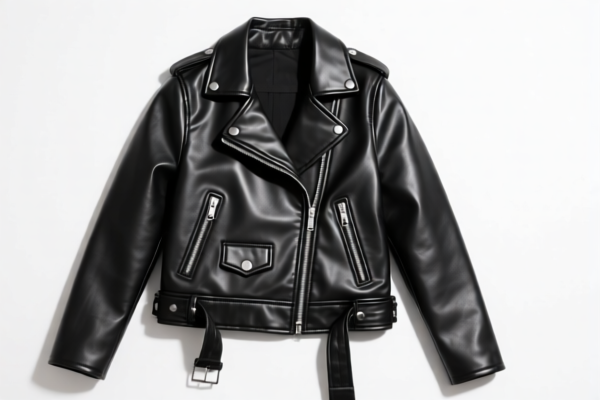
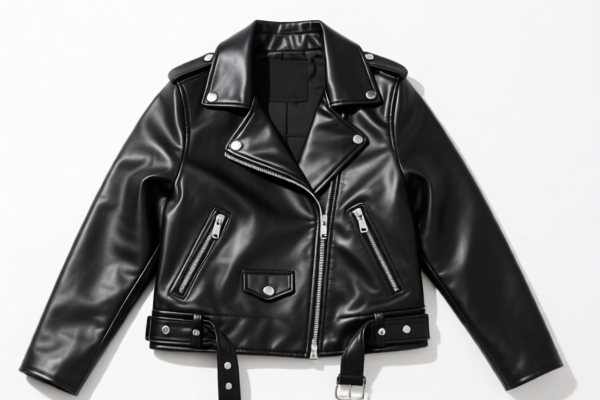
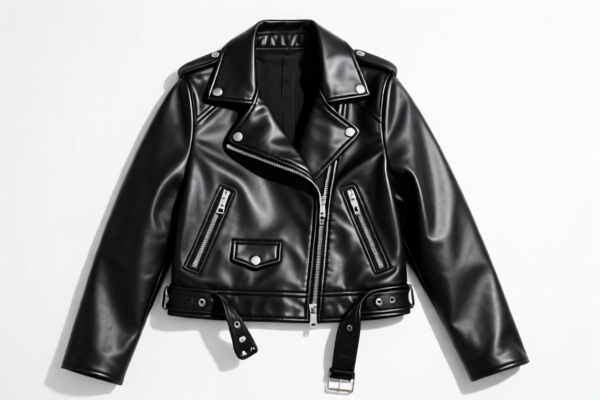
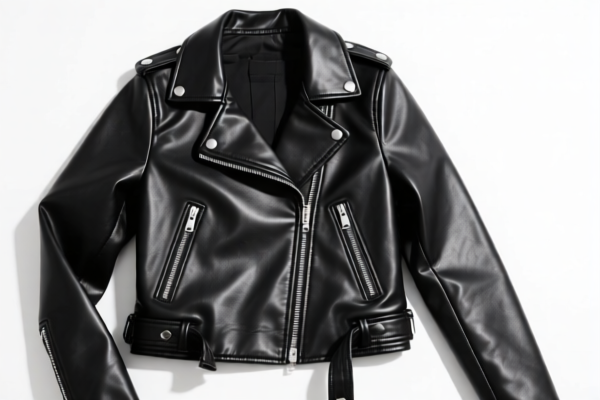
AI Analysis
👗 Girls' Synthetic Leather Jacket (Synthetic Leather Outerwear)
🌐 HS Code Reference & Customs Clearance Guide | 2026 Latest Tariff Analysis | Professional Clearance Strategy
📌 I. Product Definition & Classification: Do You Really Understand "Synthetic Leather Jackets"?
A "Girls' Synthetic Leather Jacket" refers to outerwear for girls (typically under 14 years old) made from artificial leather materials (such as PVC, PU, or microfiber leather), rather than genuine animal hide. In international trade, despite the similar appearance to leather, the material composition dictates a completely different HS Code classification and tariff treatment.
International customs authorities distinguish these jackets primarily by:
1. Knitted or Crocheted (Chapter 61): If the jacket is made from knitted synthetic fibers/leather, it falls under Chapter 61. 2. Not Knitted or Crocheted (Chapter 62): If the jacket is cut and sewn from non-knitted synthetic leather sheets, it falls under Chapter 62. 3. Material Specifics (Chapter 42): In rare cases, if the "synthetic leather" is defined specifically as "artificial leather" classified under heading 39 or 42 depending on the backing, it might fall under Chapter 42, though this is less common for standard fashion jackets.
⚠️ Critical Distinction Point:
- Knitted vs. Woven/Cut-and-Sew: If the fabric is stretchy and looped (knit) → Chapter 61. If it is structured and cut from a sheet (woven/non-knitted) → Chapter 62.
- Material Definition: "Synthetic Leather" is often treated as "Textiles" (Ch 61/62) or "Plastic/Leather substitutes" (Ch 42). Misclassification here leads to massive tariff differences.
📦 II. HS Code Classification Details (2026 Latest Tariff Authority Comparison)
Based on the provided data for "Girls' Synthetic Leather Jacket," here are the specific classifications and their corresponding tax structures.
| HS Code | Product Description | Classification Logic | Total Tax Rate (USA Import from China) |
|---|---|---|---|
6114.30.30.70 |
Synthetic Leather Girls' Jacket, Classified as Knitted/Crocheted Garments | Falls under Chapter 61 (Knitted). The material is considered a textile-like synthetic. | 32.4% |
6202.40.75.11 |
Synthetic Leather Girls' Jacket, Classified as Non-Knitted Outerwear | Falls under Chapter 62 (Non-Knitted). Standard cut-and-sew outerwear for girls. | 45.2% |
6114.30.10.20 |
Synthetic Leather Girls' Jacket, Classified as Other Knitted/Crocheted Apparel | Specific subheading for knitted girls' garments under 6114. | 45.7% |
4203.10.40.60 |
Synthetic Leather Girls' Jacket, Classified as Leather or Artificial Leather Articles | Falls under Chapter 42. Treated as "artificial leather" goods rather than textile apparel. | 41.0% |
6202.40.20.20 |
Synthetic Leather Girls' Jacket, Classified as Other Non-Knitted Outerwear | General catch-all for non-knitted girls' coats/jackets not specifically listed elsewhere. | 45.2% |
🔍 Key Insight:
- The lowest tariff (32.4%) is achieved by classifying the item as Knitted (6114.30.30.70).
- The highest tariff (45.7%) is for specific Knitted subcategories (6114.30.10.20).
- Non-Knitted options generally hover around 45.2%.
- Classification under Chapter 42 (41.0%) offers a middle ground but requires strict adherence to "Artificial Leather" definitions.
💰 III. 2026 Latest Tariff Rate Breakdown (Including Surtaxes & Policy Add-ons)
✅ Applicable Country: United States (US)
✅ Country of Origin: China (CN)
✅ Effective Date: 2025/2026 Import Period
🎯 1. 6114.30.30.70 —— Best Option: Knitted Synthetic Leather Jacket
| Item | Content |
|---|---|
| Basic Tariff | 14.9% |
| Section 301 Surtax | 7.5% (China-specific) |
| Section 122 Tariff | 10% (Newly applied surtax for certain apparel) |
| Total Tax Rate | 32.4% |
| Tax Calculation | CIF Value × 32.4% |
| De Minimis Eligibility | ❌ No (Apparel items are generally excluded from de minimis benefits for China) |
| Legal Path | HTS:6114.30.30.70 → Section 301: Footnote 9903.88.01 → Section 122: IEEPA Authority |
📌 Explanation:
- This classification leverages the Chapter 61 (Knitted) rate, which is significantly lower than Chapter 62.
- The 122 Clause (10%) is a critical recent addition targeting apparel imports.
- Total 32.4% is the most competitive rate among the provided options.
🎯 2. 6202.40.75.11 & 6202.40.20.20 —— Non-Knitted Outerwear
| Item | Content |
|---|---|
| Basic Tariff | 27.7% |
| Section 301 Surtax | 7.5% |
| Section 122 Tariff | 10% |
| Total Tax Rate | 45.2% |
| Tax Calculation | CIF Value × 45.2% |
| De Minimis Eligibility | ❌ No |
| Legal Path | HTS:6202.40.75.11 → Section 301 → Section 122 |
📌 Warning:
- These codes carry a much higher basic tariff (27.7%) because non-knitted girls' coats are heavily protected tariffs in the US.
- Even with the same surcharges (7.5% + 10%), the total hits 45.2%.
- Cost Impact: On a $100 jacket, you pay $12.80 more in tax compared to the knitted classification.
🎯 3. 6114.30.10.20 —— Other Knitted Apparel
| Item | Content |
|---|---|
| Basic Tariff | 28.2% |
| Section 301 Surtax | 7.5% |
| Section 122 Tariff | 10% |
| Total Tax Rate | 45.7% |
| Tax Calculation | CIF Value × 45.7% |
| De Minimis Eligibility | ❌ No |
📌 Note:
- Although it is knitted (Chapter 61), this specific subheading (10.20) has a higher basic rate (28.2%) than30.30.
- This is the most expensive option provided. Avoid this code unless your product description strictly forces it.
🎯 4. 4203.10.40.60 —— Artificial Leather Articles
| Item | Content |
|---|---|
| Basic Tariff | 6.0% |
| Section 301 Surtax | 25.0% |
| Section 122 Tariff | 10% |
| Total Tax Rate | 41.0% |
| Tax Calculation | CIF Value × 41.0% |
| De Minimis Eligibility | ❌ No |
| Legal Path | HTS:4203.10.40.60 → Section 301 (High Footnote) → Section 122 |
📌 Analysis:
- While the Basic Tariff is very low (6.0%), the Section 301 Surtax is extremely high (25.0%).
- This is because Chapter 42 articles from China are subject to higher punitive tariffs under Trade Act 301.
- Total 41.0% is better than 45% but worse than the best knitted option (32.4%).
🛠️ IV. Customs Clearance Operational Advice (Practical Pitfall Avoidance)
✅ 1. Preparation Checklist (Non-Negotiable)
| Document | Required | Reason |
|---|---|---|
| ✅ Material Composition Sheet | ✔️ | Must specify "100% PU Synthetic Leather" or "PVC/Spandex Blend" to determine Chapter 61 vs. 62 vs. 42. |
| ✅ Construction Diagram | ✔️ | Shows if the garment is knitted (looped structure) or cut-and-sewn (woven/cut). This is the #1 reason for misclassification. |
| ✅ Product Photos | ✔️ | Close-ups of the fabric texture (knit vs. smooth) and interior lining. |
| ✅ Commercial Invoice | ✔️ | Clearly state "Girls' Synthetic Leather Jacket, Knitted" or "Non-Knitted". |
| ✅ Fiber Content Label | ✔️ | US Customs requires precise fiber content (e.g., "Polyurethane 100%"). |
✅ 2. Classification Strategy (Key Mantra)
🔥 "Knit is King, Cut is Costly, Label it Right!"
| Scenario | Recommended HS Code | Tax Rate | Why? |
|---|---|---|---|
| Knitted Fabric (Stretchy, looped) | 6114.30.30.70 |
32.4% | ✅ Lowest Total Tax. Best for budget-sensitive imports. |
| Cut-and-Sew (Structured, non-stretch) | 6202.40.75.11 |
45.2% | ❌ Higher base tariff. Only use if design requires it. |
| Artificial Leather (Plastic-based, not textile-like) | 4203.10.40.60 |
41.0% | ⚠️ Moderate. Use only if fabric is rigid/plastic-like. |
✅ 3. Special Cases & Handling
| Situation | Handling Advice |
|---|---|
| Mixed Materials (e.g., Cotton Lining + Synthetic Leather Shell) | The outer shell material dictates the classification. If the shell is synthetic leather, use the codes above. |
| OEM Custom Jackets | Provide design specs showing the knitting pattern if claiming 6114. |
| "Faux Leather" vs. "Synthetic Leather" | Use consistent terminology. "Synthetic Leather" is preferred for textile chapters (61/62). |
| Children's Size | Ensure the description specifies "Girls'" or "Children's" to fall under 6202 (Girls) rather than 6203 (Boys). Misgendering can lead to incorrect subheadings. |
🌍 V. Global Market Comparison (2026 Latest)
| Country/Region | Recommended HS Code | Total Tariff (China Origin) | Notes |
|---|---|---|---|
| 🇺🇸 USA | 6114.30.30.70 |
32.4% | Section 122 applies. High scrutiny on "Synthetic Leather". |
| 🇨🇳 China (Import) | 4203.10.40.60 |
~10-13% | Lower taxes for imported apparel. |
| 🇪🇺 EU | 4203.10 |
~12% | No Section 301/122 equivalent. Treats as leather goods. |
| 🇬🇧 UK | 4203.10 |
~12% | Post-Brexit, follows EU-style classification for leather. |
| 🇯🇵 Japan | 4203.10 |
~5-10% | Generally lower base tariffs for leather-like goods. |
📌 Conclusion:
- The USA is the most complex market due to the layered tariffs (Basic + 301 + 122).
- Knitted classification (6114) is the strategic winner in the US market, saving over 12% in total taxes compared to non-knitted alternatives.
📌 VI. Common Errors & Pitfalls (Lessons Learned)
❌ Error 1: Classifying a Knitted jacket as Non-Knitted (6202)
👉 Consequence: Paying 45.2% instead of 32.4%. Overpayment of $12.80 per $100.
👉 Fix: Always check fabric structure.
❌ Error 2: Classifying as Chapter 42 when it should be Chapter 61
👉 Consequence: Paying 41.0% instead of 32.4%.
👉 Fix: If the "leather" is flexible and textile-based, use Ch 61. If it's rigid plastic sheeting, use Ch 42.
❌ Error 3: Ignoring Section 122 Tariff
👉 Consequence: Underestimating costs by 10%.
👉 Fix: Always add 10% to apparel calculations from China in 2026.
✅ Correct Declaration Example:
"Girls' Jacket, Knitted, Synthetic Leather (PU) Shell, 100% Polyurethane, Lined with Polyester. HS Code: 6114.30.30.70"
🎯 VII. Conclusion: Smart Classification, Maximize Profit!
🎯 Remember the Mantra:
🔹 "Knit to Save, Cut to Pay, Leather is Tricky!"
🔹 "32.4% is the Target, 45% is the Trap!"
📌 Pro Tip:
If your product uses knitted synthetic leather fabric, insist on the 6114.30.30.70 classification. It offers the lowest total duty rate (32.4%) among all options provided.
Request a Pre- Ruling from US Customs if there is any doubt about the "Knitted vs. Woven" nature of the synthetic leather.
📣 Immediate Action:
📞 Consult a licensed customs broker with fabric swatches.
📄 Declare "Knitted Synthetic Leather" if applicable.
🚀 Secure the 32.4% rate and improve your profit margin!
✨ Professional Clearance Starts with Accurate Classification!
💼 Every Percentage Point Saved is Pure Profit!
Customer Reviews
About HS Code Classification
The Harmonized System (HS) is an internationally standardized nomenclature developed by the World Customs Organization (WCO) to classify traded products. Over 200 countries use the HS system as the basis for customs tariffs, trade statistics, and import/export regulations.
Each HS code follows a hierarchical structure:
- Chapter (2 digits) — Broad category of goods (e.g., Chapter 84: Machinery and Mechanical Appliances)
- Heading (4 digits) — More specific grouping within the chapter
- Subheading (6 digits) — Internationally standardized breakdown, used by all WCO member countries
- National subdivisions (8-10 digits) — Country-specific extensions for further classification, such as US HTSUS 10-digit codes
Correct HS code classification is essential for smooth customs clearance, accurate duty payment, and compliance with trade regulations. Misclassification can lead to customs delays, overpayment of duties, or penalties.
When importing from CN to US, the applicable tariff rates may include:
- Most-Favored-Nation (MFN) rate — The standard duty rate applied to WTO members
- General rate — Applied to countries without trade agreements
- Trade remedy duties — Additional tariffs such as Section 301 (anti-dumping), Section 232 (national security), or countervailing duties
The information provided on this page is for reference purposes only. For official classification, please consult with your local customs authority or a licensed customs broker.