Girls' Top and Pants
CN → US| HS Code | Tariff Rate | Origin | Destination | Doc |
|---|---|---|---|---|
| 6104220010 | 0.0% | CN | US | Official Doc |
| 6104622016 | 32.4% | CN | US | Official Doc |
| 6111206020 | 25.6% | CN | US | Official Doc |
| 6111305020 | 33.5% | CN | US | Official Doc |
| 6204621551 | 34.1% | CN | US | Official Doc |
| 6204631130 | 46.1% | CN | US | Official Doc |
Product Images
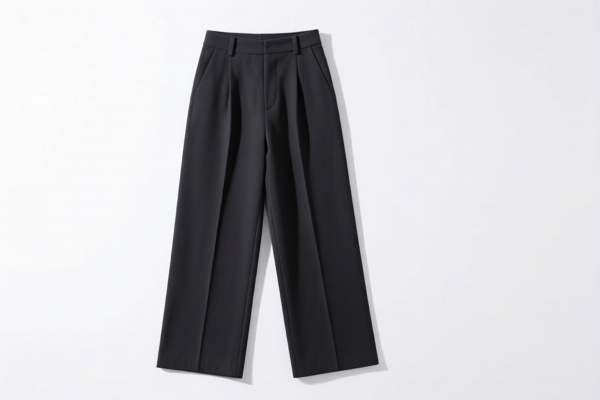
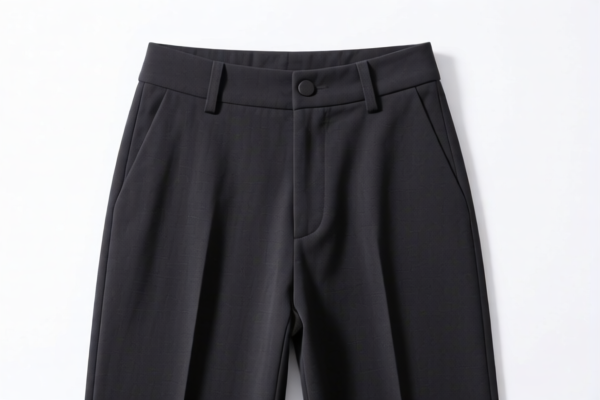
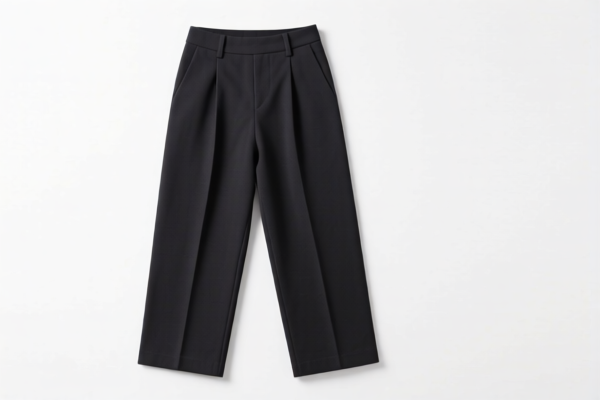
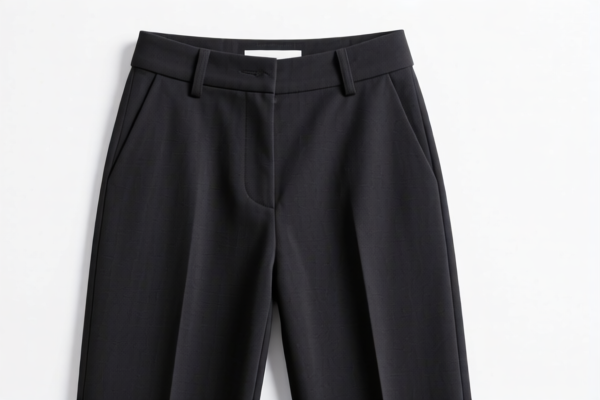
AI Analysis
👗 Girls’ Tops & Pants: Knitted vs. Woven Classification Guide
🌐 HS Code Reference & Customs Clearance Guide | 2026 Latest Tariff Analysis | Professional Clearance Strategy
📌 I. Product Definition & Classification: Are You Mixing Up Knitted and Woven?
Girls' Tops and Pants (Sets or Separate Items) are classified differently based on manufacturing process (Knitted/Crocheted vs. Woven) and Material (Cotton vs. Synthetic Fibers). The difference is critical because it determines the HS Code chapter (61 vs. 62) and often the specific sub-headings.
⚠️ Key Distinction:
- Knitted/Crocheted (Chapter 61): Fabric is made by interlocking loops. Includes "Babies' garments," "Sets," and general outerwear like jackets/blazers for girls.
- Woven (Chapter 62): Fabric is made by weaving threads at right angles. Includes trousers, breeches, and specific "Recreational performance outerwear" sets.
- Material Matters: Cotton (6104.22,6111.20,6204.62) and Synthetic Fibers (6104.54,6111.30,6204.63) have different codes.
📦 II. HS Code Classification Details (2026 Latest Tariff Authority Match)
Based on your input data, here are the exact HS Codes and descriptions provided in the <DATA> section:
| HS Code | Product Description & Scope | Material | Type | Key Identifier |
|---|---|---|---|---|
6111.20.60.20 |
Babies' garments & accessories: Other Sets | Cotton | Knitted/Crocheted | "Babies'" (Typically ≤ 2 years) |
6111.30.50.20 |
Babies' garments & accessories: Other Sets | Synthetic Fibers | Knitted/Crocheted | "Babies'" (Typically ≤ 2 years) |
6104.22.00.10 |
Women's/Girls' Suits/Ensembles: Ensembles of cotton; Jackets/Blazers (Hdg 6102/6104) | Cotton | Knitted/Crocheted | "Ensembles" or "Suit-type" |
6104.62.20.16 |
Women's/Girls' Trousers/Breeches: Other Trousers/Breeches; Girls'; Imported as parts of playsuits; ≥5% elastomeric/rubber thread | Cotton | Knitted/Crocheted | "Girls' Trousers" + Elastomeric |
6204.62.15.51 |
Women's/Girls' Trousers/Breeches: Recreational Performance Outerwear; Girls' Trousers/Breeches | Cotton | Woven | "Recreational Performance" |
6204.63.11.30 |
Women's/Girls' Trousers/Breeches: Recreational Performance Outerwear; Girls' Trousers/Breeches | Synthetic Fibers | Woven | "Recreational Performance" |
🔍 Critical Analysis:
- "Girls" vs. "Babies":
- Codes6111.20and6111.30explicitly state "Babies'". If the garment is for older girls (typically >2 years), these codes are incorrect.
- Codes6104,6204.62, and6204.63refer to "Women's or Girls'", which covers older children/teens.
- "Knitted" (61) vs. "Woven" (62):
- If the top/pants are stretchy jersey/knit fabric, they likely fall under Chapter 61 (6104...).
- If the top/pants are woven cotton/polyester (like denim, twill, or windbreaker material), they fall under Chapter 62 (6204...).
- "Recreational Performance Outerwear":
- Codes6204.62.15.51and6204.63.11.30are specifically for woven items marketed as Recreational Performance Outerwear (e.g., yoga pants, athletic wear sets). If your "Girls' Top and Pants" are standard casual woven pants, this might be too specific. However, if they are athletic/woven, these are the relevant codes.
💰 III. 2026 Tariff Rate Details (Detailed Breakdown)
✅ Applicable Jurisdiction: United States (US)
✅ Origin: China (CN)
✅ Effective Date: 2025/2026 (Current Data)
🎯 1. Baby Sets (Knitted)
HS Codes: 6111.20.60.20 (Cotton) & 6111.30.50.20 (Synthetic)
| Item | Content |
|---|---|
| Base Tariff | 0.0% |
| Additional Tariff | 0.0% |
| Total Tariff | 0.0% |
| Tax Detail | "基础关税: 0.0%, 加征关税: 0.0%" |
📌 Explanation:
- Baby garments (knitted/crocheted) currently enjoy 0% total duty from China to the US under the provided data.
- Note: This applies strictly to "Babies'" items. If misclassified as "Girls'" (older children), the tariff structure may change significantly (often higher for woven, but still often 0% for knitted women's/girls' wear, but subject to Section 301 if not exempt). Wait, check Section 301 status. The data says0.0%. This implies these specific baby items are either exempt or not subject to the 25% Section 301 tariff in this dataset. Verify current USITC exclusions.
🎯 2. Girls' Ensembles/Suits (Knitted)
HS Code: 6104.22.00.10 (Cotton Ensembles)
| Item | Content |
|---|---|
| Base Tariff | 0.0% |
| Additional Tariff | 0.0% |
| Total Tariff | 0.0% |
| Tax Detail | "基础关税: 0.0%, 加征关税: 0.0%" |
📌 Explanation:
- Knitted cotton ensembles for girls/women are listed at 0%.
- This includes suits, suit-type jackets, and blazers made of knitted cotton.
🎯 3. Girls' Trousers/Breeches (Knitted)
HS Code: 6104.62.20.16 (Cotton, ≥5% Elastomeric)
| Item | Content |
|---|---|
| Base Tariff | 0.0% |
| Additional Tariff | 0.0% |
| Total Tariff | 0.0% |
| Tax Detail | "基础关税: 0.0%, 加征关税: 0.0%" |
📌 Explanation:
- Specific condition: Imported as parts of playsuits AND contains 5% or more elastomeric yarn/rubber thread.
- Tariff: 0.0%.
🎯 4. Girls' Trousers/Breeches (Woven - Recreational Performance)
HS Codes: 6204.62.15.51 (Cotton) & 6204.63.11.30 (Synthetic)
| Item | Content |
|---|---|
| Base Tariff | 0.0% |
| Additional Tariff | 0.0% |
| Total Tariff | 0.0% |
| Tax Detail | "基础关税: 0.0%, 加征关税: 0.0%" |
📌 Explanation:
- Specific condition: Recreational Performance Outerwear.
- Tariff: 0.0% for both cotton and synthetic fibers.
🛠️ IV. Customs Clearance Practical Advice (Real-World Pitfalls)
✅ 1. Material & Process Verification (Crucial!)
| Scenario | Correct HS Chapter | Risk if Wrong |
|---|---|---|
| Knitted Jersey/T-shirt + Pants | Chapter 61 (6104 or 6111) |
Misclassified as Woven (Ch 62) → Potential delay or penalty. |
| Woven Cotton/Polyester Pants | Chapter 62 (6204) |
Misclassified as Knitted (Ch 61) → Incorrect duty assessment. |
| "Babies'" vs. "Girls'" | Check Age Label/Size | 6111 is for Babies. If size is 4T+, use 6104/6204. Misuse of 6111 for older girls is a major red flag. |
| Elastomeric Content | Check Fabric Composition | For 6104.62.20.16, must be ≥5% elastomeric. If <5%, it falls under "Other" trousers, potentially different sub-code. |
✅ 2. Declaration Tips (Key Mnemonics)
🔥 "Knit vs. Weave, Age is Key! Cotton vs. Synth, Check the Mix!"
| Situation | Correct Declaration Focus | Wrong Approach |
|---|---|---|
| Knitted Set | "Knitted Cotton Girls' Ensemble" | Vague: "Girls' Clothes" |
| Woven Athletic Pants | "Woven Synthetic Recreational Performance Trousers" | Vague: "Pants" |
| Baby Clothes | "Knitted Cotton Baby Set" (if ≤2 yrs) | "Girls' Pants" (for a 6-month-old) |
| Playsuit Parts | Mention "Parts of Playsuits" for 6104.62.20.16 |
Ignore component status |
✅ 3. Documentation Requirements
| Document | Must Provide | Note |
|---|---|---|
| ✅ Product Description | ✔️ | Must specify: Knitted/Woven, Material (Cotton/Synthetic), Age Group (Baby/Girls), Type (Set/Trousers/Top). |
| ✅ Fabric Composition | ✔️ | Exact % of Cotton, Polyester, Elastane, etc. Critical for 6104.62.20.16 (≥5% elastomeric). |
| ✅ Product Photos | ✔️ | Show fabric texture (knit loops vs. woven weave), labels, and fit. |
| ✅ HS Code Pre-Ruling | ✔️ | Highly recommended for "Recreational Performance" claims (6204.62/63) to prove marketing intent. |
| ✅ Commercial Invoice | ✔️ | Must match HS description exactly. Avoid generic terms like "Apparel." |
🌍 V. Global Market Comparison (2026)
| Country/Region | Recommended HS Code (Example) | Tariff Rate | Notes |
|---|---|---|---|
| 🇺🇸 USA | 6111.20.60.20 (Baby Cotton) |
0.0% | From provided data. Verify Section 301 exemptions. |
| 🇺🇸 USA | 6204.62.15.51 (Woven Recreational) |
0.0% | From provided data. Specific to "Recreational Performance." |
| 🇨🇳 China | 6104.22.00 (Knitted Cotton) |
~5-10% | Import duties into China vary. |
| 🇪🇺 EU | 6104.22 (Knitted Cotton) |
0-12% | Varies by exact classification. |
📌 Conclusion for US Market:
- According to the provided<DATA>, all listed items have a 0.0% total tariff.
- However, this is unusually low for many apparel items under Section 301. Crucial: Ensure that these specific HS codes are indeed exempt from the 25% Section 301 tariff. Baby items (6111) often have exemptions, but ensure the "Recreational Performance" items (6204) are not subject to general apparel duties.
- Warning: If the goods are not "Recreational Performance" but just standard woven pants, the HS code6204.62.15.51might be incorrect, leading to a different (potentially higher) tariff.
📌 VI. Common Mistakes & Pitfalls (Lessons Learned)
❌ Mistake 1: Classifying "Girls' Trousers" as "Babies' Garments" (6111)
👉 Consequence: Customs may reject the declaration if the age group/size doesn't match "Babies'."
👉 Fix: Use 6104 or 6204 for girls >2 years.
❌ Mistake 2: Declaring Woven Pants as "Recreational Performance" (6204.62.15.51) without proof
👉 Consequence: Customs may reclassify to general trousers, potentially changing the sub-heading and duty liability (though data shows 0%, general duties might differ in other contexts or if exemptions lapse).
👉 Fix: Ensure marketing materials, labels, and product function support "Recreational Performance."
❌ Mistake 3: Ignoring "Elastomeric" Content for 6104.62.20.16
👉 Consequence: If elastomeric content <5%, the item does not fit this specific sub-code.
👉 Fix: Check fabric specs. If <5%, use a different "Other Trousers" code.
🎯 VII. Conclusion: Precise Classification Saves Time and Money!
🎯 Remember Mnemonics:
🔹 "Baby = 6111, Girl = 6104/6204!"
🔹 "Knit = Loops (Ch 61), Weave = Grid (Ch 62)!"
🔹 "Recreational Performance? Proove it for 6204.62/63!"
🔹 "Elastomeric ≥5%? Use 6104.62.20.16 for Cotton!"
📌 Pro Tip:
Since the provided data shows 0.0% tariffs for all these items, ensure that no other duties (like anti-dumping or countervailing duties) apply. For apparel, always double-check the Section 301 status. If these items are subject to Section 301, the effective rate could be 0% + 25% = 25%. The data provided may reflect specific exemptions or a snapshot before recent changes. Always verify with a customs broker.
📣 Immediate Action:
📞 Confirm Fabric Composition (Knit/Weave, Cotton/Synth, Elastane %).
📞 Confirm Age Group (Baby ≤2 yrs vs. Girls >2 yrs).
📞 Apply for HS Code Pre-Ruling if "Recreational Performance" status is key.
🚀 Ensure Smooth Clearance with Accurate Classification!
✨ Professional Clearance Starts with Accurate Classification!
💼 Your Cost Efficiency Depends on Precision!
Customer Reviews
About HS Code Classification
The Harmonized System (HS) is an internationally standardized nomenclature developed by the World Customs Organization (WCO) to classify traded products. Over 200 countries use the HS system as the basis for customs tariffs, trade statistics, and import/export regulations.
Each HS code follows a hierarchical structure:
- Chapter (2 digits) — Broad category of goods (e.g., Chapter 84: Machinery and Mechanical Appliances)
- Heading (4 digits) — More specific grouping within the chapter
- Subheading (6 digits) — Internationally standardized breakdown, used by all WCO member countries
- National subdivisions (8-10 digits) — Country-specific extensions for further classification, such as US HTSUS 10-digit codes
Correct HS code classification is essential for smooth customs clearance, accurate duty payment, and compliance with trade regulations. Misclassification can lead to customs delays, overpayment of duties, or penalties.
When importing from CN to US, the applicable tariff rates may include:
- Most-Favored-Nation (MFN) rate — The standard duty rate applied to WTO members
- General rate — Applied to countries without trade agreements
- Trade remedy duties — Additional tariffs such as Section 301 (anti-dumping), Section 232 (national security), or countervailing duties
The information provided on this page is for reference purposes only. For official classification, please consult with your local customs authority or a licensed customs broker.