Girls' Traditional Cotton Shorts
CN → US| HS Code | Tariff Rate | Origin | Destination | Doc |
|---|---|---|---|---|
| 6204628041 | 34.1% | CN | US | Official Doc |
| 6204628051 | 34.1% | CN | US | Official Doc |
| 6104622028 | 32.4% | CN | US | Official Doc |
| 6104622021 | 32.4% | CN | US | Official Doc |
| 6211421030 | 25.6% | CN | US | Official Doc |
Product Images
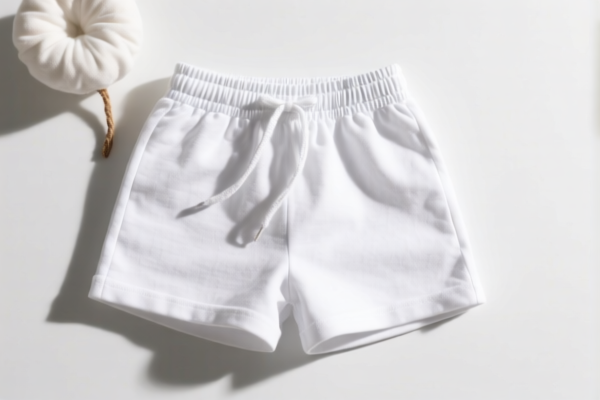
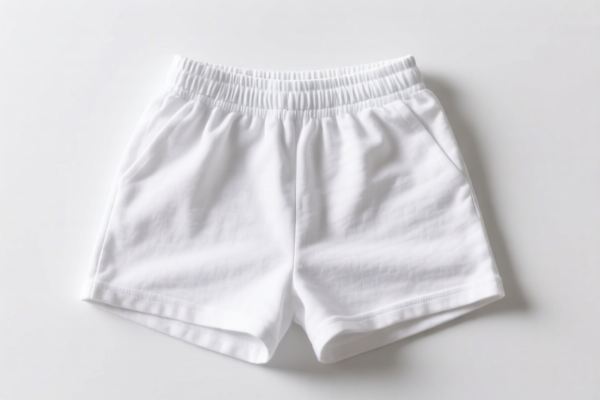
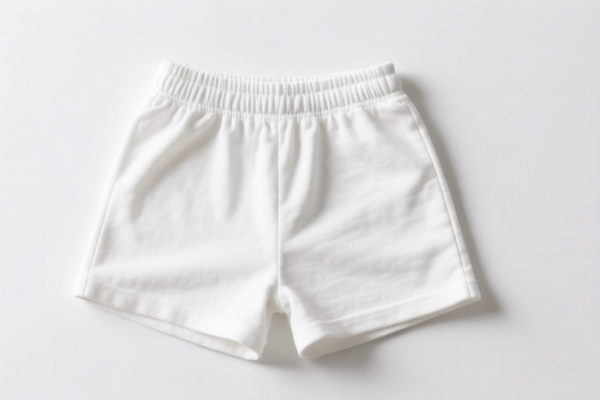
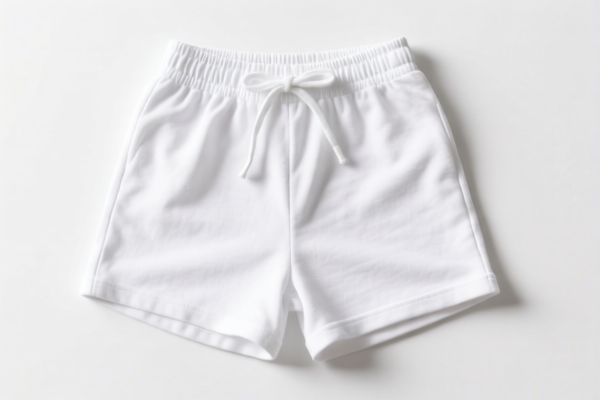
AI Analysis
🩳 Girls' Traditional Cotton Shorts (Pure Cotton Girls' Casual Trousers)
🌐 HS Code Reference & Customs Clearance Guide | 2026 Latest Tariff Analysis | Professional Clearance Strategy
📌 I. Product Definition & Classification: Do You Truly Understand "Girls' Cotton Shorts"?
In international trade, Girls' Cotton Shorts are generally classified under Chapter 61 (Knitted/Crocheted Apparel) or Chapter 62 (Non-Knitted Apparel) depending on the fabric construction. However, for Traditional/Casual Cotton Shorts made of woven cotton (the most common scenario for "Traditional" styles like Bermuda shorts or casual trousers), they fall under Chapter 62.
The classification hinges on three critical factors:
1. Material: 100% Cotton (6204 series).
2. Gender/Target: Girls (6204).
3. Form: Shorts/Pants (6204.62).
⚠️ Key Distinction Point:
- If the fabric is Knitted (e.g., jersey, sweatpant material) →归入 Chapter 61 (6104).
- If the fabric is Woven (e.g., twill, denim, chino) → 归入 Chapter 62 (6204).
- "Traditional/Casual" implies standard daily wear, NOT sports-specific gear (unless explicitly designed for sports performance).
📦 II. HS Code Classification Details (2026 Latest Tariff Authority Mapping)
Based on the provided dataset, the products are 100% Cotton Girls' Shorts/Pants. We must distinguish between Woven (Ch.62) and Knitted (Ch.61) structures, and whether they are classified as Casual Pants or Sportswear.
| HS Code | Product Description | Applicable Scenario | Fabric Type |
|---|---|---|---|
6204.62.80.41 |
Pure Cotton Girls' Casual Pants, Woven, Form: Pants | Standard woven cotton shorts/casual trousers for girls | ✅ Woven |
6204.62.80.51 |
Pure Cotton Girls' Casual Pants, Woven, Form: Long Pants | Similar to above, specific sub-category for length/style | ✅ Woven |
6104.62.20.28 |
Pure Cotton Girls' Casual Pants, Knitted, Form: Long Pants | Knitted cotton shorts/sweatpants for girls | ✅ Knitted |
6104.62.20.21 |
Pure Cotton Girls' Pants, Knitted, Purpose: Girls | Knitted cotton pants, general classification for girls | ✅ Knitted |
6211.42.10.30 |
Pure Cotton Girls' Casual Pants, Woven, Purpose: Sportswear | Sport-specific woven cotton shorts (e.g., gym shorts) | ✅ Woven |
🔍 Critical Warning:
- Woven vs. Knitted: This is the #1 cause of misclassification. If the fabric stretches significantly and is knitted, it MUST go to6104. If it’s stiff twill/chino, it goes to6204.
- Sportswear Exemption: Only classify as6211(Sportswear) if the garment is explicitly designed for sports (e.g., specific cuts, moisture-wicking treatment, branded sportswear). General "casual" shorts do NOT qualify, even if worn for casual activity. Misdeclaring casual shorts as sportswear to lower tariffs is a high-risk compliance violation.
💰 III. 2026 Latest Tariff Rate Breakdown (Including Additional Taxes & Policy Surcharges)
✅ Applicable Country: United States (US)
✅ Origin: China (CN)
✅ Effective Time: Current tariffs apply (Base + Section 301 + Section 232/122)
🎯 1. 6204.62.80.41 & 6204.62.80.51 — Woven Cotton Girls' Casual Pants
| Item | Content |
|---|---|
| Base Duty Rate | 16.6% (Ad Valorem) |
| Section 301 Additional Duty | +7.5% (List 3/4 exclusions do not typically apply to standard cotton apparel) |
| Section 122 Duty (Bilateral) | +10% (Specific bilateral agreement surcharge) |
| Total Tariff Rate | 34.1% |
| Tax Calculation | CIF Value × 34.1% |
| De Minimis Eligibility | ❌ No (Value > $800 threshold for textile garments; even if under, textiles have specific restrictions) |
| Legal Authority Path | HTSUS:6204.62.80 → USITC Footnote → Section 301 List → Section 122 Agreement |
📌 Explanation:
- The 16.6% is the standard Most Favored Nation (MFN) rate for woven cotton girls' trousers.
- The 7.5% is a standard Section 301 surcharge for many textile/apparel categories.
- The 10% is a specific bilateral duty (often referred to as "122 Clause" in domestic trade contexts), making the total burden 34.1%.
- Cost Impact: High. Profit margins are severely impacted. Price negotiation must include this 34.1% duty cost.
🎯 2. 6104.62.20.28 & 6104.62.20.21 — Knitted Cotton Girls' Pants
| Item | Content |
|---|---|
| Base Duty Rate | 14.9% (Ad Valorem) |
| Section 301 Additional Duty | +7.5% |
| Section 122 Duty (Bilateral) | +10% |
| Total Tariff Rate | 32.4% |
| Tax Calculation | CIF Value × 32.4% |
| De Minimis Eligibility | ❌ No |
| Legal Authority Path | HTSUS:6104.62.20 → USITC Footnote → Section 301 List → Section 122 Agreement |
📌 Comparison:
- Knitted items (6104) have a slightly lower base rate (14.9%) compared to woven (6204at 16.6%).
- Total Effective Rate: 32.4%, which is 1.7% lower than woven counterparts.
- Strategy: If your product can be manufactured using knitted fabric (e.g., jersey cotton) without compromising the "traditional casual" look, this classification offers a slight tariff advantage.
🎯 3. 6211.42.10.30 — Woven Cotton Girls' Sportswear Shorts
| Item | Content |
|---|---|
| Base Duty Rate | 8.1% (Ad Valorem) |
| Section 301 Additional Duty | +7.5% |
| Section 122 Duty (Bilateral) | +10% |
| Total Tariff Rate | 25.6% |
| Tax Calculation | CIF Value × 25.6% |
| De Minimis Eligibility | ❌ No |
| Legal Authority Path | HTSUS:6211.42.10 → USITC Footnote → Section 301 List → Section 122 Agreement |
📌 Critical Warning:
- This code offers the lowest tariff (25.6%) among all options.
- BUT, it is ONLY for sportswear.
- Risk: If you declare "Casual Shorts" as "Sportswear" (6211) to save 8.5% (34.1% - 25.6%), you face high customs audit risks. US CBP will scrutinize the design, marketing, and intended use. If it’s not a recognized sportswear item, you will be reclassified to6204or6104, resulting in back taxes + penalties.
- Recommendation: Only use6211if you have clear evidence of sportswear designation (e.g., brand claims, technical fabric specs, sales channels).
🛠️ IV. Customs Clearance Practical Advice (Combat Pitfall Guide)
✅ 1. Documentation Checklist (Non-Negotiable)
| Document | Required? | Description |
|---|---|---|
| ✅ Product Specification Sheet | ✔️ | Must state: Fabric content (100% Cotton), Fabric Structure (Woven/Knitted), Intended Use (Casual/Sport). |
| ✅ Technical Construction Details | ✔️ | Include seam type, pocket style, waistband type. Crucial for distinguishing "Casual" vs. "Sport". |
| ✅ Product Photos (360°) | ✔️ | Clear images of labels, fabric texture, and overall fit. |
| ✅ Commercial Invoice | ✔️ | Must explicitly state: "Girls' 100% Cotton [Woven/Knitted] Casual Pants" or "Sport Shorts". Avoid vague terms like "Clothes". |
| ✅ Packing List | ✔️ | Detail quantities, weights, and dimensions. |
| ✅ Certificate of Origin (CO) | ✔️ | Confirm Chinese origin to apply correct Section 301/122 rates. |
| ✅ Labeling Compliance | ✔️ | US requires fiber content, country of origin, and care instructions on permanent labels. |
✅ 2. Declaration Strategy (Key Mantras)
🔥 “Fabric Structure Determines Chapter, Intended Use Determines Subheading, Accuracy Prevents Penalties!”
| Scenario | Correct Declaration | Wrong Declaration | Consequence of Error |
|---|---|---|---|
| Woven Cotton Shorts (Standard) | 6204.62.80.41 / .51 |
6211.42.10.30 (Sport) |
Penalty + Back Taxes (34.1% - 25.6% = 8.5% surcharge) |
| Knitted Cotton Pants (Jersey) | 6104.62.20.28 / .21 |
6204.62.80.41 (Woven) |
Misclassification Penalty + Re-inspection Delay |
| Sport Shorts (Technical Fabric) | 6211.42.10.30 |
6204.62.80.41 (Casual) |
Minor, but if challenged, proves good faith |
| Vague Description | "Girls' Cotton Pants" | "Girls' Clothes" | Customs Seizure or Forced Classification at Highest Rate |
✅ 3. Special Case Handling
| Situation | Recommendation |
|---|---|
| Mixed Fabric (e.g., 95% Cotton, 5% Spandex) | Still classifiable under Cotton HS Codes if Cotton > 50%. Specify exact blend. |
| OEM Customization | Provide design sketches to prove "Casual" intent. If client provides "Sport" design, use 6211. |
| Sample vs. Bulk | Ensure samples match bulk in fabric structure. Customs may test fabric. |
| Seasonal Styles | Ensure description matches actual product. Do not declare "Winter Pants" for lightweight shorts. |
🌍 V. Global Market Comparison (2026 Latest)
| Country/Region | Recommended HS Code | Base Duty | Additional Taxes (China Origin) | Total Effective Rate | Notes |
|---|---|---|---|---|---|
| 🇺🇸 USA | 6204.62.80.41 |
16.6% | +17.5% (301+122) | 34.1% | Highest duty burden. |
| 🇨🇳 China | 6204.62.80.41 |
16.6% | 0% | 16.6% | Import duty only. |
| 🇪🇺 EU | 6204.62.80.41 |
12% | 0% | 12% | No Section 301/122. |
| 🇬🇧 UK | 6204.62.80.41 |
12% | 0% | 12% | Post-Brexit, aligned with EU largely. |
| 🇯🇵 Japan | 6204.62.80.41 |
16% | 0% | 16% | Moderate duty. |
📌 Conclusion:
- USA is the most challenging market due to the 34.1% total duty rate (16.6% Base + 7.5% Sec 301 + 10% Sec 122).
- EU/UK/Japan are significantly more favorable (12-16%).
- Strategy: If targeting the US, consider pricing strategies to absorb the 34.1% duty, or explore supply chain diversification (e.g., sourcing from Vietnam/Mexico if eligible for exemptions, though cotton apparel often has rules of origin restrictions).
📌 VI. Common Mistakes & Pitfalls (Blood & Tears Lessons)
❌ Mistake 1: Declaring Woven Casual Shorts as Sportswear (6211) to save 8.5%
👉 Consequence: CBP audits the product. If it’s not technical sportswear, you pay back taxes + 20% penalty.
💡 Fix: Only use 6211 if you have documented proof of sportswear design (e.g., marketing materials, tech specs).
❌ Mistake 2: Confusing Woven and Knitted fabric structures
👉 Consequence: Misclassification leads to incorrect duty rate (34.1% vs 32.4%). While the difference is small, it’s a compliance violation.
💡 Fix: Always specify "Woven" or "Knitted" in the declaration. If unsure, provide fabric swatches to customs brokers.
❌ Mistake 3: Vague descriptions like "Girls' Cotton Pants"
👉 Consequence: Customs may assign the highest possible duty or hold the shipment for extra inspection.
💡 Fix: Use precise language: "Girls' 100% Cotton Woven Casual Shorts, Model ABC".
✅ Correct Practice:
"Girls' 100% Cotton Woven Casual Shorts, Waist: Elastic, Pockets: 2 Side, Model: XYZ, HS Code: 6204.62.80.41"
🎯 VII. Conclusion: Professional Declaration, Time-Saving, Cost-Effective!
🎯 Remember the Mantra:
🔹 “Fabric Structure Defines Chapter 61 vs 62, Intended Use Defines Casual vs Sport, Accuracy Saves 8.5%!”
🔹 “34.1% for Casual Woven, 32.4% for Knitted, 25.6% for Sport — Don’t Guess, Verify!”
📌 Pro Tip:
- If your Knitted cotton shorts (6104) can achieve the same "casual" look as woven ones, consider switching to Knitted Fabric. It saves 1.7% (34.1% - 32.4%).
- For Sportswear, ensure you have strong evidence to support 6211 classification. If you don’t, stick to 6204 to avoid penalties.
- Pre-Ruling: Consider applying for a Binding Tariff Information (BTI) or US CBP Ruling if you are unsure about the classification. It provides legal certainty.
📣 Take Action Now:
📞 Contact a Professional Customs Broker + Provide Fabric Swatches + Apply for HS Code Pre-Ruling
🚀 Ensure Smooth Clearance, Avoid Penalties, Maximize Profits!
✨ Professional Clearance Starts with Precise Classification!
💼 Every Penny of Your Cost Deserves Accurate Calculation!
Customer Reviews
About HS Code Classification
The Harmonized System (HS) is an internationally standardized nomenclature developed by the World Customs Organization (WCO) to classify traded products. Over 200 countries use the HS system as the basis for customs tariffs, trade statistics, and import/export regulations.
Each HS code follows a hierarchical structure:
- Chapter (2 digits) — Broad category of goods (e.g., Chapter 84: Machinery and Mechanical Appliances)
- Heading (4 digits) — More specific grouping within the chapter
- Subheading (6 digits) — Internationally standardized breakdown, used by all WCO member countries
- National subdivisions (8-10 digits) — Country-specific extensions for further classification, such as US HTSUS 10-digit codes
Correct HS code classification is essential for smooth customs clearance, accurate duty payment, and compliance with trade regulations. Misclassification can lead to customs delays, overpayment of duties, or penalties.
When importing from CN to US, the applicable tariff rates may include:
- Most-Favored-Nation (MFN) rate — The standard duty rate applied to WTO members
- General rate — Applied to countries without trade agreements
- Trade remedy duties — Additional tariffs such as Section 301 (anti-dumping), Section 232 (national security), or countervailing duties
The information provided on this page is for reference purposes only. For official classification, please consult with your local customs authority or a licensed customs broker.