Girls' Trousers/Shorts of Other Textile Materials
CN → US| HS Code | Tariff Rate | Origin | Destination | Doc |
|---|---|---|---|---|
| 6104198090 | 23.1% | CN | US | Official Doc |
| 6112490090 | 30.7% | CN | US | Official Doc |
| 6204132020 | 0.0% | CN | US | Official Doc |
| 6112198020 | 39.1% | CN | US | Official Doc |
| 6104292090 | 0.0% | CN | US | Official Doc |
Product Images

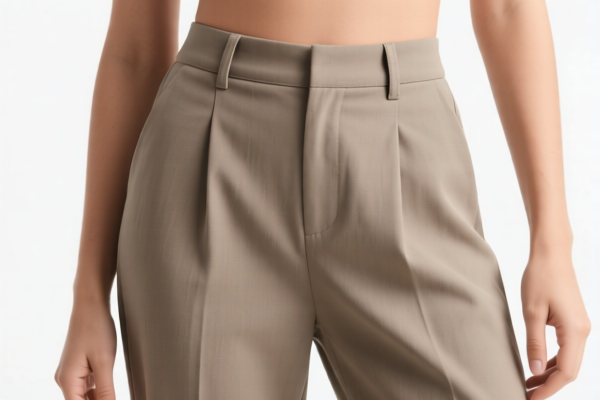

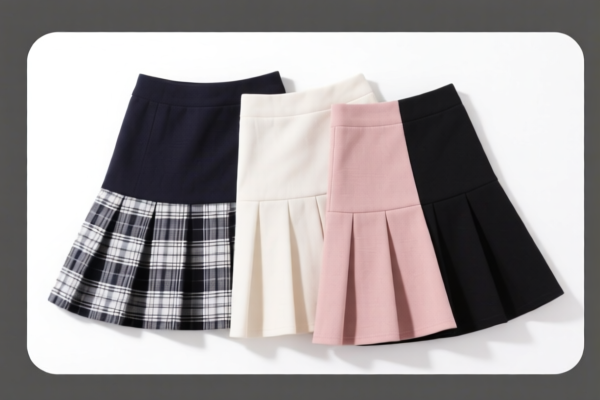
AI Analysis
Here is a comprehensive, Wiki-style breakdown for Girls' Trousers/Shorts of Other Textile Materials, strictly based on the provided data.
👧 Girls' Trousers/Shorts of Other Textile Materials
🌐 HS Code Reference & Customs Clearance Guide | 2024/2025 Tariff Breakdown | Strategic Entry Strategy
📌 I. Product Definition & Classification: Are You Selling "Sets" or "Separates"?
"Girls' Trousers/Shorts" are a broad category in international trade. However, under US Customs (CBP) and Section 301/122 tariffs, the composition and packaging determine the destiny of your shipment.
Key Distinctions: 1. Ensembles (Sets): If trousers/shorts are sold with a matching top or jacket as a single unit, they may be classified as a "Suit" (Set). * Risk: Suits often attract higher specific duties or different ad valorem rates (see HS 6104.19.80.90 & 6204.13.20.20). 2. Separates (Knitted vs. Woven): * Knitted/Garments: Classified under Chapter 61 (e.g., HS 6112.49.00.90). Usually softer, stretchy materials. * Woven/Non-Knitted: Classified under Chapter 62 (e.g., HS 6204.13.20.20). Usually denim, cotton blends, or synthetic woven fabrics. 3. "Other Textile Materials": This phrase is the critical trap. It excludes cotton (Chapter 61/62 specific subheadings for cotton) and wool. It usually points to synthetic fibers (polyester, nylon, acrylic, rayon, etc.) or mixed blends not specified elsewhere.
⚠️ Critical Classification Point:
- If the item is a Knitted garment (jersey, sweatpant style) → 6112.49.00.90
- If the item is a Woven Suit (pants + jacket combo) → 6104.19.80.90 or 6204.13.20.20
- If the item is a Single Knitted Bottom → 6112.49.00.90
📦 II. Detailed HS Code Breakdown (Data-Driven)
Based on the provided tax data, here is the exact classification matrix for "Girls' Trousers/Shorts of Other Textile Materials":
| HS Code | Product Summary | Material/Packaging Status | Tax Structure |
|---|---|---|---|
| 6112.49.00.90 | Knitted/ Crocheted Girls' Apparel (Trousers/Shorts of other textile materials) | ✅ Knitted (Stretchy, jersey, sweatpants) ❌ Not a Suit |
30.7% (Ad Valorem) |
| 6104.19.80.90 | Girls' Other Fiber Suits (Ensembles) | ✅ Suit/Ensemble (Trousers + Matching Top) 🧵 Other Fibers |
23.1% (Ad Valorem) |
| 6204.13.20.20 | Girls' Other Fiber Suits (Woven) | ✅ Woven Suit (Trousers + Jacket/Woven Top) 🧵 Other Fibers |
35.3¢/kg + 25.9% + 17.5% (Total: ~43.4%+) |
| 6112.19.80.20 | Girls' Other Fiber Sportswear | ✅ Sports Specific (Track pants, athletic shorts) 🏃♀️ Not standard daily wear |
39.1% (Ad Valorem) |
| 6104.29.20.90 | Girls' Outerwear (Coats/Jackets) | ⚠️ Note: This is for Outerwear, not standard trousers/shorts. Included only if "Trousers" are sold as a Coat Suit. | Variable + 10% (See Tax Detail) |
💰 III. 2024/2025 Tariff Rate Deep Dive (US Market)
✅ Applicable Market: United States (US)
✅ Origin: China (CN)
✅ Tariff Regime: Base Duty + Section 301 (Plus Tax) + Section 122 (Section 232 equivalent for specific items)
🎯 1. 6112.49.00.90 — Knitted Trousers/Shorts (Non-Suit)
Most common for "Girls' Pants" sold individually.
| Component | Rate | Legal Basis |
|---|---|---|
| Base Duty | 13.2% | US General Rate of Duty |
| Plus Tax (Section 301) | 7.5% | Retaliatory tariffs on Chinese textiles |
| Section 122 Tariff | 10.0% | Additional China-specific tariff |
| TOTAL DUTY | 30.7% | Ad Valorem (Value-based) |
📌 Strategy: If you sell single knitted pants, you pay 30.7% on the CIF value.
Calculation: If Goods Value = $10,000 → Duty = $3,070.
🎯 2. 6104.19.80.90 — Girls' Suits (Knitted Ensemble)
Used if trousers are sold in a package with a matching jacket/top.
| Component | Rate | Legal Basis |
|---|---|---|
| Base Duty | 5.6% | US General Rate of Duty |
| Plus Tax (Section 301) | 7.5% | Retaliatory tariffs |
| Section 122 Tariff | 10.0% | Additional China-specific tariff |
| TOTAL DUTY | 23.1% | Ad Valorem (Value-based) |
📌 Strategy: Paradoxically, Suits often have a LOWER total tariff (23.1%) than single knitted items (30.7%)!
Tip: If designing for the US market, bundling trousers with a matching top might reduce duty costs by 7.6%.
🎯 3. 6204.13.20.20 — Girls' Suits (Woven/Other Fibers)
Used for woven suits (e.g., denim sets, polyester formal sets).
| Component | Rate | Legal Basis |
|---|---|---|
| Base Duty | 35.3 ¢/kg + 25.9% | Mixed Ad Valorem + Specific Duty |
| Plus Tax (Section 301) | 7.5% | Retaliatory tariffs |
| Section 122 Tariff | 10.0% | Additional China-specific tariff |
| TOTAL DUTY | ~43.4% + Specific Weight Cost | Complex Calculation |
📌 Warning: This is the most expensive category. - You pay a specific duty ($0.353 per kg) PLUS the ad valorem percentage. - Heavy items (like denim suits) suffer heavily here. - Example: A 1kg suit ($20 value) = $0.353 (weight) + $5.18 (25.9% of $20) + $2.50 (Plus Tax) + $2.00 (Sec 122) ≈ $10.03 Duty on $20 Goods (50%+ effective rate).
🎯 4. 6112.19.80.20 — Sportswear (Athletic Shorts/Pants)
For technical fabrics, track pants, active wear.
| Component | Rate | Legal Basis |
|---|---|---|
| Base Duty | 21.6% | Higher base rate for sportswear |
| Plus Tax (Section 301) | 7.5% | Retaliatory tariffs |
| Section 122 Tariff | 10.0% | Additional China-specific tariff |
| TOTAL DUTY | 39.1% | Ad Valorem |
📌 Strategy: If your "trousers" are marketed as athletic wear (even casual joggers), they may fall here. 39.1% is very high. Consider marketing as "casual wear" (6112.49) if technically possible to save 8.4%.
🛠️ IV. Customs Clearance Practical Advice (Action Plan)
✅ 1. Documentation Checklist (Must-Haves)
To avoid delays and incorrect classification (which leads to audits):
| Document | Requirement | Why It Matters |
|---|---|---|
| Detailed Style Description | Must specify: Knitted vs. Woven, Material % (e.g., 80% Polyester/20% Spandex), Fit. | Determines Chapter 61 (Knitted) vs. 62 (Woven). |
| Packaging Proof | Invoice must clearly state if items are sold Separately or as a Set/Ensemble. | Separates = 6112.49 (30.7%) vs. Sets = 6104.19 (23.1%). |
| Function Statement | Is it "Daily Wear" or "Sportswear"? | Prevents classification as 6112.19.80.20 (39.1%). |
| Material Breakdown | Explicitly state "Other Textile Materials" (e.g., Synthetic, Rayon, Acrylic). | Confirms it is NOT Cotton (different HS codes). |
| Sample Photos | Clear front/back views, showing weave/knit texture. | Customs officers need visual proof of "Knitted" vs "Woven". |
✅ 2. Declaring Strategy (The "Set" Loophole)
🔥 Golden Rule: "Sets can save money, but separate pants cost more."
| Scenario | Recommended HS Code | Duty Rate | Strategic Move |
|---|---|---|---|
| Selling single pants | 6112.49.00.90 |
30.7% | Accept higher duty. |
| Selling Pants + Top together | 6104.19.80.90 |
23.1% | BUNDLE THEM! Save 7.6% duty. |
| Selling Woven Pants | 6204.13.20.20 |
~43%+ | AVOID WOVEN SUITS if possible. Switch to Knitted. |
| Selling Athletic Pants | 6112.19.80.20 |
39.1% | Rename/Rebrand as "Casual Lounge Pants" (if design allows). |
✅ 3. Special Warning: "Other Textile Materials"
The term "Other Textile Materials" is a catch-all for Synthetics (Polyester, Nylon, Acrylic) and Man-made Fibers (Rayon, Viscose). - Do NOT include Cotton. If the product is >50% Cotton, it belongs to a different HS Code (e.g., 6104.13, 6104.23) with different tax rates (often lower base rates, but still subject to Section 301). - Verify Fiber Content: A 1% cotton blend might still be classified as "Other" depending on the specific subheading rules. Be precise!
🌍 V. Global Market Comparison (US vs. Others)
| Region | HS Code Trend | Est. Tariff Impact | Verdict |
|---|---|---|---|
| 🇺🇸 USA | 6112.49.00.90 / 6104.19.80.90 |
23.1% – 39.1% (Heavy Section 301 + 122) | High Risk. Requires precise classification to avoid 39%+. |
| 🇨🇳 China | Same HS Codes | ~5-10% (Low Base Duty, No Sec 301) | Low Risk. Exporting TO China is cheap. |
| 🇪🇺 EU | Similar HS Codes | ~12-17% (No Section 122, No 301) | Moderate. Much cheaper than US entry. |
📌 Conclusion: The US Market is the most punitive for "Other Textile Material" girls' wear. The Section 122 (10%) and Section 301 (7.5%) add up significantly.
📌 VI. Common Pitfalls & "Don'ts"
❌ Pitfall 1: Misidentifying "Suit" vs. "Separate" - Mistake: Selling a jacket and pants separately in two boxes but calling them a "Set". - Result: Customs may view them as separate items. If they are woven, you get hit with 6204.13.20.20 (Weight + 25.9% + 17.5%). - Fix: If they are a set, ship them in one package and declare under 6104.19.80.90.
❌ Pitfall 2: Calling it "Sportswear" by accident - Mistake: Using terms like "Active", "Athletic", "Gym" in the product title for regular trousers. - Result: Forced into 6112.19.80.20 (39.1%). - Fix: Use neutral terms like "Casual Wear", "Lounge Pants", "Everyday Trousers".
❌ Pitfall 3: Ignoring the "Specific Duty" on Wovens
- Mistake: Forgetting the 35.3¢/kg on 6204.13.20.20.
- Result: Profit margin eaten by weight-based tax.
- Fix: Avoid Woven Suits for the US market. Stick to Knitted (6112).
🎯 VII. Final Verdict: How to Maximize Profit
- Design for Knitted: Ensure all trousers/shorts are Knitted (Chapter 61) to avoid the "Specific Duty" trap of Wovens.
- Bundle to Lower Rates: If possible, sell Sets (Pants + Top) to qualify for 6104.19.80.90 (23.1%) instead of single items (6112.49.00.90 at 30.7%).
- Avoid "Sportswear" Labels: Unless they are technically high-performance, avoid
6112.19.80.20. - Document Fiber Content: Ensure "Other Textile Materials" is accurate. Do not claim "Cotton" if it's Polyester/Rayon.
🚀 Call to Action:
"Check your invoice: Are you selling Suits? Are they Knitted? If YES to both, you are in the safest zone (23.1%). If NO, you are paying a premium."
✨ Professional Custom Clearance starts with the right HS Code!
💼 Don't let 30.7% + 7.5% + 10% eat your margins. Optimize your classification today!
Customer Reviews
About HS Code Classification
The Harmonized System (HS) is an internationally standardized nomenclature developed by the World Customs Organization (WCO) to classify traded products. Over 200 countries use the HS system as the basis for customs tariffs, trade statistics, and import/export regulations.
Each HS code follows a hierarchical structure:
- Chapter (2 digits) — Broad category of goods (e.g., Chapter 84: Machinery and Mechanical Appliances)
- Heading (4 digits) — More specific grouping within the chapter
- Subheading (6 digits) — Internationally standardized breakdown, used by all WCO member countries
- National subdivisions (8-10 digits) — Country-specific extensions for further classification, such as US HTSUS 10-digit codes
Correct HS code classification is essential for smooth customs clearance, accurate duty payment, and compliance with trade regulations. Misclassification can lead to customs delays, overpayment of duties, or penalties.
When importing from CN to US, the applicable tariff rates may include:
- Most-Favored-Nation (MFN) rate — The standard duty rate applied to WTO members
- General rate — Applied to countries without trade agreements
- Trade remedy duties — Additional tariffs such as Section 301 (anti-dumping), Section 232 (national security), or countervailing duties
The information provided on this page is for reference purposes only. For official classification, please consult with your local customs authority or a licensed customs broker.