Girls' Warm Bib Overalls
CN → US| HS Code | Tariff Rate | Origin | Destination | Doc |
|---|---|---|---|---|
| 6111301000 | 45.7% | CN | US | Official Doc |
| 6209203000 | 32.4% | CN | US | Official Doc |
| 6104631010 | 32.4% | CN | US | Official Doc |
| 6104621010 | 27.8% | CN | US | Official Doc |
| 6204630350 | 32.4% | CN | US | Official Doc |
Product Images
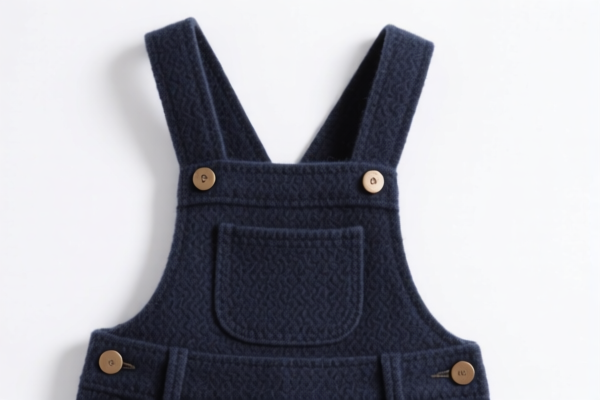
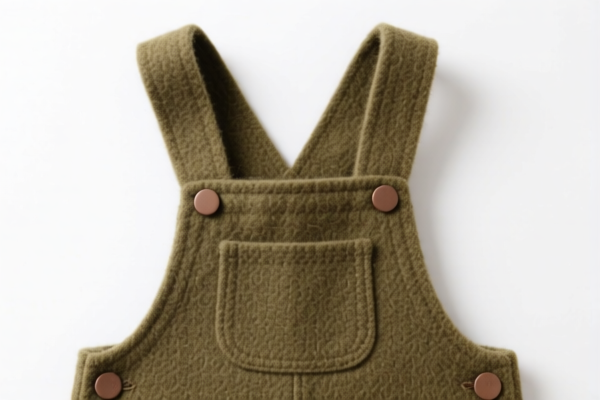
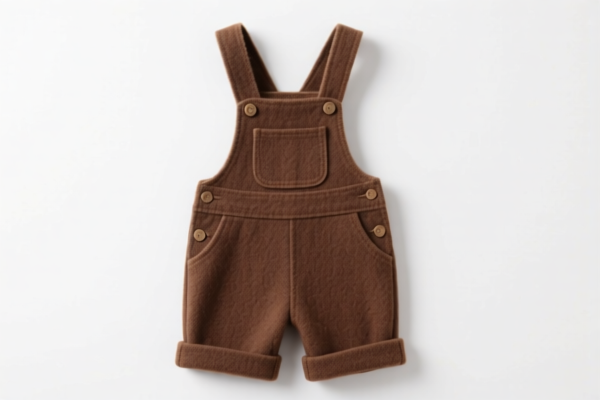
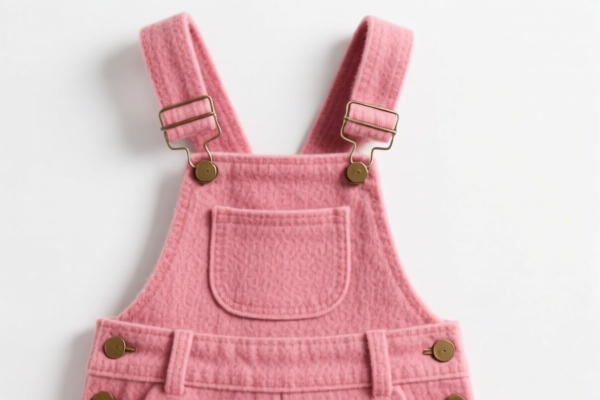
AI Analysis
👗 Girls' Warm Bib Overalls (Child Winter Wear)
🌐 HS Code Reference & Customs Clearance Guide | 2026 Latest Tariff Analysis | Professional Clearance Strategy
📌 I. Product Definition & Classification: Do You Really Understand "Warm Bib Overalls"?
"Girls' Warm Bib Overalls" are a specific type of children's outerwear designed for cold weather. In international trade, their classification hinges on two critical factors: Material Composition (Knitted vs. Woven) and Fabric Content (Cotton vs. Synthetic). The term "Warm" implies insulation or thickness, but HS codes strictly differentiate based on how the fabric is made.
Key Distinction:
- Knitted/Crocheted (Chapter 61): If the overall is made of knit fabric (stretched, looped yarn), it falls under 6104 (Girls' Woven or Knitted Trousers/Breeches).
- Woven/Non-Knit (Chapter 62): If the fabric is woven (rigid, non-stretched) or made of non-knitted fabric, it falls under 6204 (Girls' Woven Trousers/Breeches).
- Infant/Toddler Specifics (Chapter 61/62): Items designed specifically for infants or very young children may have different sub-headings, but "Girls'" generally pushes classification toward the older child categories unless specified as "Infant."
⚠️ Critical Differentiator:
- Knitted Fabric → Look at 6104.xxxxxx
- Woven Fabric (e.g., Denim, Twill) → Look at 6204.xxxxxx
- Material: Is it Cotton (6209/6104.62) or Synthetic Fibers like Polyester (6104.63)?
📦 II. HS Code Classification Details (2026 Latest Tariff Authority Comparison)
Based on the provided data, here are the five most likely HS codes for "Girls' Warm Bib Overalls," ranging from knit to woven and cotton to synthetic.
| HS Code | Product Description & Inference | Key Attributes | Material Guess |
|---|---|---|---|
6111.30.10.00 |
Bib Overalls for Girls | Defined explicitly as "Clothing (Overalls)" for children. | Fabric/Textile (General) |
6209.20.30.00 |
Girls' Warm Bib Overalls | Based on "Warm" characteristic, inferred as Cotton or Cotton Blend. | Cotton / Cotton Blend |
6104.63.10.10 |
Girls' Warm Bib Overalls | Matches form and use; inferred material is Knitted or Synthetic Fiber. | Synthetic / Knitted |
6104.62.10.10 |
Girls' Warm Bib Overalls | Matches form and use; inferred material is Cotton or similar warm material. | Cotton |
6204.63.03.50 |
Girls' Overalls | Form and object match; material not explicitly specified but no synthetic conflict. | Possible/Woven |
🔍 Key Reminder:
- 6111.30.10.00 is the most generic "Bib Overall" code for children, often used when the specific knit/woven distinction is less critical or when the item is clearly designed for young children (infants/toddlers).
- 6209.20.30.00 assumes a cotton-heavy composition due to the "Warm" descriptor often correlating with cotton fleece or thick cotton blends.
- 6104.63.10.10 & 6104.62.10.10 distinguish between Synthetic (63) and Cotton (62) materials within the Knitted category.
- 6204.63.03.50 is for Woven synthetic overalls.
💰 III. 2026 Latest Tariff Rate Breakdown (Including Additional Taxes, Policy Surcharges)
✅ Applicable Country: United States (US)
✅ Country of Origin: China (CN)
✅ Effective Date: 2025/2026 (Including subsequent imports)
The tariff structure for these garments involves three components:
1. Basic Tariff (MFN Rate)
2. Section 301 Tariff (7.5%)
3. Section 122 Tariff (10%) (Note: Section 122 refers to specific legislative provisions often cited in recent tariff adjustments for textiles/apparel from China)
🎯 1. 6111.30.10.00 —— Bib Overalls (Child Clothing)
| Item | Content |
|---|---|
| Basic Tariff | 28.2% (High base rate for children's knitwear from China) |
| Section 301 Tariff | +7.5% (Trade war surcharge) |
| Section 122 Tariff | +10% (Specific legislative surcharge) |
| Total Rate | 45.7% |
| Tax Calculation | CIF Value × 45.7% |
| De Minimis Exemption | ❌ Not Applicable (Deny de minimis) |
| Legal Basis Path | USITC:6111.30.10.00 → Section 301: 7.5% → Section 122: 10% |
📌 Explanation:
- This code attracts the highest total tariff (45.7%).
- 28.2% is the base MFN rate for certain children's knit garments.
- 7.5% is the standard Section 301 rate for many textiles.
- 10% is an additional layer from Section 122 provisions.
- Result: High cost. Ensure product description is precise to avoid reclassification.
🎯 2. 6209.20.30.00 —— Girls' Warm Bib Overalls (Cotton/Blened)
| Item | Content |
|---|---|
| Basic Tariff | 14.9% |
| Section 301 Tariff | +7.5% |
| Section 122 Tariff | +10% |
| Total Rate | 32.4% |
| Tax Calculation | CIF Value × 32.4% |
| De Minimis Exemption | ❌ Not Applicable |
| Legal Basis Path | USITC:6209.20.30.00 → Section 301: 7.5% → Section 122: 10% |
📌 Note:
- 14.9% is the base rate for cotton children's woven/knit items.
- This code offers a lower total rate (32.4%) compared to6111.30.10.00.
- Suitable if the garment is Cotton-heavy and classified under Chapter 62 or specific infant/cotton subheadings.
🎯 3. 6104.63.10.10 —— Girls' Warm Bib Overalls (Knitted/Synthetic)
| Item | Content |
|---|---|
| Basic Tariff | 14.9% |
| Section 301 Tariff | +7.5% |
| Section 122 Tariff | +10% |
| Total Rate | 32.4% |
| Tax Calculation | CIF Value × 32.4% |
| De Minimis Exemption | ❌ Not Applicable |
| Legal Basis Path | USITC:6104.63.10.10 → Section 301: 7.5% → Section 122: 10% |
📌 Note:
- 14.9% base rate for Synthetic Knitted girls' trousers/overalls.
- Total rate is 32.4%.
- Use this if the garment is Knitted and made of Synthetic Fibers (e.g., Polyester, Acrylic).
🎯 4. 6104.62.10.10 —— Girls' Warm Bib Overalls (Knitted/Cotton)
| Item | Content |
|---|---|
| Basic Tariff | 10.3% |
| Section 301 Tariff | +7.5% |
| Section 122 Tariff | +10% |
| Total Rate | 27.8% |
| Tax Calculation | CIF Value × 27.8% |
| De Minimis Exemption | ❌ Not Applicable |
| Legal Basis Path | USITC:6104.62.10.10 → Section 301: 7.5% → Section 122: 10% |
📌 Best Case Scenario:
- 10.3% is the lowest base rate among the options for Cotton Knitted girls' overalls.
- Total Rate: 27.8% is the most cost-effective classification.
- Action: If your garment is Knitted and Cotton-based, strive to classify under this code.
🎯 5. 6204.63.03.50 —— Girls' Overalls (Woven/Synthetic)
| Item | Content |
|---|---|
| Basic Tariff | 14.9% |
| Section 301 Tariff | +7.5% |
| Section 122 Tariff | +10% |
| Total Rate | 32.4% |
| Tax Calculation | CIF Value × 32.4% |
| De Minimis Exemption | ❌ Not Applicable |
| Legal Basis Path | USITC:6204.63.03.50 → Section 301: 7.5% → Section 122: 10% |
📌 Note:
- 14.9% base rate for Woven Synthetic girls' trousers.
- Total rate is 32.4%.
- Use this if the garment is Woven (not knitted) and made of Synthetic Fibers.
🛠️ IV. Customs Clearance Practical Advice (Real-World Pitfall Avoidance)
✅ 1. Preparation Checklist (Non-Negotiable)
| Document | Required | Explanation |
|---|---|---|
| ✅ Product Spec Sheet | ✔️ | Must specify Fabric Composition (e.g., 80% Cotton, 20% Polyester) and Fabric Type (Knitted vs. Woven). |
| ✅ Fabric Swatch/Sample | ✔️ | Customs may request a physical sample to verify if the fabric is knitted or woven. |
| ✅ Product Photos | ✔️ | Clear images of the inside seams (to show knitting loops) and labels. |
| ✅ Commercial Invoice | ✔️ | Clearly state "Girls' Warm Bib Overalls, Knitted/Cotton" or similar precise description. |
| ✅ Packing List | ✔️ | Detail contents to avoid mixed shipment issues. |
| ✅ Origin Certificate | ✔️ | Required for determining eligibility for any potential exemptions (though unlikely for China origin). |
✅ 2. Declaration Tips (Key Mnemonic)
🔥 "Fabric Type is King, Composition is Queen!"
| Situation | Correct Declaration | Wrong Approach |
|---|---|---|
| Knitted, Cotton | 6104.62.10.10 (27.8%) |
Misdeclaring as Woven → Higher Tax |
| Knitted, Synthetic | 6104.63.10.10 (32.4%) |
Misdeclaring as Cotton → Lower Tax (Risk of Penalty) |
| Woven, Synthetic | 6204.63.03.50 (32.4%) |
Misdeclaring as Knitted → Audit Risk |
| General Child Overall | 6111.30.10.00 (45.7%) |
Only use if specific knit/woven/cotton data is missing (Highest Risk/Cost) |
| Cotton Blend (Warm) | 6209.20.30.00 (32.4%) |
Only if classified under infant/cotton-specific headings |
✅ 3. Special Handling Cases
| Situation | Handling Advice |
|---|---|
| Mixed Material (e.g., 70% Cotton, 30% Polyester) | Classify based on the majority fiber weight. If Cotton > 50%, use Cotton codes. |
| With Elastic Waist/Knit Trims | If the main body is woven but trims are knit, it’s usually Woven. If the main body is knit, it’s Knitted. |
| "Warm" Feature (Fleece Lining) | Does not change HS code. Fleece is still polyester or cotton. Focus on the outer shell material. |
| Age Group "Girls" vs. "Infants" | If the size is very small (0-24 months), customs might argue for Chapter 61 Infant codes, but "Girls" usually implies older children. Be prepared to justify size. |
🌍 V. Global Market Clearance Comparison (2026 Latest)
| Country/Region | Recommended HS Code | Tariff (China Origin) | Certification Requirements | Notes |
|---|---|---|---|---|
| 🇺🇸 USA | 6104.62.10.10 (Best Case) |
27.8% (Knitted/Cotton) | CPSIA, Prop 65 | Highest Variance: Knitted/Cotton is 27.8%, Generic is 45.7%. |
| 🇨🇳 China (Export) | 6104.62.10.10 |
0% (Export Duty) | N/A | Focus on accurate declaration for buyer's import. |
| 🇪🇺 EU | 6104.62.10.10 |
8-12% (General) | CE, REACH | No Section 301/122 equivalents. Lower risk. |
| 🇬🇧 UK | 6104.62.10.10 |
12% (General) | UKCA, REACH | Post-Brexit rules apply. |
| 🇨🇦 Canada | 6104.62.10.10 |
17.5% (MFN) | CPSIA (if marketed in US) | Check CITES for any down/feather fillings. |
📌 Conclusion:
- USA is the most complex market due to Section 301 & 122 tariffs.
- Classification accuracy is critical: A shift from6111.30.10.00(45.7%) to6104.62.10.10(27.8%) saves ~18% on duties.
- Knitted vs. Woven and Cotton vs. Synthetic are the two biggest determinants of cost.
📌 VI. Common Mistakes & Pitfall Guide (Lessons Learned)
❌ Mistake 1: Assuming "Bib Overall" automatically goes to 6111.30.10.00.
👉 Consequence: You pay 45.7% when you could pay 27.8% by correctly identifying the fabric as Knitted/Cotton (6104.62.10.10).
❌ Mistake 2: Ignoring the "Knitted vs. Woven" distinction.
👉 Consequence: Misclassification leads to customs audits, delays, and potential penalties for undervaluation.
❌ Mistake 3: Not specifying fabric composition in the invoice.
👉 Consequence: Customs may assign the highest default rate or request a sample, causing shipment delays.
❌ Mistake 4: Using "Warm" as a classification criterion.
👉 Consequence: "Warm" is not an HS code determinant. Focus on material and construction.
✅ Correct Approach:
"Girls' Knitted Cotton Bib Overalls, Size 4-6, 80% Cotton/20% Polyester, with Fleece Lining"
🎯 VII. Conclusion: Precise Declaration, Cost Savings, Efficiency!
🎯 Remember the Mantra:
🔹 "Knitted + Cotton = 27.8% (Best!)"
🔹 "Knitted + Synthetic = 32.4%"
🔹 "Woven + Synthetic = 32.4%"
🔹 "Generic/Bib Specific = 45.7% (Avoid!)"
🔹 "Fabric Type & Composition are King!"
📌 Pro Tip:
If your product is Knitted and Cotton-rich, ensure your supplier’s test report confirms the composition to support the 6104.62.10.10 classification. For Woven items, 6204.63.03.50 is your best bet.
📣 Immediate Action:
📞 Contact your freight forwarder + Provide Fabric Composition Report + Request HS Code Pre-Ruling for accuracy.
🚀 Let your girls' overalls pass smoothly, reduce costs, and boost margins!
✨ Professional clearance starts with precise classification!
💼 Every percentage point counts!
Customer Reviews
About HS Code Classification
The Harmonized System (HS) is an internationally standardized nomenclature developed by the World Customs Organization (WCO) to classify traded products. Over 200 countries use the HS system as the basis for customs tariffs, trade statistics, and import/export regulations.
Each HS code follows a hierarchical structure:
- Chapter (2 digits) — Broad category of goods (e.g., Chapter 84: Machinery and Mechanical Appliances)
- Heading (4 digits) — More specific grouping within the chapter
- Subheading (6 digits) — Internationally standardized breakdown, used by all WCO member countries
- National subdivisions (8-10 digits) — Country-specific extensions for further classification, such as US HTSUS 10-digit codes
Correct HS code classification is essential for smooth customs clearance, accurate duty payment, and compliance with trade regulations. Misclassification can lead to customs delays, overpayment of duties, or penalties.
When importing from CN to US, the applicable tariff rates may include:
- Most-Favored-Nation (MFN) rate — The standard duty rate applied to WTO members
- General rate — Applied to countries without trade agreements
- Trade remedy duties — Additional tariffs such as Section 301 (anti-dumping), Section 232 (national security), or countervailing duties
The information provided on this page is for reference purposes only. For official classification, please consult with your local customs authority or a licensed customs broker.