Girls' Warm Jumpsuit
CN → US| HS Code | Tariff Rate | Origin | Destination | Doc |
|---|---|---|---|---|
| 6209205050 | 26.8% | CN | US | Official Doc |
| 6209303040 | 33.5% | CN | US | Official Doc |
| 6111305010 | 33.5% | CN | US | Official Doc |
| 6111206010 | 25.6% | CN | US | Official Doc |
| 6109901047 | 49.5% | CN | US | Official Doc |
Product Images


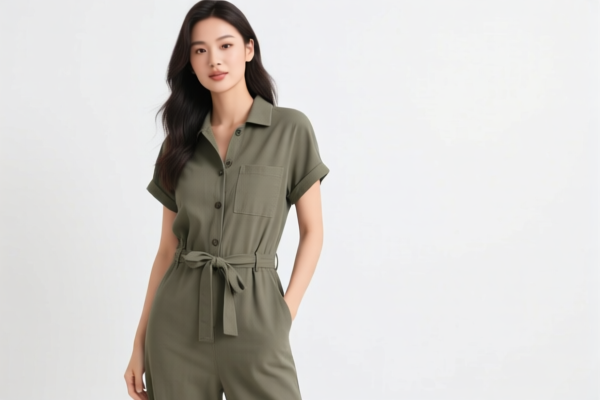
AI Analysis
👧 Girls' Warm Jumpsuit (Baby & Infant)
🌐 HS Code Reference & Clearance Guide | 2026 Latest Tariff Analysis | Professional Customs Strategy
📌 I. Product Definition & Classification: What is a "Girls' Warm Jumpsuit"?
A Girls' Warm Jumpsuit refers to a one-piece garment designed for infants and young girls, specifically engineered to provide insulation and warmth. In international trade, these are often categorized under "Baby Garments" or "Knitted/Non-Knitted Bodysuits."
The critical distinction for classification lies in two factors: 1. Material Composition: Is it primarily Cotton or Synthetic Fibers (e.g., Polyester, Nylon)? 2. Manufacturing Method: Is it Knitted (flexible, stretchy, e.g., sweatshirts, fleece) or Woven (structured, e.g., cotton flannel)? 3. Intended Use: Is it designed specifically for infants (up to 2 years) or older children?
⚠️ Key Classification Triggers:
- Infant Specific: If labeled for infants (<2 years) and designed for warmth, it often falls under Chapter 61 (Knitted) or 62 (Woven), heading 6111/6209.
- Material Dominance: Cotton content vs. Synthetic content drastically changes the HS Code (e.g., 6111.20 vs. 6111.30).
- Function: "Warm" implies insulation, often leading to higher scrutiny on textile composition and anti-dumping checks.
📦 II. HS Code Classification Details (2026 Latest Tariff Reference)
Based on the provided data, here is the breakdown of potential HS Codes for Girls' Warm Jumpsuits, covering both infant and general baby categories.
| HS Code | Material/Type | Product Description & Logic | Total Tariff Rate (CN Origin) |
|---|---|---|---|
| 6209.20.50.50 | Cotton / Blends | Woven Warm Jumpsuit (Infant). Classified as infant garments made of cotton or synthetic blends. | 26.8% |
| 6209.30.30.40 | Synthetic / Blends | Woven Warm Jumpsuit. Matches shape/usage; inferred material is synthetic fiber or cotton mix. | 33.5% |
| 6111.30.50.10 | Synthetic (Knitted) | Knitted Warm Jumpsuit. Fits infant sunwear/washwear/bodysuit categories. Inferred material is synthetic. | 33.5% |
| 6111.20.60.10 | Cotton (Knitted) | Knitted Warm Jumpsuit. Matches usage/material; inferred material is Cotton or Cotton-blend. | 25.6% |
| 6109.90.10.47 | Artificial Fibers | Warm Bodysuit/Undergarment. Fits "warm underwear" characteristics. Material is Artificial Fiber or other textile. | 49.5% |
🔍 Critical Observation:
- Highest Risk:6109.90.10.47(49.5% Total Tax) – This implies a classification as "Other textile garments" or "underwear," which often attracts the highest punitive tariffs.
- Optimal Strategy: If the product is a true Infant Jumpsuit (Head 6111 or 6209), the tax burden is lower (25.6% - 33.5%) compared to generic "other" categories.
💰 III. 2026 Detailed Tariff Breakdown (USA Market)
✅ Applicable Country: United States (US)
✅ Origin: China (CN)
✅ Effective Date: 2025-2026 (Based on current trade war data)
🎯 1. 6111.20.60.10 — Knitted Cotton/Jumpsuit (Lowest Tax Option)
Best if the jumpsuit is primarily Cotton and knitted.
| Item | Content |
|---|---|
| Base Tariff | 8.1% (Ad Valorem) |
| Section 232 (Steel/Aluminum equivalent) / Add-on | +7.5% (General Add-on) |
| Section 122 Tariff | +10% (Specific punitive duty) |
| Total Tax Rate | 25.6% |
| Tax Calculation | CIF Value × 25.6% |
| De Minimis Exemption? | ❌ NO (High-risk category) |
| Legal Path | Section 122 → HTS 6111.20.60.10 |
📌 Explanation:
- Base: Standard USMF (Most Favored Nation) rate.
- 7.5%: Likely a Section 301 or specific trade agreement add-on.
- 10%: Section 122 punitive tariff specifically targeting certain textile categories from China.
- Total: 25.6% is the lowest among the provided options, making Cotton Knitted Jumpsuits the most cost-effective choice.
🎯 2. 6111.30.50.10 & 6209.30.30.40 — Synthetic Jumpsuits
If the material is Polyester, Nylon, or Acrylic.
| Item | Content |
|---|---|
| Base Tariff | 16.0% |
| Section 232 / Add-on | +7.5% |
| Section 122 Tariff | +10% |
| Total Tax Rate | 33.5% |
| Tax Calculation | CIF Value × 33.5% |
| De Minimis Exemption? | ❌ NO |
| Legal Path | Section 122 → HTS 6111.30.50.10 or 6209.30.30.40 |
📌 Explanation:
- Synthetic fibers attract a higher base rate (16%) compared to Cotton (8.1%).
- The Section 122 (10%) and Add-on (7.5%) remain constant.
- Impact: This creates an 8% tax gap between Cotton and Synthetic options.
🎯 3. 6109.90.10.47 — Warm Underwear/Other Textile (Highest Risk)
Avoid this if possible; likely misclassified if the item is a true jumpsuit.
| Item | Content |
|---|---|
| Base Tariff | 32.0% |
| Section 232 / Add-on | +7.5% |
| Section 122 Tariff | +10% |
| Total Tax Rate | 49.5% |
| Tax Calculation | CIF Value × 49.5% |
| De Minimis Exemption? | ❌ NO |
| Legal Path | Section 122 → HTS 6109.90.10.47 |
📌 Explanation:
- This code falls under "Other T-shirts, singlets, and other vests" or "Other garments."
- The base tariff is extremely high (32%).
- Risk: Customs may view this as a "clothing for adults" or "underwear" rather than a specific infant jumpsuit, leading to severe penalties.
🛠️ IV. Practical Clearance Advice (Avoid Pitfalls)
✅ 1. Preparation Checklist (Must-Haves)
| Document | Requirement | Why It Matters |
|---|---|---|
| Product Label | Must state "Infant/Juvenile" & "Made in China" | Determines if it falls under 6209 (Infant) vs. general 6204. |
| Material Composition | % Cotton vs. % Synthetic (e.g., 80% Cotton, 20% Polyester) | Directly dictates between 6111.20 (Cotton) and 6111.30 (Synthetic). |
| Size Chart | Must show infant sizes (e.g., 0-3M, 3-6M) | Proves "Infant" status for Chapter 6209/6111. |
| Fabric Swatch | Physical or digital sample | Customs officers may request to verify "Warm" material type. |
| Detailed Invoice | Must list "Girls' Warm Jumpsuit, Knitted/Woven" | Avoid generic terms like "Kids Clothes" which trigger random audits. |
✅ 2. Declaration Strategy (Golden Rules)
🔥 The "Infant First" Rule:
"Infant Jumpsuit, Cotton/Knitted, 0-6 Months" = 25.6%
"Kids Jumpsuit, Synthetic, 5-10 Years" = 33.5%+
| Scenario | Correct Declaration | Wrong Declaration |
|---|---|---|
| Infant (0-2 yrs) + Cotton + Knitted | 6111.20.60.10 (25.6%) |
6111.30... (33.5%) or 6109... (49.5%) |
| Infant (0-2 yrs) + Synthetic + Knitted | 6111.30.50.10 (33.5%) |
6109.90.10.47 (49.5%) |
| Woven Jumpsuit (Any Material) | 6209.20/6209.30 (26.8% / 33.5%) |
6204.00 (Adults) → Higher duty |
| Underwear vs. Outerwear | Clearly state "Jumpsuit" or "Bodysuit" | Calling it "Underwear" triggers 6109 (49.5%) |
✅ 3. Special Handling Tips
| Situation | Suggestion |
|---|---|
| Cotton Content Borderline (e.g., 48% Cotton) | Do not declare as Cotton (6111.20). If <50% cotton, it is treated as Synthetic (6111.30). |
| "Warm" vs. "Light" | If the jumpsuit is fleece-lined, ensure the lining is declared. If it's a "sleeper suit" for infants, prioritize 6209 codes. |
| Section 122 Exposure | All these codes carry the 10% Section 122 penalty. No exemption exists for textile baby wear in 2026. |
| Avoid Misclassification | Do not use 6109 (T-shirts/Vests) unless it is actually an undershirt. Mislabeling a jumpsuit as a "vest" risks a 49.5% tax bill. |
🌍 V. Global Market Comparison (2026 Context)
| Region | Recommended HS Code | Tax Rate (CN Origin) | Notes |
|---|---|---|---|
| 🇺🇸 USA | 6111.20.60.10 (Cotton) |
25.6% | Highest punitive taxes globally; Section 122 applies. |
| 🇪🇺 EU | 6111.30 / 6209 |
~0-8% | No Section 122; lower base rates. CE Labeling required. |
| 🇨🇦 Canada | 6111.20 |
~0-5% | Less punitive; FTA (CUSMA) may apply if processed in NA. |
| 🇦🇺 Australia | 6111.30 |
~5-10% | Standard tariffs; no Section 122 equivalent. |
📌 Conclusion: The USA market is the most expensive for Chinese textile exports due to the Section 122 (10%) + Base Tariff combination.
📌 VI. Common Mistakes & Pitfalls (Lessons Learned)
❌ Mistake 1: Labeling a Synthetic jumpsuit as Cotton to save tax.
👉 Consequence: Customs inspection reveals wrong material → Fine + Retention.
👉 Solution: Always declare exact material composition.
❌ Mistake 2: Using 6109.90 (Underwear) for a Jumpsuit.
👉 Consequence: Tax jumps from 25.6% to 49.5% → Loss of Profit.
👉 Solution: Ensure product description matches "Jumpsuit" or "Bodysuit," not "Undershirt."
❌ Mistake 3: Ignoring Infant Age limits.
👉 Consequence: If size > 24 months, it may fall under "Girls' Clothing" (6204/6104) which has different, often higher, duties.
👉 Solution: Keep infant labels strictly under 24 months for 6209/6111 codes.
✅ Correct Practice:
"Girls' Warm Knitted Jumpsuit, 100% Cotton, Size 0-6 Months, for Infants."
🎯 VII. Final Verdict: Strategic Clearance Path
🎯 Remember the Strategy:
🔹 "Cotton Knitted = 25.6%" (The Sweet Spot)
🔹 "Synthetic Knitted = 33.5%" (Acceptable)
🔹 "Underwear/Other = 49.5%" (Avoid at all costs)🔹 "HS Code decides the tax; Material decides the Code."
📌 Pro Tip:
If you are importing Cotton Jumpsuits, verify the Section 122 status annually. While currently active, trade policies shift.
For Synthetic Jumpsuits, consider sourcing from Vietnam or Bangladesh (if possible) to bypass some Section 301/122 penalties, though base tariffs may vary.
📣 Immediate Action Required:
📞 Verify your Bill of Materials (BOM) before shipping.
🚀 Declare "Infant Jumpsuit" + Material % clearly on the Commercial Invoice.
💡 Avoid "General Children's Clothing" descriptions to prevent6109classification.
✨ Professional Clearance Starts with Precision!
💼 Your cost margin depends on the first 10 digits of your HS Code.
Customer Reviews
About HS Code Classification
The Harmonized System (HS) is an internationally standardized nomenclature developed by the World Customs Organization (WCO) to classify traded products. Over 200 countries use the HS system as the basis for customs tariffs, trade statistics, and import/export regulations.
Each HS code follows a hierarchical structure:
- Chapter (2 digits) — Broad category of goods (e.g., Chapter 84: Machinery and Mechanical Appliances)
- Heading (4 digits) — More specific grouping within the chapter
- Subheading (6 digits) — Internationally standardized breakdown, used by all WCO member countries
- National subdivisions (8-10 digits) — Country-specific extensions for further classification, such as US HTSUS 10-digit codes
Correct HS code classification is essential for smooth customs clearance, accurate duty payment, and compliance with trade regulations. Misclassification can lead to customs delays, overpayment of duties, or penalties.
When importing from CN to US, the applicable tariff rates may include:
- Most-Favored-Nation (MFN) rate — The standard duty rate applied to WTO members
- General rate — Applied to countries without trade agreements
- Trade remedy duties — Additional tariffs such as Section 301 (anti-dumping), Section 232 (national security), or countervailing duties
The information provided on this page is for reference purposes only. For official classification, please consult with your local customs authority or a licensed customs broker.